Last Updated on October 6, 2026
When cooking with sous vide, getting the temperature just right is key to both taste and safety. If you’re worried about salmonella, you’re not alone.
You want your food juicy and tender, but you also want to make sure it’s safe to eat. Understanding the correct sous vide temperature to kill salmonella can save you from foodborne illness and give you peace of mind. Keep reading, and you’ll discover exactly how to cook your meals perfectly while keeping harmful bacteria at bay.
Your next sous vide dish will be both delicious and safe!

Credit: www.researchgate.net
Salmonella Risks In Cooking
Salmonella is a common cause of foodborne illness worldwide. It can cause serious stomach problems and sometimes more severe health issues. Understanding the risks of Salmonella in cooking helps keep food safe and prevents illness.
Salmonella bacteria can survive if food is not cooked at the right temperature. This is especially important for cooking methods like sous vide, where food cooks at lower temperatures for a longer time. Knowing how Salmonella contaminates food and which foods are at risk helps in choosing safe cooking temperatures.
How Salmonella Contaminates Food
Salmonella lives in the intestines of animals and humans. It spreads to food through contact with feces. Contamination happens during slaughter, processing, or handling. Cross-contamination from raw to cooked food is common. Poor hygiene and improper storage also increase risks. Cooking at unsafe temperatures allows Salmonella to survive and multiply.
Common Foods At Risk
Poultry, such as chicken and turkey, often carry Salmonella. Eggs and egg products can also be contaminated. Raw meat and ground beef are frequent sources. Unpasteurized milk and dairy products pose risks. Fresh produce can be contaminated through water or soil. Knowing these foods helps focus on safe cooking practices.
Sous Vide Basics
Sous vide cooking is a simple and precise way to prepare food. It uses low temperatures and long cooking times. This method gives you perfectly cooked meals every time. Understanding sous vide basics helps you cook safely, especially with foods like salmonella-prone poultry or meat.
Controlling temperature is key to killing harmful bacteria. Sous vide helps keep food safe and delicious. Let’s explore how sous vide works and its benefits.
How Sous Vide Works
Sous vide means “under vacuum” in French. Food is sealed in a plastic bag. The bag is placed in a water bath. A device keeps the water at a steady temperature. This cooks food evenly from edge to edge. You set the temperature based on the food type. Cooking time varies from minutes to hours. This slow, steady heat prevents overcooking.
Benefits Of Sous Vide Cooking
Sous vide keeps food juicy and tender. It locks in flavors and nutrients better than other methods. You can cook food safely at lower temperatures. This method reduces the chance of bacteria like salmonella. It is easy to repeat results. You don’t need to watch the food closely. This saves time and effort in the kitchen.
Safe Temperatures For Salmonella
Salmonella is a common bacteria found in many raw foods. It can cause serious illness if not killed during cooking. Safe cooking temperatures are key to prevent salmonella infections. Sous vide cooking uses precise temperatures to cook food evenly. Knowing the right temperatures to kill salmonella is crucial for safe sous vide meals.
Temperature Guidelines For Poultry
Poultry often carries salmonella. Cooking it to the right temperature ensures safety. The USDA recommends heating poultry to 165°F (74°C) to kill bacteria instantly. Sous vide allows cooking at lower temperatures but for longer times. For example, 145°F (63°C) for 9.2 minutes also kills salmonella safely. Always use a reliable thermometer to check the temperature inside the meat.
Temperature Guidelines For Meat And Fish
Meat and fish can also harbor salmonella. Safe cooking temperatures vary by type and thickness. Beef, pork, and fish should reach at least 130°F (54°C) for 112 minutes to kill bacteria. Higher temperatures reduce cooking time. For instance, 140°F (60°C) for 27.5 minutes is enough. Use sous vide to maintain steady temperatures and achieve safe, tender results.
Time And Temperature Balance
Salmonella is a common bacteria found in raw poultry and eggs. Sous vide cooking uses precise temperature control to kill this bacteria safely. The key to safe sous vide cooking is balancing time and temperature. Holding food at a lower temperature needs more time to kill Salmonella. Higher temperatures kill bacteria faster but can affect food texture. Understanding this balance helps you cook safely and enjoy tasty meals.
Why Time Matters Alongside Temperature
Temperature alone cannot guarantee food safety. Salmonella dies faster at higher temperatures but needs time at lower temperatures. For example, at 130°F, Salmonella may need several minutes to die. At 140°F, it dies much quicker. Holding food for the right time ensures all bacteria are destroyed. This prevents foodborne illness and keeps your meal safe.
Recommended Time-temperature Combinations
Food safety experts suggest specific time and temperature pairs for sous vide. Cooking at 130°F requires holding food for at least 121 minutes. At 140°F, 27.5 minutes is enough to kill Salmonella. Increasing temperature to 150°F reduces time to just 2.8 minutes. These times ensure bacteria die without overcooking food. Following these guidelines keeps sous vide meals safe and delicious.
Best Practices For Sous Vide Safety
Ensuring safety is key when cooking with sous vide. Salmonella risks can be lowered by following some simple steps. Proper technique keeps food safe and tasty. Understanding the right practices helps prevent foodborne illness. These tips focus on sealing, avoiding contamination, and accurate temperature control.
Proper Sealing And Bagging
Seal food tightly in vacuum bags. Remove as much air as possible. Air pockets can affect cooking and safety. Use bags made for sous vide cooking. Check for holes or weak spots. A strong seal prevents bacteria growth and water entry. Always double-check the seal before cooking.
Avoiding Cross-contamination
Keep raw and cooked foods separate. Use different utensils and cutting boards. Wash hands often during food preparation. Clean surfaces thoroughly to remove bacteria. Store raw food below cooked items in the fridge. Avoid letting juices from raw food touch other items. These steps reduce the chance of spreading Salmonella.
Using Reliable Thermometers
Use a good-quality thermometer for sous vide. Accurate temperature control kills harmful bacteria. Check the thermometer’s calibration regularly. Insert it properly into the water bath. Avoid opening the cooker often to keep stable heat. Consistent temperature ensures food cooks evenly and safely.
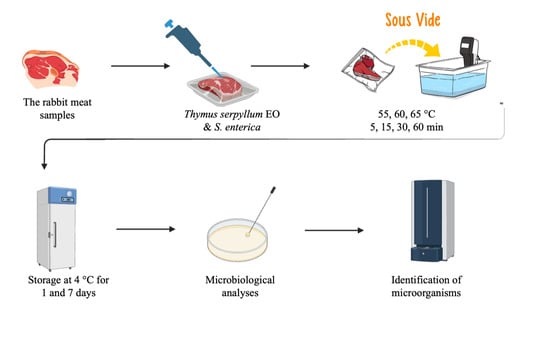
Credit: www.mdpi.com
Common Mistakes To Avoid
Cooking salmonella sous vide requires careful attention to temperature and timing. Mistakes can cause foodborne illness. Avoid these common errors to keep your food safe and tasty.
Cooking At Too Low Temperatures
Salmonella bacteria survive at low temperatures. Cooking sous vide below the safe threshold allows them to grow. Always follow recommended temperatures for killing salmonella. Do not guess or experiment with lower heat.
Ignoring Hold Times
Temperature alone does not kill salmonella instantly. The food must stay at the right temperature long enough. Skipping or shortening hold times risks bacteria survival. Use a timer and follow guidelines carefully.
Improper Cooling And Storage
After sous vide cooking, improper cooling can let bacteria multiply. Cool food quickly and store it in the fridge. Leaving it at room temperature too long is unsafe. Proper storage keeps your meal safe to eat later.
Testing And Verifying Doneness
Testing and verifying doneness is vital when cooking salmon sous vide. It ensures the fish is safe to eat and has the perfect texture. Salmonella can be killed by reaching the right temperature for the right time. This section explains how to check if your salmon is cooked well.
Visual And Texture Cues
Look at the color of the salmon. It should change from translucent to opaque. The flesh becomes firmer but still moist. Gently press the salmon with a fork or finger. It should feel soft yet springy, not mushy or rubbery. These cues help guess doneness but are not fully reliable.
Using Temperature Probes
Temperature probes give accurate results. Insert the probe into the thickest part of the salmon. The safe sous vide temperature for killing salmonella is at least 130°F (54°C). Hold the temperature long enough, usually 30 minutes or more, to ensure safety. Probes confirm doneness and food safety with precision.
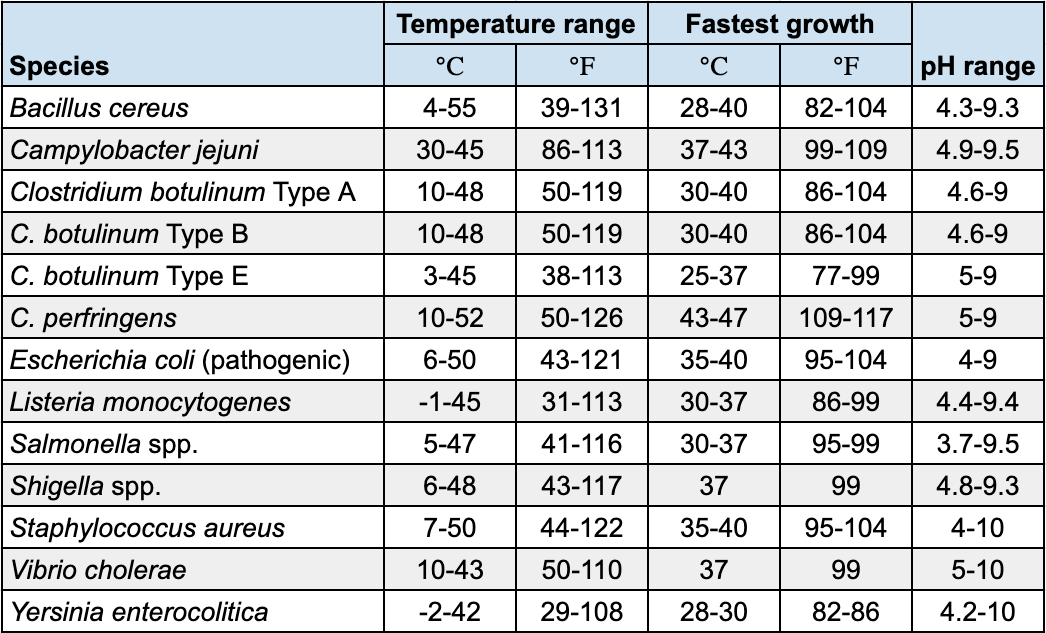
Credit: www.bencardall.com
Enhancing Flavor While Staying Safe
Cooking salmon using sous vide offers a unique chance to enhance its flavor while ensuring safety. Salmonella is a common concern, but precise temperature control helps kill harmful bacteria without overcooking the fish. Achieving the right balance preserves the salmon’s texture and taste.
Flavor development starts before cooking and continues after sous vide. Careful use of marinades and seasonings adds depth. Finishing techniques enhance the final taste and appearance. Both steps contribute to a delicious, safe meal.
Marinades And Seasonings
Marinades add moisture and infuse flavor deeply into salmon. Ingredients like lemon, garlic, and herbs work well. Salt helps enhance natural taste and texture. Keep marinades simple to avoid overpowering the fish.
Seasonings such as black pepper, dill, or smoked paprika complement sous vide salmon. Apply them before sealing the bag. The slow cooking process allows flavors to blend gently. This method keeps the fish juicy and tasty.
Finishing Techniques After Sous Vide
After sous vide, salmon looks pale and soft. A quick sear adds color and texture. Heat a pan or grill until very hot. Sear salmon for 30 seconds on each side.
This step creates a crispy crust that contrasts the tender interior. It also improves flavor by adding caramelized notes. Keep the searing brief to avoid overcooking.
Another option is broiling for a minute or two. Watch closely to prevent burning. Finishing touches make the dish visually appealing and delicious.
Frequently Asked Questions
What Is The Safe Sous Vide Temperature For Salmonella?
The safe sous vide temperature to kill Salmonella is 135°F (57°C) or higher. Cooking at this temperature for at least 30 minutes ensures the bacteria are destroyed, making your food safe to eat without compromising texture or flavor.
How Long Should I Sous Vide To Kill Salmonella?
Sous vide cooking at 135°F (57°C) for 30 minutes effectively kills Salmonella. Time and temperature work together; higher temps need less time. Always follow recommended guidelines to ensure food safety and avoid undercooked meals.
Can Salmonella Survive Sous Vide Cooking?
Salmonella can survive if the temperature is too low or cooking time is too short. Proper sous vide temperatures above 135°F (57°C) held for sufficient time eliminate the bacteria, ensuring safe consumption and preventing foodborne illness.
Why Is Temperature Control Crucial For Salmonella Sous Vide?
Temperature control is crucial because Salmonella dies only at specific heat levels. Sous vide allows precise temperature management, ensuring food reaches and holds the safe temperature long enough to kill bacteria effectively.
Conclusion
Cooking salmon safely requires the right sous vide temperature. Salmonella dies at proper heat levels. Keeping the temperature steady ensures safety and taste. Use a reliable thermometer to check the water bath. Cook salmon long enough to kill bacteria but keep it tender.
This simple step protects your health without ruining flavor. Safe cooking means enjoying salmon with peace of mind. Always follow trusted guidelines for sous vide temperatures. Simple care in cooking keeps your meals both safe and delicious.