Last Updated on July 21, 2026
Your butcher block countertop has the potential to be the heart of your kitchen, warm and inviting. But to keep it looking beautiful and lasting for years, finishing it properly is key.
You might wonder how to protect your wood from stains, scratches, and moisture without losing its natural charm. This guide will walk you through simple, effective steps to finish your butcher block, so you can enjoy a surface that’s both stunning and durable.
Ready to transform your countertop into a masterpiece you’ll be proud of? Let’s dive in.
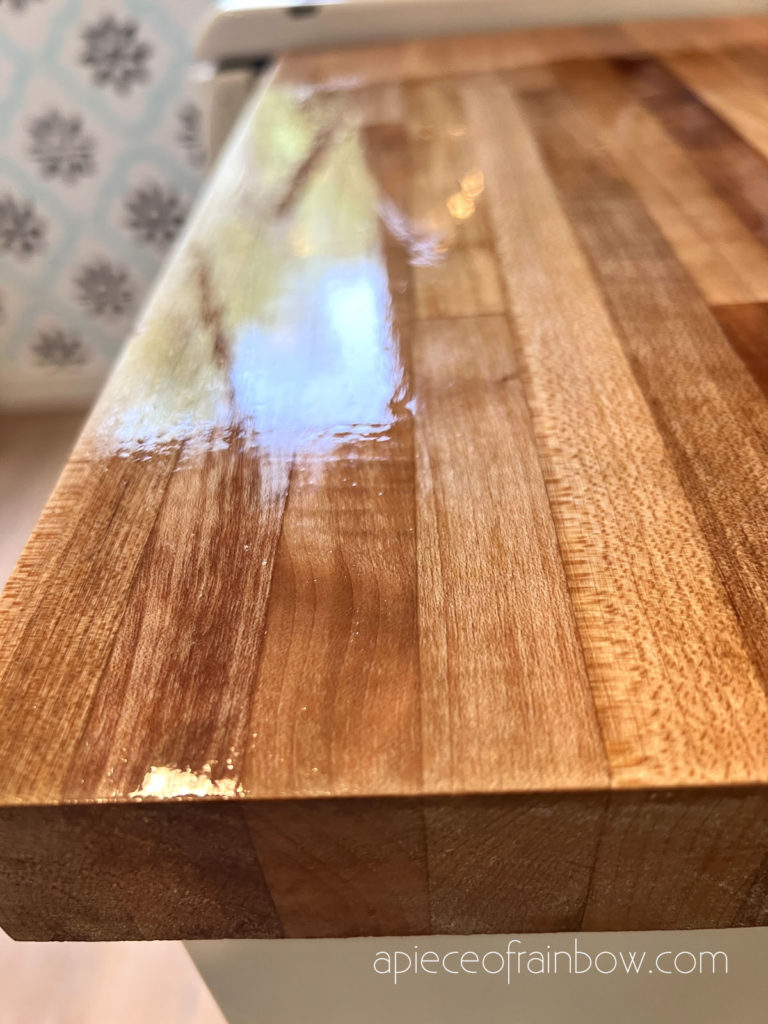
Credit: www.apieceofrainbow.com
Choosing The Right Finish
Choosing the right finish for your butcher block countertop affects its look and lifespan. The finish protects the wood from stains, water, and daily wear. It also brings out the natural beauty of the wood grain. Different finishes offer different benefits. Knowing these helps pick the best one for your kitchen.
Oil Vs. Varnish
Oils soak into the wood and keep it moist. They bring out the grain’s color softly. Oils need reapplying every few months. Varnishes form a hard, protective layer on top. They shine brighter and resist scratches better. Varnish lasts longer but can chip or crack over time.
Food-safe Options
Many finishes meet food safety standards. Mineral oil is popular because it is safe and easy to use. Beeswax mixed with oil adds extra protection and shine. Avoid finishes with strong chemicals or solvents. These can harm your health and your food.
Durability Factors
Durability depends on finish type and kitchen use. Heavy cooking means you need a tougher finish. Varnishes handle heat and moisture well. Oils offer less protection but are easy to fix. Regular maintenance keeps any finish strong and fresh.
Preparing The Surface
Preparing the surface of your butcher block countertop is a key step before finishing. A smooth, clean surface helps the finish last longer and look better. Taking time to prepare will protect the wood and bring out its natural beauty.
Sanding Techniques
Start sanding with medium-grit sandpaper, around 120 grit. Move in the direction of the wood grain. This removes rough spots and old finish. Switch to fine-grit sandpaper, like 220 grit, for a smooth surface. Sand evenly to avoid uneven spots. Use a sanding block for flat surfaces and detail sanders for edges. Sanding well makes the wood ready to absorb the finish.
Cleaning Before Finishing
After sanding, clean the surface thoroughly. Use a vacuum or brush to remove dust. Wipe the countertop with a damp cloth to pick up fine particles. Let the wood dry completely before applying any finish. Dust or dirt can cause bumps and uneven finish. A clean surface ensures the finish sticks well and looks smooth.
Repairing Imperfections
Look for cracks, holes, or dents in the wood. Fill small holes with wood filler that matches the wood color. Press the filler into the gap and smooth it out. Let it dry fully before sanding the area again. For bigger cracks, use wood glue and clamps to secure the pieces. Repairing imperfections improves the countertop’s strength and appearance.
Applying Oil Finish
Applying an oil finish to a butcher block countertop protects the wood and brings out its natural beauty. The oil soaks into the wood, making it strong and water-resistant. This process keeps the countertop looking fresh and extends its life. Understanding the types of oils and the correct application steps helps achieve the best results.
Types Of Oils
Different oils work well on butcher block surfaces. Mineral oil is common and food-safe. It does not spoil and is easy to apply. Tung oil is natural and hardens to a strong finish. It offers good water resistance. Walnut oil also works well but may cause allergies in some people. Choose an oil that matches your needs and safety concerns.
Application Steps
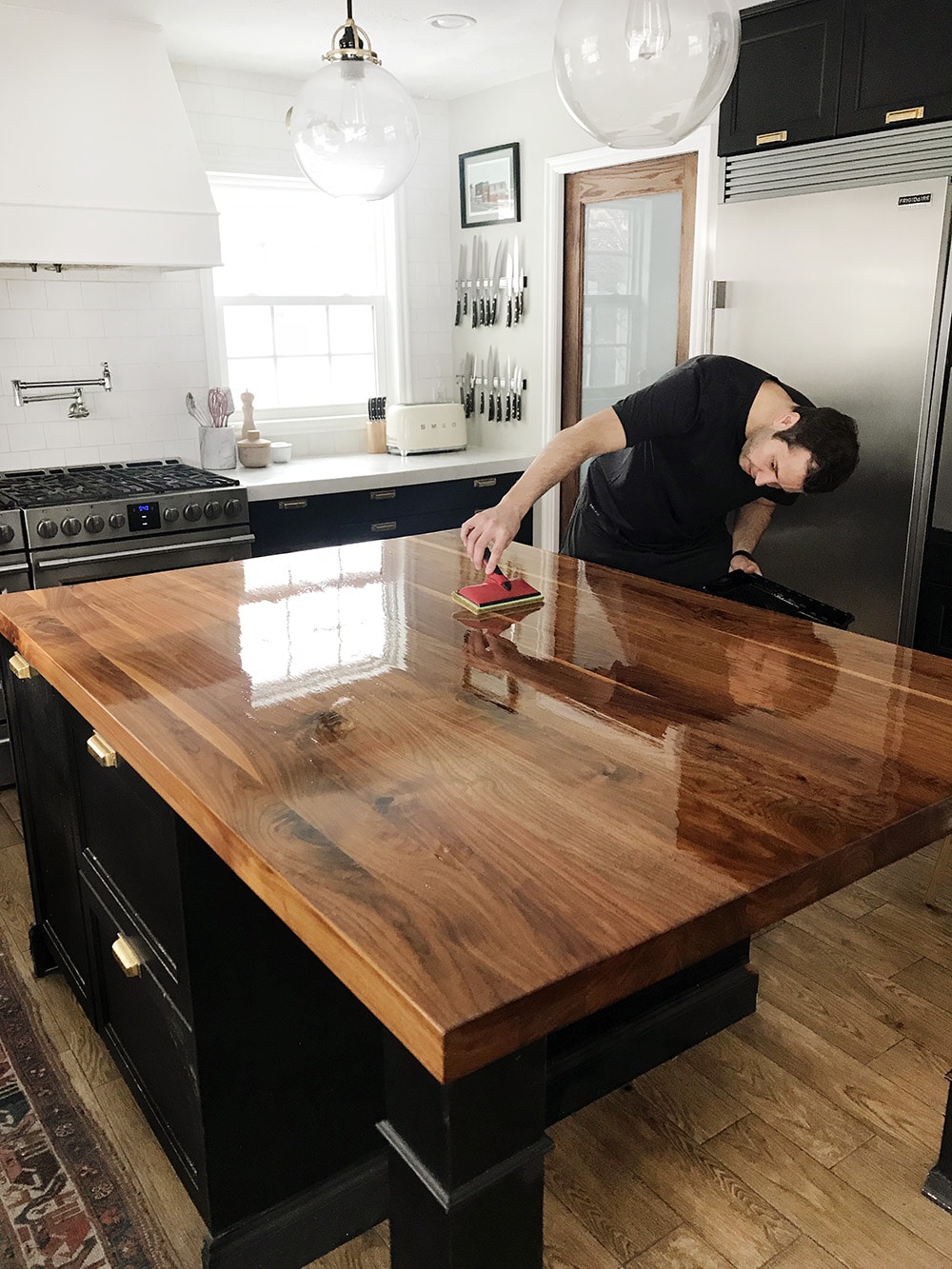
Start with a clean, dry countertop. Use a soft cloth or brush to apply the oil evenly. Work in small sections, rubbing the oil into the wood with circular motions. Let the oil soak for about 15 to 20 minutes. Wipe off any extra oil with a clean cloth to avoid sticky spots. Repeat the process until the wood no longer absorbs oil easily.
Drying And Recoating
Allow the oil to dry for at least 6 to 8 hours. Drying time depends on the type of oil and room temperature. After drying, check for dry spots or uneven areas. Apply a second coat for better protection if needed. Let the final coat dry fully before using the countertop. Regular reapplication keeps the wood nourished and protected over time.
Credit: chrislovesjulia.com
Using Varnish Or Polyurethane
Using varnish or polyurethane is a popular way to finish butcher block countertops. These finishes protect the wood from water, stains, and scratches. They also bring out the natural beauty of the wood grain. Choosing the right finish and applying it carefully will help your countertop last longer and look great.
Choosing The Right Product
Varnish and polyurethane have different features. Varnish is usually thinner and dries faster. It gives a smooth, shiny surface. Polyurethane is thicker and more durable. It resists heat and water better. For kitchen countertops, many prefer polyurethane for extra protection. You can choose between oil-based or water-based polyurethane. Oil-based lasts longer but has a stronger smell. Water-based dries quickly and cleans up easily.
Application Tips
Start with a clean and dry surface. Sand the butcher block lightly with fine-grit sandpaper. This helps the finish stick better. Use a high-quality brush or foam applicator for smooth coats. Apply thin, even layers to avoid drips and bubbles. Let each coat dry fully before adding the next. Usually, two to three coats give good protection. Sand lightly between coats for a smooth finish.
Avoiding Common Mistakes
Do not apply thick coats of finish. Thick layers can peel or crack later. Avoid rushing the drying time. Wet finish can trap dust and dirt. Skip using a brush with stiff bristles. It can leave marks on the surface. Do not forget to sand between coats. Skipping this step makes the finish rough. Proper ventilation is important to reduce fumes and speed drying.
Maintaining The Shine
Keeping your butcher block countertop shiny takes some effort but pays off. A well-maintained finish protects the wood and makes your kitchen look fresh. Small daily steps keep the surface smooth and bright. Repairing damage quickly also helps maintain the shine.
Regular Cleaning
Wipe the surface with a soft cloth daily. Use mild soap and warm water to clean dirt. Avoid harsh chemicals that can dull the finish. Dry the countertop completely after cleaning to prevent water spots. Regular cleaning stops grime from building up and dulling the shine.
Reapplying Finish
Apply a new coat of finish every few months. Lightly sand the surface first to remove old, worn finish. Use food-safe oil or wax designed for butcher blocks. Spread the finish evenly and let it soak in. Reapplying finish keeps the wood sealed and shiny.
Handling Stains And Scratches
Remove stains quickly with a gentle scrub and mild cleaner. For deep stains, try sanding the area lightly. Use fine-grit sandpaper to avoid damage. Fix scratches by rubbing the surface with oil or wax. Prompt care helps maintain a smooth, shiny countertop.
Preventing Damage
Finishing a butcher block countertop is not just about making it look good. It is also about protecting it. Damage can happen from daily use. Taking steps to prevent this keeps the wood strong and beautiful for years. Simple care makes a big difference in avoiding stains, cracks, and warping.
Heat And Moisture Protection
Heat can leave marks or cause the wood to crack. Always use trivets or hot pads under pots and pans. Avoid placing hot items directly on the surface. Moisture is another enemy. Wipe spills quickly to stop water from soaking in. Use a food-safe sealant to create a barrier against water and stains.
Cutting And Impact Safety
Cutting directly on the butcher block can dull knives and damage the wood. Use cutting boards to protect the surface. Dropping heavy objects can cause dents or cracks. Handle items carefully and avoid slamming cookware on the countertop. Regularly check for any signs of damage and fix small issues before they grow.
Seasonal Care Tips
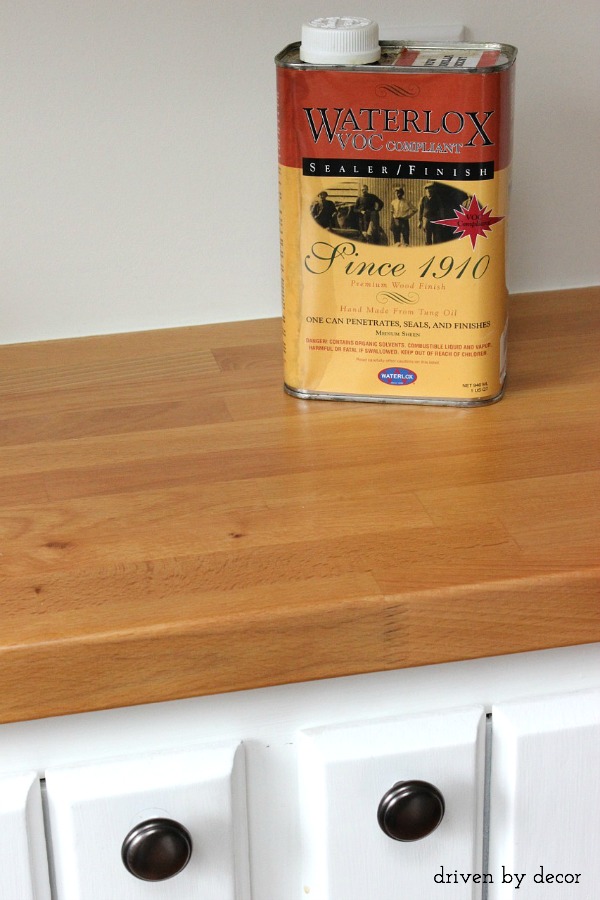
Wood expands and contracts with changes in temperature and humidity. This can cause warping or splitting. Apply oil treatments every few months to keep the wood hydrated. Keep the kitchen environment stable by using a humidifier in dry months and a dehumidifier in humid months. Store cleaning products away from the countertop to prevent chemical damage.
Credit: www.drivenbydecor.com
Frequently Asked Questions
How Do I Finish A Butcher Block Countertop?
To finish a butcher block countertop, sand it smoothly, then apply a food-safe oil or finish. Repeat oiling regularly for protection and shine.
What Type Of Finish Is Best For Butcher Blocks?
Food-safe mineral oil or beeswax is best. They protect wood without harmful chemicals, preserving the countertop’s natural look.
How Often Should I Reseal My Butcher Block Countertop?
Reseal your butcher block every 3 to 6 months. Frequent oiling prevents drying, cracking, and keeps the surface smooth and durable.
Can I Use Polyurethane On A Butcher Block Countertop?
Polyurethane is not recommended as it’s not food-safe. Use mineral oil or natural finishes designed specifically for butcher blocks instead.
Conclusion
Finishing your butcher block countertop takes care and patience. Choose the right finish to protect the wood and bring out its beauty. Apply oils or sealants evenly for the best results. Regular maintenance keeps the surface smooth and strong. A well-finished countertop lasts longer and looks great in any kitchen.
Enjoy the natural warmth and charm it adds to your home. Simple steps make a big difference in the final look. Take your time and treat your countertop well.