Last Updated on July 22, 2026
Have you ever wondered why a chef knife is considered the most important tool in the kitchen? Whether you’re a home cook or just starting out, understanding what a chef knife is used for can change the way you prepare your meals.
This one tool can make chopping, slicing, and dicing faster, easier, and even safer. Keep reading, and you’ll discover how mastering your chef knife can transform your cooking experience.
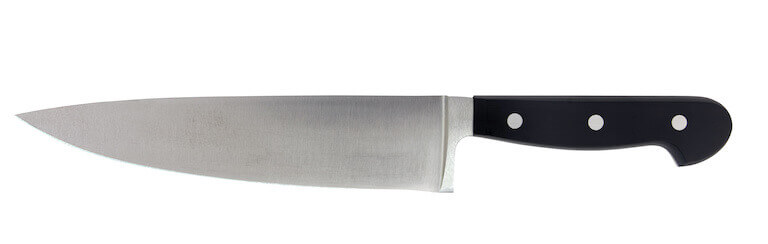
Credit: www.escoffier.edu
Purpose Of A Chef Knife
The chef knife is a key tool in any kitchen. It serves many purposes and makes cooking easier. Its design suits different tasks and types of food. Knowing its purpose helps cooks use it safely and effectively.
Versatility In The Kitchen
The chef knife can handle many jobs. It cuts, slices, chops, and dices with ease. This knife works well on vegetables, fruits, and meats. Its shape allows smooth, precise cuts. The blade is sharp and strong. This makes it suitable for tough ingredients and delicate ones alike.
Its size fits most hands well. This helps cooks maintain control. The knife is good for both large and small tasks. It replaces many other knives in the kitchen. This reduces clutter and saves space.
Common Cutting Tasks
The chef knife excels at chopping vegetables. It quickly cuts onions, carrots, and peppers. It also slices fruits like apples and melons. The sharp blade cuts through meat with ease. It can trim fat or cut steaks into pieces. The knife can crush garlic cloves by pressing the blade. It makes peeling and mincing easier too.
Chefs use it to prepare ingredients fast. It helps create even pieces for cooking. This ensures food cooks evenly and looks good on the plate. The chef knife is a reliable tool for everyday kitchen work.
Types Of Cuts With A Chef Knife
A chef knife is a versatile tool in the kitchen. It helps create many types of cuts for different recipes. Knowing these cuts improves cooking and food presentation. Each cut has a special use. Learning them makes cooking easier and faster.
Below are common types of cuts you can do with a chef knife.
Slicing Techniques
Slicing means cutting food into thin, even pieces. It works well for meats, vegetables, and fruits. Use a smooth, back-and-forth motion with the knife. Keep the slices consistent in thickness. This helps food cook evenly and look neat.
Dicing And Mincing
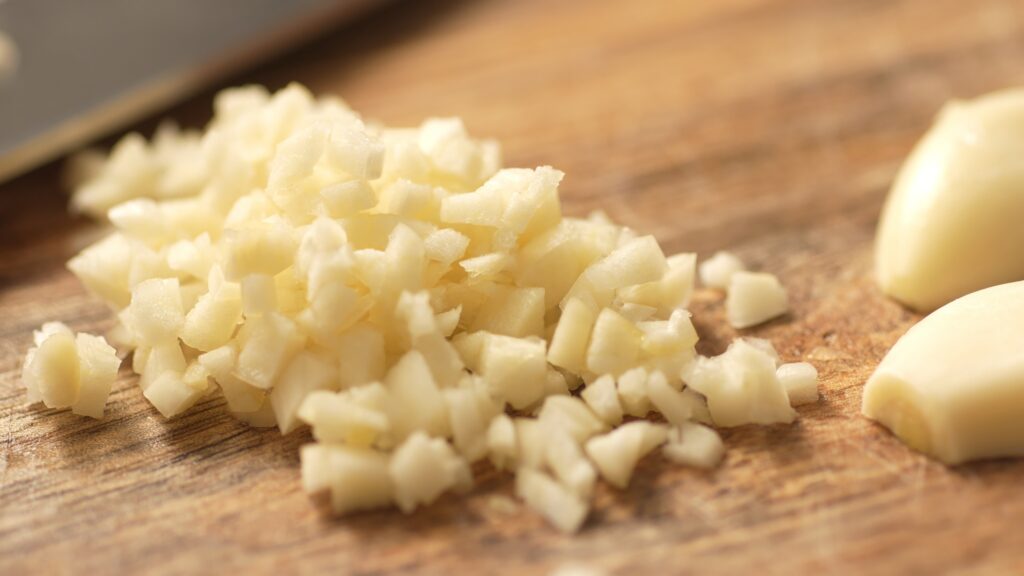
Dicing creates small, square pieces of food. It is common for onions, carrots, and peppers. Start by slicing food into strips, then cut across to make cubes. Mincing cuts food into very tiny pieces. It is great for garlic and herbs. Both cuts add texture and flavor to dishes.
Chopping And Crushing
Chopping means cutting food into rough, uneven pieces. It is quick and good for salads or stews. Use a straight up-and-down motion with the knife. Crushing uses the flat side of the knife blade. Press down to smash garlic or nuts. This releases flavor and makes cooking easier.
Choosing The Right Chef Knife
Choosing the right chef knife matters a lot. A good knife makes cooking easier and safer. It helps cut vegetables, meat, and herbs cleanly. The right knife feels good in your hand. It fits your cooking style and the tasks you do often. Understanding the key parts of a chef knife helps you pick the best one.
Blade Material And Quality
The blade material affects sharpness and how long it stays sharp. Stainless steel blades resist rust and stains. High-carbon steel blades hold a sharp edge longer. Some knives blend both for better results. Check for strong, durable steel to avoid quick dulling. A good blade cuts smoothly without tearing food.
Blade Size And Shape
Blade size changes how you handle the knife. Smaller blades are good for detailed work. Larger blades are better for big chopping jobs. Most chef knives are 6 to 10 inches long. The shape matters too. A curved blade helps rocking cuts. A straight blade fits slicing well. Choose what feels best for your cooking.
Handle Comfort And Grip
The handle should feel comfortable and secure. It stops your hand from slipping during use. Materials like wood, plastic, or metal offer different grips. Look for a handle that fits your hand size. A good grip reduces fatigue in long cooking sessions. Comfort and safety go hand in hand with a proper handle.
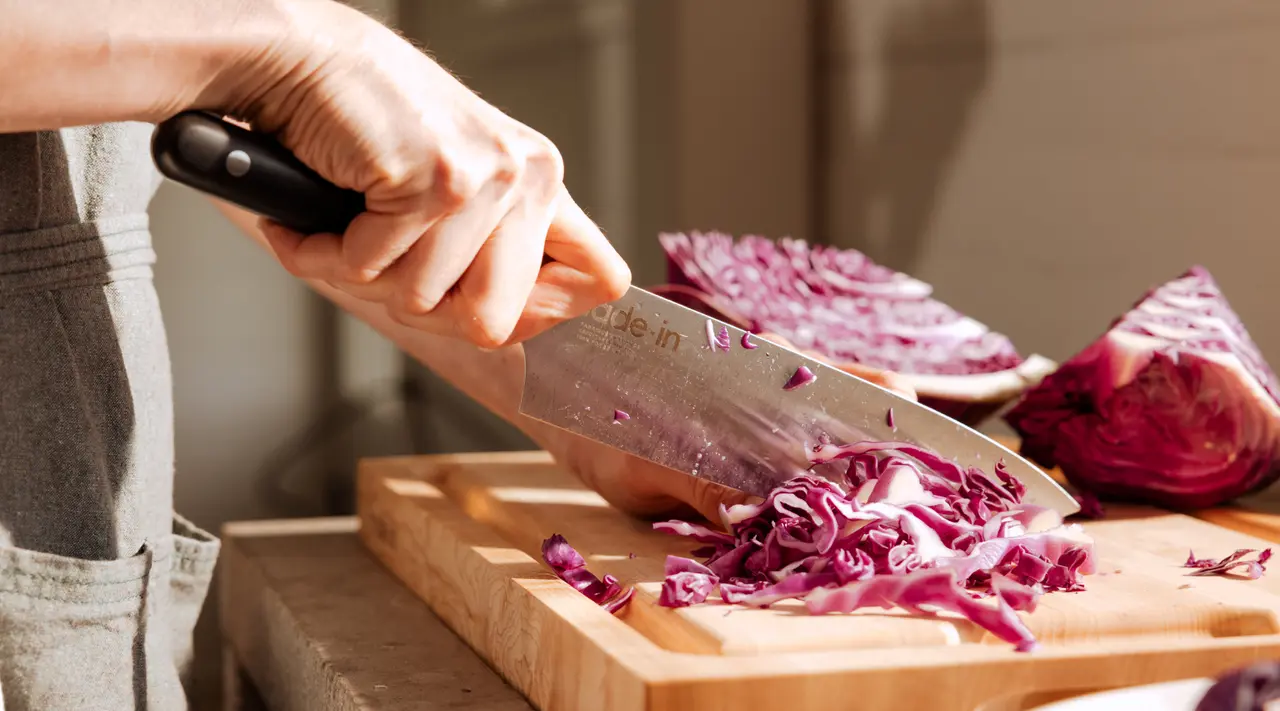
Credit: madeincookware.com
Maintaining Your Chef Knife
Maintaining your chef knife is key to keeping it sharp and safe. A well-kept knife cuts better and lasts longer. Simple care steps help avoid damage and reduce accidents in the kitchen. This section covers easy ways to sharpen, clean, and store your knife properly.
Sharpening Tips
Keep your knife sharp by honing it regularly. Use a honing steel before or after each use. For deeper sharpening, use a whetstone or a professional sharpener. Sharpen at a 15 to 20-degree angle for best results. Avoid electric sharpeners that can remove too much metal quickly.
Proper Cleaning And Storage
Wash your chef knife by hand with warm, soapy water. Avoid putting it in the dishwasher, which can dull the blade. Dry the knife immediately to prevent rust. Store the knife in a wooden block, magnetic strip, or blade guard. Proper storage protects the blade and keeps it safe from damage.
Safety Tips When Using A Chef Knife
Using a chef knife can make cooking easier and faster. Yet, it can also be dangerous if not handled correctly. Following safety tips helps protect your fingers and hands from cuts. Learning simple rules will keep your kitchen safe.
Proper Handling Techniques
Hold the knife firmly by the handle. Keep your fingers curled on the hand holding the food. This grip keeps fingers away from the blade. Cut using smooth, controlled motions. Avoid forcing the knife through food. Let the sharp blade do the work. Always cut on a stable surface like a cutting board. Never use a dull knife; it can slip and cause injury.
Avoiding Common Injuries
Keep your eyes on the knife while cutting. Do not rush through chopping or slicing. Store knives safely in a block or sheath. Never leave knives loose in a drawer. Clean knives carefully by hand, not in a dishwasher. Pass a knife by offering the handle, not the blade. Teach children the risks and proper use of knives. Follow these steps to reduce accidents in your kitchen.

Credit: www.lecreuset.ca
Frequently Asked Questions
What Is The Primary Use Of A Chef Knife?
A chef knife is mainly used for chopping, slicing, and dicing various foods. It handles vegetables, fruits, and meats efficiently.
Can A Chef Knife Be Used For Cutting Meat?
Yes, a chef knife is ideal for cutting meat. It allows precise slicing and trimming of different meat types.
How Does A Chef Knife Differ From Other Kitchen Knives?
A chef knife has a broad, sharp blade designed for versatility. It combines slicing, chopping, and mincing functions in one tool.
Is A Chef Knife Suitable For Beginners?
Yes, a chef knife is beginner-friendly. Its ergonomic design and balanced weight make cutting tasks easier and safer for new cooks.
Conclusion
A chef knife serves many kitchen tasks with ease. It chops, slices, and dices fruits, vegetables, and meats. This tool helps prepare meals faster and with better results. Owning a good chef knife makes cooking more enjoyable. Practice using it safely to improve your skills.
Choose one that feels comfortable in your hand. Keep it sharp for the best performance. A chef knife is a must-have for every home cook. Simple, reliable, and useful every day.