Last Updated on July 22, 2026
Choosing the right knife can change the way you cook. When you hear “Gyuto” and “Chef Knife,” you might wonder which one suits your kitchen best.
Both knives look similar but have unique features that affect your cutting, chopping, and slicing experience. If you want to make your cooking easier and more enjoyable, understanding the difference between these two is key. Keep reading, and you’ll discover which knife fits your style and helps you create delicious meals with confidence.
Origins And History
The origins and history of the Gyuto and Chef knife show their unique backgrounds. Both knives are essential in kitchens worldwide. They share a similar purpose but come from different cultures. Their designs reflect the cooking styles and traditions of their regions.
Japanese Roots Of Gyuto
The Gyuto knife is a Japanese creation. It first appeared in the 20th century. Its design is inspired by traditional samurai swords. The blade is thin and sharp, perfect for precise cuts.
Gyuto means “beef-sword” in Japanese. It was originally made for slicing meat. Over time, chefs began using it for vegetables and fish too. The knife balances sharpness with durability. It suits the delicate and fast nature of Japanese cooking.
Western Evolution Of Chef Knife
The Chef knife has a long history in Europe. It evolved from knives used by butchers and cooks centuries ago. The design is broader and heavier than the Gyuto. This made it good for chopping and heavy-duty tasks.
European chefs needed a versatile knife for many foods. The curved blade helps with a rocking cutting style. This knife adapted to different cooking methods across countries. It remains a kitchen staple in Western cooking.
Blade Design And Shape
The blade design and shape play a big role in how a knife feels and works. These features affect cutting style, control, and precision. Both Gyuto and Chef knives have unique blade designs that suit different kitchen tasks. Understanding these differences helps you pick the right knife for your needs.
Blade Profile Differences
Gyuto knives have a thinner, longer blade. The blade curves gently from heel to tip. This shape allows smooth slicing and rocking cuts. Chef knives usually have a wider blade. The curve is more pronounced near the tip. This design helps with chopping and heavy-duty cutting.
The Gyuto’s slimmer profile aids in delicate cuts. The Chef knife’s broader blade offers more strength. Both designs balance sharpness and durability differently.
Edge Angles And Sharpness
Gyuto knives often have a sharper edge angle. This angle is usually between 12 to 15 degrees per side. It creates a very fine, precise edge. Chef knives have a wider edge angle. Commonly, it ranges from 15 to 20 degrees per side. This angle makes the edge tougher and more durable.
The sharper edge of a Gyuto allows for cleaner, thinner cuts. The Chef knife’s edge is better for chopping through tougher foods. Both knives keep sharpness, but with different focuses on precision and strength.
Blade Material And Construction
The blade material and construction play a big role in the performance of Gyuto and Chef knives. Both types of knives rely on strong materials and smart design to cut well and last long. Understanding these differences helps in choosing the right knife for your kitchen.
Steel Types Used
Gyuto and Chef knives often use different steel types. High-carbon stainless steel is common for both. It stays sharp longer and resists rust. Some Gyuto knives use softer steel for easier sharpening. Chef knives may use harder steel for better edge retention. The choice of steel affects sharpness, durability, and maintenance. Each steel type fits different cooking needs and skills.
Forged Vs Stamped Blades
Gyuto knives usually have forged blades. Forging means shaping the blade by heating and hammering. This process makes the blade strong and balanced. Forged blades are thicker and heavier. They offer better control and durability. Chef knives can be forged or stamped. Stamped blades are cut from flat steel sheets. They are lighter and less expensive. Stamped knives are easier to handle but may wear faster. The choice depends on budget and cutting style.

Credit: www.koiknives.com
Handle Styles And Ergonomics
Handle styles and ergonomics play a big role in how a knife feels during use. The comfort and control you get can affect your chopping speed and safety. Both Gyuto and chef knives have different handle designs. These differences help cater to various cooking styles and personal preferences.
Understanding handle materials and grip comfort helps you pick the best knife for your kitchen. Let’s explore what each knife offers in these areas.
Handle Materials
Gyuto knives often use traditional Japanese materials like pakkawood or magnolia wood. These materials feel smooth and light. They give a natural grip that many chefs enjoy.
Chef knives tend to have handles made from stainless steel, plastic, or composite materials. These handles are durable and easy to clean. Some even come with textured surfaces for extra grip.
Wood handles look nice but need more care. Synthetic handles are low maintenance and resistant to water damage.
Grip Comfort And Control
Gyuto handles usually have a round or octagonal shape. This design fits well in the hand and allows precise control. It helps reduce hand fatigue during long cutting sessions.
Chef knife handles often feature a full tang and rivets. This design adds weight and balance. A heavier handle may offer more power but less finesse.
Both knives aim to provide a secure grip. The choice depends on your hand size and cutting style. Trying each handle helps find the best fit for your needs.
Performance In The Kitchen
Performance in the kitchen defines how well a knife handles daily cooking tasks. Both the Gyuto and the Chef knife excel, but in different ways. Understanding their strengths helps choose the right blade for your needs.
Each knife offers unique benefits in cutting, slicing, and chopping. Their design impacts precision and ease of use during food preparation.
Cutting Techniques
The Gyuto blade is thin and sharp, perfect for delicate slicing. It moves smoothly through meat and vegetables with a gentle rocking motion. This style reduces effort and keeps cuts clean.
The Chef knife has a wider blade, ideal for chopping and dicing. It works well with a chopping motion, handling tougher foods like root vegetables easily. The strong tip helps with piercing tasks.
Versatility For Tasks
The Gyuto is versatile but shines with precision tasks. It handles thin slicing and fine cuts well. Great for fish, poultry, and herbs.
The Chef knife covers a broad range of kitchen jobs. It chops, slices, and minces with ease. Its sturdy build suits heavier ingredients and larger portions.

Credit: ubaahaus.co.uk
Maintenance And Durability
Maintenance and durability play a big role in choosing between a Gyuto and a Chef Knife. Both knives need care to stay sharp and last long. Their construction affects how often you sharpen them and how well they resist rust. Understanding these factors helps keep your knife in top shape.
Sharpening Needs
Gyuto knives often have a thinner, harder blade. This means they hold their sharp edge longer. But when they do need sharpening, it requires more skill. Chef knives usually have a thicker blade. They may need sharpening more often but are easier to sharpen at home. Regular sharpening keeps both knives cutting smoothly and safely.
Rust Resistance And Longevity
Gyuto knives often use high-carbon steel, which can rust if not dried well. Proper cleaning and drying after use prevent rust. Chef knives often use stainless steel, which resists rust better. This makes them easier to maintain for beginners. Both knives last long with proper care, avoiding moisture and storing safely.
Price And Value
Price and value play a big role when choosing between a Gyuto and a Chef knife. Both knives serve similar purposes but differ in cost and what you get for your money. Understanding these differences helps you pick the right tool for your kitchen.
Cost Range Comparison
Gyuto knives often cost more than standard Chef knives. This is due to their Japanese craftsmanship and special steel. Chef knives come in a wide price range, from budget to high-end models. You can find a good Chef knife for less money than a Gyuto. Yet, top-quality Chef knives can also be pricey.
Investment Worthiness
Gyuto knives may last longer with proper care. Their sharpness and balance offer great cutting precision. This makes them worth the higher price for serious cooks. Chef knives provide good value for everyday use. They are easier to find and often more versatile. Consider how often you cook and your skill level before buying.
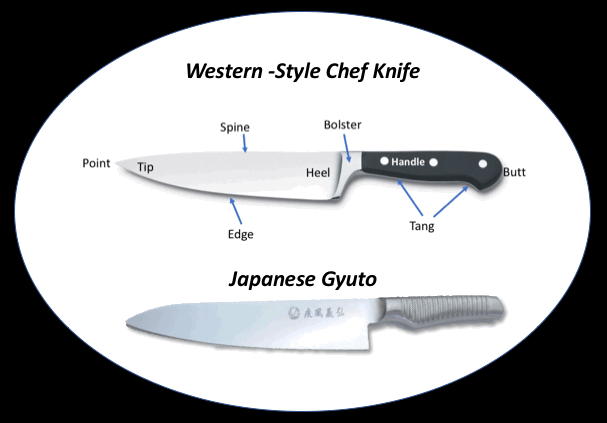
Credit: www.theculinarypro.com
Choosing The Right Knife
Choosing the right knife is key to a smooth cooking experience. The right knife feels good in your hand. It helps you cut safely and quickly. Both the Gyuto and Chef knife have strengths. Picking one depends on your needs and habits.
Skill Level Considerations
Beginners may find the Chef knife easier to handle. Its wide blade offers more control. The Gyuto is lighter and sharper. It suits cooks who have steady hands. Practice improves skill with either knife. Start with what feels comfortable.
Personal Cooking Style
Think about the food you prepare most. The Gyuto is great for fine slicing and delicate tasks. The Chef knife excels at chopping vegetables and meats. Your cutting style matters too. The Gyuto suits a rocking motion. The Chef knife fits a chopping action. Choose the knife that matches your daily cooking.
Frequently Asked Questions
What Is The Main Difference Between Gyuto And Chef Knives?
The Gyuto is a Japanese-style knife designed for precision and lighter cutting. Chef knives are Western-style, heavier, and versatile for various kitchen tasks.
Which Knife Is Better For Professional Chefs, Gyuto Or Chef Knife?
Gyutos are preferred for delicate slicing and fine work. Chef knives excel in heavy-duty chopping and all-purpose kitchen use.
Are Gyuto Knives Sharper Than Traditional Chef Knives?
Yes, Gyutos typically have a sharper edge due to harder steel and precise Japanese craftsmanship. This allows cleaner, more precise cuts.
Can I Use A Gyuto Knife For All Cooking Tasks?
Gyutos are versatile but excel in slicing and dicing. For tougher jobs, a heavier chef knife might be more effective.
Conclusion
Choosing between a Gyuto and a Chef knife depends on your cooking style. Both knives cut well and feel good in hand. Gyuto knives often have thinner blades for precise slicing. Chef knives are usually thicker and strong for heavy tasks.
Think about the foods you cook and how you like to cut them. A good knife makes cooking easier and more fun. Try both if you can. Find the one that fits your kitchen best. Your choice will help you cook with more confidence every day.