Last Updated on July 25, 2026
When it comes to choosing tiles or dishware, you might find yourself stuck between porcelain and ceramic. Both look similar, but making the right choice can save you money and frustration.
You want something durable, easy to clean, and that fits your style perfectly. This article will clear up the confusion and help you understand the key differences, so you can decide which material suits your needs best. Keep reading to make a confident choice for your home or project.
Porcelain Tile Basics
Porcelain tiles are popular choices for floors and walls. They offer durability and a clean look. Understanding the basics helps in choosing the right tile for your space.
Materials And Composition
Porcelain tiles are made from fine clay and other natural materials. These materials are mixed with water to create a dense, smooth paste. The clay is refined to remove impurities. This makes porcelain tiles harder than regular ceramic tiles.
Manufacturing Process
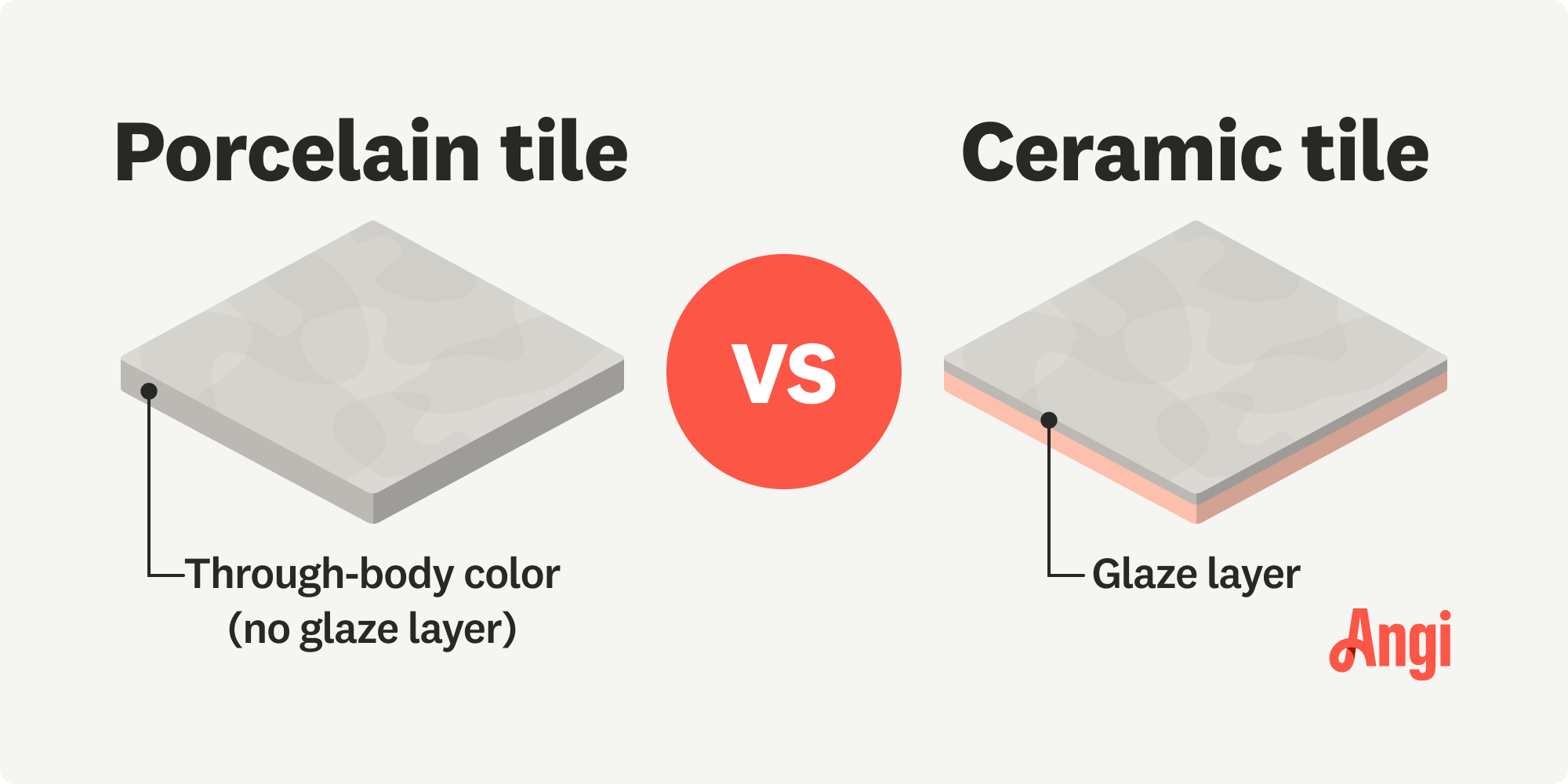
The paste is shaped into tiles using molds. Tiles are then dried to remove moisture. After drying, they are fired in a kiln at very high temperatures. This firing makes porcelain tiles strong and water-resistant. Some tiles receive a glaze for extra protection and color.
Common Uses
Porcelain tiles suit areas with heavy foot traffic. They are common in kitchens, bathrooms, and hallways. Their water resistance makes them ideal for wet areas. Porcelain tiles also work well outdoors due to their durability.
Ceramic Tile Essentials
Ceramic tiles are a popular choice for many homes and buildings. They offer a mix of style, durability, and cost-effectiveness. Understanding the basics of ceramic tiles helps in making the right choice for your space.
This section breaks down the essentials of ceramic tiles, covering their materials, how they are made, and where they are commonly used.
Materials And Composition
Ceramic tiles are made from natural clay, sand, and water. These raw materials give the tile strength and shape. Sometimes, small amounts of other minerals are added to improve the tile’s properties. The surface can be glazed or left unglazed, affecting the tile’s appearance and texture.
Manufacturing Process
First, the raw materials are mixed and shaped into tiles. Then, they are dried to remove moisture. After drying, the tiles go into a kiln for firing at high temperatures. This firing hardens the tile and makes it strong. Glazed tiles receive a glass-like coating before the final firing.
Common Uses
Ceramic tiles are often used in kitchens, bathrooms, and floors. They handle moisture well, making them ideal for wet areas. Walls, backsplashes, and sometimes outdoor spaces also feature ceramic tiles. Their variety of colors and designs fits many decor styles.
Durability And Strength
Durability and strength are key factors when choosing between porcelain and ceramic tiles. Both materials have unique properties that affect their lifespan and performance. Understanding these differences helps you pick the right option for your needs.
Resistance To Wear And Tear
Porcelain tiles are denser and harder than ceramic tiles. This makes them more resistant to chipping and cracking. Porcelain handles heavy foot traffic better. Ceramic tiles may wear down faster in busy areas. For spaces with lots of movement, porcelain is often the stronger choice.
Water Absorption Rates
Porcelain tiles absorb less water than ceramic tiles. They have a water absorption rate below 0.5%. Ceramic tiles absorb more water, usually between 3% and 7%. Low absorption means porcelain resists moisture damage better. This makes porcelain ideal for bathrooms and kitchens. Ceramic tiles work well in dry areas.
Scratch And Stain Resistance
Porcelain tiles offer higher scratch resistance due to their hardness. They resist stains and are easier to clean. Ceramic tiles can scratch more easily and may stain if not sealed properly. For surfaces exposed to spills and scratches, porcelain is a safer pick. Ceramic requires more care to maintain its look.
Credit: www.angi.com
Design And Appearance
Design and appearance play a big role in choosing between porcelain and ceramic. These materials offer different looks and styles. Your choice affects the mood and feel of any room. Both have strong visual appeal but vary in details like color, texture, and finish.
Color And Texture Options
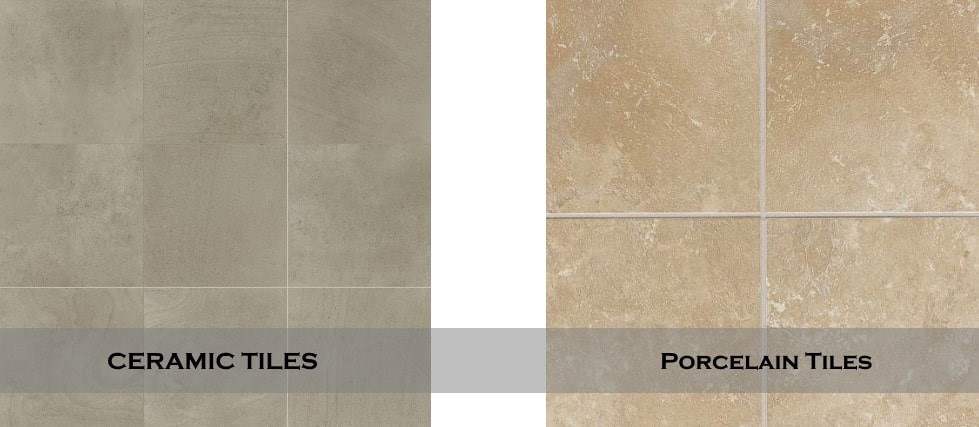
Porcelain tiles have rich, deep colors. They often show more natural patterns. Ceramic tiles come in many bright colors. Their texture can be smooth or slightly rough. Both materials mimic stone, wood, or other surfaces well. This variety helps match many design themes.
Finish Types
Porcelain usually has a smooth, glossy finish. It can also have a matte or polished look. Ceramic offers glossy, matte, and satin finishes. Some ceramic tiles have a textured surface for grip. Finish type affects the tile’s shine and feel. It also impacts cleaning and maintenance.
Customization Possibilities
Porcelain tiles can be shaped into many sizes and forms. They support detailed designs and patterns. Ceramic tiles are easy to decorate with colors and prints. Both materials allow custom shapes for unique designs. This flexibility makes them good for creative projects.
Installation Considerations
Installing porcelain and ceramic tiles needs careful planning. Each type has unique demands that affect the process. Proper installation ensures durability and a great look.
Surface Preparation
Start with a clean, dry, and flat surface. Remove old adhesives, dirt, and grease. Porcelain tiles need a very smooth base because they are dense and less flexible. Ceramic tiles can handle minor surface imperfections but still require proper leveling. Check for cracks or holes and fix them before installation.
Cutting And Handling
Porcelain tiles are harder and denser, making cutting tougher. Use a wet saw with a diamond blade for clean cuts. Ceramic tiles are softer and easier to cut with standard tile cutters. Handle both tile types carefully to avoid chipping. Wear safety glasses and gloves during cutting.
Grout And Adhesive Choices
Choose the right adhesive for each tile. Porcelain needs a stronger, polymer-modified thin-set mortar. Ceramic works well with standard thin-set adhesives. Select grout that matches the tile’s porosity. Use epoxy grout for porcelain in high-moisture areas. Cementitious grout suits ceramic tiles in dry spaces.
Maintenance And Care
Taking care of porcelain and ceramic items keeps them looking fresh and lasting longer. Both materials need gentle handling and proper cleaning. Small habits help avoid damage and maintain beauty over time.
Cleaning Methods
Use a soft cloth or sponge for cleaning porcelain and ceramic. Warm water with mild soap works best. Avoid harsh chemicals or abrasive cleaners. These can scratch or dull the surface. Rinse well and dry with a soft towel.
Preventing Damage
Handle porcelain and ceramic with care to prevent chips and cracks. Avoid dropping or banging against hard surfaces. Use protective pads under heavy items. Keep them away from extreme heat or sudden temperature changes.
Longevity Tips
Regular dusting helps maintain shine and prevents buildup. Store items in safe places, away from heavy traffic areas. Check for small cracks or chips and fix them early. Proper care extends the life of both materials significantly.
Cost Comparison
Comparing the cost of porcelain and ceramic tiles helps you choose the best option for your budget. Both materials have different price points depending on quality and style. Understanding the cost factors can save you money and time in the long run.
Material Costs
Porcelain tiles usually cost more than ceramic tiles. This is because porcelain is denser and harder to make. Ceramic tiles are cheaper but may not last as long. Prices vary by brand, size, and design.
Installation Expenses
Porcelain tiles need special tools and skills for installation. This can make labor costs higher. Ceramic tiles are easier to cut and install, lowering labor fees. Installation costs depend on the surface and tile type.
Long-term Value
Porcelain tiles resist stains and scratches better than ceramic. They last longer, reducing replacement costs. Ceramic tiles may need repairs or replacement sooner. Choosing porcelain can save money over time despite initial costs.
Credit: www.warmup.com
Best Applications For Each Tile
Choosing between porcelain and ceramic tiles depends on where you want to use them. Each type has strengths that fit certain spaces better. Knowing the best place for each tile helps you get the most from your floors and walls.
Indoor Spaces
Ceramic tiles work great indoors. They suit kitchens, bathrooms, and living rooms well. Ceramic tiles offer many colors and patterns. They are easy to clean and keep looking good. Porcelain tiles also fit indoor spaces, especially where moisture is high. Bathrooms and kitchens benefit from porcelain’s water resistance.
Outdoor Use
Porcelain tiles are ideal for outdoor areas. They resist frost and heavy rain better than ceramic. Porcelain’s density makes it strong against weather changes. Patios, walkways, and pool surrounds often use porcelain. Ceramic tiles can crack outside due to moisture and cold.
High-traffic Areas
Porcelain tiles handle heavy foot traffic well. They resist scratches and wear longer than ceramic. Places like hallways, entryways, and commercial spaces suit porcelain tiles. Ceramic tiles may chip or crack under constant use. Porcelain offers durability without losing style.
Environmental Impact
Choosing between porcelain and ceramic means thinking about their impact on nature. Both materials affect the environment in different ways, from how they are made to how they can be reused. Understanding these effects helps make better choices for a greener future.
Sustainability Factors
Porcelain is made from fine clay and fired at very high temperatures. This process uses more energy but creates a dense, long-lasting product. Ceramic uses less energy to produce but may not last as long. Longer life means less waste over time.
Both materials come from natural clay, which is abundant. Still, mining clay can disturb the earth. Choosing products made with sustainable clay sources reduces harm.
Recyclability
Porcelain and ceramic are not easy to recycle like glass or metal. Broken pieces often end up in landfills. Some companies crush old tiles to use as gravel or fill material. This helps reduce waste but is not common everywhere.
Reusing whole tiles in new projects is better for the environment. It avoids the need for new materials and reduces landfill waste.
Energy Consumption
Porcelain requires very high heat to fire, using more energy than ceramic. This energy often comes from fossil fuels, which add to pollution. Ceramic firing needs less heat, so it saves energy.
Choosing ceramic can lower your carbon footprint during production. Still, porcelain’s durability means fewer replacements and less energy over time.
Making The Right Choice
Choosing between porcelain and ceramic tiles can feel tricky. Both have strong points and suit different needs. Understanding key factors helps you pick the best tile for your home. Consider your lifestyle, budget, and style preferences carefully. This approach makes the decision clear and stress-free.
Matching Tiles To Lifestyle
Think about how much foot traffic your space gets. Porcelain tiles resist scratches and stains better. They suit busy areas like kitchens and hallways. Ceramic tiles work well in low-traffic rooms. Also, consider moisture levels. Porcelain is more water-resistant, ideal for bathrooms. Ceramic fits dry areas like bedrooms.
Budget Considerations
Ceramic tiles usually cost less than porcelain. Installation costs for porcelain might be higher. Porcelain tiles need special tools and skills to cut. Balancing quality and price is important. Choose porcelain for durability if budget allows. Ceramic tiles offer a good look at a lower price.
Aesthetic Preferences
Porcelain tiles come in many colors and finishes. They can mimic natural stone or wood closely. Ceramic tiles also offer diverse designs but may look less refined. Porcelain provides a sleek, modern look. Ceramic offers a classic, warm feel. Pick the tile that matches your home’s style best.

Credit: www.angi.com
Frequently Asked Questions
What Is The Main Difference Between Porcelain And Ceramic?
Porcelain is denser, less porous, and fired at higher temperatures than ceramic. This makes porcelain stronger and more water-resistant. Ceramic is more porous, softer, and often less expensive. Both are made from clay but differ in composition and durability.
Which Is More Durable: Porcelain Or Ceramic Tiles?
Porcelain tiles are generally more durable due to their dense and hard composition. They resist chipping and moisture better than ceramic. Ceramic tiles are durable too but are more prone to cracks and wear over time, especially in high-traffic areas.
Are Porcelain Tiles More Expensive Than Ceramic?
Yes, porcelain tiles typically cost more due to their manufacturing process and durability. They require higher firing temperatures and finer clay, increasing production costs. Ceramic tiles are usually more affordable and widely available, making them a budget-friendly choice.
Can Porcelain And Ceramic Be Used Interchangeably?
They can be used interchangeably in many cases, but porcelain suits high-moisture and high-traffic areas better. Ceramic works well in low-traffic and dry spaces. Choosing depends on your specific needs, budget, and desired aesthetic.
Conclusion
Porcelain and ceramic both offer unique benefits for your home. Porcelain is stronger and less porous, making it ideal for high-traffic areas. Ceramic tends to be more affordable and easier to cut. Your choice depends on your budget and needs.
Consider durability, style, and where you plan to use it. Both materials bring beauty and function to any space. Choose wisely to enjoy long-lasting and attractive surfaces. Simple decisions lead to great results.