Last Updated on July 26, 2026
Have you ever paused at the dining table, wondering exactly where to place your fork? It might seem like a small detail, but knowing what side of the plate the fork goes on can make a big difference.
Whether you’re hosting a dinner or attending a formal event, this simple tip can boost your confidence and impress those around you. Keep reading, and you’ll learn the easy rule that will have you setting the table like a pro in no time.
Fork Placement Basics
Knowing where to place your fork is a small but important part of dining etiquette. Proper fork placement shows respect and helps your meal go smoothly. This guide covers the basics of fork placement at the table.
Standard Table Settings
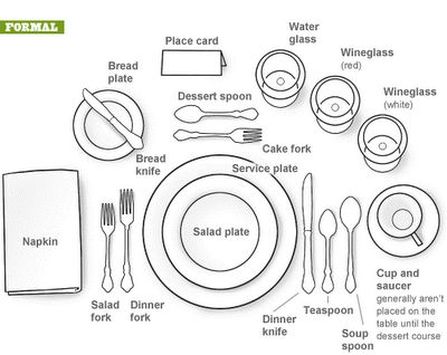
In most Western settings, the fork goes on the left side of the plate. The knife and spoon sit on the right. This setup makes it easy to use the fork with your left hand and the knife with your right. For formal meals, forks are placed in the order of use, from the outside in. Salad forks are usually smaller and placed to the left of the main fork.
Cultural Variations
Different cultures may place forks differently. In some European countries, the fork stays in the left hand throughout the meal. In the United States, people often switch the fork to the right hand after cutting. In Asian countries, forks might not be used at all, or they are paired with chopsticks. Knowing these differences helps avoid confusion and shows cultural awareness.

Credit: www.allplanttraining.co.uk
Formal Dining Etiquette
Formal dining follows specific rules to show respect and good manners. Knowing where to place your fork is part of this tradition. It helps create a neat, organized table setting. This guide explains the fork’s place and use during formal meals.
Forks For Different Courses
Each fork has a purpose depending on the course served. Salad forks are smaller and usually placed on the outer left side. Dinner forks are larger and sit closer to the plate. Dessert forks may be set above the plate or brought in with dessert. Using the correct fork shows attention to detail and respect for the meal.
Proper Handling And Placement
Hold the fork with your fingers, not your whole hand. Use the fork in your left hand to eat, unless using the American style. When resting, place the fork on the plate with tines down. After finishing, put the fork and knife together diagonally on the plate. This signals you have completed your meal politely.
Casual And Informal Settings
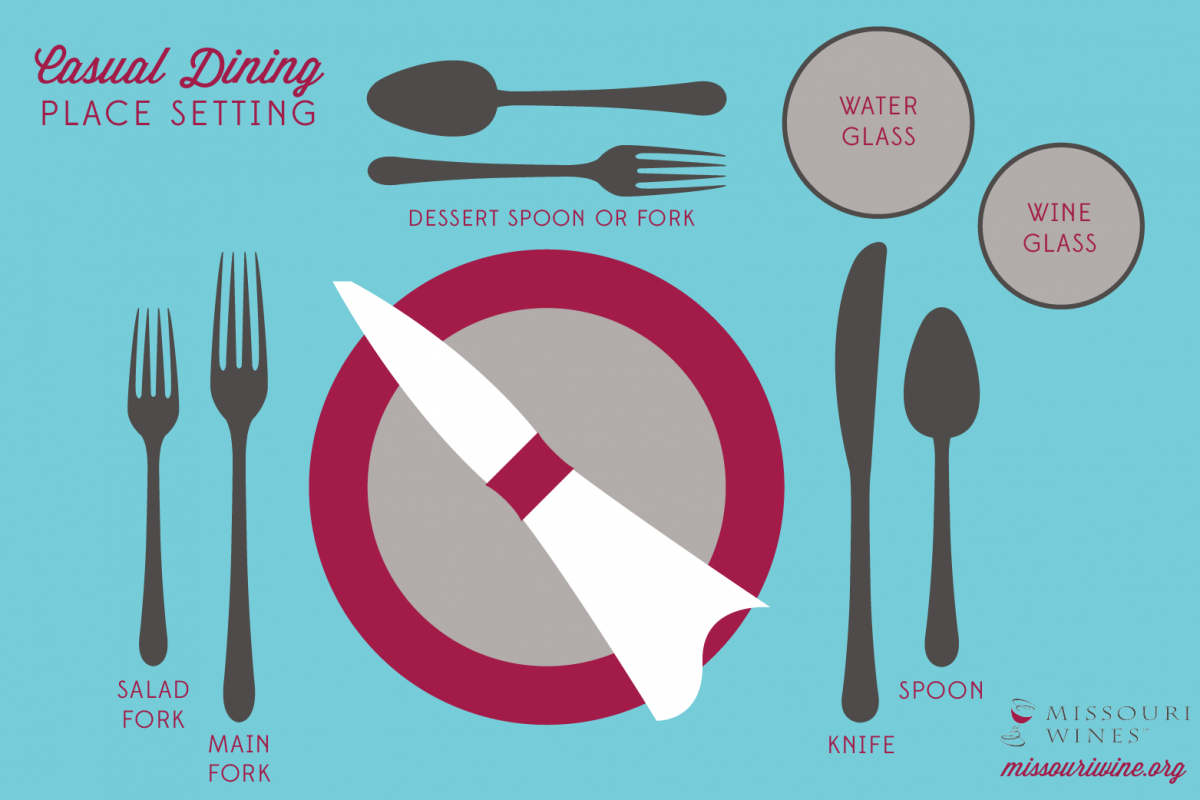
Casual and informal settings are relaxed and comfortable. These settings often include family dinners, picnics, or friendly gatherings. The focus is on enjoying the meal and company, not strict rules. Table manners matter less here, but some basic etiquette still helps.
Common Practices
In casual meals, the fork usually goes on the left side of the plate. This placement matches the knife on the right side. People often place the fork down when not eating. Sometimes, the fork rests on the plate itself. This keeps the table tidy and signals a pause.
When Rules Can Be Flexible
In informal settings, fork placement can change. Some people place the fork on the right if they are left-handed. At buffets, forks might be placed on plates or napkins. Guests may hold the fork in the hand they find most comfortable. Flexibility helps everyone feel at ease during the meal.
Credit: missouriwine.org
Special Considerations
Special dining situations can change where the fork goes on the plate. Different meal settings and cultures have unique rules. Understanding these helps you feel comfortable and polite.
Buffet And Family Style Meals
In buffet or family style meals, guests serve themselves. Forks often stay on the left side of the plate. This keeps the right hand free for serving food.
After serving, people place the fork on the plate’s left side. It signals the meal continues. When finished, forks rest together on the plate.
International Dining Customs
Dining customs vary worldwide. In many European countries, the fork stays on the left. In the United States, it may switch sides during the meal.
In some Asian cultures, chopsticks replace forks. Here, forks might be placed differently or not used at all. Knowing local customs avoids mistakes and shows respect.
Troubleshooting Common Questions
Many people wonder about the correct side for placing a fork. This question often causes confusion at the dining table. Knowing the right placement helps create a neat and polite setting.
Some dining situations bring unique challenges. This section answers common questions about fork placement.
Left-handed Diners
Forks usually go on the left side of the plate. This is because most people use their left hand for the fork. Left-handed diners may find this tricky.
Left-handed diners can still follow the same rule. The fork stays on the left side. You can hold the fork in your left hand comfortably.
Some left-handed people switch the fork to the right side. This is okay at casual meals. Formal settings often keep the fork on the left.
Unusual Tableware Arrangements
Some tables use different styles of tableware. Forks might not always be on the left. This happens with special events or cultural traditions.
In some cultures, fork placement varies. The fork might be on the right or even above the plate. The best approach is to watch the host’s setup.
For unusual setups, follow the fork arrangement you see. Do not move items yourself. This shows respect for the event and culture.
Credit: www.tapuzstaffing.com
Frequently Asked Questions
Which Side Of The Plate Does The Fork Go On?
The fork is placed on the left side of the plate. This is the standard setting in Western dining etiquette. It keeps the table organized and easy to use during meals.
Why Is The Fork Placed On The Left Side?
Fork placement on the left aligns with traditional etiquette. Most people are right-handed, so knives go on the right. This setup allows smooth, efficient use of utensils.
Does Fork Placement Differ By Country Or Culture?
Yes, fork placement can vary internationally. Western countries place forks left, knives right. Some cultures have unique customs, but left-side fork placement is widely accepted.
How To Set A Formal Table With Forks?
For formal settings, place forks on the left side. Arrange them in order of use, from the outermost to the plate. This guides diners through the meal.
Conclusion
The fork usually goes on the left side of the plate. This is the most common and accepted way. It helps keep the table setting neat and organized. Knowing this small detail shows good manners. It makes meals more comfortable and enjoyable for everyone.
Simple rules like this can make a big difference. Try to remember it for your next meal. It will help you feel more confident at the table. A little practice makes it easy and natural.