Last Updated on July 26, 2026
Have you ever wondered what the tiny symbols or letters stamped on your silver flatware actually mean? Those marks hold the key to your pieces’ history, value, and authenticity.
Understanding sterling flatware marks can help you spot genuine silver, avoid costly mistakes, and even uncover stories from the past. If you want to make confident choices when buying or selling silverware, this guide is made just for you. Keep reading to unlock the secrets behind those mysterious marks and learn how they can protect and enhance your collection.
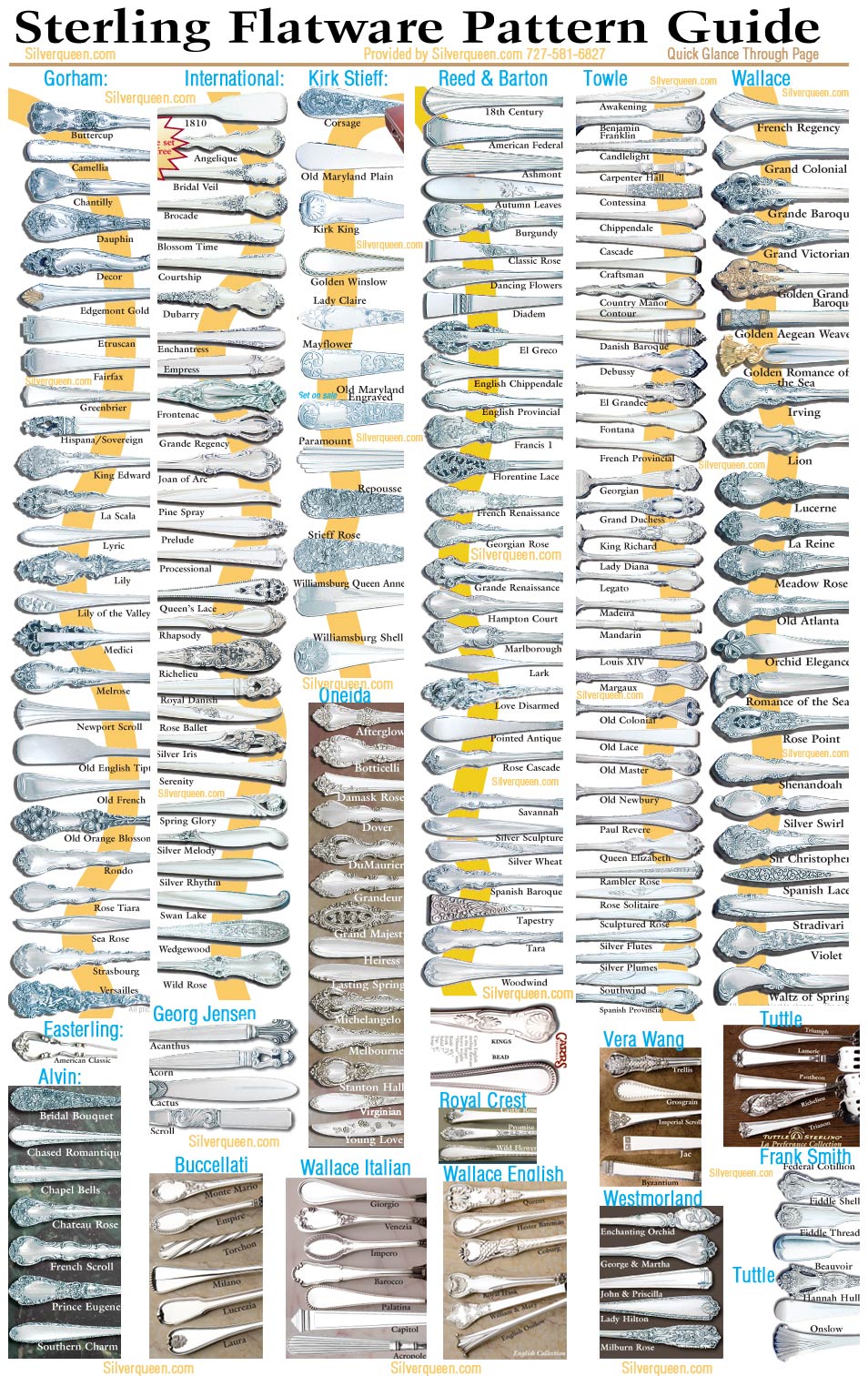
Credit: www.silverqueen.com
Common Sterling Marks
Sterling flatware often has small marks that tell important details. These marks help identify the silver’s quality and origin. Collectors and buyers use them to know more about each piece.
Common sterling marks include hallmarks, maker’s marks, and country of origin stamps. Each mark gives unique information about the flatware’s history and value.
Standard Hallmarks
Standard hallmarks show the silver’s purity. The number “925” is common and means 92.5% silver. Sometimes a lion passant or other symbol also indicates sterling silver. These marks confirm the flatware meets sterling silver standards.
Maker’s Marks
Maker’s marks identify the company or craftsman. They are usually initials or logos. These marks help trace the flatware’s maker and date. Knowing the maker can increase an item’s value.
Country Of Origin
Country marks show where the flatware was made. Popular marks include “USA,” “England,” or a country symbol. This information helps collectors understand the flatware’s background and style.
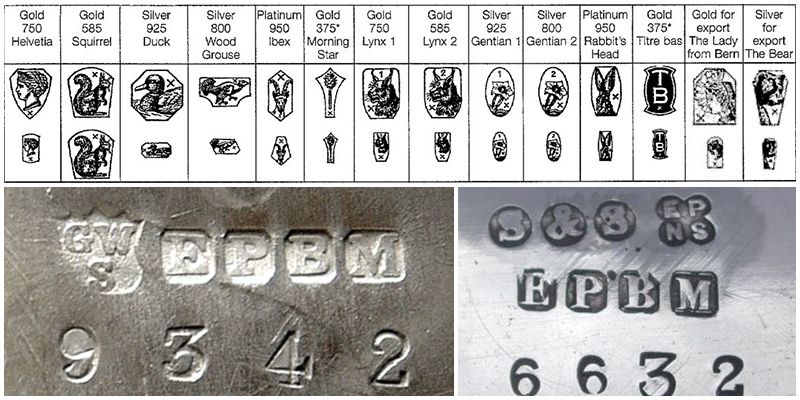
Credit: antiquesilver.org
Spotting Fake Marks
Spotting fake sterling flatware marks is important for collectors and buyers. Fake marks can lower the value and mislead you about the piece’s authenticity. Learning to recognize fake marks helps protect your investment and ensures you get genuine silverware.
Inconsistent Stamping
Genuine sterling marks have clear and consistent stamping. Fake marks often show uneven depth or blurry edges. Check if the mark looks pressed or carved with care. Uneven spacing or shaky lines often mean a fake.
Unusual Fonts
Real sterling flatware uses standard, easy-to-read fonts. Fake marks may use strange or fancy fonts that do not match known patterns. Compare the font style with trusted examples to spot differences. Odd letter shapes or sizes can reveal a fake mark.
Incorrect Symbols
Sterling marks include specific symbols like “925” or a lion passant. Fake marks might have wrong or missing symbols. Look closely for any extra or incorrect icons that do not belong. Wrong symbols often indicate counterfeit silverware.
Tools For Verification
Verifying sterling flatware marks requires the right tools. These tools help identify genuine pieces and avoid fakes. Each tool serves a different purpose but together, they provide clear results. Understanding how to use these tools can save time and money.
Magnifying Glass Use
A magnifying glass reveals tiny details on flatware marks. It helps see letters and numbers clearly. Look for sharp, well-defined marks. Blurry or uneven marks may signal a fake. Use a magnifying glass in good light for best results.
Acid Testing Kits
Acid testing kits check the metal’s purity. Apply a small drop on the flatware surface. The acid changes color to show silver content. Follow instructions carefully for accurate results. Avoid testing on visible or valuable areas to prevent damage.
Electronic Testers
Electronic testers measure metal conductivity quickly. They provide instant feedback on silver content. These devices are easy to use and non-damaging. Keep the flatware clean for accurate readings. Electronic testers are great for testing many pieces fast.
Historical Mark Variations
Sterling flatware marks have changed a lot over time. These marks help identify the maker and the age of the flatware. Understanding the historical mark variations can help collectors and buyers. Each century brought new styles and rules for marking silver pieces.
19th Century Marks
In the 19th century, flatware marks were simple but clear. Makers used initials or symbols to show their brand. Some marks included the word “Sterling” to prove the silver quality. The marks were often hand-stamped and varied by region. Collectors value these marks for their uniqueness and history.
20th Century Changes
The 20th century saw more standardization in marks. Companies started using logos and trademarks. Marks became smaller and easier to read. Some firms added numbers to show patterns or production years. These changes helped buyers identify pieces faster and more accurately.
Modern Marking Practices
Today, flatware marks follow strict rules. Many countries require specific symbols for sterling silver. Laser engraving is common for clear, permanent marks. Modern marks often include company names and purity stamps. These marks ensure authenticity and help trace a piece’s origin.
Expert Tips For Collectors
Collecting sterling flatware can be exciting and rewarding. Knowing how to identify marks helps collectors find true value. Expert tips can guide beginners and seasoned collectors alike.
These tips focus on research, professional advice, and protecting your pieces. Use these steps to build a strong collection with confidence.
Research Reliable Sources
Start by reading books and trusted websites about sterling flatware marks. Museums and antique shops often have useful information. Note the style and shape of the marks. Compare your pieces with verified examples. Avoid sources that do not cite their information clearly.
Consulting With Appraisers
Professional appraisers offer valuable insights into flatware marks. They can verify authenticity and estimate value. Choose appraisers with experience in silverware. Ask questions about the history and origin of your pieces. Their advice helps avoid costly mistakes.
Preserving Mark Integrity
Handle flatware carefully to protect the marks. Avoid harsh cleaning chemicals that can wear down details. Use gentle cloths and mild soap for cleaning. Store pieces in soft cloth or padded boxes. Clear marks keep your collection valuable and authentic.

Credit: www.samuelsonsdiamonds.com
Frequently Asked Questions
What Are Sterling Flatware Marks?
Sterling flatware marks are stamps on silverware indicating its purity and maker. These marks confirm the piece is genuine sterling silver, usually 92. 5% silver content. They help identify the manufacturer, origin, and sometimes the production date, adding value and authenticity to the flatware.
How To Identify Sterling Silver Marks?
Look for specific symbols like “925,” “Sterling,” or a lion passant. These marks prove the silver content is 92. 5%. Also, check for maker’s initials or logos. Researching hallmark guides or databases can help verify these marks and confirm if the flatware is authentic sterling silver.
Why Are Sterling Flatware Marks Important?
They authenticate the flatware’s silver content and origin. Marks help collectors and buyers assess value and quality. They also prevent counterfeit sales by proving genuine sterling silver. Knowing these marks ensures you invest in real, high-quality silver flatware with historical or monetary worth.
Can Flatware Marks Determine Silverware Age?
Yes, flatware marks often include date letters or symbols. These indicate the year or period of manufacture. By referencing hallmark charts, you can estimate the age of the flatware. This information helps in appraising vintage or antique sterling silver pieces accurately.
Conclusion
Sterling flatware marks help identify quality and history. Collectors and buyers find these marks very useful. Knowing the marks can guide you in choosing pieces. Each mark tells a story about its maker and age. Pay attention to shapes, letters, and symbols on flatware.
This knowledge makes buying or selling easier and safer. Keep learning about marks to appreciate your silverware more. Understanding these details adds value to your collection. A little effort brings great rewards in the world of sterling flatware.