Last Updated on August 27, 2026
A stir fry pan is a flat-bottomed cooking utensil used for quickly cooking vegetables and meats over high heat. It is typically made of metal and has sloping sides to facilitate easy stirring and flipping of ingredients.
This versatile kitchen tool is essential for creating delicious stir-fry dishes that are healthy and full of flavor. Stir fry pans come in various sizes and materials, such as stainless steel, cast iron, or non-stick coating. They are designed to distribute heat evenly and retain it well, allowing for efficient cooking.
With its wide base and curved edges, a stir fry pan enables food to cook quickly and evenly, making it perfect for busy home cooks looking to whip up a tasty meal in no time. Whether you’re preparing a classic Chinese stir fry or experimenting with your own culinary creations, a stir fry pan is a must-have tool in any kitchen.
The Essence Of Stir Fry Cooking
Discover the essence of stir-fry cooking with the versatile stir-fry pan, an essential tool for quick, flavorful dishes. Its sloped sides and wide base allow for even heat distribution and effortless tossing of ingredients. Elevate your culinary skills with this must-have kitchen essential.
Stir frying is a cooking technique that originated in China and is now popular all over the world. It is a quick and easy way to cook vegetables, meat, and seafood, and is perfect for busy weeknights when you want a healthy and flavorful meal in a hurry.Origins And Techniques
Stir frying originated in China over 2,000 years ago and was traditionally done in a wok. The wok has a unique shape that allows for even heating and rapid cooking. Today, stir frying can be done in a wok or a stir fry pan, which is a flat-bottomed pan with high sides that is designed for stir frying. The technique involves cooking small pieces of food quickly over high heat while constantly stirring and tossing them. This allows the food to cook evenly and prevents it from sticking to the pan.Key Ingredients And Flavors
Stir fry cooking typically involves a combination of vegetables, meat, and/or seafood. Some popular vegetables to use include bell peppers, onions, broccoli, carrots, and snap peas. Meat options include chicken, beef, pork, and shrimp. To add flavor to the stir fry, sauces and spices are often used. Soy sauce, oyster sauce, and hoisin sauce are common sauces used in stir fry dishes. Spices like garlic, ginger, and red pepper flakes can also be added for extra flavor. In conclusion, stir frying is a quick and easy cooking technique that can be done in a wok or a stir fry pan. It involves cooking small pieces of food quickly over high heat while constantly stirring and tossing them. Popular ingredients include vegetables, meat, and seafood, and sauces and spices are added for flavor.
Credit: www.amazon.com
Woks: The Traditional Choice
History And Design
A wok is a versatile round-bottomed cooking vessel that originated in China. It has been used for centuries and is an essential tool in traditional Chinese cooking. The design of a wok allows for even heat distribution, making it perfect for stir-frying, steaming, braising, and deep-frying.
Material And Heat Distribution
Woks are typically made from carbon steel, cast iron, or stainless steel. Carbon steel woks are popular due to their ability to heat up quickly and distribute heat evenly. This ensures that food cooks uniformly, creating delicious stir-fry dishes.
Stir Fry Pans: An Introduction
A stir fry pan, also known as a wok, is a versatile cooking tool used to prepare quick and flavorful dishes. Its sloped sides and wide surface area make it ideal for high-heat cooking, while the shape allows for easy tossing and stirring of ingredients.
Perfect for creating delicious stir-fry recipes.
Stir fry pans are an essential tool in any kitchen, especially for those who love to cook Asian-inspired dishes. With their unique design and versatile functionality, stir fry pans make it easy to whip up delicious stir-fried meals in no time. In this article, we will explore the key design features and material varieties of stir fry pans, helping you understand what makes them a must-have in your cooking arsenal.
Design Features
Stir fry pans are specifically designed to handle the high heat and rapid cooking techniques involved in stir frying. Their distinguishing features include:
- Wide and shallow shape: The wide, flat bottom of a stir fry pan provides ample cooking surface area, allowing for quick and even heat distribution. The shallow sides make it easy to toss and stir ingredients effortlessly.
- Rounded edges: Stir fry pans typically have rounded edges, making it convenient to move food around with a spatula or other utensils. This design also helps prevent food from getting trapped in corners.
- Long handle: The long handle on a stir fry pan allows for a comfortable grip and helps keep your hands away from the heat source. It offers better control and maneuverability while stir frying.
Material Varieties
Stir fry pans come in various materials, each with its own set of advantages:
| Material | Advantages |
|---|---|
| Carbon Steel | Durable, lightweight, and excellent heat conductivity. It develops a natural non-stick patina with use. |
| Cast Iron | Retains heat well, provides even heat distribution, and offers excellent heat retention. |
| Non-Stick | Easy to clean, requires less oil for cooking, and prevents food from sticking to the pan’s surface. |
| Stainless Steel | Durable, resistant to rust and corrosion, and can handle high heat. |
Each material has its own unique characteristics, so choosing the right one depends on your cooking preferences and needs.
Now that you have a better understanding of the design features and material varieties of stir fry pans, you can confidently select the perfect one for your kitchen. Whether you’re a novice cook or a seasoned chef, a stir fry pan will undoubtedly elevate your stir-frying game and allow you to create flavorful dishes with ease.
:max_bytes(150000):strip_icc()/how-to-stir-fry-6-XL-RECIPE0521-2eed718755f64756b4312f662ed8d8c4.jpg)
Credit: www.foodandwine.com
Comparing Stir Fry Pans And Woks
When it comes to stir fry cooking, two popular options are stir fry pans and woks. Both utensils are designed to distribute heat evenly and cook ingredients quickly, making them perfect for creating delicious stir fry dishes. In this article, we will compare stir fry pans and woks based on their shape and size, as well as their heat retention and distribution capabilities.
Shape And Size
Stir fry pans typically have a flat bottom and slightly curved sides, offering a larger cooking surface area compared to woks. This provides ample space to toss and stir ingredients without the risk of them falling out. On the other hand, woks have a characteristic rounded bottom and high sloping sides, allowing for easy tossing and flipping of food. The rounded shape of the wok also promotes even heat distribution, ensuring that all ingredients cook evenly.
Heat Retention And Distribution
When it comes to heat retention, woks have the upper hand. The rounded shape and high sides of a wok help to trap heat, allowing for efficient heat retention. This means that even when you add more ingredients to the wok, the temperature remains consistent, resulting in perfectly cooked stir fry dishes. Stir fry pans, on the other hand, may not retain heat as effectively due to their flat bottom and lower sides.
When it comes to heat distribution, both stir fry pans and woks excel in their own ways. Stir fry pans with their flat bottoms ensure that heat is evenly distributed across the cooking surface, allowing ingredients to cook uniformly. Woks, with their rounded shape, promote the circulation of heat, ensuring that every part of the wok receives an equal amount of heat. This helps to prevent any hot spots and guarantees consistent cooking results.
In conclusion, both stir fry pans and woks have their own unique advantages. Stir fry pans offer a larger cooking surface area and are suitable for those who prefer a flatter utensil. On the other hand, woks excel in heat retention and distribution, making them ideal for quick and flavorful stir fry cooking. The choice between the two ultimately depends on your personal preference and cooking style.
Top Stir Fry Pan Materials
Stainless Steel
Stainless steel stir fry pans are durable and resistant to rust, corrosion, and scratching. They distribute heat evenly and are easy to clean.
Cast Iron
Cast iron stir fry pans have excellent heat retention and are ideal for high-heat cooking. They require seasoning to maintain a non-stick surface.
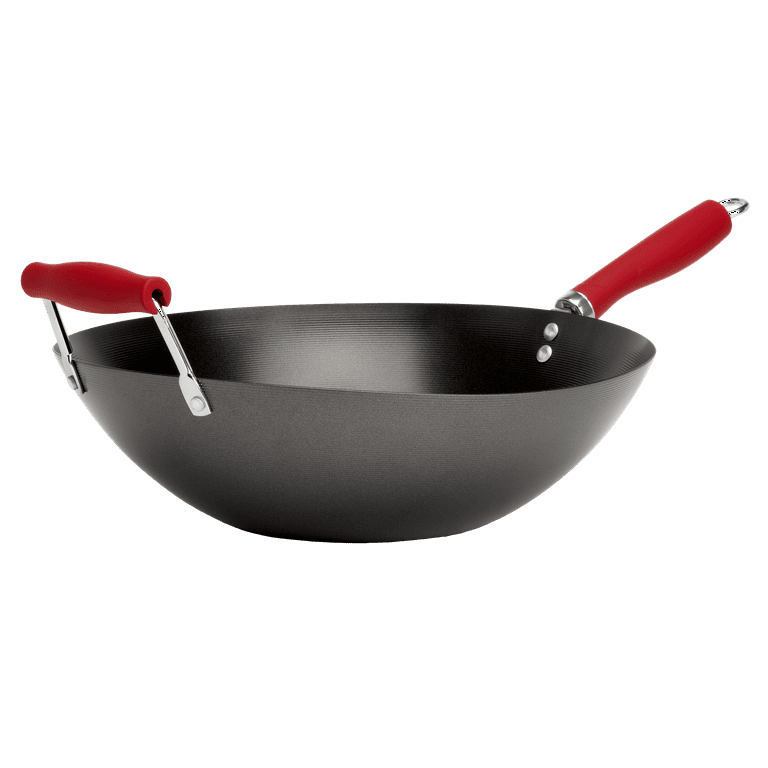
Non-stick Coatings
Non-stick coated stir fry pans offer effortless food release and require less oil for cooking. However, they may not be as durable as stainless steel or cast iron options.
Credit: www.walmart.com
Choosing The Right Stir Fry Pan
A stir fry pan is a versatile kitchen tool used for quick and healthy cooking. With its sloping sides and non-stick surface, it allows for even heat distribution and easy tossing of ingredients. Choose the right stir fry pan to achieve delicious and perfectly cooked meals every time.
Considering Your Cooking Surface
For electric stoves, flat-bottom pans work best.
Gas stoves are ideal for round-bottom pans.
Size And Depth
Choose a pan with a diameter of 12-14 inches.
Opt for a shallow pan for quick cooking.
Handle Design
Ensure the handle stays cool during cooking.
Look for a long handle for easy tossing.
Must-have Accessories For Stir Fry Pans
Enhance your stir-frying experience with these essential accessories.
Spatulas And Ladles
Choose spatulas and ladles made of heat-resistant materials.
Lids And Steamers
Use lids to lock in flavors and steamers for healthy cooking.
Caring For Your Stir Fry Pan
When it comes to maintaining your stir fry pan, proper care is essential to ensure its longevity and performance. Here are some tips on how to keep your stir fry pan in top condition:
Cleaning Tips
- Wash the pan with mild soap and warm water after each use.
- Use a soft sponge or cloth to avoid scratching the surface.
- Do not use abrasive cleaners or metal utensils that can damage the non-stick coating.
- Dry the pan thoroughly to prevent rust or water spots.
Maintenance And Storage
- Season the pan regularly with a light coating of oil to maintain its non-stick properties.
- Store the pan in a dry place to prevent moisture build-up and rust.
- Avoid stacking heavy items on top of the pan to prevent warping.
- Consider using pan protectors when stacking pans to avoid scratches.
Frequently Asked Questions
What Is A Stir Fry Pan Used For?
A stir fry pan is used for quickly cooking small pieces of food over high heat, making it ideal for stir-frying vegetables, meats, and noodles. Its wide base and sloped sides allow for easy stirring and flipping of ingredients.
How To Choose The Right Stir Fry Pan?
When choosing a stir fry pan, consider a material like carbon steel for quick heating and cooling, a flat bottom for stability on various stovetops, and a long handle for easy tossing. Look for a size that suits your cooking needs and a non-stick surface for effortless cleanup.
Can A Stir Fry Pan Be Used For Other Cooking Methods?
Yes, a stir fry pan can be versatile. It’s suitable for sautéing, searing, and even deep-frying due to its shape, heat conductivity, and spacious design. However, it may not be ideal for tasks that require liquid retention, such as making sauces or soups.
Conclusion
A stir fry pan is an essential kitchen tool for those who love to cook and experiment with different cuisines. It is designed to make cooking quick, easy, and healthy. With its unique shape, high sides, and flat bottom, it allows for even heating and tossing of ingredients.
Whether you are a professional chef or a home cook, a stir fry pan can elevate your cooking game to the next level. So, invest in a good quality stir fry pan and start cooking your favorite dishes today!