Last Updated on August 5, 2026
Is your stove top looking dull or covered in stubborn stains? You don’t have to spend money on expensive cleaners or harsh chemicals to get it sparkling again.
Imagine making a simple, effective cleaner right in your own kitchen using ingredients you probably already have. This homemade stove top cleaner not only saves you money but also keeps your cooking area safe and fresh. Keep reading, and you’ll discover an easy way to bring back the shine to your stove top—quickly and effortlessly.
Benefits Of Homemade Cleaners
Homemade cleaners offer many advantages over store-bought options. They are simple to make and use everyday ingredients. Many people prefer them for safety and environmental reasons. These cleaners work well and save money too.
Using homemade stove top cleaner is a smart choice. It helps keep your kitchen clean without harsh chemicals. The benefits go beyond cleaning power, making it a better option for homes.
Cost Savings
Homemade cleaners cost much less than commercial products. You use items like vinegar, baking soda, and lemon. These ingredients are affordable and last a long time. Making your own cleaner means fewer trips to the store. This saves both money and time.
Eco-friendly Ingredients
Store cleaners often contain chemicals that harm the environment. Homemade cleaners use natural ingredients that break down easily. They reduce pollution and limit plastic waste. Using these cleaners helps protect water and soil. It is a small step toward a greener planet.
Health Advantages
Many store cleaners have strong fumes and toxic chemicals. Homemade cleaners are gentle and safer to breathe. They reduce the risk of allergies and skin irritation. Using natural ingredients means fewer health problems. This is especially important for families with kids or pets.

Credit: www.thepinningmama.com
Common Stove Top Stains
Stove tops face many kinds of stains from daily cooking. These stains can make the stove look dirty and old. Knowing about common stove top stains helps in cleaning them well. This section explains the main types of stains and why they happen.
Grease And Oil
Grease and oil stains come from frying and cooking with fats. They look sticky and shiny on the stove surface. These stains attract dust and dirt, making the stove messy. Oil can bake onto the stove if not cleaned soon. This type of stain needs a strong cleaner to break it down.
Burnt Food Residue
Burnt food sticks hard to the stove after boiling over or spills. It looks dark and crusty and is tough to remove. This residue can damage the stove surface if left too long. Scraping gently and using a good cleaner helps remove burnt food marks.
Water Spots And Mineral Deposits
Water spots come from splashes or steam drying on the stove. They leave white or cloudy marks. Mineral deposits happen when hard water dries, leaving behind tiny crystals. These spots make the stove look dull. A mild acidic cleaner can dissolve these mineral marks easily.
Essential Natural Ingredients
Making your own stove top cleaner is simple and safe. Using natural ingredients keeps your kitchen free from harsh chemicals. These ingredients work well to cut grease, remove stains, and leave a fresh scent. They are easy to find and cost very little.
Baking Soda
Baking soda is a gentle scrubber. It removes stuck-on food and grime without scratching surfaces. It also neutralizes odors, making your stove smell fresh. Just sprinkle some on and scrub with a damp cloth.
Vinegar
Vinegar is a natural disinfectant. It dissolves grease and grime quickly. It helps break down tough stains on your stove top. Mix vinegar with water for an effective cleaning spray.
Lemon Juice
Lemon juice adds a bright, fresh scent. It has natural acids that cut through grease. It also helps remove water spots and stains. Use lemon juice alone or with baking soda for extra power.
Castile Soap
Castile soap is a mild, plant-based cleaner. It helps lift dirt without harsh chemicals. It creates a gentle foam that cleans well on all stove surfaces. Mix a small amount with water for easy cleaning.
Simple Cleaning Recipes
Simple cleaning recipes make stove top cleaning easy and safe. These natural solutions use common kitchen ingredients. They remove grease and stains without harsh chemicals. Use them regularly for a shiny, fresh stove top.
Baking Soda And Vinegar Paste
Mix baking soda and vinegar to form a thick paste. Spread it on greasy stove spots. Let it sit for 10 minutes. Scrub gently with a soft cloth or sponge. Rinse with warm water. This paste cuts through tough grime well.
Lemon And Salt Scrub
Cut a lemon in half and dip it in salt. Use the lemon to scrub stains on the stove. The acid in lemon breaks grease. Salt acts as a mild abrasive. Wipe clean with a damp cloth. This scrub leaves a fresh scent.
Castile Soap Spray
Mix a few drops of castile soap with water in a spray bottle. Spray the stove surface lightly. Wipe with a soft cloth or sponge. Castile soap removes dirt and grease gently. It is safe for all stove top types.
Step-by-step Cleaning Guide
Cleaning your stove top at home can be simple and effective. This step-by-step guide will help you use homemade cleaner to get great results. Follow each step carefully for a shiny, fresh stove top. No tough scrubbing or harsh chemicals needed.
Preparation And Safety Tips
Start by turning off the stove and letting it cool completely. Remove any loose debris or food particles with a dry cloth. Open windows or doors for good ventilation. Wear gloves to protect your skin from irritation. Keep children and pets away during cleaning.
Applying The Cleaner
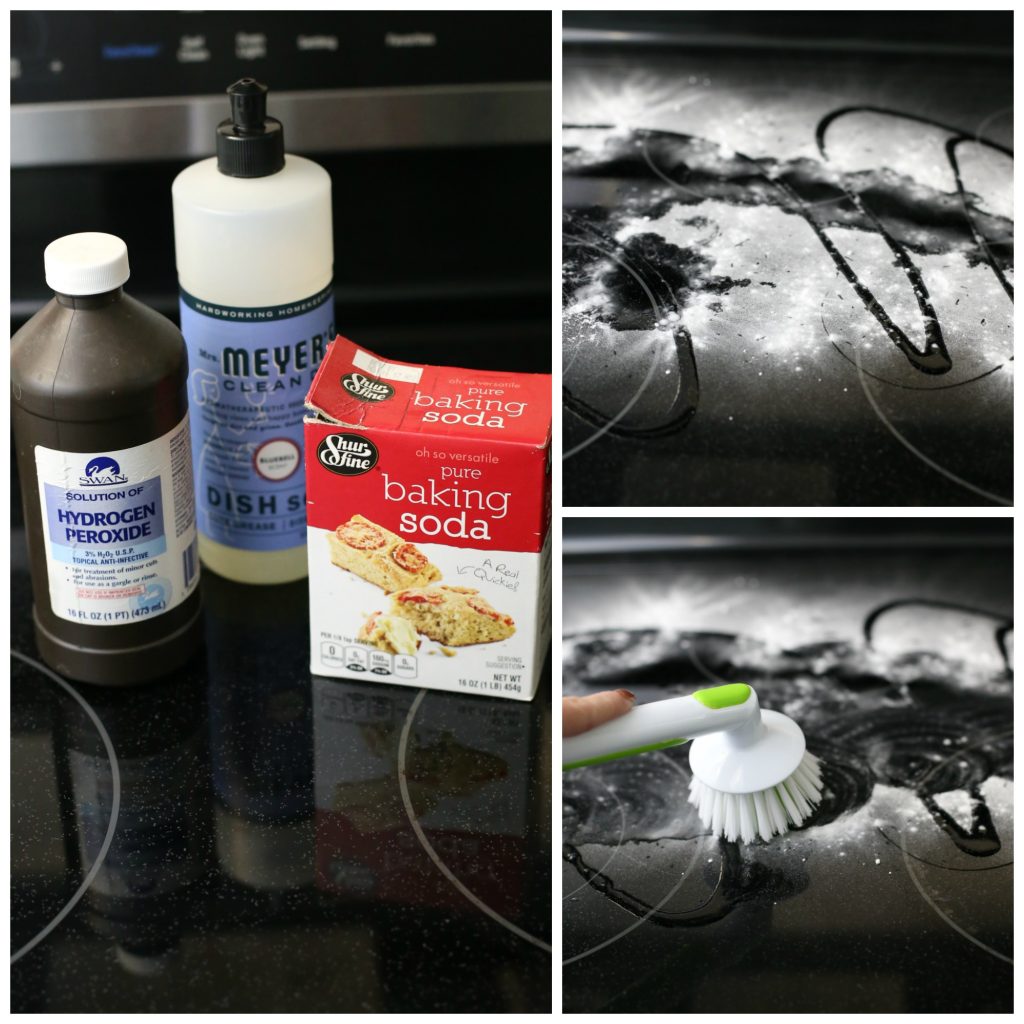
Spray or spread the homemade cleaner evenly over the stove top. Focus on greasy or stained areas. Let the cleaner sit for 5 to 10 minutes. This allows it to break down tough grime. Avoid letting the cleaner dry on the surface.
Scrubbing Techniques
Use a soft sponge or cloth to scrub the stove top gently. For stubborn spots, use a non-abrasive scrubber. Move in small circles to lift dirt. Avoid using steel wool or harsh brushes. Check your progress often to avoid damage.
Rinsing And Drying
Wipe the stove top with a clean, damp cloth to remove cleaner residue. Repeat rinsing if needed to ensure no cleaner is left behind. Use a dry cloth to wipe the surface completely. This prevents streaks and water spots. Your stove top will look clean and bright.
Credit: www.thetaylor-house.com
Tips For Maintenance
Keeping your stove top clean is easier with good maintenance habits. Small daily efforts stop tough stains and grease build-up. These tips help your homemade stove top cleaner work better and last longer.
Daily Wiping
Wipe your stove top every day after cooking. Use a soft cloth or sponge with warm water. This removes fresh spills before they dry. Avoid harsh scrubbing to protect the surface. Daily wiping keeps dirt from settling and makes cleaning faster.
Preventing Build-up
Spray your homemade cleaner on the stove top regularly. Let it sit for a few minutes to break down grease. Avoid leaving food scraps or liquids on the surface. Use a gentle brush for stuck-on bits. Preventing build-up stops tough stains and keeps your stove shiny.
Regular Deep Cleaning
Set a weekly time for deep cleaning your stove top. Use your homemade cleaner and a soft scrub brush. Remove burner grates and clean them separately. Check for hidden dirt in corners and crevices. Deep cleaning removes stubborn grime and keeps your stove in top shape.
Troubleshooting Stubborn Stains
Stubborn stains on your stove top can be tough to remove. These marks often come from burnt food or grease that has built up over time. Simple cleaning may not be enough. A few extra steps can help break down these tough spots. This section shares easy ways to tackle those hard stains with homemade cleaner.
Soaking Methods
Soaking the stove top helps loosen stuck-on food. Dampen a cloth with warm water and homemade cleaner. Place it over the stain and let it sit for 10 to 15 minutes. The cleaner softens the grime, making it easier to wipe away. Avoid scrubbing hard right away. Soaking saves time and effort.
Using Heat For Softening
Heat can help soften stubborn stains before cleaning. Warm the stove top slightly on low heat for a few minutes. This step melts grease and food residue. Turn off the heat and apply your homemade cleaner. Wipe with a soft cloth while the surface is warm. Heat makes tough stains easier to remove.
When To Repeat Cleaning
Some stains need more than one cleaning session. After the first try, check if residue remains. Repeat soaking and wiping if needed. Persistent stains may require several attempts. Be patient and gentle to avoid damage. Regular cleaning prevents stains from building up again.

Credit: oldworldnew.us
Frequently Asked Questions
What Ingredients Make An Effective Homemade Stove Top Cleaner?
A good homemade stove top cleaner uses baking soda, vinegar, and dish soap. These ingredients break down grease and stains safely and effectively. They are natural, affordable, and easy to find in your kitchen.
How Do I Use Homemade Cleaner On Stove Top Surfaces?
Sprinkle baking soda on the stove top, spray vinegar over it, and let it fizz. After 10 minutes, scrub gently with a sponge. Wipe clean with a damp cloth to remove residue and reveal a shiny surface.
Is Homemade Stove Top Cleaner Safe For All Stove Types?
Homemade cleaners are generally safe for glass, ceramic, and metal stove tops. Avoid abrasive scrubbing on delicate surfaces to prevent scratches. Always test a small area first to ensure no damage occurs.
Can Homemade Cleaner Remove Tough Burnt-on Stains Effectively?
Yes, the combination of baking soda and vinegar helps soften burnt-on stains. Let the mixture sit longer for stubborn spots, then scrub gently. This natural method saves money and avoids harsh chemicals.
Conclusion
Making your own stove top cleaner saves money and cuts harsh chemicals. It works well on grease and stains, keeping your stove shiny. Simple ingredients from your kitchen do the job safely. You control what goes into the cleaner, which is great for health.
Cleaning becomes quick and easy with this homemade solution. Try it today and enjoy a cleaner, fresher kitchen space. A small effort brings big results. Who knew cleaning could be this simple?