Last Updated on August 5, 2026
Your kitchen deserves a cleaner that’s safe, effective, and budget-friendly. Imagine wiping away grease and grime without worrying about harsh chemicals harming your family or the environment.
You can make this a reality with a homemade cleaner that uses simple ingredients you probably already have. Keep reading to discover how easy it is to create your own powerful kitchen cleaner that leaves your space sparkling and fresh—without the extra cost or risks.
Your kitchen will thank you!
Benefits Of Homemade Kitchen Cleaners
Homemade kitchen cleaners offer many benefits. They are simple to make and use common ingredients. Using homemade cleaners helps you control what goes into your home. These cleaners work well and keep your kitchen fresh and safe.
Cost Savings
Making your own cleaner saves money. Store-bought cleaners can be expensive. Homemade cleaners use cheap ingredients like vinegar and baking soda. You can make large amounts for less cost. This helps reduce your monthly cleaning expenses.
Health And Safety
Homemade cleaners avoid harsh chemicals. Many store cleaners have strong toxins. These can cause allergies or breathing problems. Natural ingredients are gentle on skin and lungs. They make your kitchen safer, especially for children and pets.
Environmental Impact
Homemade cleaners reduce pollution. Store cleaners often contain harmful chemicals. These can pollute water and soil. Natural ingredients break down easily and are eco-friendly. Using homemade products helps protect the planet for the future.

Credit: cleanmama.com
Essential Ingredients For Diy Cleaners
Making your own kitchen cleaner is simple and safe with a few key ingredients. These natural items clean well without harsh chemicals. They are easy to find and cheap.
Each ingredient has a special role. Mixing them right can clean grease, stains, and smells effectively. Let’s explore the basics for DIY kitchen cleaners.
Vinegar
Vinegar is a powerful cleaner and deodorizer. It kills many germs and removes hard water stains. Its acidity breaks down grease and grime easily.
Use white vinegar for the best results. Avoid using vinegar on natural stone surfaces like granite or marble.
Baking Soda
Baking soda is a gentle scrub that lifts dirt and food residue. It also absorbs odors, keeping your kitchen fresh. It works well on sinks, counters, and stovetops.
Mix baking soda with water to form a paste for scrubbing tough spots.
Lemon Juice
Lemon juice adds a fresh scent and natural bleach properties. It removes stains and cuts through grease effectively. The acid in lemon juice also helps fight bacteria.
Use lemon juice to brighten surfaces and eliminate odors.
Essential Oils
Essential oils bring pleasant smells and extra cleaning power. Tea tree, lavender, and eucalyptus oils have antibacterial qualities. Just a few drops can improve your cleaner’s effectiveness.
Combine essential oils with other ingredients to boost freshness and kill germs.
Simple Recipes For Kitchen Surfaces
Cleaning kitchen surfaces does not require harsh chemicals. Homemade cleaners use simple ingredients you likely have at home. These recipes are easy to make and safe to use. They help keep your kitchen fresh and spotless without strong odors or harmful additives.
Try these easy recipes for different kitchen surfaces. Each one targets a specific cleaning need. Use them to maintain a clean and healthy kitchen environment.
All-purpose Spray
Mix 1 cup water, 1 cup white vinegar, and 10 drops of lemon essential oil. Pour into a spray bottle. Use this spray on countertops, sinks, and tiles. It cleans dirt and kills germs effectively.
Degreaser
Combine 1 cup hot water, 1 tablespoon baking soda, and 1 tablespoon liquid castile soap. Stir well. Apply on greasy stove tops and oven surfaces. Let it sit for 5 minutes, then wipe clean with a damp cloth.
Glass Cleaner
Mix 2 cups water, 1/4 cup rubbing alcohol, and 1 tablespoon white vinegar. Pour into a spray bottle. Spray on glass surfaces like windows and microwave doors. Wipe with a lint-free cloth for a streak-free shine.
Wood Cleaner
Combine 1 cup olive oil with 1/4 cup lemon juice. Shake well. Apply a small amount to a soft cloth and rub onto wooden cutting boards or cabinets. This nourishes the wood and removes grime gently.

Credit: loveleafco.com
Cleaning Appliances Naturally
Cleaning kitchen appliances with natural ingredients keeps your home safe and fresh. Harsh chemicals can leave strong smells and harmful residues. Natural cleaners remove dirt and grime without these risks.
Simple ingredients like vinegar, baking soda, and lemon work well. They break down grease and kill germs. Using these helps your appliances last longer and stay clean.
Microwave
Fill a microwave-safe bowl with water and lemon slices. Heat it for five minutes to loosen food stains. Wipe the inside with a soft cloth. This removes odors and cleans gently.
Oven
Make a paste from baking soda and water. Spread it inside the oven and leave for several hours. Wipe off with a damp cloth. This paste lifts burnt food and grease without harsh chemicals.
Refrigerator
Mix equal parts water and vinegar in a spray bottle. Spray shelves and walls, then wipe clean. This natural solution kills bacteria and removes bad smells. Keep the fridge fresh and safe.
Dishwasher
Pour a cup of vinegar into the bottom of the empty dishwasher. Run a hot water cycle. This cleans away soap scum and buildup naturally. It keeps your dishwasher working well.
Tips For Safe And Effective Use
Using homemade cleaners in the kitchen saves money and reduces chemicals. Safety is key to protect your health and kitchen surfaces. Follow these tips for safe and effective use of your cleaner.
Proper Storage
Store homemade cleaner in a cool, dark place. Use a sealed container to keep it fresh. Label the bottle clearly to avoid confusion. Keep it away from children and pets.
Avoiding Damage
Test the cleaner on a small area first. Avoid using on natural stone like granite or marble. Do not use on wood without checking compatibility. Rinse surfaces well after cleaning to prevent buildup.
Combining Ingredients Safely
Mix ingredients carefully and in small amounts. Never combine bleach with vinegar or ammonia. Use gloves to protect your skin from irritation. Prepare fresh cleaner often to keep it effective.
Eco-friendly Cleaning Habits
Eco-friendly cleaning habits help protect the environment and keep your kitchen safe. Using homemade cleaners reduces chemicals and waste. These habits save money and make your home healthier. Small changes can make a big difference every day.
Reducing Waste
Cut down on trash by using less packaging. Choose bulk ingredients like baking soda and vinegar. Avoid single-use plastic bottles. Refill containers or buy concentrates to reduce waste. Compost food scraps instead of throwing them away.
Using Reusable Tools
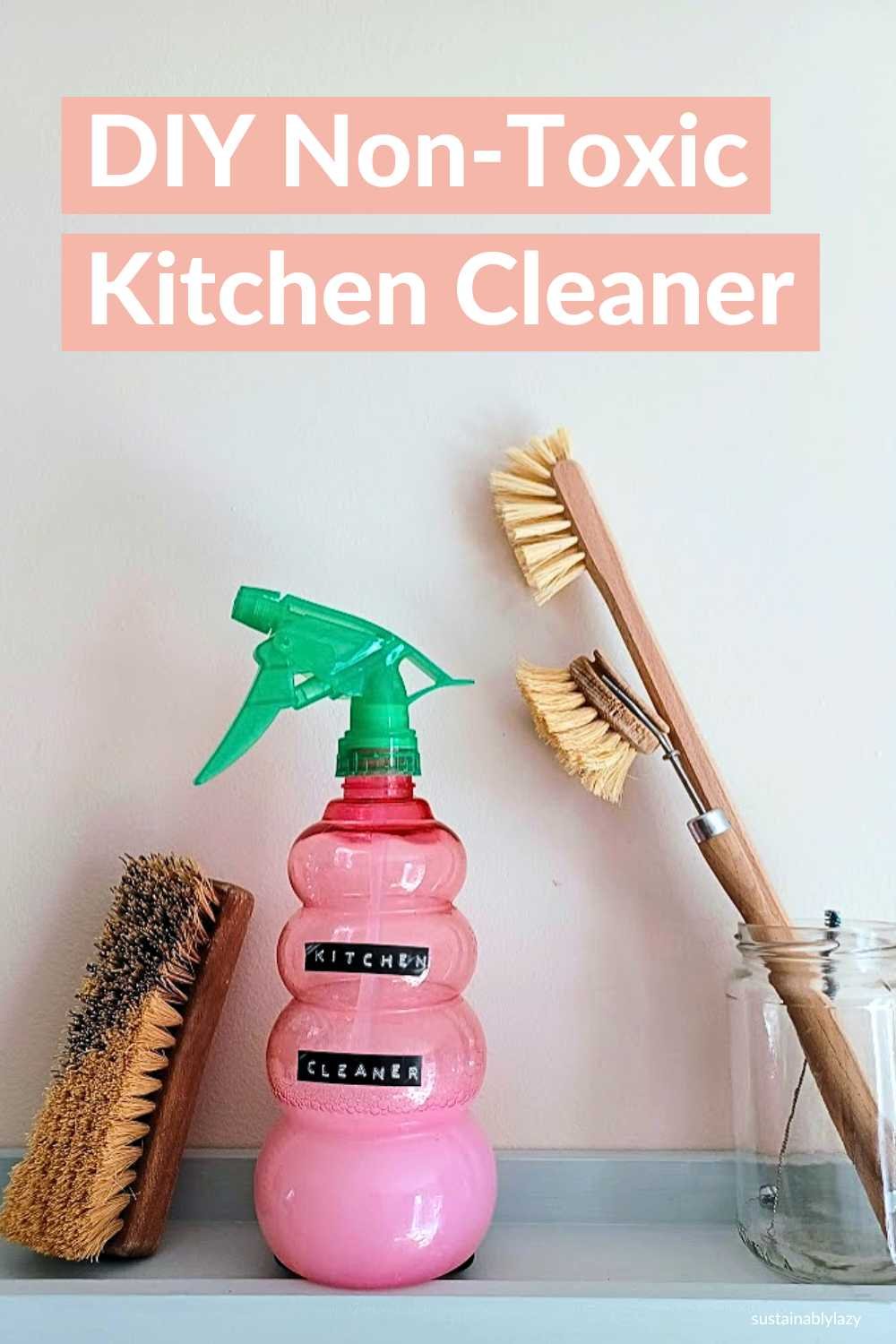
Switch to cloth towels instead of paper towels. Use washable sponges or scrubbers. Avoid disposable gloves and bags. Durable brushes last longer and clean better. These tools save money and reduce landfill waste.
Choosing Sustainable Ingredients
Pick natural ingredients that break down easily. Avoid harsh chemicals that harm water and soil. Use plant-based soaps and oils. Look for locally made products to reduce carbon footprint. Simple, safe ingredients work well for cleaning.
Credit: www.sustainablylazy.com
Frequently Asked Questions
What Ingredients Make The Best Homemade Kitchen Cleaner?
Common ingredients include vinegar, baking soda, lemon juice, and water. These natural items effectively cut grease and disinfect surfaces without harsh chemicals.
How Do I Safely Use Homemade Kitchen Cleaners?
Always test on a small surface first. Avoid mixing vinegar with bleach. Use gloves if you have sensitive skin.
Can Homemade Cleaners Remove Tough Kitchen Stains?
Yes, especially with baking soda and lemon juice. They work well on grease, grime, and food stains without damaging surfaces.
How Long Do Homemade Kitchen Cleaners Last?
Most homemade cleaners last about one month if stored in a cool, dark place in a sealed container.
Conclusion
Making your own kitchen cleaner saves money and reduces chemicals. It uses simple ingredients found at home. This cleaner works well on many surfaces. It keeps your kitchen fresh and safe for family. Try it today and see the difference.
Cleaning can be easy and eco-friendly. A homemade cleaner helps protect your health and the planet. Give it a chance and enjoy a cleaner kitchen naturally.