Last Updated on August 31, 2026
Canning in stock pot involves using boiling water to preserve food in jars. It ensures long-term storage and safety.
Canning food at home is an effective way to preserve seasonal produce. Using a stock pot for canning is simple and efficient. This method involves placing filled jars in a large pot of boiling water. Boiling creates a vacuum seal, keeping the food safe and fresh.
Stock pot canning is ideal for beginners and those with limited space. It allows you to enjoy fruits, vegetables, and jams year-round. Ensure jars and lids are sterilized to prevent contamination. This cost-effective method also reduces food waste and supports sustainable living.
Table of Contents
Introduction To Home Canning
Welcome to the world of home canning. This age-old practice preserves food at home. You can store your favorite foods for longer periods using a stock pot. Home canning is simple, cost-effective, and rewarding.
Benefits Of Canning
- Cost-effective: Save money by preserving seasonal produce.
- Healthier options: Control ingredients and avoid preservatives.
- Reduce waste: Preserve excess produce instead of discarding it.
- Convenience: Have ready-to-eat meals and snacks on hand.
- Emergency preparedness: Stock up on non-perishable foods.
Brief History
The history of canning dates back to the early 19th century. Nicolas Appert, a French chef, developed the method. He used glass jars sealed with wax and boiled them. This method preserved food for French soldiers. Later, Peter Durand introduced tin cans, improving the process.
By the mid-1800s, canning spread to America. Home canning became popular during World War II. People used it to store food and support the war effort. Today, home canning remains a cherished tradition passed down through generations.
The process has evolved, but the basic principles remain the same. Using a stock pot, you can safely preserve various foods. Enjoy the benefits and history of home canning in your kitchen.
Essential Tools And Equipment
Canning in stock pot is a rewarding activity. To ensure success, you need the right tools and equipment. Proper tools make the process smooth and safe.
Choosing The Right Stock Pot
The stock pot is the heart of canning. A good stock pot should be large enough to hold several jars simultaneously. Stainless steel is a great material choice. It is durable and easy to clean. Look for a pot with a heavy bottom. This helps in even heat distribution. Ensure the pot has a tight-fitting lid. This helps maintain the right temperature.
Must-have Accessories
You need several accessories in addition to a stock pot. These accessories make the canning process easier and safer.
- Jar lifter: This tool helps you lift hot jars from the pot.
- Funnel: A funnel helps you fill jars without spilling.
- Bubble remover: This tool removes air bubbles from jars.
- Magnetic lid lifter: This tool lifts lids from hot water.
- Jar wrench: A jar wrench helps tighten jar lids.
These tools are essential for safe and effective canning. They help ensure your jars seal properly and avoid contamination.
Preparing Your Ingredients
Canning in stock pot requires careful ingredient preparation, ensuring preservation and safety. Let’s go through the essential steps.
Selecting Fresh Produce
Choose the freshest produce. Fresh fruits and vegetables have the best flavor and nutrients. Visit local farmers markets. Pick produce that is ripe but firm.
Avoid produce with bruises, cuts, or signs of spoilage. Quality produce ensures a longer shelf life for your canned goods.
Cleaning And Cutting
Wash your produce thoroughly. Dirt and bacteria can spoil your canned goods. Rinse them under cold running water.
Once clean, cut the produce into uniform pieces. This helps in even cooking and canning. Use a sharp knife and cutting board.
For some vegetables, you may need to peel the skin. Use a vegetable peeler for this task.
| Vegetable | Cleaning Method | Cutting Instructions |
|---|---|---|
| Carrots | Scrub under cold water | Peel and slice into coins |
| Tomatoes | Rinse and remove stems | Chop into quarters |
| Green Beans | Rinse and trim ends | Cut into 1-inch pieces |
Blanching might be necessary for some vegetables. This process involves boiling and then cooling quickly. It helps in preserving color and texture.
- Boil water in a large pot.
- Add the vegetables and boil for 1-2 minutes.
- Remove and place in ice water immediately.
- Drain and dry the vegetables.
Preparing your ingredients with care makes the canning process smoother. The result is delicious and safe canned goods for your pantry.
Sterilizing Jars And Lids
Sterilizing jars and lids is a crucial step in canning. It ensures the safety and longevity of your preserved foods. Proper sterilization kills harmful bacteria and prevents spoilage.
Boiling Method
The boiling method is a common way to sterilize jars and lids. Follow these steps:
- Fill your stock pot with water. Make sure it’s enough to cover the jars.
- Place the jars and lids into the pot.
- Bring the water to a rolling boil.
- Boil the jars and lids for at least 10 minutes.
- Use tongs to remove the jars and lids. Place them on a clean towel to dry.
Oven Method
The oven method is another effective way to sterilize jars and lids. Here’s how:
- Preheat your oven to 275°F (135°C).
- Wash the jars and lids with hot, soapy water. Rinse them well.
- Place the jars and lids on a baking sheet, open side up.
- Put the baking sheet in the oven.
- Bake for 20 minutes.
- Carefully remove the jars and lids from the oven. Let them cool on a clean towel.
Both methods are effective. Choose the one that best fits your needs. Happy canning!
Filling And Sealing Jars
Canning at home preserves your favorite foods. The key steps include filling and sealing jars properly. This ensures your food remains safe and delicious.
Packing Techniques
Using the correct packing technique is crucial. Here are the main methods:
- Raw Pack: Place raw food directly into jars. Ideal for fruits and tomatoes.
- Hot Pack: Cook food before placing it in jars. Suitable for vegetables and meats.
Ensure to leave appropriate headspace. This prevents jars from breaking during processing.
Ensuring A Good Seal
Sealing jars correctly prevents spoilage. Follow these steps:
- Wipe jar rims with a clean, damp cloth.
- Place lids on jars, ensuring they are centered.
- Screw bands on until fingertip tight.
After processing, check the seals. The lids should not flex up and down.
Processing In The Stock Pot
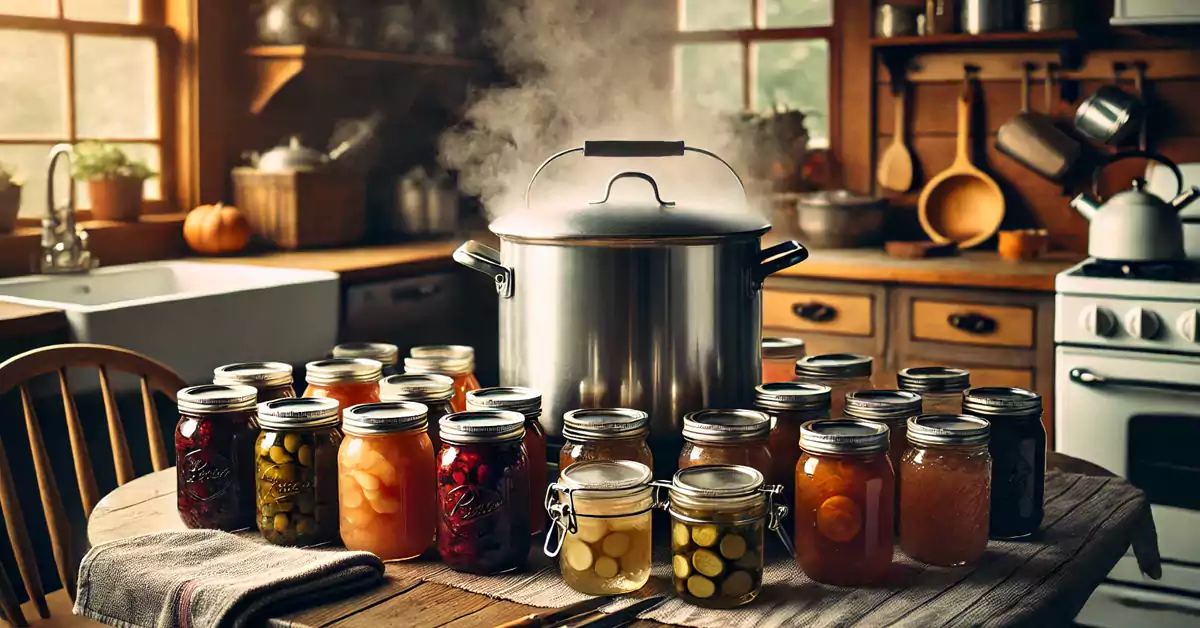
Canning in a stock pot is a simple method that helps preserve food safely. You can efficiently process jars using a stock pot, which is effective for beginners and experts alike. Let’s explore how to process your jars in a stock pot.
Water Bath Method
The water bath method is ideal for high-acid foods. This includes fruits, jams, and pickles. Follow these steps for successful canning:
- Fill the stock pot with water.
- Place a rack or towel at the bottom.
- Heat the water until it simmers.
- Lower the jars into the water using a jar lifter.
- Ensure the water covers the jars by 1-2 inches.
Keep the water boiling throughout the process. This ensures your food is safely preserved.
Timing And Temperature
Correct timing and temperature are crucial for canning in stock pot. Different foods require different processing times. Use this table for reference:
| Food Type | Processing Time | Temperature |
|---|---|---|
| Jams and Jellies | 10 minutes | 212°F (100°C) |
| Fruits | 20-30 minutes | 212°F (100°C) |
| Pickles | 10-15 minutes | 212°F (100°C) |
Always follow tested recipes for canning. This ensures safety and quality. Adjust for altitude if needed. High altitudes require longer processing times.
Cooling And Storing
Proper cooling and storage are crucial steps after canning in stock pot. This helps ensure the food remains safe and tasty. Let’s explore the cooling process and proper storage tips.
Cooling Process
Once the jars are processed, remove them from the stock pot. Place the jars on a towel or cooling rack. Ensure they are spaced apart to allow air circulation. This helps cool them evenly. Leave the jars undisturbed for 12-24 hours. Avoid bumping or moving them during this time. The lids will start to seal as they cool. You may hear popping sounds typical while canning in stock pot.
Proper Storage Tips
After the jars are cool, check the seals. Press the center of each lid. If it doesn’t pop back, the jar is sealed. Remove the metal bands to prevent rust. Wipe the jars with a clean, damp cloth. Label each jar with the date and contents. Store the jars in a cool, dark place. A pantry or basement works well.
| Storage Condition | Details |
|---|---|
| Temperature | 50-70°F (10-21°C) |
| Light | Keep away from direct sunlight |
| Humidity | Low humidity levels are best |
Follow these tips to keep your canned goods safe and delicious for months.
Troubleshooting Common Issues
Canning in stock pot can be a rewarding experience. However, it’s essential to understand and address common issues that may arise. Here, we’ll discuss troubleshooting common issues to ensure your canning process is smooth and successful.
Seal Failures
Seal failures can be frustrating but are quite common. Here are some causes and solutions:
- Improper Jar Preparation: Ensure jars are clean and free from cracks.
- Inadequate Headspace: Leave the right amount of headspace, usually 1/2 inch.
- Incorrect Lid Placement: Place the lid properly and tighten the band, just fingertip-tight.
- Temperature Variations: Maintain consistent heat during processing.
Spoilage Signs
Recognizing spoilage signs is crucial for safe canning in stock pot. Look out for these indicators:
| Signs | Description |
|---|---|
| Off Smell | If the jar smells bad, discard it. |
| Cloudy Liquid | Cloudiness can indicate spoilage, especially with pickles. |
| Bubbles | Bubbles inside the jar may signal fermentation. |
| Broken Seal | If the seal is broken, do not consume. |
Always inspect jars before using the canned food. Safety is the top priority.
Creative Recipes for Canning in Stock Pot
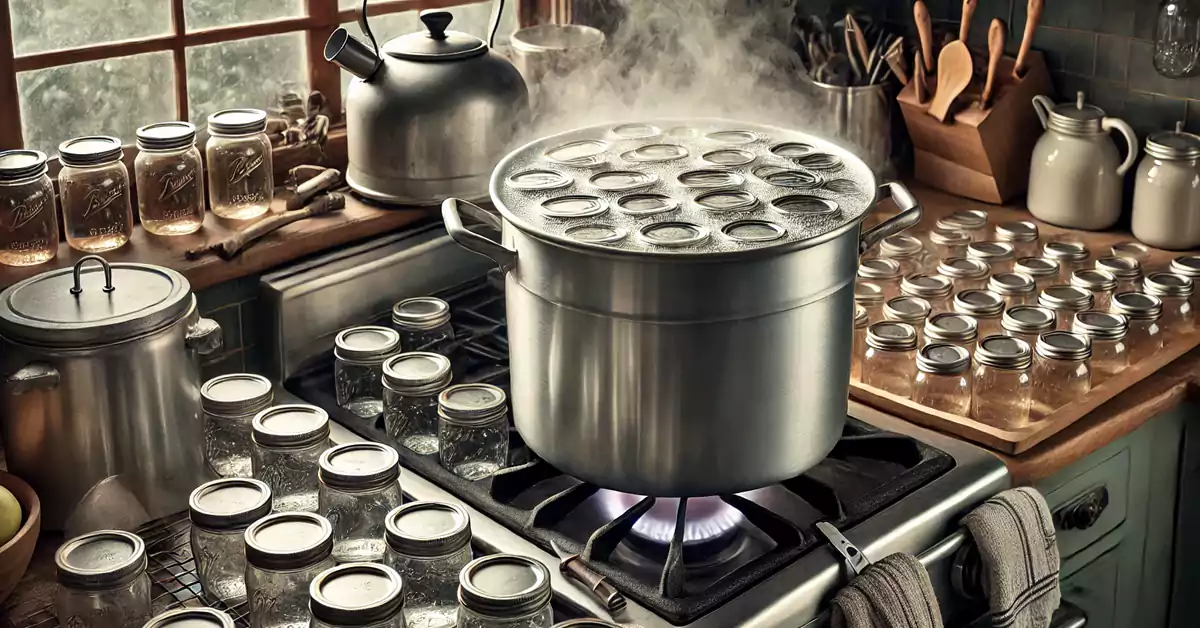
Canning in stock pot can be a fun and delicious way to preserve food. You can make tasty jams, jellies, and pickled vegetables. Let’s explore some creative canning recipes.
Jam And Jelly Ideas
Making jam and jelly is easy and rewarding. Here are some ideas:
- Strawberry Jam – Sweet and perfect for toast.
- Blueberry Jelly – Great for pancakes and waffles.
- Mixed Berry Jam – Combine strawberries, blueberries, and raspberries.
Use fresh fruits and follow simple recipes. Boil the mixture in your stock pot. Then, pour into sterilized jars and seal.
Pickling Vegetables
Pickling vegetables can add flavor to your meals. Here are some ideas:
- Cucumber Pickles – Crunchy and tangy.
- Pickled Carrots – Sweet and spicy.
- Pickled Beets – Earthy and vibrant.
Cut the vegetables into pieces. Prepare a brine with vinegar, water, salt, and sugar. Boil the brine in your stock pot. Pour the brine over the vegetables in jars and seal.
Safety Tips
Canning in stock pot is an excellent way to preserve food. Safety is crucial to avoid foodborne illnesses. Follow these safety tips to ensure your canning process is safe and effective.
Avoiding Contamination
Contamination can spoil your canned goods. Here are some tips to avoid it:
- Clean your jars and lids before use.
- Sanitize all equipment to kill germs.
- Use fresh ingredients to prevent contamination.
- Ensure the work area is clean and free of debris.
- Do not use jars with cracks or chips.
Safe Handling Practices
Safe handling is vital during the canning process. Follow these practices:
- Wash your hands with soap and water before starting.
- Use a jar lifter to handle hot jars.
- Allow jars to cool on a clean, dry surface.
- Check jars for a proper seal after cooling.
- Label jars with the date of canning for easy tracking.
By following these safety tips, you ensure your canned food is safe.
FAQ on Canning in Stock Pot
Can I Use Mine For Canning In Stock Pot?
You can use a stock pot for canning, but ensure it is deep enough for water to cover jars.
How Big Of A Stock Pot For Canning?
A 16 to 20-quart stock pot works well for canning. Ensure it accommodates jars and allows for water circulation.
How To Water A Bath In A Stock Pot?
Fill the stock pot with enough water to cover the bath item. Heat until the water reaches the desired temperature.
What Pot Is Best For Canning?
A large, heavy-duty stainless steel pot with a tight-fitting lid is best for canning. Make sure it has a rack.
Conclusion
Canning in stock pot is an easy and effective method of preserving food. It allows you to enjoy seasonal produce year-round, and you can ensure food safety and flavor with the proper techniques. Start canning today and enjoy homemade preserves anytime.
Happy canning!