Last Updated on January 12, 2026
Artisan baking is more than just making bread. It’s a craft that celebrates tradition and skill.
Delve into the world of artisan baking, where every loaf tells a story. This age-old practice values quality over quantity, focusing on handmade methods and natural ingredients. In a world of fast-paced production, artisan baking stands as a testament to patience and precision.
Bakers dedicate their time to perfect each piece, ensuring a unique texture and taste. This approach not only produces delicious results but also fosters a deep connection to food heritage. Whether you’re a seasoned baker or a curious newcomer, exploring artisan baking can enrich your culinary journey. Discover the charm and satisfaction of crafting something truly special with your own hands.
Credit: www.cordonbleu.edu
Introduction To Artisan Baking
Artisan baking is more than just making bread; it is a craft that connects us to the roots of food preparation. It brings a sense of accomplishment and joy to create something with your own hands. If you’ve ever felt the satisfaction of pulling a golden loaf out of the oven, you know what I’m talking about.
What Makes Bread Artisan?
Artisan bread is defined by its quality ingredients and traditional methods. Unlike mass-produced bread, it often includes just flour, water, yeast, and salt. No preservatives or artificial additives.
The process matters, too. Artisan bakers give dough time to rise slowly, which enhances the flavor and texture. Techniques like hand-shaping and scoring the dough add an artistic touch that machines can’t replicate.
Consider the crust and crumb. Artisan bread usually has a thick, crispy crust and a soft, airy inside. This contrast in textures makes every bite delightful.
Benefits Of Homemade Bread
One of the main benefits is the control you have over ingredients. You can choose organic flour, add seeds or nuts, or experiment with different types of grains. This ensures that your bread is free from unwanted chemicals.
Homemade bread also tends to be fresher than store-bought. You know exactly when it was baked and can enjoy it at its peak flavor. Plus, the aroma of fresh bread filling your kitchen is unbeatable.
Baking bread can be therapeutic. Kneading dough is a physical activity that can relieve stress. The process of watching dough rise and transform in the oven is almost magical.
Have you ever tried making your own bread? If not, what’s stopping you? The world of artisan baking is waiting for you to explore.
Essential Baking Tools
Artisan baking combines skill, patience, and a touch of love. Having the right tools can make a big difference. This section explores the essential tools you need and some optional gadgets that can elevate your baking experience.
Must-have Equipment
These are the tools you can’t do without. They form the backbone of your baking arsenal.
- Mixing Bowls: Stainless steel or glass bowls are ideal. They are durable and easy to clean.
- Measuring Cups and Spoons: Accurate measurements are key in baking. Invest in a good set.
- Digital Scale: For precise ingredient measurements. It helps maintain consistency.
- Rolling Pin: Essential for rolling out dough evenly.
- Baking Sheets: Non-stick sheets are perfect for cookies and pastries.
- Cooling Rack: Allows baked goods to cool properly. Prevents soggy bottoms.
- Whisk: Great for mixing dry ingredients and beating eggs.
- Spatulas: Silicone spatulas are heat resistant and flexible. Ideal for scraping bowls.
Optional Gadgets
These gadgets are not essential but can make baking easier and more fun.
- Stand Mixer: A powerful mixer can handle heavy doughs. Saves time and effort.
- Bench Scraper: Useful for cutting dough and cleaning surfaces.
- Pastry Brush: Helps with glazing and applying egg wash.
- Bread Lame: For scoring dough. Creates beautiful patterns on bread.
- Pizza Stone: Provides even heat. Perfect for crispy crusts.
- Silicone Baking Mats: Reusable and non-stick. Good for cookies and candies.
- Oven Thermometer: Ensures your oven is at the right temperature. Important for precision.
Key Ingredients For Success
Fresh, high-quality ingredients and precise measurements are essential for artisan baking success. Patience and practice enhance skills.
Artisan baking is a delightful blend of science and art, where each ingredient plays a vital role in creating that perfect loaf. The choice of ingredients can make or break your baking experience. Understanding these key ingredients can elevate your baking from average to extraordinary. Let’s dive into what makes a successful artisan bread, focusing on the essentials: flour and yeast.Flour Varieties
Flour is the foundation of any bread. It’s not just about picking any flour; it’s about choosing the right one. All-purpose flour is great for beginners, but bread flour offers a higher protein content, leading to a better rise and structure. Whole wheat flour brings a nutty flavor but may require more water due to its density. Have you tried rye or spelt flour? They add unique flavors and textures. Experimenting with different flours can open up a world of taste possibilities. It’s like giving your bread its own personality.Yeast And Leavening Agents
Yeast is the magic behind the rise of your bread. Active dry yeast is common, but instant yeast can save time since it doesn’t need to be dissolved in water first. Consider using a sourdough starter for a more natural and tangy taste. A starter is like having a pet; it requires feeding and care but rewards you with rich flavors. Ever thought about adding a touch of baking powder or baking soda? They can enhance the leavening process, especially in quick breads. Your choice of yeast or leavening agent defines the texture and flavor of your bread. These ingredients are the heart of artisan baking. What will you create with these secrets in your apron pocket?Mastering Dough Techniques
Artisan baking is a craft. It requires skill and patience. Mastering dough techniques is crucial. It transforms simple ingredients into delicious bread. By understanding these methods, bakers can create the perfect loaf. Each step, from kneading to rising, plays a vital role.
Kneading Methods
Kneading develops gluten. It gives bread its texture and structure. There are several methods. The traditional way uses the hands. Push the dough away, fold it back. Repeat this motion. It takes time and energy. Some prefer the stretch and fold method. It is gentle and less tiring. This technique suits high-hydration doughs. Another option is using a stand mixer. It speeds up the process. Remember, each method affects the dough differently.
Proper Dough Rising
Rising is crucial for flavor and texture. Dough needs time to ferment. This develops taste. It also helps the dough expand. Ensure your dough rises in a warm, humid place. Cover it with a damp cloth. This prevents the dough from drying out. Patience is key. Rushing this step leads to dense bread. Observe the dough. It should double in size. This indicates it is ready for baking. Proper rising enhances the final product.
Exploring Flavor Profiles
Artisan baking is all about creating unique flavors that tell a story. It’s like a symphony in the kitchen where each ingredient plays its part. When you experiment with different flavor profiles, you open up a world of possibilities. Imagine the aroma of freshly baked bread mixed with unexpected herbs or the crunch of nuts in a soft dough. Let’s dive into how you can elevate your artisan baking with exciting flavors.
Using Herbs And Spices
Herbs and spices can transform your baking from ordinary to extraordinary. Think about adding rosemary to your focaccia or a hint of cinnamon to your sourdough. These ingredients bring depth and character to your creations.
Don’t be afraid to experiment. Mixing a little thyme with lemon zest can create a refreshing twist. Start small and taste as you go. Your taste buds will guide you to the right balance.
What new herb or spice have you tried recently? Would it work in your next bake? Challenge yourself to add a new flavor to your baking repertoire. You might discover a new favorite.
Incorporating Seeds And Nuts
Seeds and nuts add texture and richness to your baked goods. Picture the nutty crunch of walnuts in your banana bread or the earthy flavor of sesame seeds on top of your bread.
These ingredients are not just for decoration. They bring essential nutrients and flavors to your recipes. Consider using flax seeds in your dough for added health benefits.
Next time you bake, think about how seeds and nuts can enhance your flavors. Do you have a personal favorite? Try adding it to your next loaf. Your kitchen experiments can lead to delightful surprises.
Exploring flavor profiles in artisan baking is about creativity and curiosity. By playing with herbs, spices, seeds, and nuts, you can craft something truly unique. What will your next masterpiece taste like?
Shaping And Scoring Bread
Artisan baking involves skillfully shaping and scoring bread to create beautiful loaves. Scoring allows the dough to expand while baking, enhancing the appearance. This step is crucial for achieving the desired texture and look.
Artisan baking is an art that blends science and creativity. Shaping and scoring bread are two important steps in this craft. These processes affect not just the look but also the texture of the bread. A well-shaped loaf rises evenly. Proper scoring allows steam to escape. This creates beautiful patterns on the crust.Traditional Shapes
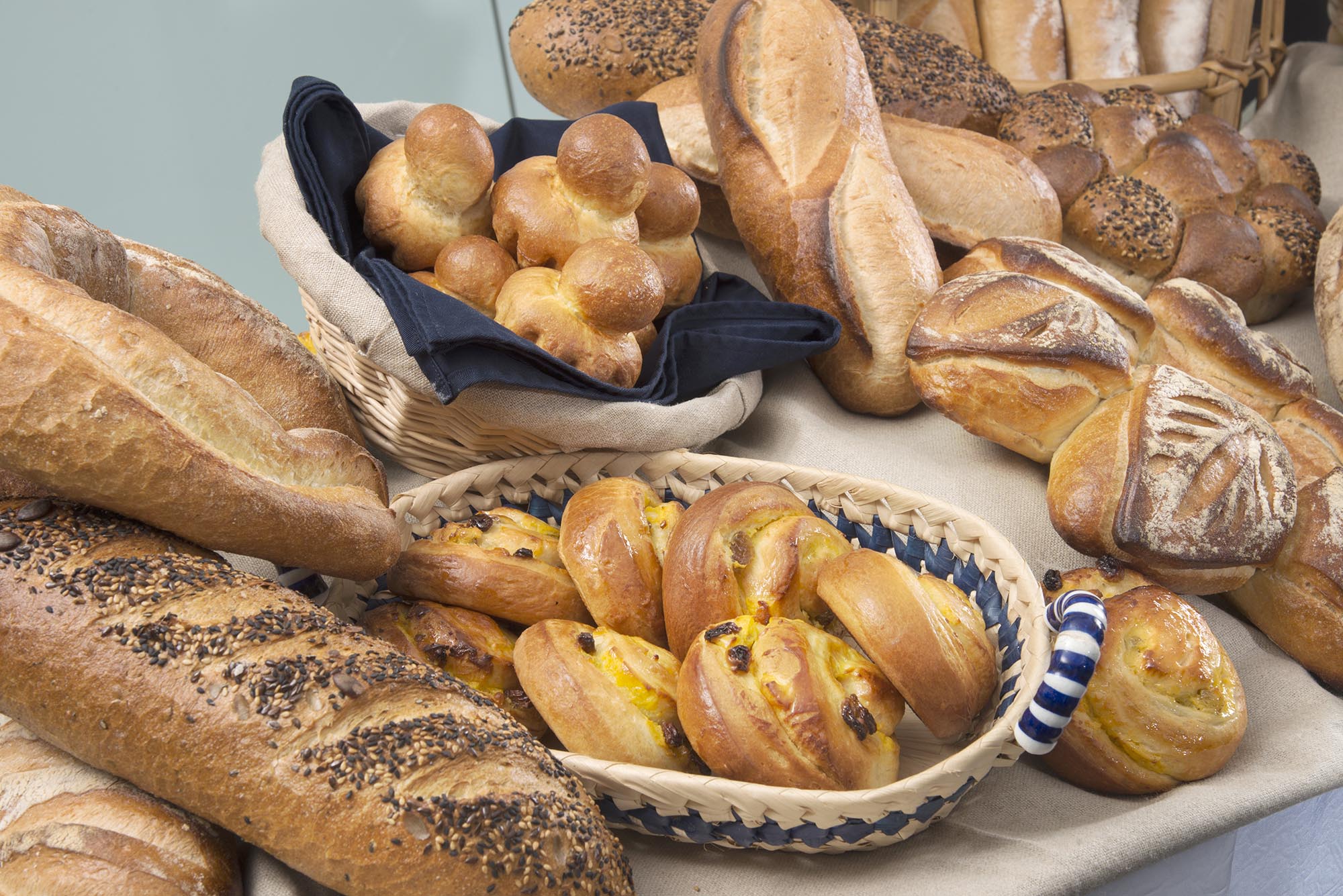
Bread shaping has a rich tradition. Each shape has its own story. The round boule is a classic. It comes from the French countryside. Its shape is simple yet elegant. Another popular shape is the baguette. Long and thin, it boasts a crispy crust. The batard is similar to a baguette but shorter. It offers a nice balance between crumb and crust. Then there’s the bâtard, a shorter version of the baguette. Each shape is unique. Each tells a tale of its origin.Creative Scoring Designs
Scoring is more than just functional. It is an art form. Bakers use scoring to express creativity. Simple lines can create a striking look. Advanced designs include leaf patterns and spirals. These designs make each loaf unique. Scoring allows bakers to tell stories through bread. It also helps control the bread’s expansion. With practice, bakers can create beautiful designs. A simple blade can create a masterpiece. The beauty of scoring lies in its simplicity.Perfecting The Bake
Artisan baking blends creativity and precision, creating delightful treats. Perfecting the bake requires understanding ingredients and honing techniques. Each loaf reflects dedication and craftsmanship.
Achieving the perfect bake in artisan bread is a rewarding challenge for home bakers. The art of transforming simple ingredients into a delicious loaf is both science and intuition. Each stage, from mixing to baking, requires attention and care. You might wonder, what truly makes the difference between a good loaf and a great one? Let’s dive into the details that elevate your artisan baking, focusing on the critical phase: perfecting the bake. ###Understanding Oven Temperatures
Oven temperature is crucial in baking. It can mean the difference between a loaf that rises beautifully and one that falls flat. Start by preheating your oven to the right temperature, typically between 450°F and 500°F for most artisan breads. Invest in an oven thermometer. It ensures accuracy, as many ovens can be off by several degrees. This small tool can help you master your bakes. Consider how your oven heats. Does it have hot spots? You might need to rotate your loaf halfway through baking. This simple step can prevent uneven baking and give you a consistently perfect crust. ###Achieving The Right Crust
The crust is what many people first notice about artisan bread. A good crust is crunchy and full of flavor. It’s the result of steam during the initial baking phase. Create steam by placing a pan of water at the bottom of the oven. Alternatively, you can spray water onto the oven walls just before loading your bread. This moisture helps the dough expand before the crust hardens. Timing is key. Bake your bread until it’s deep brown. Don’t be afraid to push it a little further than you think. A well-baked crust is not only about appearance but also enhances the bread’s taste and texture. Remember, the journey of perfecting your bake is as rewarding as the destination. Each loaf teaches you something new. What adjustments have you found most beneficial in your baking process?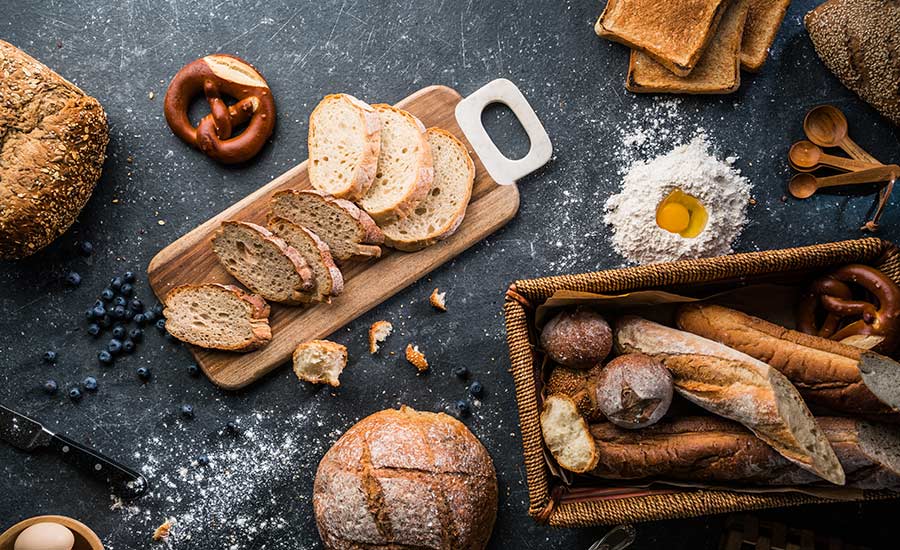
Credit: www.snackandbakery.com
Troubleshooting Common Issues
Artisan baking is a craft that combines science and art. Even experienced bakers face challenges in perfecting their loaves. Common issues can frustrate anyone, but they are solvable. Understanding these problems helps enhance your baking skills. This section explores solutions to dense bread and over-proofing.
Dense Bread Fixes
Dense bread can ruin the joy of baking. One main cause is insufficient yeast activity. Make sure your yeast is fresh and active. Test it by mixing with warm water and a pinch of sugar. If it bubbles, it’s good to use.
Another reason is insufficient kneading. Knead the dough until smooth and elastic. This develops the gluten structure, essential for airy bread. Also, monitor your flour measurement. Too much flour leads to heavy dough. Use a scale for accurate measurement.
Temperature plays a role too. Cold environments slow yeast activity. Let the dough rise in a warm spot. If possible, preheat your oven to create a warm atmosphere. Lastly, check your oven temperature. An oven thermometer ensures accurate baking conditions.
Avoiding Over-proofing
Over-proofing affects the texture and flavor of your bread. Timing is crucial. Set a timer to avoid forgetting. The dough should be doubled in size. Press a finger into the dough; if it springs back slowly, it’s ready.
Room temperature impacts proofing time. Warm rooms speed up the process. In cooler areas, proofing takes longer. Adjust based on your environment. Avoid letting the dough rise overnight. This can lead to excessive fermentation.
Use a transparent container for proofing. It helps observe the dough’s rise. Mark the starting point to track its progress. If the dough becomes sticky or collapses, it’s over-proofed. You can gently reshape and reproof it for a short time.
Storing And Preserving Bread
Proper storage and preservation methods keep artisan bread fresh and flavorful. Store in a cool, dry place, or freeze for longer shelf life. Wrapping in breathable fabric helps maintain the crust’s texture.
Storing and preserving bread is an art just as much as baking it. You’ve put your heart into creating that perfect crust and crumb, and the last thing you want is for it to go stale or moldy. But how do you keep that fresh-from-the-oven flavor and texture for as long as possible? Understanding the best methods for storing your artisan bread can make a significant difference in its longevity and taste. ###Optimal Storage Methods
The enemy of bread is moisture loss. Wrap your loaf in a clean, dry tea towel or place it in a bread box to maintain its humidity. This method helps the bread breathe without trapping moisture, which can lead to mold. Consider the kitchen environment—if it’s too humid, your bread might get soggy, but if it’s too dry, you risk it becoming rock-hard. If you’ve got a wooden bread box, you’re in luck; its natural properties help maintain a balanced environment for your bread. ###Freezing For Longevity
Freezing bread is like hitting the pause button on freshness. Slice your loaf before freezing to make it easier to thaw only what you need. Wrap the slices tightly in plastic wrap, then place them in a resealable freezer bag to protect from freezer burn. When you’re ready to eat, just pop a slice straight into the toaster or let it thaw at room temperature. Have you ever tried freezing bread dough instead? It’s a handy trick. You can bake fresh bread on demand, reducing waste and ensuring freshness. In your journey of artisan baking, what have you discovered as your go-to method for preserving bread? Each approach offers unique benefits, so experimenting might lead you to your perfect solution.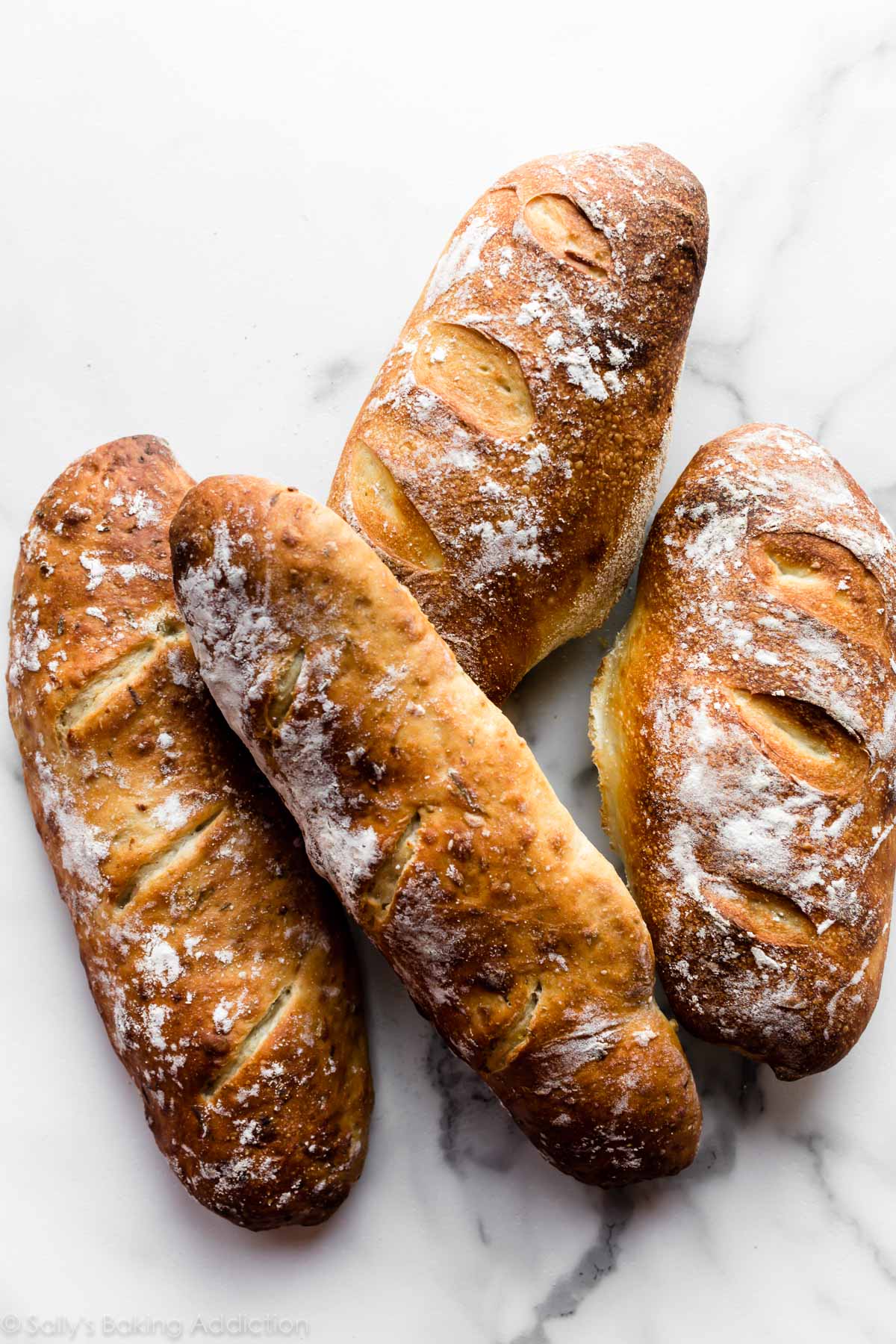
Credit: sallysbakingaddiction.com
Conclusion And Next Steps
Exploring artisan baking opens a world of creativity and flavor. Dive deeper into techniques and ingredients to enhance your skills. Experimenting with different flours and methods can lead to delicious discoveries.
Embarking on the journey of artisan baking is like discovering a new passion that can enrich your daily life. The joy of crafting something from scratch, feeling the dough, and tasting the fruits of your labor is incomparable. As you reach the end of this exploration, it’s time to reflect on what you’ve learned and consider your next steps.Embracing Artisan Baking
Artisan baking is more than just mixing flour, water, and yeast. It’s about embracing a mindful approach to food preparation. When you bake artisan bread, you engage with the process from start to finish, allowing your creativity and intuition to guide you. Imagine the satisfaction of serving a homemade loaf at your next family gathering. Your friends and family might ask, “Did you really make this?” The pride in saying yes is priceless. What will you bake next?Continued Learning Resources
To improve your skills and expand your baking repertoire, consider exploring additional resources. There are numerous online courses, books, and community workshops dedicated to artisan baking. – Online Courses: Websites like Udemy and Coursera offer comprehensive baking courses. – Books: “Flour Water Salt Yeast” by Ken Forkish is a must-read for aspiring bakers. – Workshops: Check local community centers for hands-on classes that can provide personalized guidance. Have you considered joining a baking club or online forum? Connecting with other bakers can offer support and inspire new ideas. As you move forward, remember that each bake is an opportunity to learn. Mistakes are part of the process and often lead to the most rewarding breakthroughs. What new baking project will you tackle today?Frequently Asked Questions
What Does Artisan Mean In Baking?
Artisan baking involves crafting bread and pastries by hand, using traditional methods and high-quality ingredients. It emphasizes skill and creativity.
What Is The Difference Between An Artisan Bakery And A Normal Bakery?
An artisan bakery uses traditional methods, focusing on quality and craftsmanship. Normal bakeries may prioritize efficiency and mass production. Artisan bakeries often use high-quality ingredients, resulting in unique flavors and textures. Normal bakeries might use preservatives for longer shelf life.
Artisan products are usually handcrafted, while normal bakery items can be machine-made.
What Is The Difference Between A Chain Bakery And An Artisan Bakery?
A chain bakery often uses mass production and standardized recipes. An artisan bakery focuses on handcrafted, small-batch creations, using traditional techniques and high-quality ingredients. Artisans prioritize unique flavors and textures, while chains aim for consistency and efficiency.
Who Owns Artisan Bakers?
Artisan bakers are usually owned by skilled bakers or small business owners. They often emphasize quality and craftsmanship.
Conclusion
Discover the joy of artisan baking. Create delicious bread and pastries at home. Enjoy the process. Share your creations with loved ones. Baking can be relaxing and fun. Each loaf tells a story. Artisan baking brings warmth to your kitchen.
Try new recipes. Experiment with different ingredients. Your skills will grow with practice. Happy baking!