Last Updated on February 14, 2026
Are you confused about which water filtration method is best for your home—Brita or Reverse Osmosis? You want clean, safe water, but with so many options, it’s hard to know where to start.
Choosing the right system can affect not only the taste and quality of your water but also your health and wallet. You’ll discover the key differences between Brita filters and Reverse Osmosis systems, so you can make the smartest choice for you and your family.
Keep reading to find out which one fits your needs perfectly.
Brita Filters Basics
Brita filters are popular for making tap water taste better. They use simple technology to improve water quality at home. Many people choose Brita for easy and quick water filtration.
These filters fit in pitchers or bottles. They work without electricity or complicated parts. Understanding how Brita filters work helps you decide if they suit your needs.
How Brita Filters Work
Brita filters use activated carbon and an ion-exchange resin. The activated carbon catches chlorine and bad tastes. The resin reduces metals like lead and copper. Water passes through the filter slowly. This gives time to remove impurities. The result is cleaner, better-tasting water.
Key Features Of Brita
Brita filters are easy to use and replace. They fit in pitchers, bottles, or faucet mounts. The filters last about 40 gallons of water. They improve taste and odor without removing all minerals. Brita products are affordable and widely available. No special tools or plumbing are needed.
Common Contaminants Removed
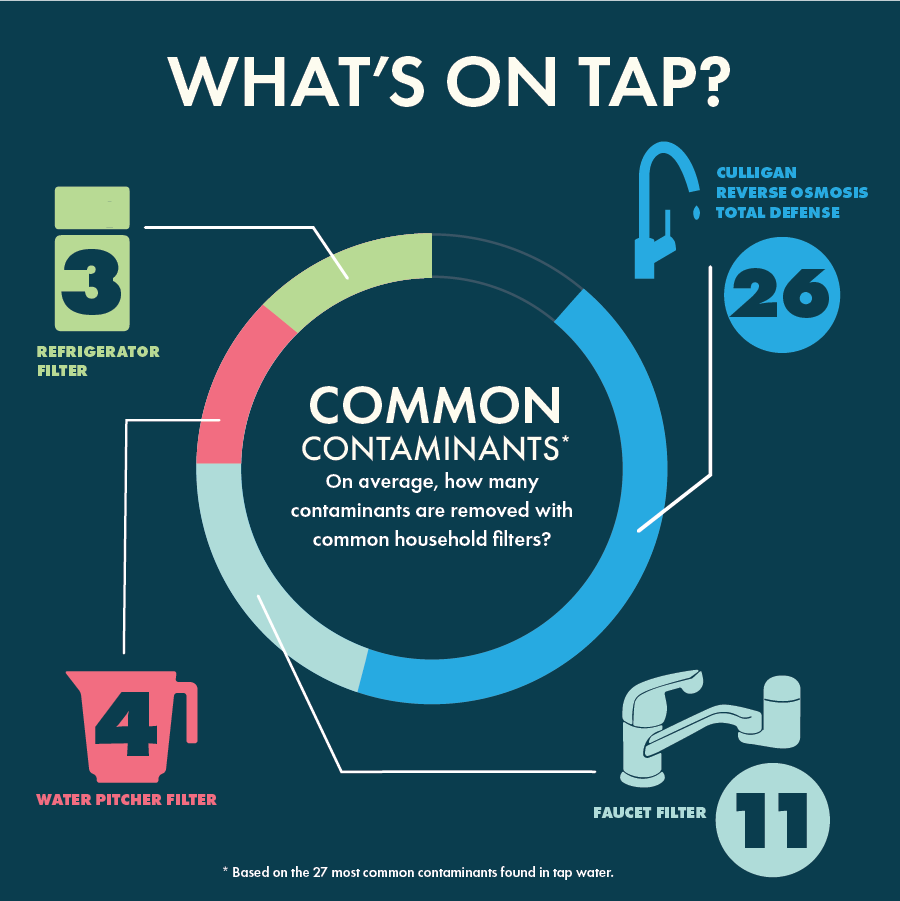
Brita filters reduce chlorine, which causes bad taste and smell. They remove metals like lead and copper. Some filters lower mercury and cadmium too. Brita does not remove all bacteria or viruses. It also does not filter fluoride. Brita is best for improving taste and reducing some chemicals.
Credit: www.culligannation.com
Reverse Osmosis Basics
Reverse osmosis is a popular water purification method. It removes many impurities and makes water safer to drink. Understanding its basics helps compare it with other options like Brita filters.
Reverse osmosis uses a special membrane to clean water. This membrane blocks harmful particles. It lets only clean water pass through. The process requires several parts working together.
Ro System Components
An RO system has key parts. A pre-filter removes large dirt and particles. The RO membrane filters out tiny impurities. A post-filter improves the water’s taste. A storage tank holds the purified water. A faucet delivers clean water for use.
Filtration Process Explained
Water enters the system and passes through the pre-filter first. This step protects the membrane. Next, water goes through the RO membrane. The membrane traps contaminants and allows clean water through. Finally, the water passes the post-filter to remove any leftover tastes or odors.
Types Of Contaminants Removed
RO systems remove many harmful substances. These include lead, arsenic, and fluoride. It also removes chlorine, nitrates, and salt. Bacteria and viruses do not pass through the membrane. The system provides clean and safe drinking water.
Water Quality Comparison
Comparing Brita and reverse osmosis systems helps understand water quality differences. Each system affects water taste, minerals, and chemical content differently. Choosing the right option depends on what matters most in water quality for daily use.
Taste And Odor Improvements
Brita filters use activated carbon to reduce bad tastes and odors. They remove chlorine and some organic compounds that cause unpleasant smells. Reverse osmosis systems also improve taste by removing many impurities, including salts and metals. RO water often tastes cleaner but can seem flat due to fewer minerals.
Mineral Content Impact
Brita filters keep most healthy minerals like calcium and magnesium in the water. These minerals add flavor and provide health benefits. Reverse osmosis removes nearly all minerals, making water very pure but less rich in taste. Some RO systems add minerals back after filtering to improve flavor.
Effectiveness Against Chemicals
Brita filters reduce chlorine and some pesticides but cannot remove all chemicals. They work well for basic tap water concerns. Reverse osmosis is more powerful and removes a wider range of chemicals, including heavy metals, fluoride, and nitrates. RO offers stronger protection against contaminants.

Credit: www.watersmartsystems.com
Installation And Maintenance
Installation and maintenance are key factors when choosing between Brita and reverse osmosis systems. Both require some effort but differ in complexity and ongoing care. Understanding these differences helps in selecting the best fit for your home and lifestyle.
Setup Requirements
Brita filters are easy to set up. You only need to place the filter in a pitcher or faucet attachment. No tools or plumbing skills are needed. Reverse osmosis systems require more work. They connect under the sink and need plumbing adjustments. Installation may require professional help.
Filter Replacement Frequency
Brita filters should be replaced every 2 to 3 months. This keeps water clean and fresh. Reverse osmosis systems have multiple filters. Some need changing every 6 months. Others last up to 2 years. Regular replacement ensures the system works well.
Cost Of Upkeep
Brita filters cost less to replace. They are affordable and easy to buy. Reverse osmosis filter replacements are pricier. The system also uses more water, raising utility bills. Maintenance costs add up over time with RO systems.
Cost Analysis
Cost is a major factor in choosing between Brita and Reverse Osmosis water filters. Understanding initial costs and long-term expenses helps make a smart choice. This section breaks down the price details clearly.
Initial Purchase Price
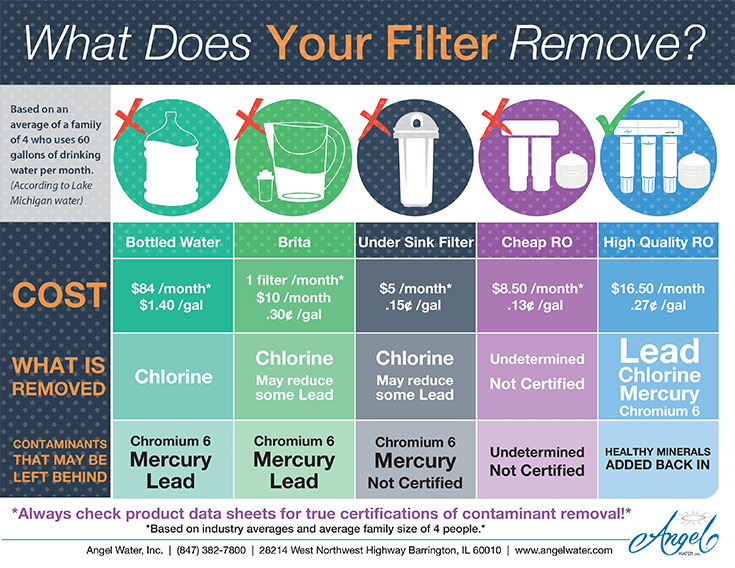
Brita pitchers and faucet filters cost less upfront. They usually range from $20 to $50. Reverse Osmosis systems need more money at the start. Prices often start around $150 and can go over $500. The setup of Reverse Osmosis also may require professional help, adding to the initial cost.
Long-term Expense
Brita filters need replacement every two months. Each filter costs about $5 to $7. Reverse Osmosis filters last longer but cost more. Their filters change every six to twelve months. Replacement parts for Reverse Osmosis can be $30 to $100 each. Reverse Osmosis uses more water, which may raise water bills slightly.
Value For Money
Brita offers affordable water filtering for light use. It works well for basic water taste and odor improvement. Reverse Osmosis gives purer water by removing more contaminants. Its higher cost suits families needing cleaner drinking water. The choice depends on budget and water quality needs.
Credit: angelwater.com
Environmental Impact
Choosing between Brita and reverse osmosis filters means thinking about the environment. Each system affects water and energy use differently. Understanding these impacts helps you pick a cleaner option for the planet.
Water Waste Levels
Reverse osmosis systems waste more water than Brita filters. For every gallon of clean water, RO can waste up to three gallons. Brita filters do not waste water during filtration. This makes Brita a better choice for saving water in daily use.
Energy Consumption
Reverse osmosis units use electricity to push water through the membranes. This increases energy use at home. Brita filters work without power. They rely on gravity and simple filter media. Brita filters have a lower energy footprint.
Filter Disposal Concerns
Both systems need filter replacements. Brita filters require frequent changes but are smaller. Reverse osmosis filters last longer but are bulkier. Disposal of used filters can add to landfill waste. Recycling options are limited for both types. Proper disposal helps reduce environmental harm.
Suitability For Different Users
Choosing the right water filter depends on your needs and lifestyle. Both Brita and Reverse Osmosis (RO) systems have unique benefits. Understanding who each suits best helps you pick the right one. This section explains the ideal users for each system and important health points to consider.
Ideal Scenarios For Brita
Brita filters work well for people wanting quick, easy water improvement. They fit small kitchens or offices with limited space. Brita is great for users who want to reduce chlorine taste and odor. It suits those with mostly clean tap water needing basic filtering. Brita pitchers and faucet filters are affordable and simple to use. They need little maintenance and no plumbing changes.
Best Situations For Ro Systems
RO systems suit households with hard or heavily contaminated water. They remove many impurities, including lead, fluoride, and nitrates. Ideal for families wanting very pure water for drinking and cooking. RO fits users who don’t mind higher upfront costs and filter changes. These systems need space under the sink and some plumbing work. Perfect for those with health concerns or relying on well water.
Health Considerations
Brita filters improve taste but may not remove all harmful elements. They do not eliminate dissolved solids or bacteria fully. RO systems provide deeper purification, removing most contaminants. RO water may lack some minerals, requiring balanced diet or mineral addition. People with weak immune systems benefit from RO’s thorough cleaning. Always test your water to choose the safest option.
Common Myths And Facts
Water filters like Brita and Reverse Osmosis (RO) systems often come with many myths. People may have wrong ideas about how they work or what they remove from water. Clearing up these myths helps you choose the right filter. Understanding facts makes water choices easier and safer.
Debunking Brita Misconceptions
Brita filters do more than just improve taste. They reduce chlorine and some metals like copper and mercury. They do not remove all harmful chemicals or bacteria. Some believe Brita filters clean water like boiling, but they don’t kill germs. Brita filters need regular replacement for best results. They are easy to use but not for deep water purification.
Clarifying Ro System Beliefs
Reverse Osmosis systems filter more impurities than Brita. They remove most dissolved salts, heavy metals, and many chemicals. Some think RO systems waste too much water; newer models save more water now. RO systems also remove beneficial minerals, which may require remineralization. They need professional installation and maintenance. RO systems provide very clean water but at a higher cost and complexity.
Frequently Asked Questions
What Is The Main Difference Between Brita And Reverse Osmosis?
Brita uses activated carbon filters to reduce chlorine and odors. Reverse Osmosis (RO) removes more contaminants by forcing water through a semi-permeable membrane. RO is more thorough, targeting heavy metals and dissolved solids, while Brita mainly improves taste and odor.
Which System Provides Better Water Purification?
Reverse Osmosis offers superior purification by removing a wide range of contaminants. Brita filters improve taste and reduce chlorine but do not eliminate all harmful substances. For cleaner and safer drinking water, RO is the better choice.
How Often Should Brita And Ro Filters Be Replaced?
Brita filters typically last about 2 months or 40 gallons. RO system filters need changing every 6 to 12 months, depending on usage. Regular replacement ensures optimal water quality and system performance.
Is Reverse Osmosis More Expensive Than Brita Filters?
Yes, RO systems have a higher upfront cost and installation fees. Brita pitchers are affordable and portable with minimal maintenance expenses. Consider budget and water quality needs when choosing between them.
Conclusion
Choosing between Brita and Reverse Osmosis depends on your needs. Brita filters improve taste and remove some impurities. Reverse Osmosis cleans water more deeply and removes more contaminants. Brita is easier to use and costs less. Reverse Osmosis takes more space and needs installation.
Think about your budget, water quality, and space. Both options make tap water safer and better. Your choice helps keep your family healthy and hydrated. Simple steps lead to cleaner water every day.