Last Updated on January 11, 2026
Cake flour or bread flour— any one you can use for your baking projects, depending on your baking purpose. Choosing between these two types of flour is crucial because each has unique properties that affect the texture, rise, and overall outcome of your baked goods.
Cake flour and bread flour are essential ingredients, each with unique properties. Cake flour is finely milled, resulting in lighter, fluffier baked goods. Bread flour, on the other hand, has higher protein content, giving bread its chewy texture. Understanding the differences helps bakers achieve the desired outcome for their recipes.
Whether you’re aiming for delicate cakes or hearty loaves, knowing which flour to use makes all the difference. This guide will explore the characteristics of cake flour and bread flour, helping you make informed decisions in your baking adventures. Let’s dive into the world of flours and discover what makes each one special.
Table of Contents
Baking Flours
Baking is both an art and a science. Choosing the right flour can make a huge difference. Each type of flour has unique properties. These properties affect texture, taste, and appearance. Knowing which flour to use is crucial for successful baking.
Importance Of Choosing The Right Flour
The right flour can transform your baked goods. Cake flour produces light and airy cakes. Bread flour gives a chewy texture to bread. Using the wrong flour can lead to disappointing results. Your cake might be dense. Your bread could be too soft. Selecting the right flour ensures your baked goods turn out perfectly.
Overview Of Cake Flour And Bread Flour
Cake flour is excellent. It has less protein than bread flour. Less protein means less gluten. Less gluten makes cakes tender and soft. Cake flour is ideal for delicate baked goods. Think of cakes, muffins, and pastries.
Bread flour has a higher protein content. More protein means more gluten. Gluten gives bread its chewy texture. Bread flour is perfect for hearty bread and pizza dough. It helps the dough rise well. It also provides a nice crust.
Characteristics Of Cake Flour
Have you ever wondered why your cakes sometimes turn out dense rather than light and fluffy? The secret often lies in the type of flour you use. Cake flour is specifically designed to give your baked goods a delicate crumb and tender texture. In this section, we’ll explore the characteristics of cake flour, focusing on its texture and protein content, and its best uses.
Texture And Protein Content
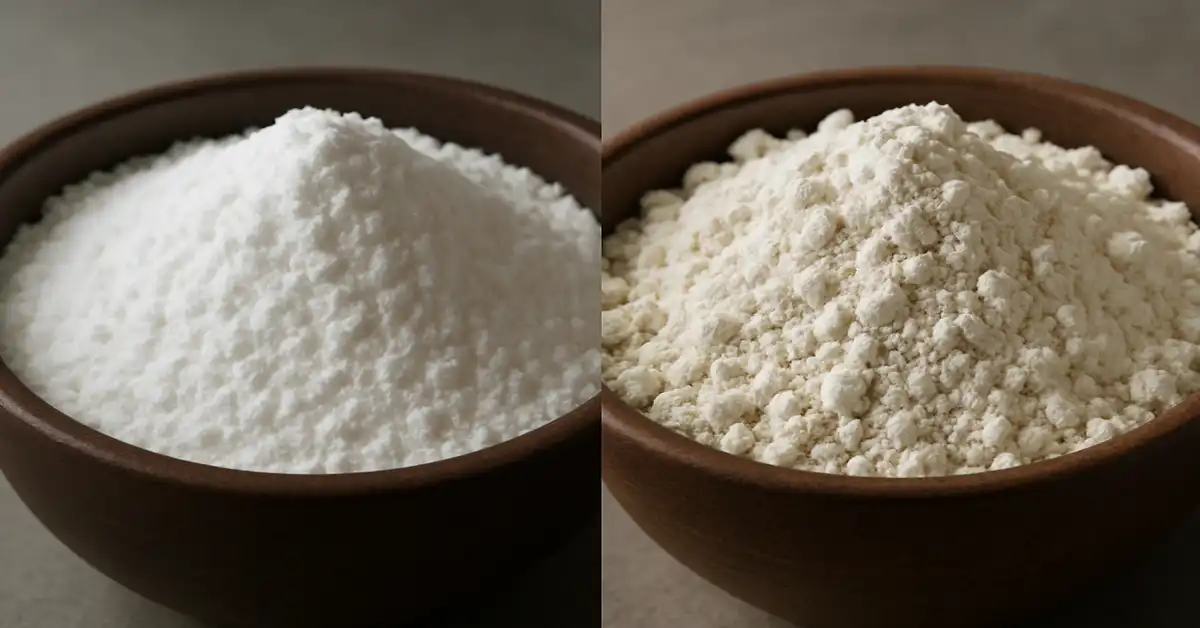
Cake flour has a fine texture compared to other types of flour. Imagine running your fingers through a bowl of powdered sugar—it’s that soft! This fine texture helps create a smooth batter, which is essential for making light and airy cakes. The softness of cake flour also means it has less protein than other flours.
| Flour Type | Protein Content |
|---|---|
| Cake Flour | 6-8% |
| Bread Flour | 12-14% |
As shown in the table, cake flour has a lower protein content—usually around 6-8%. This low protein content means less gluten formation, which is what gives bread its chewy texture. For cakes, less gluten is a good thing because it helps keep them soft and tender. So, if you want to avoid those dense, rubbery cakes, reach for cake flour!
Best Uses For Cake Flour
Now that you know about the texture and protein content of cake flour, let’s talk about when to use it. Cake flour is perfect for recipes where a light and tender crumb is desired. Here are some of the best uses:
- Cakes: Whether it’s a delicate sponge cake or a classic vanilla cake, cake flour ensures a light and fluffy texture.
- Cupcakes: You’ll get those Instagram-worthy cupcakes with a soft crumb every time.
- Muffins: For muffins that are moist and tender, cake flour is your best friend.
- Pancakes: Yes, even pancakes! Using cake flour can make them lighter and fluffier.
In essence, whenever you’re baking something that needs to be soft and tender, cake flour is your go-to. But remember, it’s not ideal for recipes that require a chewy or dense texture, like bread. So, save it for your sweet treats and enjoy the difference it makes!
Have you ever tried switching to cake flour in your baking? Give it a shot and let us know how it goes. Trust me, your cakes will thank you!
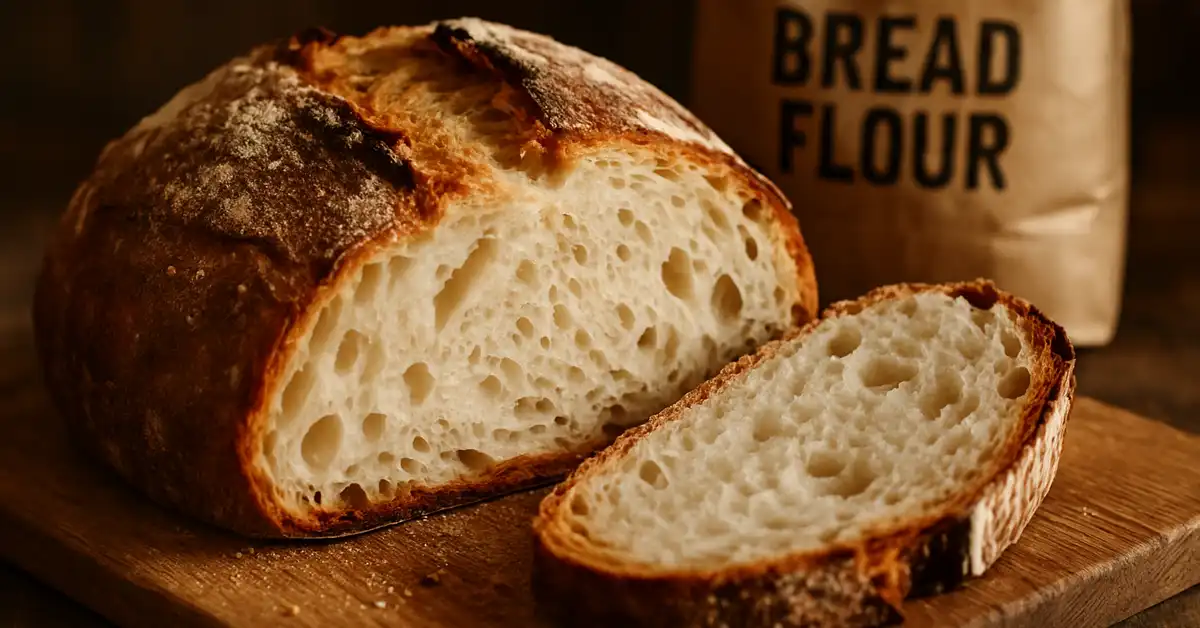
Characteristics Of Bread Flour
Bread flour has a high protein content, making it ideal for chewy, structured bread. It creates strong gluten networks.
Bread flour is a popular choice for baking. It has unique properties that make it ideal for specific recipes. Understanding its characteristics can help you decide when to use it.
Texture And Protein Content
Bread flour has a coarse texture. This is due to its high protein content. The protein, mainly gluten, gives bread its chewy texture. Bread flour typically contains 12-14% protein. This is higher than all-purpose or cake flour. The higher protein helps the dough rise and hold its shape.
Best Uses For Bread Flour
Bread flour is perfect for yeast breads. It’s high in protein, which supports the growth of yeast. This results in a firm, elastic dough. Bread flour is also great for sourdough and baguettes. It helps create a crispy crust and chewy interior. Use bread flour for pizza dough, too. It will give you a firm and stretchy base. Avoid using bread flour for cakes. It will make them dense and tough.
Comparing Cake Flour And Bread Flour
Choosing the right flour is crucial for your baking success. Cake flour and bread flour have distinct properties. These differences impact the final result. Let’s compare them.
Differences In Protein Content
Cake flour has a lower protein content. This usually ranges from 7% to 9%. Bread flour has a higher protein content. It typically contains 12% to 14%. Protein content affects gluten formation. Less protein means less gluten. This makes cake flour ideal for tender cakes.
More protein means more gluten. Bread flour is perfect for chewy bread. This high gluten content gives bread its structure. It also helps it rise nicely. Understanding protein content is key to choosing the right flour.
Impact On Baking Results
Using cake flour results in a fine crumb. Cakes are soft and fluffy. They have a delicate texture. This is because of the low gluten content. Cake flour is also bleached. This helps with rising and gives a light color.
Bread flour creates a sturdy structure. Breads are chewy and dense. They have a good rise and firm texture. This is due to the higher gluten content. Bread flour suits recipes needing a firm structure. Understanding these impacts helps achieve the best baking results.
When To Use Cake Flour
When it comes to baking, the type of flour you use can make or break your recipe. One common question is whether to use cake flour or bread flour. Cake flour and bread flour have different properties and are best suited for various types of recipes. Today, let’s delve into the world of cake flour and uncover when to use it for your baking adventures.
Ideal Recipes
Cake flour is your best friend when it comes to making light and airy baked goods. Here are some recipes where cake flour truly shines:
- Cakes: As the name suggests, cake flour is perfect for cakes. It gives cakes a tender crumb and a soft texture. Think angel food cake, sponge cake, and chiffon cake.
- Cupcakes: Cake flour helps create moist and fluffy cupcakes that melt in your mouth.
- Cookies: For delicate cookies like shortbread or sugar cookies, cake flour is ideal. It provides a light and crisp texture.
- Pancakes: For super soft and fluffy pancakes, cake flour is the way to go.
Tips For Best Results
Using cake flour is straightforward, but here are some tips to ensure you get the best results:
- Measure Accurately: Use a kitchen scale for precise measurements. If you don’t have one, spoon the flour into your measuring cup and level it off with a knife. Don’t scoop directly from the bag, as this can compact the flour and give you more than you need.
- Sift the Flour: Cake flour tends to clump, so sifting it before adding to your recipe ensures a smooth batter or dough. It also helps incorporate air, making your baked goods lighter.
- Don’t Overmix: Overmixing can develop gluten, even in low-gluten cake flour, making your baked goods challenging. Mix just until the ingredients are combined.
- Store Properly: Keep cake flour in an airtight container in a cool, dry place. This keeps it fresh and free from any unwanted moisture.
So, next time you’re whipping up a delicate cake or a batch of melt-in-your-mouth cookies, reach for the cake flour. Your taste buds will thank you!
When To Use Bread Flour
Bread flour is a special type of flour that has a higher protein content compared to all-purpose flour. It’s specifically designed for baking bread and other yeast-based recipes. But when exactly should you use bread flour? Let’s dive into the ideal scenarios for using this robust flour.
Ideal Recipes
Bread flour is perfect for recipes that need a little more strength and structure. Here are some ideal recipes:
- Bread Loaves: Think of your favorite crusty French bread or a hearty whole wheat loaf. The higher protein content helps create a chewy texture.
- Pizza Dough: Want that perfect pizza crust with a bit of chewiness? Bread flour is your go-to.
- Pretzels: For that traditional pretzel texture, bread flour is a must. It gives them their signature chew and structure.
- Bagels: If you’re aiming for that dense, chewy texture that bagels are known for, bread flour is what you need.
Tips For Best Results
Using bread flour can be a game-changer in your baking, but here are some tips to ensure you get the best results:
- Hydration: Bread flour absorbs more water. So, if you’re converting a recipe, you might need to adjust the liquid content.
- Kneading: Knead the dough well. The high protein content requires thorough kneading to develop the gluten.
- Resting Time: Allow your dough to rest. This helps the gluten relax and makes the dough easier to shape.
- Temperature: Bake at the right temperature. Bread flour recipes often require higher baking temperatures to achieve that perfect crust.
So, next time you’re ready to bake, remember these tips and enjoy the delightful textures and flavors that bread flour brings to your baked goods. Happy baking!
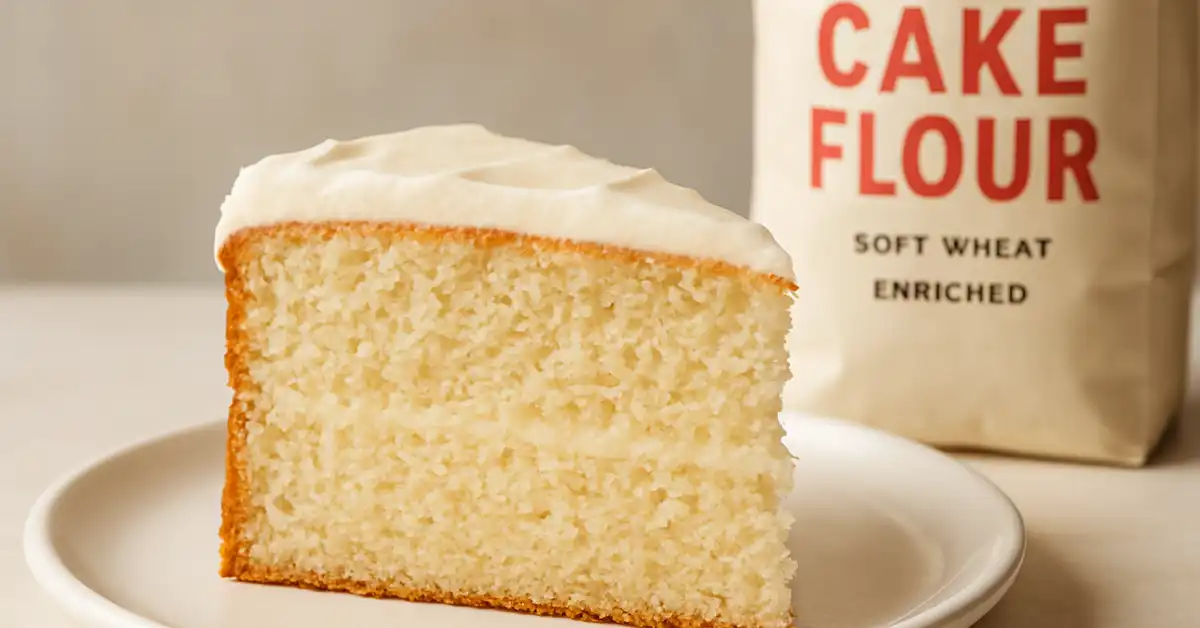
Can Cake Flour and Bread Flour Be Substituted?
Many bakers wonder if they can substitute cake flour for bread flour. While both are essential baking ingredients, they have distinct properties—primarily protein content—that directly affect the texture and structure of your baked goods. Substituting one for the other is possible, but it requires careful adjustments to maintain the desired quality.
Substituting Cake Flour for Bread Flour
Cake flour has a lower protein content (6-8%), meaning less gluten formation, which leads to softer and more tender baked goods. Using cake flour in place of bread flour will result in a smoother, less chewy texture. This substitution may work for softer breads or rolls, but is generally not recommended for recipes like pizza dough, bagels, or crusty loaves that require strong gluten development.
Tip: If you must use cake flour instead of bread flour, increase the kneading time to help develop gluten. Additionally, be prepared for a less structured, softer final product.
Substituting Bread Flour for Cake Flour
Bread flour contains higher protein (12-14%), which promotes gluten strength and chewiness. If you use bread flour in a recipe designed for cake flour, your baked goods may turn out dense, tough, or rubbery.
Tip: To soften bread flour for cake recipes, replace two tablespoons of bread flour per cup with two tablespoons of cornstarch. This reduces the overall protein content, mimicking cake flour’s tender texture.
General Tips for Flour Substitution
- Always measure flour by weight for accuracy.
- Adjust liquid ingredients if the texture feels too dry or wet, as protein content affects absorption.
- Avoid overmixing batters or doughs to prevent excessive gluten development, especially when substituting bread flour in delicate recipes.
- Experiment with small batches first to fine-tune your substitution ratios and techniques.
By understanding these practical tips, you can confidently substitute cake flour and bread flour when needed without compromising the texture and quality of your baked goods.
Baking Soda Substitute: Why It Matters When Using Cake Flour or Bread Flour
When baking with cake flour or bread flour, understanding the role of leavening agents like baking soda is just as important as choosing the right flour. Baking soda helps your baked goods rise by producing carbon dioxide gas when it reacts with acidic ingredients. However, sometimes you may run out of baking soda or prefer to use a substitute that suits your recipe better. Knowing adequate baking soda substitutes and how they interact with different flours can save your bake and improve texture and rise.
Why Baking Soda Substitutes Matter with Cake Flour or Bread Flour
Cake flour, with its low protein content, creates tender and delicate baked goods that rely heavily on proper leavening for lightness. Bread flour, on the other hand, has a higher protein level for chewy and structured bread, where the rise and gluten development are key. Using the correct leavening agent or its substitute ensures that your cakes stay fluffy and your breads get the perfect chewiness.
Common Baking Soda Alternatives and Their Effects
- Baking Powder: A popular substitute that contains baking soda along with an acidifying agent. Use about three times the amount of baking powder if substituting for baking soda. It works well with both cake flour and bread flour, but may slightly alter the flavor and rise.
- Potassium Bicarbonate: A sodium-free alternative suitable for low-sodium diets. It performs similarly to baking soda in both cake and bread recipes, but may require adjusting salt levels.
- Baker’s Ammonia: Best suited for crisp baked goods like cookies, but less ideal for moist cakes or bread due to its strong odor during baking.
- Whipped Egg Whites or Club Soda: Natural rising agents that add extra air and lightness, particularly useful in recipes using cake flour.
Choosing the proper baking soda substitute complements your choice of cake flour or bread flour and can make or break the texture and rise of your baked goods.
For a comprehensive guide on baking soda substitutes and tips on how to use them effectively, visit our detailed article on Baking Soda Substitute. This resource is invaluable for home bakers looking to perfect their recipes, whether using cake flour or bread flour.
Best Vegan Substitutes for Baking with Cake Flour or Bread Flour
If you’re exploring the world of baking with cake flour or bread flour and follow a vegan lifestyle, finding the right plant-based substitutes is essential. Vegan baking doesn’t mean compromising on texture or flavor—in fact, with the right ingredient swaps, your cakes, breads, and pastries can be just as delicious and satisfying.
When using cake flour or bread flour in vegan recipes, it’s essential to replace traditional animal-based ingredients like eggs, milk, and butter with effective plant-based alternatives. These substitutions work harmoniously with both flours to create tender cakes or chewy breads without sacrificing quality.
Vegan Egg Substitutes
Eggs provide structure, moisture, and leavening in baked goods, but there are excellent vegan options like flaxseed or chia seed “eggs,” applesauce, mashed bananas, or commercial egg replacers. These alternatives help maintain the moisture and binding needed in recipes using cake or bread flour.
Plant-Based Dairy Replacements
For dairy substitutes, options such as almond milk, soy milk, oat milk, and coconut milk can be used in equal measure to cow’s milk. Vegan butter or coconut oil replaces traditional butter, delivering richness and tenderness, especially in recipes calling for cake flour.
Flour Alternatives and Enhancements
While cake flour and bread flour are staples, some vegan recipes experiment with whole wheat pastry flour, spelt flour, or gluten-free blends to achieve varied textures. These alternatives are beneficial for those seeking allergen-friendly or nutrient-packed vegan baked goods.
By mastering these vegan ingredient swaps, you can create perfect vegan cakes, breads, and treats while using cake flour or bread flour effectively. For an in-depth look at the best plant-based baking substitutes, check out our comprehensive guide to Best Vegan Substitutes.
Embrace vegan baking with confidence and enjoy the delicious results that come from smart, thoughtful substitutions tailored to your baking flour choice.
FAQ on Cake Flour Or Bread Flour
What is the difference between cake flour and bread flour??
Cake flour has less protein (7-9%) and produces a soft, tender texture, ideal for cakes. Bread flour has more protein (12-14%), creating stronger gluten for a chewy, risen bread. Choosing the right flour depends on the desired texture. Learn more here: Cake Flour vs. Bread Flour: What’s the Difference?
Can Cake Flour Be Substituted For Bread Flour?
Cake flour can be substituted for bread flour, but it’s not ideal. Cake flour has less protein, affecting the texture. Bread may turn out less chewy and more crumbly. For best results, use the correct flour type for each recipe.
When Should You Use Cake Flour?
Use cake flour for delicate baked goods like cakes, cupcakes, and pastries. It creates a tender, light texture.
Does Cake Flour Bake Differently?
Yes, cake flour bakes differently. It has lower protein content, resulting in softer, lighter, and more tender cakes.
Can You Make Cake Flour From All-purpose Flour?
Yes, you can make cake flour from all-purpose flour. Remove 2 tablespoons of flour per cup, then add 2 tablespoons of cornstarch. Sift well.
Conclusion
Choosing between cake flour or bread flour plays a crucial role in the success of your baking projects. Cake flour, with its lower protein content, delivers tender, light, and airy baked goods, perfect for delicate cakes and pastries. On the other hand, bread flour’s higher protein strength creates the chewy, structured texture ideal for breads, pizza dough, and hearty baked treats. Understanding these key differences helps you select the right flour to achieve your desired texture and flavor every time.
Don’t be afraid to experiment with both flours in your kitchen. Trying out different recipes with cake flour or bread flour will deepen your baking skills and allow you to discover which flour suits your baking style best. Whether you’re aiming for fluffy cupcakes or crusty artisan bread, mastering the use of these flours opens the door to endless baking possibilities.
Ultimately, by choosing the right flour and learning how to use it effectively, you’ll elevate your baking and enjoy consistently delicious results. So, the next time you find yourself wondering which to pick, remember the unique qualities of cake flour or bread flour and bake with confidence. Happy baking!