Last Updated on April 2, 2026
Are you tired of grating cheese by hand and looking for a faster way? You might be wondering, can you shred cheese in a blender?
It sounds like a simple shortcut, but is it really the best option for your kitchen? You’ll discover the truth about using a blender to shred cheese, plus tips to get perfect results every time. Keep reading to save time and avoid common mistakes that could spoil your meal.
Credit: www.melaniecooks.com
Choosing The Right Cheese
Choosing the right cheese is important for shredding in a blender. Not all cheeses blend well. The texture and moisture affect the shredding process. Some cheeses become mushy, while others shred nicely. Picking the best type saves time and effort.
Hard Vs Soft Cheeses
Hard cheeses have low moisture and firm texture. They shred easily without clumping. Examples include Parmesan and Pecorino. These cheeses break into small pieces quickly in a blender.
Soft cheeses hold more water and are creamy. They can turn into a paste or clump when shredded. Mozzarella and Brie are soft cheeses. These are not ideal for shredding in a blender.
Best Cheese Types For Blending
Choose cheeses that are firm but not too dry. Cheddar and Monterey Jack work well. These cheeses shred smoothly and evenly.
Grated Parmesan is perfect for topping dishes. It blends into fine pieces quickly. Avoid fresh cheeses like Ricotta or Cream Cheese. They do not shred well and may clog the blender.
Preparing Cheese For Blending
Preparing cheese for blending is key to getting the best shredded texture. Proper prep helps the blender work smoothly. It also keeps the cheese from clumping or turning mushy.
Two main steps make a big difference: cutting the cheese into small pieces and chilling it well. These steps make blending easier and faster.
Cutting Into Small Pieces
Start by cutting the cheese block into small cubes. Pieces about 1 inch or smaller work best. Large chunks can strain the blender motor. Small pieces move better inside the blender jar. This leads to even shredding and less mess.
Use a sharp knife to cut cleanly. Soft or sticky cheese might be harder to cut. Try slicing gently to keep the pieces intact.
Chilling Cheese For Better Results
Cold cheese is easier to shred in a blender. Place the cut cheese in the fridge for 30 minutes. You can also put it in the freezer for 10–15 minutes. Avoid freezing too long to prevent hardness.
Chilling firms up the cheese. It stops the cheese from sticking to blender blades. This step helps create a fluffy, shredded texture. Soft cheese blends better when chilled first.
Blender Settings And Techniques
Using a blender to shred cheese can save time and effort. Knowing the right settings and techniques helps get the best results. The key is to control the blender speed and the processing time. Too fast or too long can turn cheese into a paste. Proper use of pulse function and avoiding overprocessing are essential steps.
Pulse Function Use
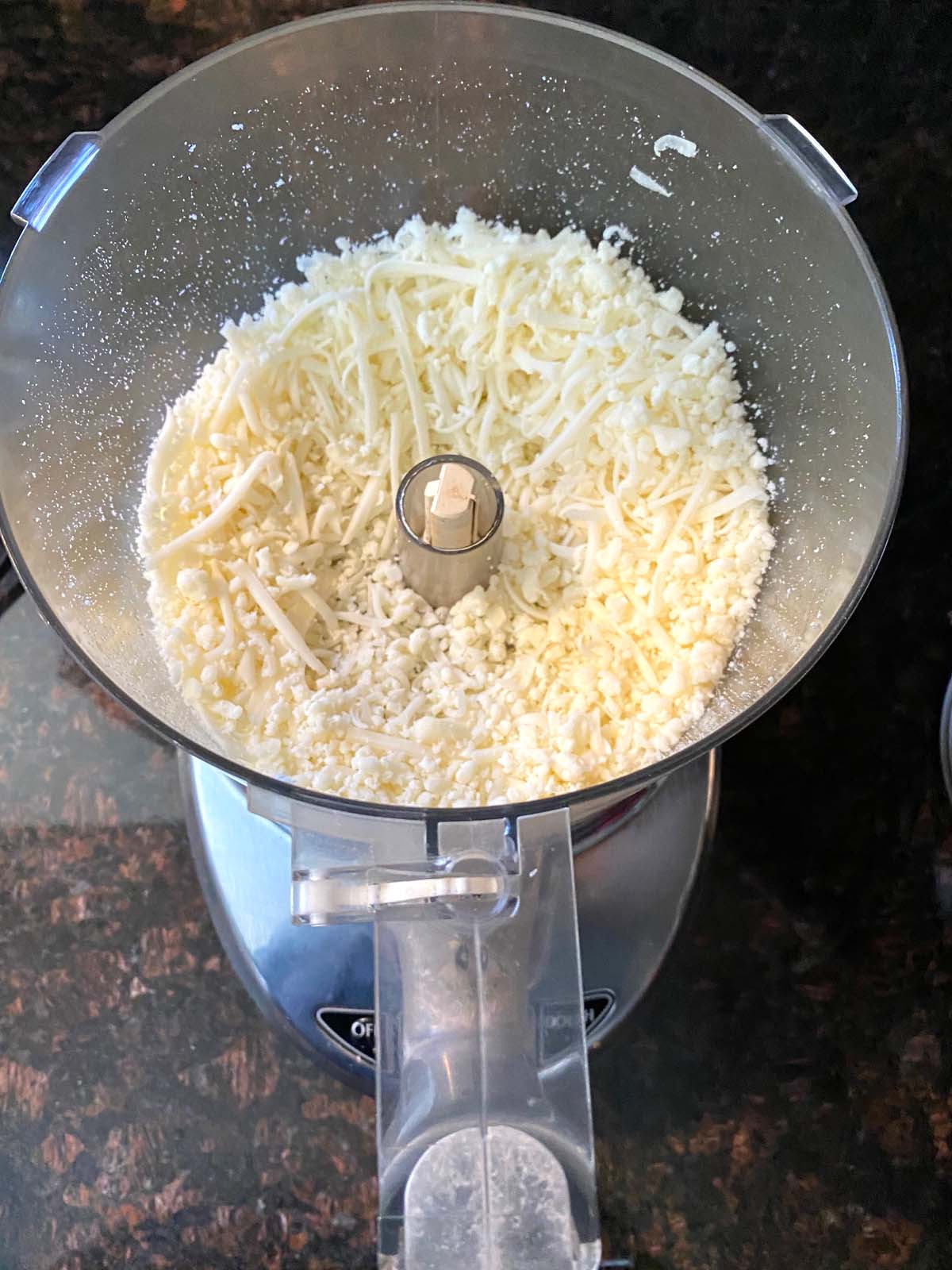
The pulse function lets you control the blending in short bursts. It prevents the cheese from turning into a mush. Press the pulse button for one or two seconds at a time. Stop and check the cheese texture between pulses. This method helps shred cheese evenly without overheating it.
Avoiding Overprocessing
Overprocessing can cause cheese to clump or melt. Use short pulses instead of continuous blending. Blend only until cheese pieces reach the desired size. Stop early to avoid turning cheese into a paste. Keep an eye on the texture to get perfect shreds every time.
Credit: www.melaniecooks.com
Safety Tips While Shredding Cheese
Shredding cheese in a blender can save time in the kitchen. Yet, safety is very important to avoid accidents and damage. Follow these tips to shred cheese safely and keep your blender in good condition.
Preventing Blender Damage
Use a blender with strong blades and a powerful motor. Soft cheeses can clog the blades, so cut cheese into small cubes first. Avoid overfilling the blender jar. Blend in short pulses to stop overheating. Clean the blender immediately after use to keep it working well.
Handling Cheese Safely
Wash your hands before handling cheese to avoid germs. Use a clean cutting board and knife to cut cheese into small pieces. Keep cheese cold until ready to shred. Never put your fingers near the blades. Use a spatula to push cheese down if needed.
Alternatives To Blender Shredding
Blenders are not the best tool for shredding cheese. They can crush or turn cheese into a paste. Luckily, there are other ways to shred cheese easily and quickly. These methods keep the cheese texture just right for cooking or topping dishes.
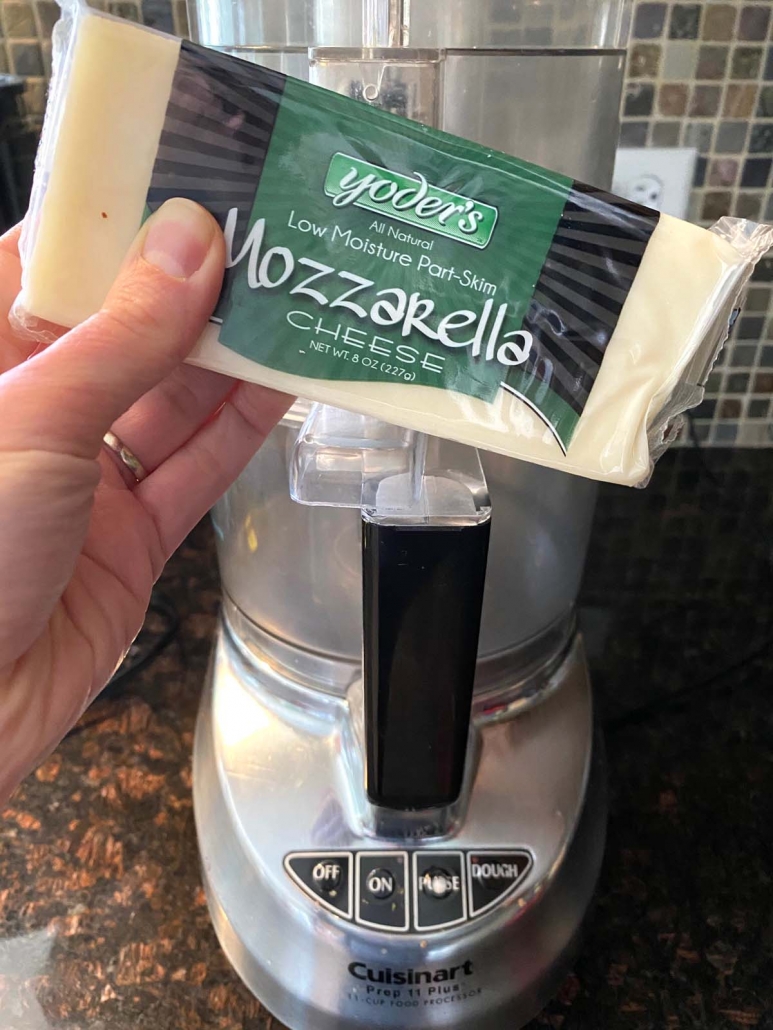
Using A Food Processor
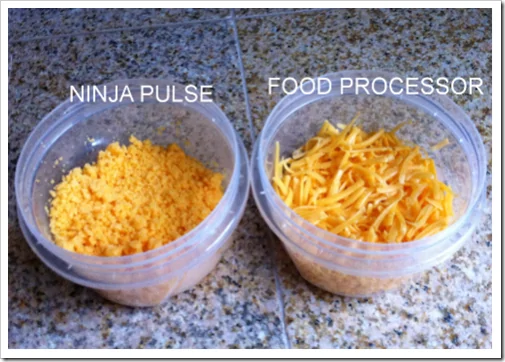
A food processor works well for shredding cheese. It has sharp blades that slice cheese into small pieces fast. Cut the cheese into chunks before placing it in the processor. Pulse the machine a few times to get the perfect shred size. This method saves time and effort compared to hand grating.
Manual Cheese Graters
Manual cheese graters are simple and effective tools. They come in different shapes and sizes for various shredding needs. Hold the cheese and rub it against the grater’s surface. The cheese falls through the holes as shredded pieces. This method gives you full control over shred thickness and quantity.
Credit: testkitchentuesday.com
Cleaning Up After Blending Cheese
Cleaning up after blending cheese is important for your blender’s life. Cheese can leave sticky, oily bits that are hard to clean. Taking care of these residues helps keep your blender fresh and working well. Proper cleaning stops smells and keeps your blades sharp.
Removing Cheese Residue
Start by scraping out any cheese stuck inside the blender jar. Use a soft spatula to avoid scratching the surface. Rinse the jar with warm water to loosen cheese bits. Add a drop of dish soap and fill halfway with warm water. Blend for 20 seconds to remove oils and small particles. Rinse well with clean water to clear soap. Check the blades for any stuck cheese and clean carefully. Use a small brush if needed, but be gentle.
Maintaining Blender Performance
Regular cleaning keeps blades sharp and motor healthy. Avoid letting cheese dry inside the jar; clean soon after use. Dry all parts completely before reassembling to stop rust. Run a quick cleaning cycle after each use to prevent buildup. Store your blender with the lid off to air out. This stops smells and keeps the jar fresh. A clean blender blends better and lasts longer.
Frequently Asked Questions
Can You Shred Cheese Using A Blender?
Yes, you can shred cheese in a blender. Use short pulses to avoid over-processing. Softer cheeses work best for blending.
What Types Of Cheese Can Be Shredded In A Blender?
Hard cheeses like cheddar and Parmesan shred well in a blender. Avoid very soft or fresh cheeses as they may turn mushy.
How To Prevent Cheese From Clumping In A Blender?
Chill the cheese and blender jar before shredding. Use short pulse bursts and add a little flour or cornstarch to reduce clumping.
Is Shredding Cheese In A Blender Better Than A Grater?
A blender is faster for large cheese amounts but less precise. A grater provides better texture control and less mess.
Conclusion
Shredding cheese in a blender works well for hard cheeses. Be careful not to overblend or the cheese will turn into a paste. Cut cheese into small pieces before blending for best results. Soft cheeses may not shred properly in a blender.
Clean the blender quickly to avoid cheese sticking. This method saves time compared to hand shredding. Try it out and see if it fits your kitchen routine. Simple, fast, and easy.