Last Updated on April 4, 2026
Have you ever wondered if your blender can do the job of a juicer? If you want fresh juice but don’t have a juicer on hand, you might be tempted to grab your blender instead.
But can a blender really replace a juicer? Understanding the differences can save you time and help you get the best taste and texture from your fruits and veggies. Keep reading to find out how you can use your blender as a juicer—and when it might not be the best idea for your health and kitchen.
Blender Vs Juicer
Blenders and juicers both help you make healthy drinks from fruits and vegetables. Each tool works in a different way and gives different results. Knowing how they differ helps you choose the right one for your needs.
Key Differences
A blender crushes whole fruits and vegetables, including the fiber. It creates a thick drink called a smoothie. A juicer extracts only the liquid, removing most of the pulp and fiber. The result is a clear, smooth juice.
Blenders keep all the nutrients and fiber. Juicers give a lighter, more concentrated juice. Blenders are usually easier to clean. Juicers take more time to wash and assemble.
Pros And Cons
Blenders save more time since you do not need to prepare the fruit as much. They are cheaper and more versatile. You can make soups, sauces, and smoothies. The downside is the drink is thicker and may feel heavier.
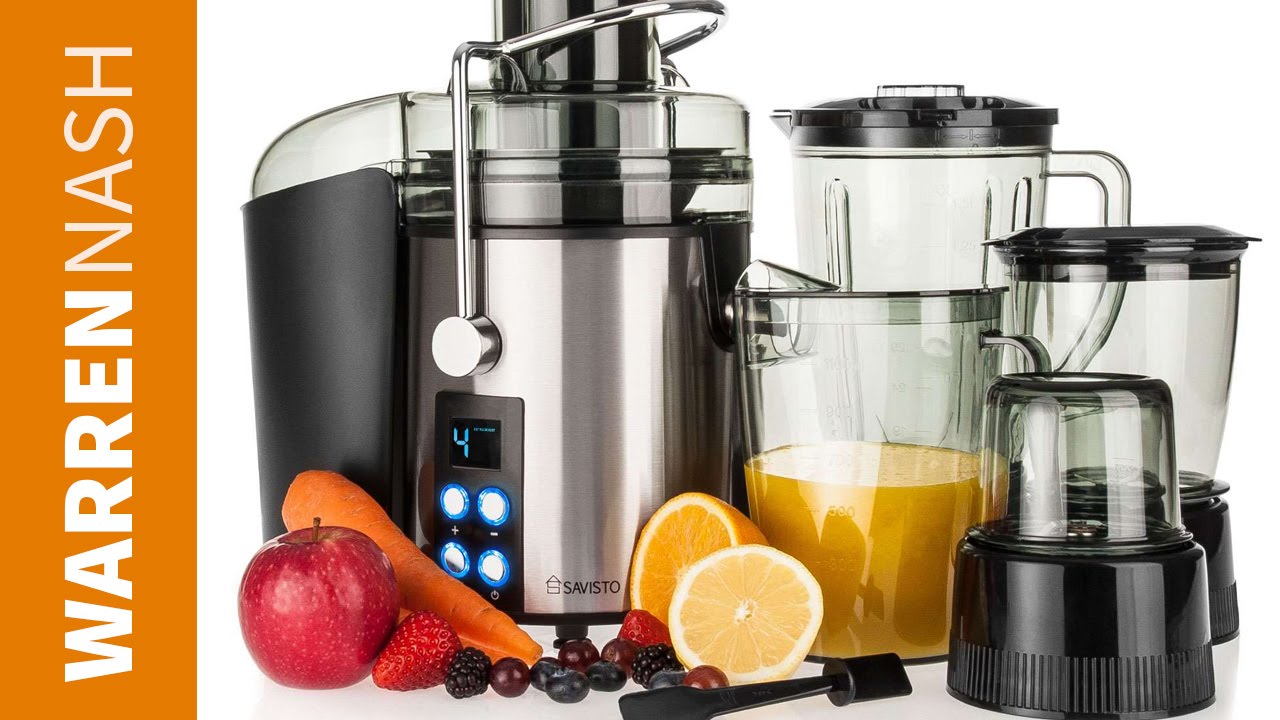
Juicers offer a pure juice that is easier to digest. They are good for people who want quick nutrient absorption. The machines can be noisy and expensive. Juicing wastes more of the fruit or vegetable pulp.

Credit: theconscientiouseater.com
How Blenders Extract Juice
Blenders can create juice by breaking down fruits and vegetables. They do not extract juice like traditional juicers. Instead, blenders crush all parts of the produce into a thick liquid. This process keeps the fiber and pulp inside the juice.
Blending Process
The blender uses sharp blades to chop fruits and vegetables. The blades spin fast to crush the produce into small pieces. This creates a thick, smoothie-like mixture. The blending process mixes juice, pulp, and fiber together.
Separating Pulp And Juice
After blending, the mixture contains both juice and pulp. To get clearer juice, you can strain the mixture. Use a fine mesh strainer or cheesecloth to separate the pulp. Press the mixture to release more juice. This step helps remove extra fiber and makes the juice smoother.
Choosing The Right Ingredients
Choosing the right ingredients matters a lot when using a blender as a juicer. The right fruits and vegetables make your juice smooth and tasty. Picking ingredients that blend well helps you get the best juice texture and flavor. Some produce works better in a blender than others. Knowing which ones to use can save time and avoid disappointment.
Best Fruits And Vegetables
Soft fruits work great in a blender. Examples include berries, grapes, and melons. These fruits break down easily and release juice quickly. Citrus fruits like oranges and lemons add a fresh, tangy taste. They also blend smoothly. Vegetables like cucumbers and tomatoes are good choices. They have high water content and blend well. These ingredients help create a refreshing juice with little effort.
Avoiding Fibrous Produce
Fibrous vegetables do not blend well into juice. Celery, kale, and spinach are too stringy. They can make juice thick and hard to drink. Fibers may clog your blender or leave chunks. Avoid using too much fibrous produce for smooth juice. Instead, use them in small amounts or blend longer. Straining the juice after blending also helps remove fibers. This keeps your juice easy to sip and enjoy.
Credit: www.youtube.com
Step-by-step Juicing With A Blender
Using a blender to make juice is a simple process. It can save money and reduce the need for extra machines. You need to follow clear steps for good results. This guide explains how to prepare, blend, and strain fruits and vegetables for fresh juice.
Preparation Tips
Wash all fruits and vegetables well. Cut them into small pieces. Remove seeds, pits, and hard stems. Soft fruits like berries and bananas work best. Leafy greens add nutrients but blend in smaller amounts. Chill ingredients for a fresher taste.
Blending Techniques
Add the cut pieces to the blender jar. Pour a small amount of water or juice to help blending. Start at a low speed and increase slowly. Blend for about 30 to 60 seconds. Stop and stir if needed. The mixture should be smooth but thick.
Straining Methods
Pour the blended mixture through a fine mesh strainer or cheesecloth. Use a spoon to press the pulp and squeeze out juice. Repeat straining for a clearer juice. Save the pulp for smoothies or baking. Serve the juice fresh and enjoy.
Enhancing Juice Flavor And Texture
Enhancing juice flavor and texture makes homemade juice more enjoyable. Using a blender as a juicer lets you control taste and feel. Small changes can make a big difference in the final drink.
Simple tweaks improve the experience. Sweetness and spice balance the flavors. The right texture makes the juice smooth and fresh.
Adding Sweeteners And Spices
Add natural sweeteners like honey or maple syrup for mild sweetness. A small amount brightens flavor without overpowering. Fresh herbs such as mint or basil add a refreshing twist. Spices like cinnamon or ginger bring warmth and depth. Use spices sparingly to keep juice pleasant and easy to drink.
Balancing Consistency
Blended juice often has pulp and thick parts. Thin the juice with water, coconut water, or ice cubes. Blend again for even texture. Strain the juice if you want it smoother. Keep some pulp for fiber and body. Adjust thickness to suit personal taste and drink style.
Cleaning And Maintenance Tips
Keeping your blender clean after juicing is very important. It helps keep the blender working well and stops smells from building up. Good cleaning also means your juice will taste fresh every time. Here are some simple tips to help with cleaning and care.
Post-juicing Cleanup
Rinse the blender container right after juicing. This stops pulp from drying and sticking. Use warm water and a little dish soap. Fill the blender halfway, then blend for 20 seconds. Pour out the soapy water and rinse again. Wipe the outside with a clean cloth.
Blade And Container Care
Be careful when cleaning the blades. They are sharp and can cut your fingers. Use a brush or sponge to clean around the blades. Avoid soaking the blade base too long to prevent damage. Dry the container and blades well before storing. This keeps parts from rusting or smelling bad.
When To Choose A Juicer Instead
Choosing between a blender and a juicer depends on what you want from your juice. Both tools work differently and offer distinct results. Sometimes, a juicer is the better option. Understanding when to pick a juicer helps you get the best juice experience.
Juice Yield Considerations
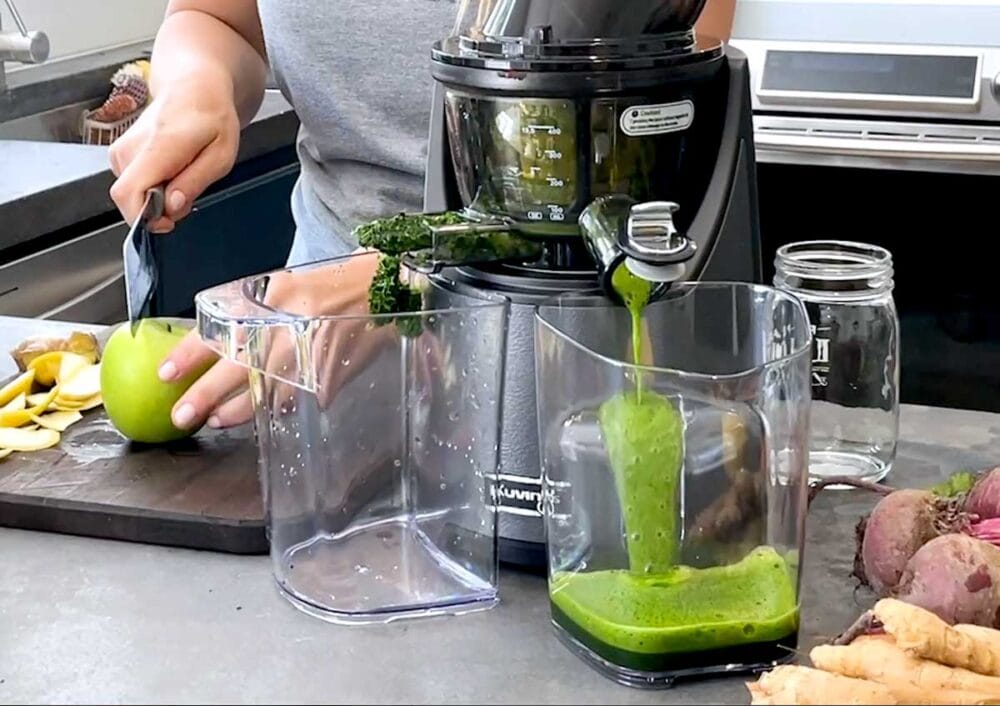
Juicers extract more juice from fruits and vegetables. They squeeze out liquid and leave behind dry pulp. Blenders, on the other hand, blend everything together, including pulp. This means you get less juice volume with a blender. Juicers save more juice, making them ideal for large servings. Also, juicers handle hard vegetables better. If you want more juice with less effort, a juicer is best.
Nutrient Retention
Juicers often keep more nutrients in the juice. They separate juice from fiber gently, reducing heat and oxidation. Blenders create more heat and mix air into the juice. This can lower vitamin levels and freshness. Juicing gives a clearer, nutrient-rich drink. For those focused on health benefits, a juicer helps preserve vitamins and enzymes. This makes the juice healthier and easier to digest.
Credit: simplegreensmoothies.com
Frequently Asked Questions
Can A Blender Replace A Juicer Effectively?
Yes, a blender can replace a juicer for making juice. It blends whole fruits and vegetables, retaining fiber. However, it produces thicker juice, unlike a juicer which extracts liquid and removes pulp.
How To Use A Blender As A Juicer?
Cut fruits or vegetables into small pieces. Blend them with a little water until smooth. Then, strain the mixture using a fine mesh or cheesecloth to separate juice from pulp.
Is Blended Juice Healthier Than Juiced Juice?
Blended juice retains all dietary fiber, aiding digestion and fullness. Juiced juice removes fiber but provides a smoother texture. Both have similar vitamins, but blending offers more fiber benefits.
Can Blenders Handle Hard Fruits And Vegetables?
Most blenders can handle hard fruits and vegetables if cut into small pieces. Use high-speed settings for better results. However, some blenders may struggle with very tough produce.
Conclusion
A blender can work like a juicer but with some limits. It blends whole fruits and vegetables, keeping the fiber inside. This makes drinks thicker than juice from a juicer. You may need to strain the blend for smoother juice.
Blenders are good for quick, easy drinks but don’t extract juice like a juicer does. Choose the tool based on what you want in your drink. Both can help you enjoy fresh fruits and veggies every day.