Last Updated on December 15, 2025
Choosing the right chef knife size can change the way you cook every meal. You might think bigger is better, or that a small knife is easier to handle—but which one truly fits your style?
Your knife should feel like an extension of your hand, making chopping, slicing, and dicing effortless and even enjoyable. Keep reading, and you’ll discover how the perfect chef knife size can save you time, boost your confidence, and make your kitchen tasks smoother than ever before.
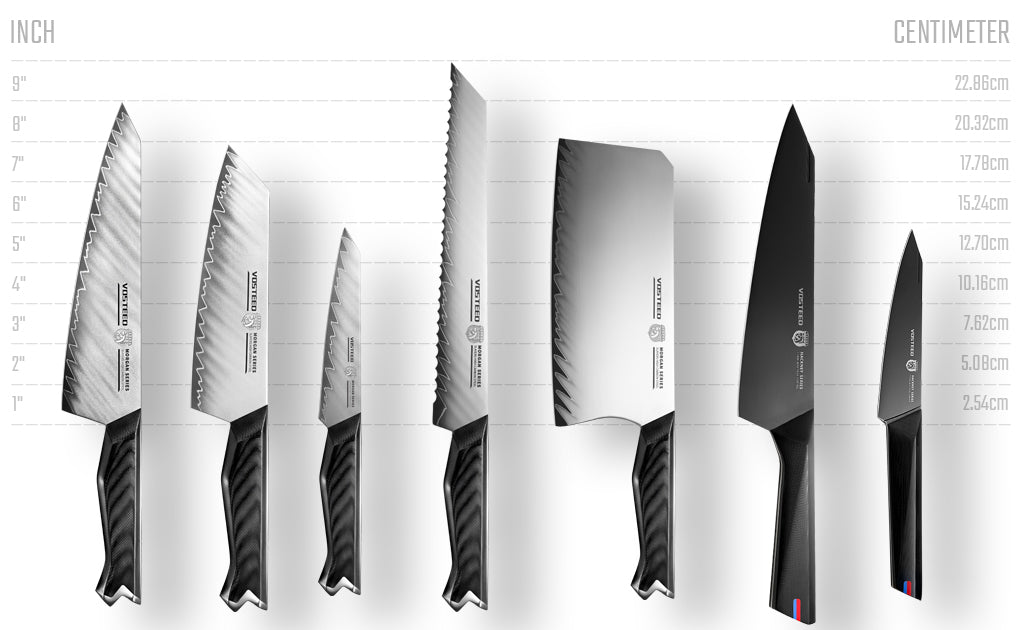
Credit: www.vosteed.com
Why Size Matters
Choosing the right chef knife size is very important. Size affects how well you cook and how safe you feel using the knife. The right size helps you work faster and better. It also makes cooking more comfortable. Small or big knives suit different tasks. Understanding why size matters can help you pick the perfect chef knife for your kitchen.
Impact On Cooking Efficiency
A larger knife cuts more food at once. This saves time and effort. It is good for chopping vegetables or slicing meat quickly. Smaller knives give more control for detailed work. They help cut thin slices or small pieces. Using the right size knife improves your speed and accuracy. It makes cooking smoother and less tiring.
Comfort And Safety
A knife that fits your hand well feels better to hold. Big knives can be hard to control if your hands are small. Small knives may cause hand strain if you cut big items. The right size reduces the risk of slipping and accidents. Comfortable knives help keep your hands steady. Safe handling is key in any kitchen task.
Types Of Kitchen Tasks
Different cooking tasks need different knife sizes. A large chef knife is best for cutting big vegetables and meat. Medium knives work well for everyday chopping and slicing. Small knives are ideal for peeling and trimming. Using the correct size for each task makes your work easier. It also helps keep your knife sharp longer.
Common Chef Knife Sizes
Chef knives come in different sizes. Each size fits different kitchen tasks. Choosing the right size helps cut food safely and quickly. Knowing common chef knife sizes helps pick the best one for your needs.
6-inch Knives
These knives are small and easy to handle. They work well for people with small hands. Perfect for cutting fruits, vegetables, and small meats. Easy to control for precise cuts. Great for quick kitchen tasks and tight spaces.
8-inch Knives
The most popular chef knife size. Offers a good balance between control and cutting power. Ideal for slicing, dicing, and chopping most foods. Fits well in most kitchens and hands. A versatile choice for many cooks.
10-inch Knives
Large knives for heavy-duty cutting tasks. Helps slice large vegetables and big cuts of meat. Gives more reach and leverage. Requires more skill to use safely. Great for experienced cooks who need extra cutting power.
Choosing Based On Hand Size
Choosing the right chef knife size depends a lot on hand size. A knife that fits well gives better control and comfort. It lowers the chance of slipping or hand fatigue. Small hands need smaller knives. Big hands need longer blades. This helps in safe and easy cutting.
Measuring Your Hand
Start by measuring your hand length. Use a ruler or tape measure. Measure from the tip of your middle finger to the base of your palm. Write down the number in inches or centimeters. This number helps pick a knife size that feels right.
Matching Knife Length To Grip
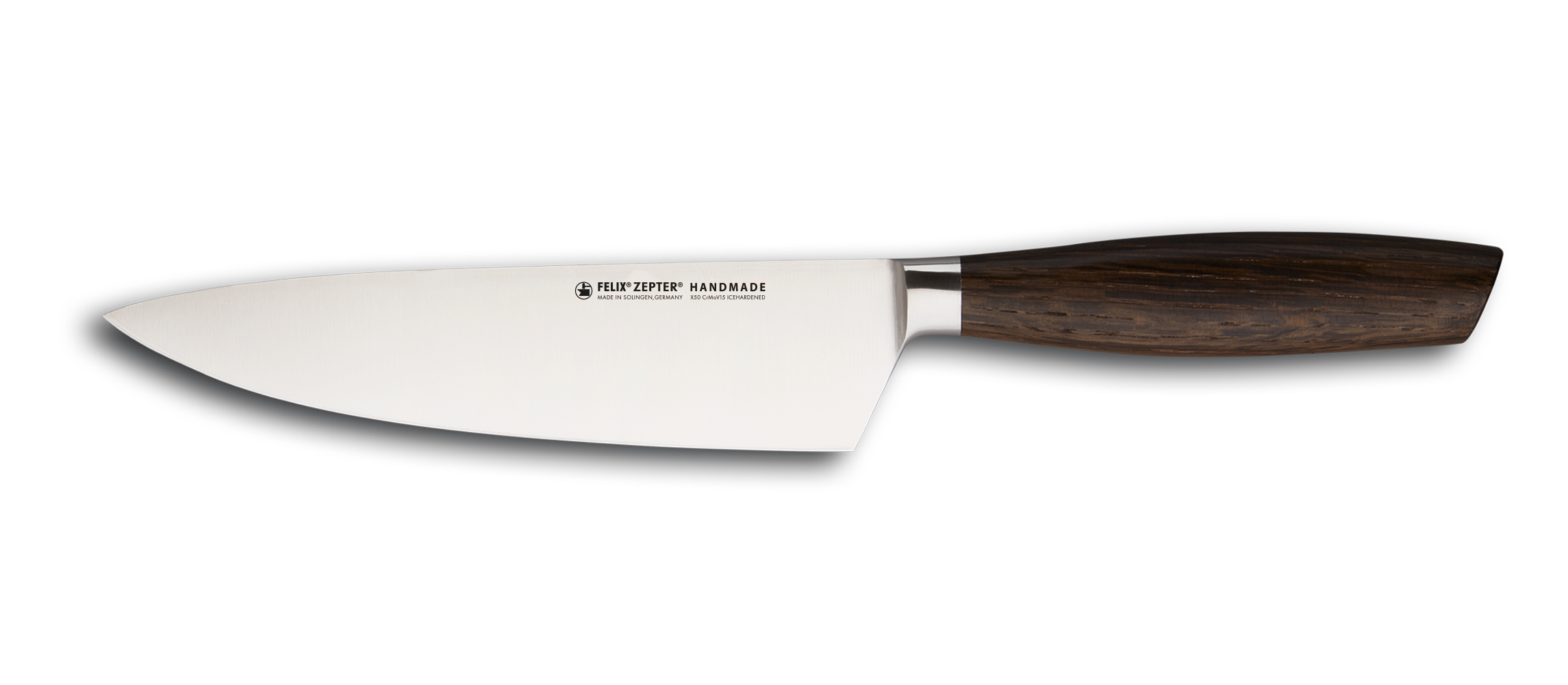
Choose a knife blade length that matches your hand size. For small hands, 6 to 7 inches works well. Medium hands fit 8-inch knives. Large hands can handle 9 to 10 inches. The knife handle should fill your palm without stretching your fingers too much. A good grip makes cutting safer and easier.
Credit: www.felix-solingen.de
Considering Your Cooking Style
Choosing the right chef knife size depends a lot on how you cook. Different cooking styles need different tools. The size affects your control and comfort in the kitchen. Understanding your style helps pick the best knife for your needs.
Some cooks need fine control for delicate tasks. Others need power for heavy chopping. The right knife size makes cooking easier and more enjoyable.
Precision Vs. Power
Small knives offer better control. They help with slicing thin cuts and detailed work. A 6-inch knife suits these tasks well. It feels light and easy to handle.
Larger knives bring more power. They cut through thick vegetables and meat faster. An 8 to 10-inch knife is common for this. It gives strong, confident chopping strokes.
Your choice depends on what you cook most. Choose a size that feels natural in your hand.
Home Cooking Vs. Professional Use
Home cooks often prefer medium-sized knives. They are versatile and easy to use. A 7 to 8-inch knife fits most home kitchens well.
Professional chefs may select knives by task. They use smaller knives for detail and larger ones for bulk work. Many pros carry multiple sizes for different jobs.
Think about your kitchen space and how much prep work you do. Pick a knife size that suits your daily routine.
Material And Weight Factors
Choosing the right chef knife size depends a lot on material and weight. These factors affect comfort, control, and cutting ease. Understanding blade material and handle design helps find the best fit for your needs.
Blade Material
Blade material impacts sharpness and durability. Stainless steel resists rust and stays sharp longer. Carbon steel cuts well but needs more care to avoid rust. Some blades have special coatings to reduce stickiness. The right material keeps the blade sharp and safe for daily use.
Handle Design And Weight Balance
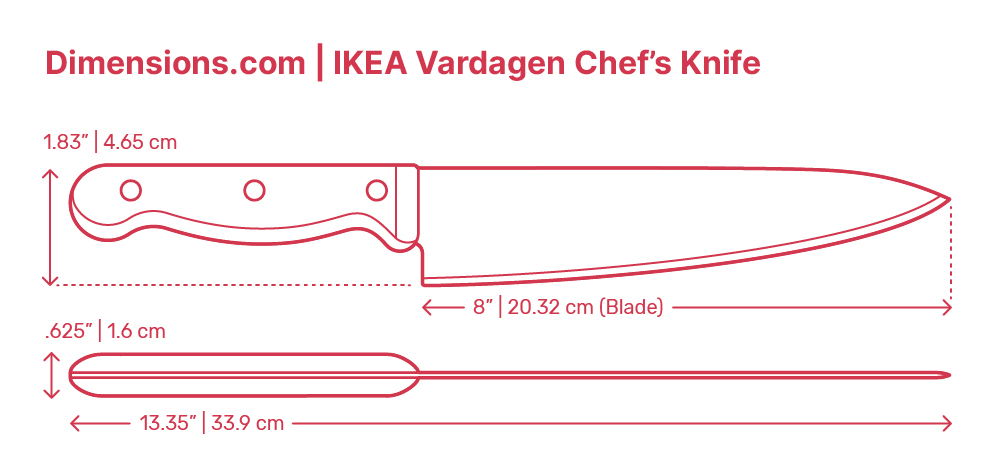
Handle shape affects grip and control during cutting. A well-designed handle fits the hand comfortably. The knife’s balance depends on weight distribution between blade and handle. Balanced knives reduce hand fatigue and improve cutting precision. Choose a knife that feels steady and easy to move.
Credit: www.dimensions.com
Testing Knife Fit And Feel
Testing the fit and feel of a chef knife is essential before buying. A knife that feels right in your hand helps you cut better and safer. The size and weight should match your hand size and strength. Trying a knife lets you check its balance and comfort. This step saves money and frustration later.
Try Before You Buy
Hold the knife as if you will use it daily. Grip the handle and move the blade gently. Notice if it feels heavy or light. Check if your fingers fit well around the handle. A good fit gives control and reduces hand strain. Test cutting motions, like slicing or chopping, in the air. This helps you feel the knife’s balance and weight. Avoid knives that slip or feel awkward.
Common Grip Techniques
The most common grip is the pinch grip. Pinch the blade near the handle with your thumb and index finger. Wrap the other fingers around the handle. This grip offers precision and control. Another grip is the handle grip. Hold the handle fully with all fingers. It is good for heavy chopping. Try both grips to see which feels better. Choose the grip that feels natural and steady.
Maintaining Your Chef Knife
Maintaining your chef knife is key to keeping it sharp and safe. A well-cared knife lasts longer and works better. Simple habits can protect your knife’s edge and handle. Regular care keeps it ready for any kitchen task.
Sharpening Tips
Sharpen your knife regularly to keep the edge sharp. Use a whetstone or a knife sharpener. Hold the blade at a 20-degree angle while sharpening. Move the blade gently across the sharpener. Sharpen both sides evenly for a balanced edge. Test sharpness by slicing through paper or vegetables. Avoid using dull knives; they are more dangerous.
Storage And Care
Store your chef knife safely to protect the blade. Use a knife block, magnetic strip, or blade guard. Keep the knife dry to prevent rust and stains. Wash the knife by hand with warm, soapy water. Dry it immediately with a soft cloth. Avoid putting knives in the dishwasher; it dulls the blade. Store knives separately to avoid damage and accidents.
Frequently Asked Questions
What Is The Ideal Chef Knife Size?
The ideal chef knife size is usually between 8 to 10 inches. This size balances control and cutting surface, fitting most kitchen tasks perfectly.
How Does Chef Knife Size Affect Cutting?
Larger knives cover more cutting area, speeding up tasks. Smaller knives offer better precision and control for detailed work.
Which Chef Knife Size Suits Beginners Best?
An 8-inch chef knife is best for beginners. It provides a good balance of control and versatility for various kitchen tasks.
Can Chef Knife Size Impact Hand Comfort?
Yes, knife size affects hand comfort. Choosing a knife that fits your hand size reduces fatigue and improves cutting safety.
Conclusion
Choosing the right chef knife size makes cooking easier and safer. A smaller knife offers more control for detailed work. Larger knives handle big tasks and speed up prep time. Think about your hand size and cooking style before buying.
Comfort matters as much as blade length. The right knife feels natural in your hand. Practice with different sizes to find your favorite. Good knives help you enjoy cooking every day. Simple choices lead to better kitchen results.