Last Updated on December 17, 2025
Are you tired of struggling with dull knives that just won’t cut right? Choosing the right knife sharpener can make all the difference, but with so many options out there, it’s easy to feel overwhelmed.
Should you go for a coarse sharpener or a fine one? Understanding the difference can save you time, effort, and frustration. You’ll discover how each type works and which one suits your needs best. Keep reading to make your knives sharper than ever before!

Credit: seidoknives.com
Types Of Knife Sharpeners
Knife sharpeners come in different types. Each type serves a unique purpose. Choosing the right sharpener helps maintain your knives better. Below are the main types of knife sharpeners.
Coarse Sharpeners
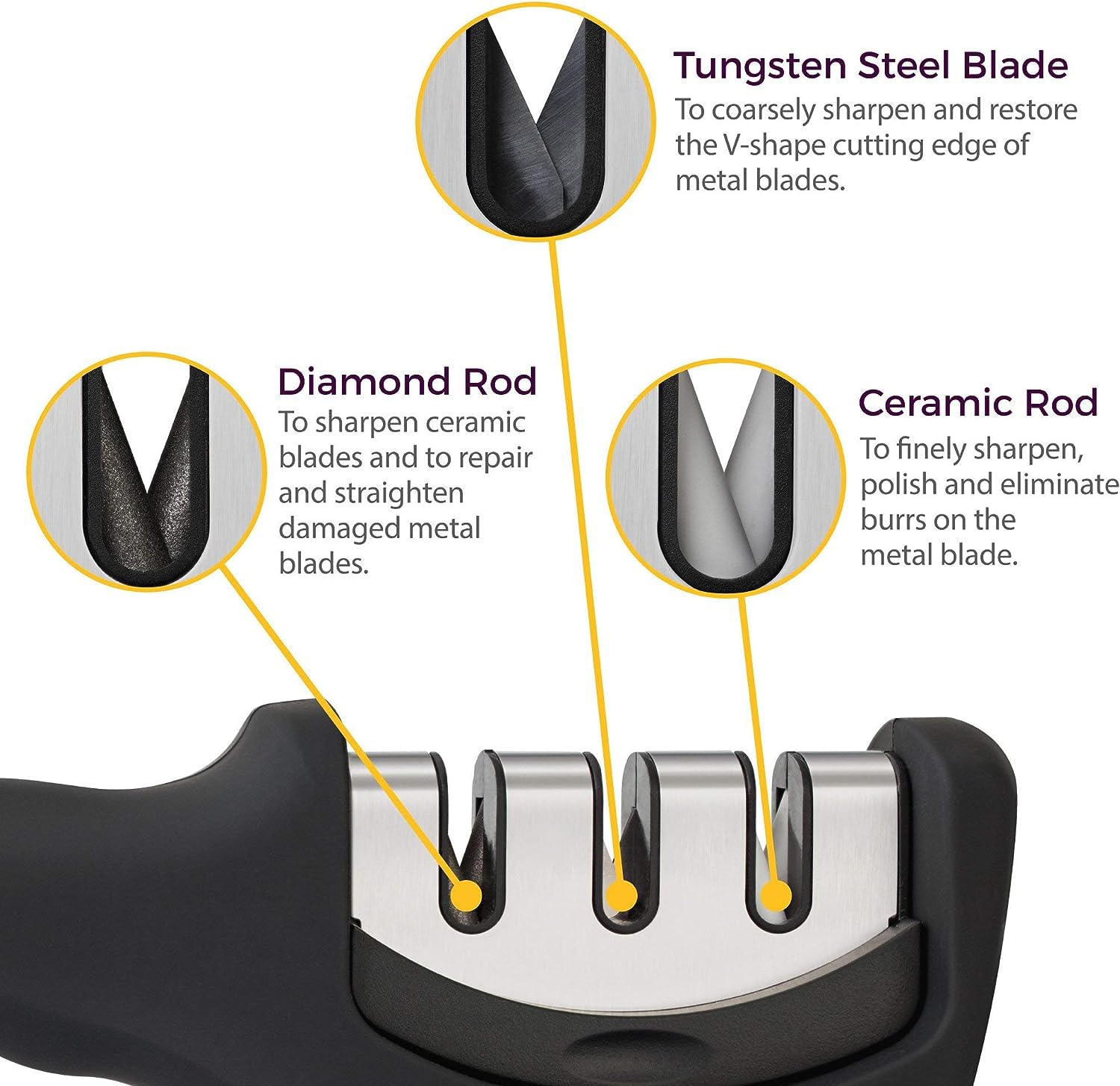
Coarse sharpeners remove a lot of metal quickly. They fix very dull or damaged blades. These sharpeners use rough stones or diamond surfaces. Coarse sharpening creates a new edge fast. It is not for daily use. Use it only when the blade is very dull.
Fine Sharpeners
Fine sharpeners polish and refine the blade edge. They use smooth stones or ceramic rods. Fine sharpening keeps the knife sharp for daily tasks. It removes small burrs and smooths the edge. Use fine sharpeners regularly to maintain sharpness. They provide a clean, precise cut.
Combination Sharpeners
Combination sharpeners have both coarse and fine surfaces. They offer a complete sharpening solution. Start with the coarse side for dull blades. Finish with the fine side for a polished edge. These sharpeners save time and space. They are good for general home use.
How Coarse Sharpeners Work
Coarse knife sharpeners have rough surfaces that grind away metal quickly. They remove more material than fine sharpeners. This helps fix dull or damaged blades fast.
The sharpening process reshapes the blade edge. It removes nicks and chips, making the blade sharper and stronger. Coarse sharpeners prepare the blade for finer sharpening later.
Material Removal Process
Coarse sharpeners use abrasive stones or wheels. These abrasives scrape off metal from the knife edge. The rough texture makes it easier to remove deep imperfections.
Each pass with a coarse sharpener takes a thin layer off the blade. This shapes the edge quickly but leaves a rough finish. The blade looks sharper but still needs smoothing.
Best Uses For Coarse Sharpening
Coarse sharpeners work best on very dull or damaged knives. They fix chips, bends, and heavy wear fast. Ideal for knives that have lost their edge completely.
They also help reshape blades after heavy use or sharpening mistakes. Use coarse sharpening before moving to fine stones or honing rods. This improves cutting performance in less time.
How Fine Sharpeners Work
Fine knife sharpeners work by carefully smoothing the blade’s edge. They use very small abrasive particles to polish the knife. This process removes tiny imperfections and makes the edge sharper and smoother. Fine sharpeners do not grind away much metal. Instead, they refine the edge for better cutting performance and longer-lasting sharpness.
Polishing The Edge
Fine sharpeners polish the knife’s edge by rubbing it gently. This removes rough spots left by coarse sharpening. The polishing creates a shiny, smooth finish on the blade. A polished edge cuts more cleanly and feels sharper. It also helps prevent the blade from dulling quickly during use.
When To Use Fine Sharpening
Use fine sharpening after coarse sharpening or for light touch-ups. It is best for maintaining a sharp edge without removing much metal. Fine sharpeners work well for knives that only need minor repairs. Regular use keeps knives sharp and ready for everyday tasks.
Choosing Between Coarse And Fine
Choosing between a coarse and fine knife sharpener depends on several key factors. Each type of sharpener serves a different purpose. Understanding these differences helps maintain your knives better and keeps them sharp longer.
Edge Condition Assessment
Check the knife’s edge before sharpening. A very dull or damaged edge needs a coarse sharpener. It removes more metal and fixes chips. A blade with minor dullness benefits from a fine sharpener. It smooths and polishes the edge for a sharper finish.
Frequency Of Sharpening
Use a fine sharpener for regular maintenance. It keeps the edge sharp without removing too much metal. Coarse sharpeners work best for occasional use. Use them only when the blade becomes very blunt or damaged. Frequent coarse sharpening can wear down the blade faster.
Type Of Knife And Usage
Consider the knife’s material and use. Hard steel knives need fine sharpeners to protect the edge. Soft steel or heavily used knives may require coarse sharpeners more often. Kitchen knives used daily usually need fine sharpening. Outdoor or utility knives might need coarse sharpening to restore rough edges.
Techniques For Using Coarse Sharpeners
Using a coarse knife sharpener helps fix dull or damaged blades quickly. It removes more metal and reshapes the edge. This tool works best before using a fine sharpener for a smooth finish. Proper technique ensures good results and protects the knife’s life.
Focus on steady motions and control. Coarse sharpeners require patience. Rushing can cause uneven edges or damage. Follow clear steps to sharpen safely and effectively.
Proper Angle And Pressure
Hold the knife at a 20-degree angle against the coarse sharpener. Keep this angle steady during each stroke. Too steep or too flat weakens the edge. Use light to medium pressure. Pressing hard wears the blade faster and can slip. Let the sharpener do the work. Move the knife slowly and evenly for best results.
Safety Tips
Place the sharpener on a stable surface before starting. Hold the knife handle firmly to avoid slips. Keep fingers away from the blade path. Move the knife away from your body. Use protective gloves if needed. Clean the blade after sharpening to remove metal particles. Store sharpeners and knives safely out of children’s reach.
Techniques For Using Fine Sharpeners
Fine sharpeners polish and refine the blade edge after coarse sharpening. They remove small burrs and smooth the surface. Using fine sharpeners correctly keeps knives sharp and safe. Simple techniques help achieve a clean, precise edge without damaging the blade.
Maintaining A Consistent Angle
Hold the knife at the same angle throughout sharpening. Usually, a 15 to 20-degree angle works well for most knives. Changing angles can dull the edge or create uneven sharpening. Keep the blade steady and glide it across the sharpener with light pressure. Repeat strokes evenly on both sides of the blade.
Finishing Touches
After sharpening, wipe the blade clean to remove metal particles. Test the sharpness by carefully slicing through paper or a tomato. Avoid pressing hard during testing. Store the knife safely to protect the new edge. Regular fine sharpening extends the knife’s life and performance.
Maintenance And Care Tips
Maintaining your knife sharpener ensures it works well for a long time. Proper care keeps the sharpener effective and safe. Small habits make a big difference in performance and durability.
Cleaning Sharpeners
Cleaning your sharpener after use removes metal dust and debris. Use a soft brush or cloth to wipe the surfaces. Avoid water on sharpeners that do not support moisture. For water-safe models, rinse gently and dry completely. Regular cleaning prevents buildup that can harm the blades.
Storage Recommendations
Store sharpeners in a dry place to avoid rust or damage. Keep them away from extreme heat or cold. Use a protective cover if available to keep dust out. Place sharpeners where they will not fall or get knocked. Good storage helps maintain sharpener shape and sharpness quality.
Credit: seidoknives.com
Common Mistakes To Avoid
Choosing the right knife sharpener is important. Using it well keeps your knives sharp and safe. Many people make simple mistakes that hurt their blades or waste time. Avoid these common errors to get the best results.
Over-sharpening
Sharpening your knife too often can wear it down quickly. Each time you sharpen, you remove a thin layer of metal. This can make the blade weak or uneven. Use the coarse sharpener only when the knife is very dull. Then switch to fine for regular touch-ups.
Ignoring Blade Damage
Do not skip checking your knife for chips or cracks. Coarse sharpeners fix big damage but can be rough on blades. Fine sharpeners smooth small nicks and keep the edge neat. Ignoring damage can make sharpening less effective and shorten blade life.
Tools For Perfect Edges
Perfect knife edges need the right tools. Sharp edges make cutting easier and safer. Different tools suit different sharpening needs. Knowing these tools helps you pick the best one for your knives.
Sharpening Stones
Sharpening stones come in coarse and fine grits. Coarse stones remove more metal and fix dull blades fast. Fine stones polish edges to smooth sharpness. Use stones with water or oil for better results. They give control over the sharpening angle and pressure. Stones need practice but work well for all knives.
Electric Sharpeners
Electric sharpeners are quick and easy to use. They have different slots for coarse and fine sharpening. Coarse slots reshape the blade edge fast. Fine slots refine and polish the edge. These sharpeners fit busy kitchens and beginners. Avoid pressing too hard to keep blade shape safe.
Honing Rods
Honing rods do not sharpen but align the edge. Use them regularly to keep blades sharp longer. They work best on fine edges and small chips. Steel rods are common, ceramic rods offer gentle polishing. Honing rods help maintain knives between sharpening sessions.
Credit: www.amazon.com
Frequently Asked Questions
What Is The Difference Between Coarse And Fine Knife Sharpeners?
Coarse sharpeners remove more metal to fix dull blades quickly. Fine sharpeners polish and refine edges for a sharper finish. Use coarse first for damaged knives, then fine for smoothness and precision.
When Should I Use A Coarse Knife Sharpener?
Use a coarse sharpener for very dull or damaged knives. It reshapes the blade quickly by removing more material. Coarse sharpening is ideal before refining the edge with a fine sharpener.
Why Choose A Fine Knife Sharpener Over Coarse?
Fine sharpeners create a polished, razor-sharp edge. They remove less metal, preserving the blade’s life. Fine sharpening is perfect for routine maintenance and finishing touches after coarse sharpening.
Can I Use Only A Fine Sharpener For My Knives?
Using only a fine sharpener works for slightly dull knives. However, very dull or damaged blades need coarse sharpening first. Fine sharpeners alone won’t fix serious blade imperfections effectively.
Conclusion
Choosing between coarse and fine knife sharpeners depends on your blade’s needs. Coarse sharpeners fix very dull or damaged edges quickly. Fine sharpeners smooth and polish the blade for a sharp finish. Using both types in order gives the best results.
Regular sharpening keeps knives safe and effective. Remember, a sharp knife saves time and effort. Keep your tools ready for any kitchen task. Simple care extends your knife’s life. Sharp edges make cooking easier and safer every day.