Last Updated on February 13, 2026
Have you ever started baking and wondered, “How many cups of sugar are in a pound?” Getting this right can make or break your recipe. If you measure sugar incorrectly, your dessert might turn out too sweet or not sweet enough.
Knowing the exact conversion can save you from kitchen mishaps and help you create perfect treats every time. Keep reading to discover the simple answer and tips that will make your baking smoother and more enjoyable.
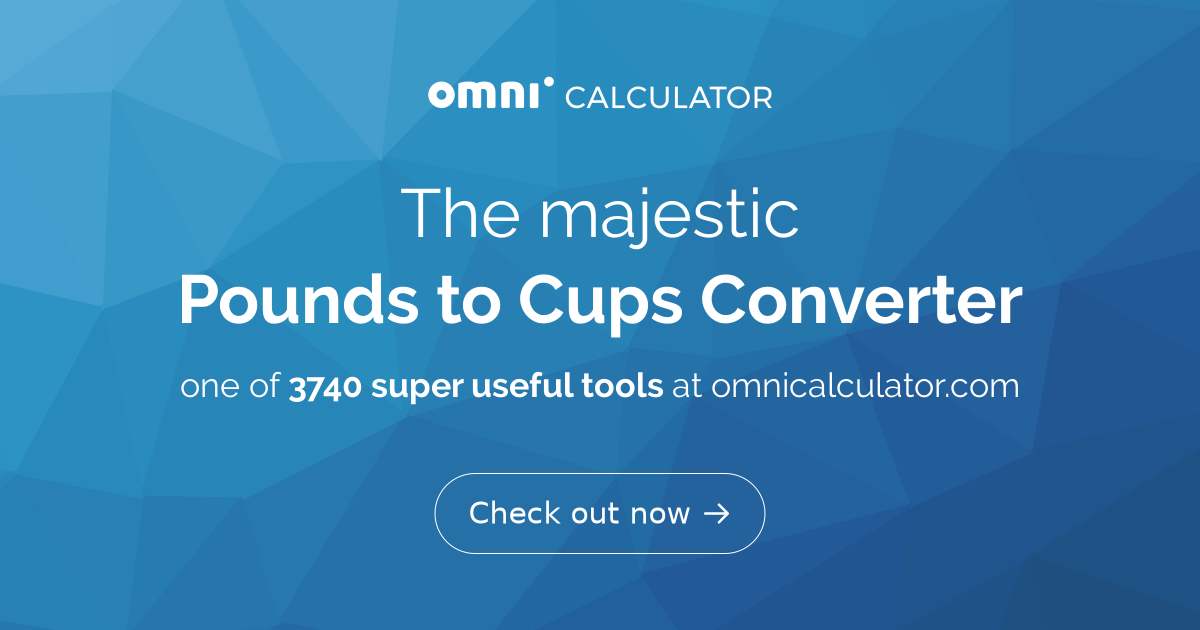
Credit: www.omnicalculator.com
Sugar Weight Basics
Understanding sugar weight helps in cooking and baking. Recipes often list sugar by weight or volume. Knowing the difference makes your results better.
Measuring sugar by weight is more accurate than by cups. This is because sugar can pack differently in a cup. Let’s explore why weight matters and how sugar types affect density.
Why Weight Matters
Weight gives a precise amount of sugar. Cups can vary depending on how you scoop sugar. One cup of sugar may weigh less or more.
Baking needs exact amounts. Too much or too little sugar changes taste and texture. Weight helps avoid mistakes in recipes.
Types Of Sugar And Density
Sugar comes in many types. Granulated, powdered, brown sugar all have different weights per cup.
Granulated sugar is light and fluffy. Brown sugar is denser and packed tighter. Powdered sugar is fine and weighs less per cup.
Each type changes how much fits in a cup. Knowing their density helps you measure correctly by weight or volume.
Converting Pounds To Cups
Converting pounds to cups can help you measure sugar correctly for recipes. Pounds measure weight, while cups measure volume. Because sugar types differ, conversions vary slightly. Understanding these differences saves time and prevents mistakes in baking.
Standard Conversion Rates
One pound of granulated sugar equals about 2 1/4 cups. This is the most common sugar used in recipes. For powdered sugar, one pound equals roughly 3 1/2 cups. Brown sugar is denser and packs differently. One pound of brown sugar measures close to 2 1/4 cups, packed firmly.
Variations By Sugar Type
Granulated sugar is loose and flows easily, so the cup measurement is less dense. Brown sugar contains moisture, which makes it heavier per cup. Powdered sugar is fine and light, so it takes more volume to weigh a pound. Using the right conversion improves recipe results and keeps textures accurate.
Measuring Sugar Accurately
Measuring sugar accurately is key to baking success. Too much or too little sugar can change the taste and texture of your recipe. Knowing how many cups make a pound helps in getting the right amount every time. Precise measurement saves ingredients and avoids baking mistakes.
Tools For Precision
Use dry measuring cups for sugar, not liquid cups. They help level the sugar for exact amounts. A kitchen scale is the best tool for accuracy. It measures sugar by weight, not volume. This method avoids guessing and ensures consistent results.
Common Measuring Mistakes
Do not scoop sugar directly with the cup. This packs the sugar and adds extra weight. Always spoon sugar into the cup and level it with a knife. Avoid shaking or tapping the cup to settle sugar. These actions change the sugar’s volume and affect the recipe.

Credit: www.yahoo.com
Tips For Baking Success
Baking success depends on understanding measurements and ingredients well. Sugar is a key ingredient that affects taste and texture. Knowing how many cups of sugar are in a pound helps adjust recipes accurately. This knowledge saves time and avoids mistakes in the kitchen.
Adjusting Recipes Easily
Recipes may list sugar in pounds or cups. Converting between these units is simple with the right info. One pound of granulated sugar equals about 2 1/4 cups. Use this to scale recipes up or down quickly. Accurate sugar amounts keep your baked goods sweet and moist.
Handling Different Sugar Forms
Sugar comes in many types: granulated, powdered, brown, and more. Each type has a different weight per cup. For example, one cup of powdered sugar weighs less than granulated sugar. Measure sugar by weight for best results. This prevents texture or sweetness problems in baking.
Quick Conversion Chart
Understanding how many cups of sugar make a pound can save time in the kitchen. A quick conversion chart helps you measure sugar easily. No need for scales or guesswork.
This chart shows common sugar measurements in cups and their pound equivalents. It fits well for granulated sugar and helps with recipes.
How Many Cups Are In One Pound Of Sugar?
One pound of granulated sugar equals about 2 1/4 cups. This is a standard measure in most recipes. Knowing this makes baking simple and accurate.
Cups Of Sugar For Half A Pound
Half a pound of sugar is roughly 1 cup. Use this for smaller recipe portions. It helps keep your measurements consistent.
Quarter Pound Sugar Conversion
A quarter pound of sugar is about 1/2 cup. This small amount is common in sauces and dressings. It ensures the right sweetness level.
Two Pounds Of Sugar In Cups
Two pounds of sugar equals approximately 4 1/2 cups. Useful for larger recipes and batch cooking. Saves time on repeated measuring.

Credit: www.yahoo.com
Frequently Asked Questions
How Many Cups Of Sugar Are In One Pound?
One pound of granulated sugar equals approximately 2 1/4 cups. This measurement helps in accurate recipe conversions and baking.
Does Sugar Type Affect Cups Per Pound?
Yes, powdered and brown sugars have different densities, changing the cups per pound. Always check for specific sugar type measurements.
How To Convert Sugar Pounds To Cups Easily?
Use the standard conversion: 1 pound equals about 2 1/4 cups of granulated sugar. This simplifies baking and cooking calculations.
Why Is Measuring Sugar By Weight Better?
Measuring sugar by weight ensures accuracy and consistency. Cups can vary due to packing, but weight remains precise for recipes.
Conclusion
Knowing how many cups of sugar make a pound helps in cooking and baking. It makes measuring easier and recipes turn out better. A pound usually equals about two cups of sugar. This simple fact saves time and avoids mistakes.
Keep this tip in mind for your next recipe. Simple measures lead to sweet results.