Last Updated on December 17, 2025
When it comes to sharpening your knives or tools, choosing the right method can make a big difference in how sharp and durable your edges become. You might have heard about diamond plates and stones as popular options, but which one is truly better for your needs?
This article will help you understand the key differences between diamond plate vs stones sharpening, so you can make the smartest choice. By the end, you’ll know exactly which tool fits your style and how to get the best results every time you sharpen.
Keep reading—you don’t want to miss these insider tips that can transform your sharpening game.
Diamond Plate Basics
Diamond plates are popular tools for sharpening knives and tools. They use tiny diamond particles to grind and smooth edges fast. Understanding their basics helps you choose the right one for your sharpening needs.
Diamond plates differ from traditional stones in how they are made and how they work. This section explains their material, surface, and common uses.
Material Composition
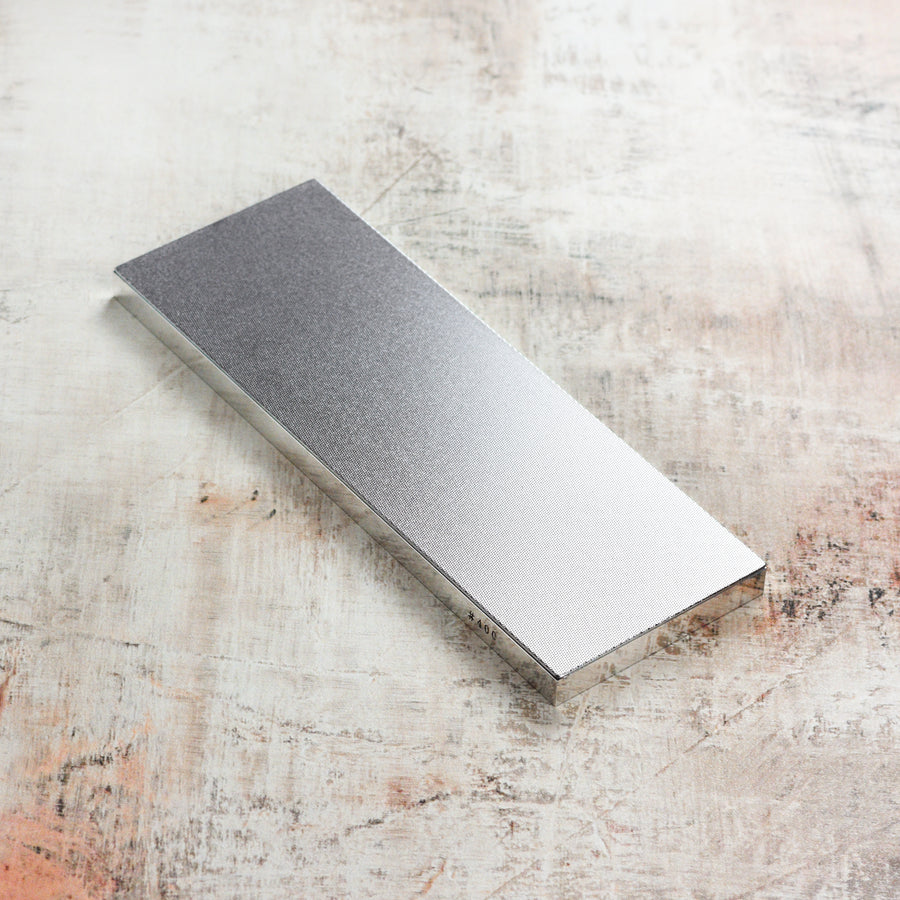
Diamond plates have a metal base, often steel or aluminum. On this base, small industrial diamonds are bonded tightly. These diamonds act as the cutting surface.
Diamond is the hardest material on Earth. This makes diamond plates very durable and effective for sharpening hard metals.
Surface Texture
The surface of a diamond plate is flat and rough. Tiny diamond particles create a very abrasive surface. This texture quickly removes metal from blades.
Diamond plates come in different grit sizes. Coarse grits remove more metal fast. Fine grits polish and finish edges smoothly.
Common Uses
Diamond plates work well for sharpening knives, chisels, and scissors. They are useful for tools with hard or tough steel.
These plates stay flat and last long. Many people use them to quickly repair dull edges or reshape blades.
Stone Sharpening Essentials
Stone sharpening remains a popular choice for many who want sharp tools and knives. It offers control and precision that many users prefer. Understanding the basics of stone sharpening helps you choose the right stone and use it well. This knowledge can improve your sharpening results and extend the life of your tools.
Types Of Sharpening Stones
There are several types of sharpening stones. Natural stones come from quarries and have unique textures. Synthetic stones are made from materials like aluminum oxide or silicon carbide. They provide consistent performance and last longer. Water stones need soaking before use. Oil stones use oil as a lubricant. Each type suits different sharpening needs and budgets.
Grit Levels Explained
Grit size shows the stone’s coarseness. Lower grit numbers mean coarse stones. They remove metal fast and fix dull edges. Medium grit stones smooth the edge and refine shape. High grit stones polish and create a sharp finish. Choosing the right grit depends on the blade’s condition and desired sharpness.
Maintenance Tips
Keep your stones clean to maintain their effectiveness. Use water or oil according to the stone type during sharpening. Flatten stones regularly using a lapping plate or flattening stone. Store stones in a dry place to avoid damage. Proper care ensures even sharpening and long stone life.
Performance Comparison
Choosing the right tool for sharpening affects the results and effort needed. Diamond plates and stones both sharpen blades, but their performance varies. Understanding their differences helps pick the best option for your needs.
Sharpening Speed
Diamond plates sharpen blades faster than stones. The hard surface cuts through metal quickly. Stones take more time because they grind the edge slowly. For quick touch-ups, diamond plates save time. Stones work well for careful, slow sharpening.
Edge Quality
Stones create a smooth, fine edge on blades. They remove small amounts of metal evenly. Diamond plates can leave a rougher finish if not used carefully. A stone’s edge feels sharper and lasts longer. Diamond plates suit blades that need strong, rough edges.
Durability And Wear
Diamond plates last much longer than stones. The diamond coating does not wear out easily. Stones wear down and need flattening or replacement over time. Diamond plates keep their shape and sharpness with heavy use. Stones require more care and maintenance to stay effective.

Credit: www.woodsmith.com
Tool Compatibility
Tool compatibility is key in choosing between diamond plates and stone sharpeners. Each sharpening method fits certain tools better. Understanding this can save time and effort.
Suitability For Various Tools
Diamond plates work well with many tools. They sharpen knives, chisels, and blades quickly. Their hard surface stays flat longer. Stones suit tools like kitchen knives and woodworking tools. They provide a smooth finish but wear down faster.
Diamond plates handle rough sharpening easily. Stones excel at fine sharpening and polishing. Choose based on your tool type and sharpening needs.
Handling Different Metals
Diamond plates sharpen hard metals like stainless steel and carbide. They keep their grit and cut through tough materials fast. Stones work well on softer metals like carbon steel. They remove less metal and protect edges.
Diamond plates can scratch delicate metals if used roughly. Stones offer gentle sharpening but need more time. Match the sharpener to your metal type for the best results.
Ease Of Use
Ease of use is a key factor when choosing between diamond plates and stones for sharpening. It affects how quickly and smoothly you can start sharpening your tools. Both options have their own learning curves and requirements. Understanding these helps you pick the right tool for your skill level.
Setup And Preparation
Diamond plates need little setup. Just clean the plate and start sharpening. They do not require soaking or special oils. This saves time and effort.
Sharpening stones often need soaking in water or oil. This step helps protect the stone and improves sharpening. It takes extra time and planning. Stones also need to be flattened regularly to stay effective.
Skill Requirements
Diamond plates are user-friendly and work well for beginners. They provide fast results and require less precision. The hard surface helps keep a steady angle.
Stones demand more skill and patience. You must control the angle carefully for a good edge. Beginners may find it harder to get consistent results. Practice improves technique and sharpness over time.
Credit: cutleryandmore.com
Cost And Value
Cost and value play a big role in choosing between diamond plates and stones for sharpening. Understanding the expenses involved helps make the best choice. Both options have different price points and ongoing costs. The right option depends on your budget and how often you sharpen tools.
Initial Investment
Diamond plates usually cost more at the start. They offer fast sharpening and last a long time. Stones often cost less initially but can vary by type and quality. Natural stones tend to be pricier than synthetic ones. The first price affects what fits your budget right now.
Long-term Expenses
Diamond plates need little maintenance and rarely need replacement. They save money over time by lasting many years. Stones require flattening and cleaning to work well. Some stones wear out and must be replaced. The cost of upkeep and replacement adds up in the long run.
Safety Considerations
Safety is very important when sharpening tools with diamond plates or stones. Both methods need care to avoid injuries. Understanding safety rules helps you sharpen tools without harm. Let’s explore key safety points to keep in mind.
Proper Handling
Hold the sharpening tool firmly to stop slipping. Keep your fingers away from the sharp edges. Use a stable surface to place the stone or diamond plate. Avoid pressing too hard; gentle pressure works best. Clean the tools and stones before and after use. Dry them well to prevent slipping and rust.
Common Risks
Sharp edges can cut your skin if you are careless. Slipping tools may cause sudden cuts or bruises. Using too much force can break the stone or plate, causing flying pieces. Dust from sharpening can irritate eyes and lungs. Use a dust mask and eye protection to stay safe. Work in a well-lit area to see clearly and avoid accidents.
Choosing The Right Option
Choosing the right sharpening tool affects your results and experience. Diamond plates and stones each have strengths. Knowing which fits your needs helps you sharpen tools better and faster. This section guides you through key points to decide.
Application Scenarios
Diamond plates work well for hard metals and quick sharpening. They remove material fast and keep a flat surface. Ideal for tools used often or with tough edges.
Stones suit fine-tuning and finishing edges. They offer a smoother, controlled sharpening process. Good for knives, chisels, or tools needing a sharp, polished edge.
Use diamond plates for rough shaping. Switch to stones for polishing and refining.
User Preferences
Some users prefer diamond plates for their speed and durability. They need less water or oil and clean easily.
Others like stones for a traditional feel and better control. Stones come in different grits for varied sharpening steps.
Consider your comfort, sharpening style, and tool type. Choose what feels right and matches your tasks.
Credit: tsprof.us
Frequently Asked Questions
What Is The Main Difference Between Diamond Plates And Stones?
Diamond plates use industrial diamonds for fast sharpening. Stones rely on natural or synthetic abrasive materials for gradual sharpening. Diamond plates are quicker and more durable, while stones provide a smoother finish and better edge refinement.
Which Sharpening Tool Lasts Longer, Diamond Plate Or Stone?
Diamond plates generally last longer due to their hard diamond surface. Stones can wear down with frequent use and need flattening. However, high-quality stones can also have good longevity if maintained properly.
Are Diamond Plates Better For All Types Of Knives?
Diamond plates work well on hard steel and very dull knives. Stones are preferred for delicate blades and fine edge polishing. Choose based on knife type and sharpening needs for best results.
Can Stones Provide A Sharper Edge Than Diamond Plates?
Yes, stones can produce a finer, razor-sharp edge. They allow controlled abrasion and edge refinement. Diamond plates are faster but might leave a rougher finish without additional stropping.
Conclusion
Choosing between diamond plates and stones depends on your needs. Diamond plates sharpen quickly and last long. Stones offer a smooth finish and are gentle on edges. Both tools help keep blades sharp and safe. Think about how often you sharpen and what blade you use.
Regular sharpening extends your tools’ life and improves performance. Try both to see which suits you best. Sharp tools make work easier and safer every time.