Last Updated on December 20, 2025
When you sit down for a meal, the simple dinner fork in your hand plays a bigger role than you might think. It’s not just a tool—it’s part of your dining experience, helping you enjoy every bite with ease.
But have you ever wondered why dinner forks come in different shapes and sizes? Or how choosing the right fork can actually make your meals more enjoyable? Keep reading, because understanding your dinner fork can change the way you eat—and even impress your guests at your next dinner party.
Credit: www.itinow.com
Types Of Dinner Forks
Dinner forks come in several types. Each type serves a special purpose at the dining table. Knowing the differences helps you choose the right fork for each meal. This guide explains the most common types of dinner forks you might see or use.
Standard Forks
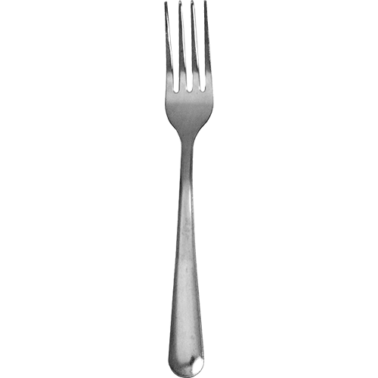
Standard forks are the most common type. They usually have four tines and a medium length. These forks work well for main courses like pasta, meat, and vegetables. They are simple and versatile for everyday meals.
Salad Forks
Salad forks are smaller than standard forks. They often have wider tines to help pick up leafy greens. These forks make eating salads easier and cleaner. Their size fits well with appetizer or side plates.
Fish Forks
Fish forks are designed for seafood dishes. They are smaller and have a special shape to handle delicate fish. Some have a notch to help remove bones. Fish forks add elegance to a seafood meal.
Dessert Forks
Dessert forks are the smallest type of dinner forks. They usually have three tines and a short handle. These forks are perfect for eating cakes, pies, and other desserts. Their size matches dessert plates nicely.
Materials And Finishes
The materials and finishes of a dinner fork affect its look, feel, and durability. Different metals and coatings offer unique benefits. Choosing the right combination can enhance your dining experience. This section explores common materials and finishes used for dinner forks.
Stainless Steel
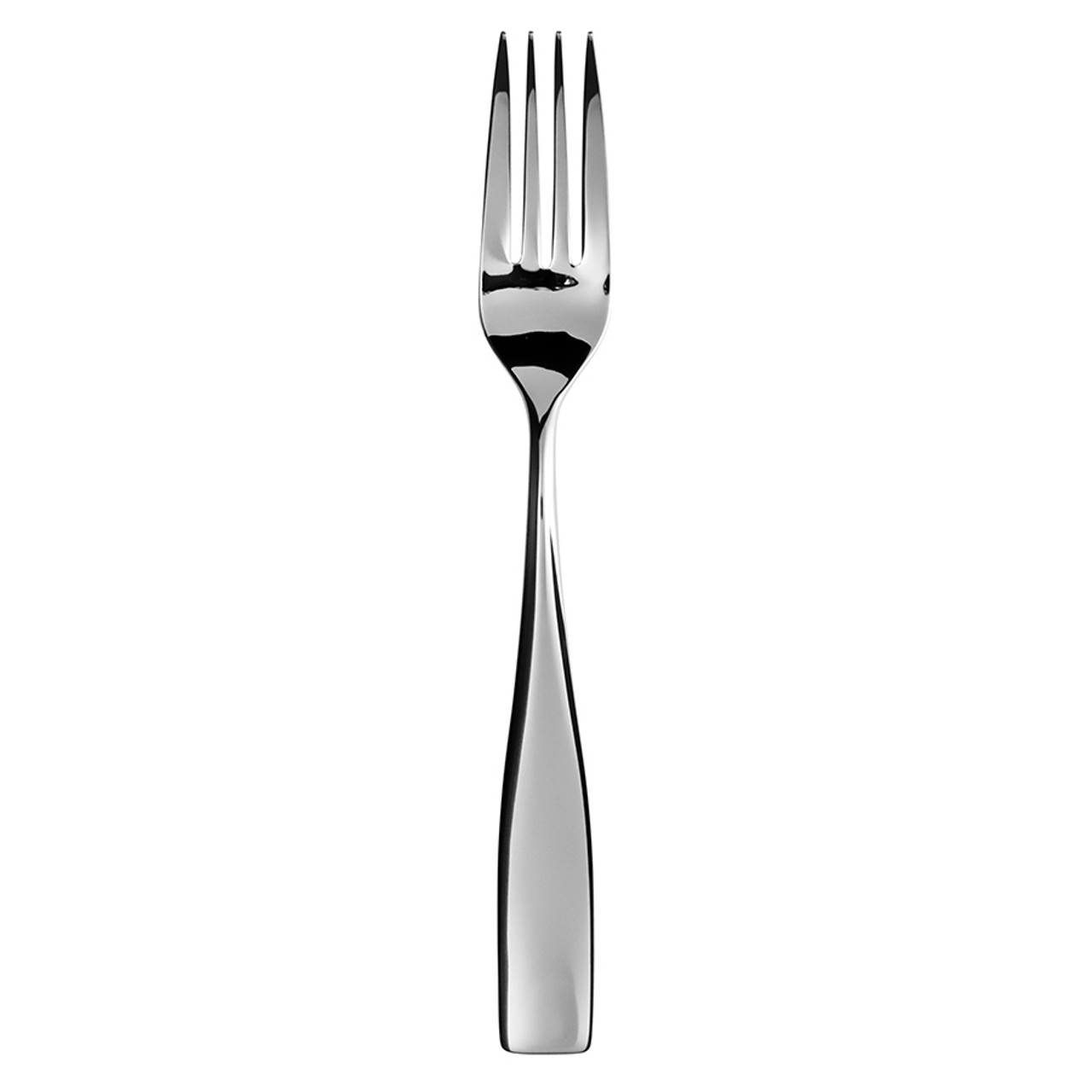
Stainless steel is the most popular material for dinner forks. It resists rust and stains. It stays shiny with simple care. This metal is strong and lasts a long time. Stainless steel forks suit everyday use and formal meals.
Silver And Silver-plated
Silver forks have a classic, elegant look. Pure silver is soft, so it needs careful handling. Silver-plated forks have a thin silver layer over another metal. They look like pure silver but cost less. Both types require regular polishing to keep their shine.
Titanium And Other Metals
Titanium forks are lightweight and very strong. They resist corrosion and scratches well. Other metals like brass or copper add style but need more care. These materials often appear in designer or specialty forks. They bring a unique touch to the table.
Matte Vs. Polished Finish
Matte finish gives forks a soft, muted look. It hides fingerprints and small scratches. Polished finish shines bright and reflects light. It looks more formal and elegant. Both finishes have their charm. The choice depends on your style and use.
Design And Style Choices
Choosing the right dinner fork involves considering its design and style. The look of a fork can change the feel of your dining table. Designs range from simple to detailed, classic to modern. Each style brings a unique touch to your meal experience.
Classic Vs. Modern Designs
Classic forks feature traditional shapes and smooth lines. They often have a timeless appeal that suits formal dinners. Modern designs use sleek, sharp edges and minimalist forms. These forks match contemporary dining settings well. Both styles offer beauty but serve different moods and occasions.
Patterned And Ornate Forks
Patterned forks display decorative motifs on the handle or tines. These can include floral, geometric, or vintage patterns. Ornate forks are rich in detail and often hand-crafted. They add elegance and charm to special meals. Such forks can also be conversation starters at the table.
Ergonomic Handles
Ergonomic handles provide comfort and ease of use. They fit naturally in the hand and reduce strain during meals. These handles often feature soft curves or textured grips. Choosing an ergonomic fork improves the dining experience. Comfort matters as much as style in utensil design.
Matching With Dinnerware
Matching forks with your dinnerware creates a harmonious table setting. Consider the color, material, and style of your plates and bowls. Silver forks pair well with white or simple patterns. Colored or matte-finished forks suit bold or modern dishware. Coordinated sets enhance the overall look and feel of your dining space.
Size And Weight Considerations
Choosing the right dinner fork involves careful size and weight considerations. These factors affect comfort and usability during meals. A fork that fits well in your hand makes dining more enjoyable.
Size and weight also influence how easy it is to handle the fork. Small changes in length, width, or weight can make a big difference. Understanding these details helps you pick the best fork for your needs.
Length And Width
The length of a dinner fork usually ranges from 7 to 8 inches. This size fits most hand sizes and works well with standard plates. Width matters too. A fork that is too wide or narrow can feel awkward.
A balanced width allows for easy picking up of food. It should not be too bulky or too thin. Proper length and width help in controlling the fork smoothly.
Balance And Comfort
Balance means how weight is spread across the fork. A well-balanced fork feels stable in your hand. Comfort comes from how natural it feels to hold.
A fork with good balance reduces hand strain. It makes eating relaxed and pleasant. Comfort depends on handle shape and weight distribution too.
Weight Preferences
Some prefer light forks for quick and easy use. Others like heavier forks for a solid, sturdy feel. Weight affects how much effort is needed to use the fork.
Choose a weight that feels right for your hand. A fork too heavy can tire your hand quickly. Too light may feel flimsy or cheap.
Durability And Maintenance
Durability and maintenance are key for any dinner fork. A sturdy fork lasts longer and stays nice. Proper care keeps the fork clean and shiny. This section covers how to keep your dinner fork in great shape.
Rust Resistance
Dinner forks made from stainless steel resist rust well. This metal stops water and air from causing rust. Some forks have extra coatings for more protection. Avoid leaving forks wet for long. Dry forks quickly after washing to prevent rust spots.
Dishwasher Safety
Many dinner forks are safe in dishwashers. Still, check the fork’s label for care tips. Place forks in the utensil basket with handles down. This helps water reach all parts and cleans better. Avoid overloading the dishwasher to stop scratches and damage.
Scratch And Tarnish Prevention
Use a soft sponge or cloth for cleaning forks. Hard brushes can cause scratches on the surface. Avoid harsh chemicals that can dull the finish. Store forks in a dry drawer or holder. Separate forks to stop them from rubbing and scratching each other.

Credit: www.amazon.com
Popular Brands And Sets
Dinner forks are essential in every kitchen. Choosing the right brand and set ensures durability and style. Many brands offer various designs to fit different budgets and tastes.
Affordable Options
Affordable dinner fork sets offer good quality without high cost. Brands like IKEA and Mainstays provide sturdy forks for daily use. These sets often include matching knives and spoons. They are perfect for families and casual dining.
Luxury Brands
Luxury dinner fork sets focus on elegance and fine materials. Brands such as Oneida and Wallace craft forks from high-quality stainless steel. These forks often feature intricate designs and polished finishes. They suit formal dinners and special occasions.
Custom And Handmade Sets
Custom and handmade dinner forks bring uniqueness to your table. Artisans use materials like silver, wood, or brass. Each piece is carefully crafted with attention to detail. These sets offer a personal touch and lasting value.
Budgeting For Dinner Forks
Budgeting for dinner forks helps balance cost and quality. Choosing the right fork means thinking about price and how long it lasts. Spending wisely saves money and avoids frequent replacements.
Cost Vs. Quality
Cheap forks may look good but break easily. High-quality forks cost more but last longer. Consider what matters most: saving now or saving later. A good fork feels sturdy and comfortable.
Investing In Longevity
Durable forks reduce the need to buy often. Stainless steel forks resist rust and damage. Investing in strong forks pays off over time. They stay shiny and useful for years.
Where To Buy
Department stores offer many fork options at different prices. Online shops provide reviews and variety. Look for trusted sellers with good return policies. Compare prices to find the best deal.
Caring For Your Dinner Forks
Caring for your dinner forks keeps them looking good and lasting longer. Regular care prevents damage and stains. Clean forks properly after every use. Store them in a safe place. Know when to replace old forks for safety and hygiene.
Cleaning Tips
Wash forks soon after meals to avoid stains. Use warm water and mild soap. Avoid harsh cleaners that can scratch the surface. Dry forks immediately with a soft cloth. For tough spots, soak forks in soapy water before washing.
Storage Solutions
Store forks in a dry drawer or utensil holder. Keep them separated to stop scratches. Use a fork organizer or divider to keep order. Avoid piling forks loosely to prevent bending. Proper storage keeps forks ready for use.
When To Replace
Replace forks if tines bend or break. Avoid using forks with rust or deep stains. Old forks may carry germs even after cleaning. Upgrade forks if they lose shine or feel rough. Safe and clean forks improve dining experience.
Credit: www.gourmetsettings.com
Frequently Asked Questions
What Is A Dinner Fork Used For?
A dinner fork is used for eating main course meals. It is larger than a salad fork and sturdy enough for various foods.
How Does A Dinner Fork Differ From Other Forks?
Dinner forks are bigger and have longer tines than salad or dessert forks. They are designed for main dishes.
What Materials Are Common For Dinner Forks?
Dinner forks are typically made of stainless steel, silver, or other durable metals. Some are decorative with intricate designs.
How Should You Properly Hold A Dinner Fork?
Hold the dinner fork with your index finger on the back of the handle. This grip offers control and comfort while eating.
Conclusion
Dinner forks are simple yet essential tools at every meal. They help us enjoy food with ease and comfort. Choosing the right fork adds to the dining experience. They come in many styles to fit different needs and tastes. Using a dinner fork correctly shows good manners.
Keep your forks clean and stored properly for long use. Small details like this make meals more pleasant. A dinner fork is more than just a utensil—it’s part of our daily life.