Last Updated on January 11, 2026
Flour substitute for baking can be a game-changer for any home baker. Whether you’ve run out of traditional flour, are navigating dietary restrictions, or want to experiment with new textures and flavors, understanding the best alternatives is essential.
Flour substitutes can save your recipe when you need it most. Sometimes, dietary restrictions or allergies require different ingredients. Maybe you want to try something new. Luckily, there are many options available. Each substitute has unique qualities that can affect your baked goods.
This comprehensive guide will explore a variety of flour substitutes for baking, detailing their unique characteristics and how to incorporate them into your favorite recipes seamlessly. Get ready to elevate your baking and discover exciting new possibilities with these versatile ingredients!
Table of Contents
Flour Substitute for Baking
Ever been in the middle of baking, only to realize you’re out of flour? Or maybe you’re trying to avoid gluten? Floflour substitute for baking can be an absolute lifesaver! They offer a great way to keep baking without missing a beat. Let’s explore why you might use these alternatives and how they can solve common baking problems.
Why Use Substitutes?
There are many reasons why someone might choose a flour substitute:
- Gluten-free needs: For those with celiac disease or gluten sensitivity, regular flour is a no-go.
- Health reasons: Some substitutes are lower in carbs and calories, making them great for weight loss or health-focused diets.
- Allergies: Wheat allergies can make traditional flour a problem.
- Flavor and texture: Different flours can add unique flavors and textures to your baked goods.
Using substitutes can open up a whole new world of baking possibilities!
Common Baking Challenges
Switching from regular flour can sometimes be tricky. Here are some challenges you might face:
- Texture: Some flours don’t rise as much, making baked goods denser.
- Flavor: Unfamiliar flavors can take some getting used to.
- Binding: Without gluten, it can be hard to get ingredients to stick together.
But don’t worry! With a bit of practice and the right recipes, you can overcome these hurdles. Many bakers have found success by mixing different substitutes or using binding agents like eggs or xanthan gum.
So, next time you find yourself without flour or needing a healthier option, don’t panic. Flour substitutes are here to save the day!
Almond Flour
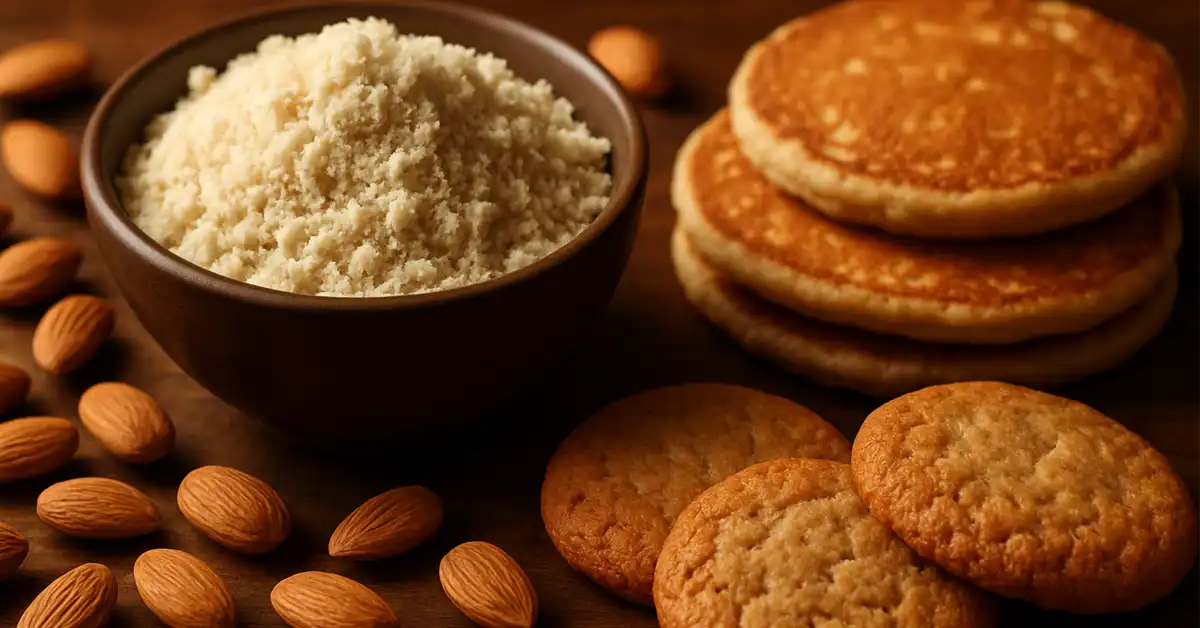
Are you looking for a healthier and delicious flour substitute for baking? Almond flour might be your new best friend in the kitchen. Made from finely ground almonds, this versatile ingredient is packed with nutrients and adds a rich, nutty flavor to your baked goods. Whether you’re gluten-free, on a low-carb diet, or want to try something new, almond flour is worth a shot.
Benefits Of Almond Flour
Why choose almond flour over traditional wheat flour? Here are some compelling reasons:
- Gluten-Free: Almond flour is naturally gluten-free, making it an excellent choice for those with gluten intolerance or celiac disease.
- Rich in Nutrients: It’s loaded with vitamins, minerals, and antioxidants. Almonds are a great source of vitamin E, magnesium, and healthy fats.
- Low in Carbs: Almond flour contains fewer carbohydrates compared to regular flour, making it ideal for those on a low-carb or keto diet.
- High in Protein: Almond flour is higher in protein than traditional flour, which can help keep you fuller for longer.
- Delicious Taste: The nutty flavor of almond flour adds a pleasant taste to your baked goods.
Best Recipes With Almond Flour
Ready to start baking with almond flour? Here are some fantastic recipes to try:
- Almond Flour Pancakes: Fluffy and light, these pancakes are perfect for a weekend breakfast. Mix almond flour, eggs, almond milk, and a small amount of baking powder.
- Almond Flour Cookies: These cookies are chewy and delicious. Combine almond flour, butter, sugar, and chocolate chips for a delightful treat.
- Almond Flour Bread: This bread is dense and satisfying. Mix almond flour with eggs, baking powder, and a touch of honey.
- Almond Flour Muffins: Perfect for a quick snack, these muffins are moist and flavorful. Add your favorite fruits or nuts to the batter.
- Almond Flour Pizza Crust: Craving pizza? Use almond flour to create a gluten-free crust that’s crispy and delicious.
So, next time you’re in the mood to bake, give almond flour a try. It’s healthy, tasty, and easy to use. Plus, your friends and family will be impressed with your culinary skills!
Coconut Flour
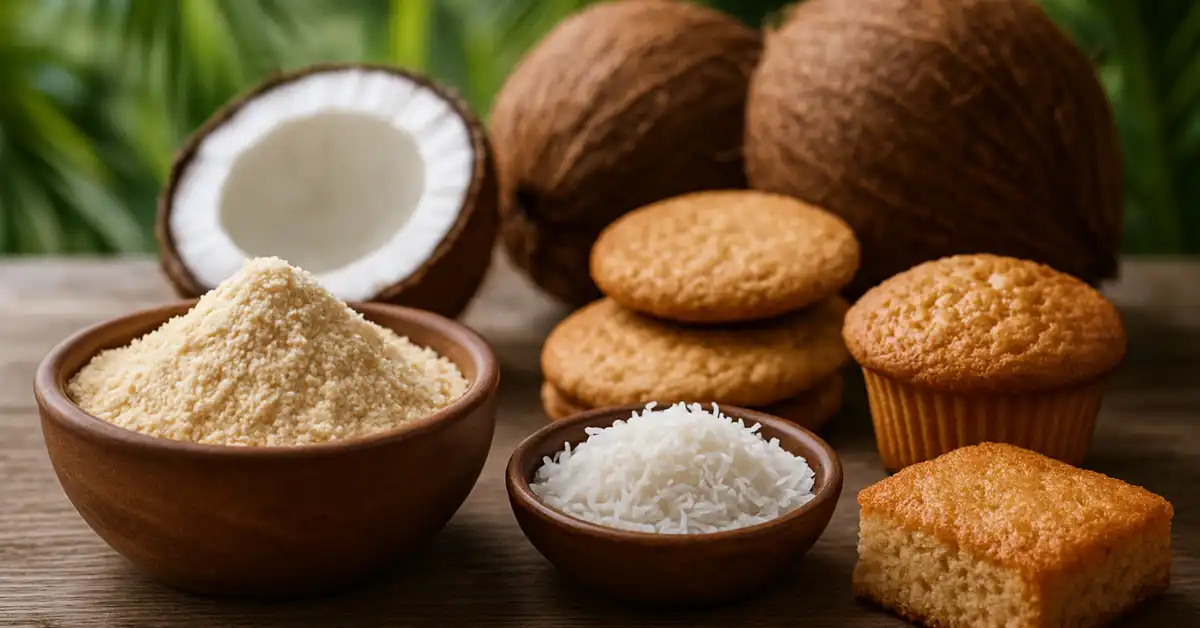
Have you ever tried baking with coconut flour? If not, you’re in for a treat! Coconut flour is an excellent flour substitute for baking. It’s made from dried coconut meat and is naturally gluten-free, making it perfect for those with dietary restrictions or simply looking to add a tropical twist to their baking. Plus, it’s packed with fiber and protein, making your baked goods not only delicious but also nutritious.
Why Choose Coconut Flour
Choosing coconut flour for your baking needs can be a game-changer. Here are a few compelling benefits of coconut flour:
- Gluten-Free: Coconut flour is naturally free from gluten, making it a fantastic option for individuals with celiac disease or gluten sensitivity.
- High in Fiber: This flour is rich in dietary fiber, which can help with digestion and keep you feeling full longer.
- Low in Carbs: For those watching their carbohydrate intake, coconut flour is an excellent choice as it has fewer carbs compared to wheat flour.
- Protein Boost: Coconut flour contains a good amount of protein, which can help in building and repairing tissues.
- Unique Flavor: It adds a subtle coconut flavor to your recipes, which can be a delightful change from the norm.
Baking Tips For Coconut Flour
Baking with coconut flour can be a bit tricky if you’re new to it. Here are some tips to ensure your baked goods turn out perfectly:
- Use Less: Coconut flour is highly absorbent. You typically need only about 1/4 to 1/3 cup of coconut flour to replace 1 cup of wheat flour.
- Increase Eggs: Because of its absorbency, coconut flour often requires more eggs to help bind the ingredients together. Consider adding one extra egg for every 1/4 cup of coconut flour used.
- Add Moisture: To prevent dryness, you may need to add extra liquid to your recipe, such as water, milk, or oil.
- Mix Thoroughly: Ensure you mix the batter well to avoid clumps and achieve a smooth consistency.
- Experiment: Coconut flour can behave differently in various recipes. Don’t be afraid to experiment and adjust proportions to find what works best for you.
Now that you know the basics, why not give coconut flour a try in your next baking adventure? You might find it becomes a staple in your kitchen!
Oat Flour
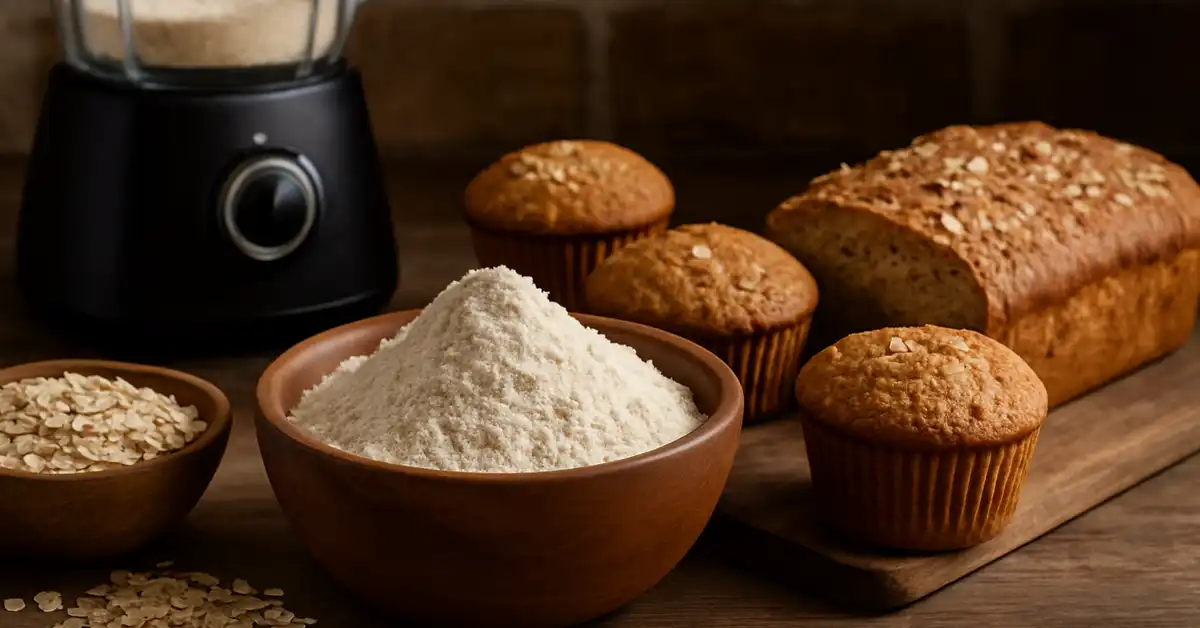
Oat flour is a popular choice for gluten-free baking. It has a mild, slightly sweet flavor and works well in many recipes. You can use it in cakes, cookies, pancakes, and more. It’s also a good source of fiber and other nutrients. This makes it a healthy flour substitute for baking.
How To Make Oat Flour
Making oat flour at home is cost-effective and straightforward. You only need rolled oats and a blender or food processor. Start by measuring the amount of oats you need. Pour them into the blender. Blend until the oats turn into a fine powder. Stop and scrape down the sides if needed. Once the oats reach a flour-like consistency, they’re ready. Store your homemade oat flour in an airtight container. Please keep it in a cool, dry place for up to three months.
Delicious Oat Flour Recipes
Many recipes work well with oat flour. Try oat flour pancakes for a healthy breakfast. Combine oat flour, baking powder, salt, milk, and eggs. Cook in a heated pan until golden brown. Another great recipe is oat flour banana bread. Mix oat flour, mashed bananas, eggs, and baking soda. If you don’t want to use or run out of baking soda, you may try an alternative baking soda substitute. Bake at 350°F for 50 minutes. You can also make oat flour cookies. Blend oat flour, sugar, butter, and eggs. Bake at 350°F for 10-12 minutes. These recipes are easy and delicious. Enjoy experimenting with oat flour in your kitchen!
Rice Flour
When it comes to baking, finding the proper flour substitute for baking can be a game-changer. Rice flour is one such alternative that’s gaining popularity. Made from finely milled rice, this gluten-free flour is perfect for those with dietary restrictions. Let’s dive into the benefits and uses of rice flour in baking.
Advantages Of Rice Flour
Rice flour has several advantages that make it a fantastic choice for baking:
- Gluten-Free: Ideal for people with gluten intolerance or celiac disease.
- Light Texture: Gives baked goods a light and airy feel.
- Mild Flavor: Doesn’t overpower other ingredients, letting your flavors shine.
- Versatile: Can be used in both sweet and savory recipes.
Using Rice Flour In Baking
Integrating rice flour into your baking repertoire is easier than you might think:
- Substitution Ratio: Use rice flour in a 1:1 ratio for most recipes. However, since it’s gluten-free, you might need to add a binding agent like xanthan gum.
- Mixing: Rice flour can sometimes be a bit clumpy. Sift it well before mixing it with other ingredients.
- Blending: For the best texture, consider blending rice flour with other gluten-free flours like almond or tapioca flour.
One time, I made brownies with rice flour, and they turned out incredibly fudgy and delicious. My friends couldn’t believe they were gluten-free! Next time you bake, give rice flour a try. You might discover a new favorite ingredient!
Chickpea Flour
Have you ever thought about swapping out your regular flour for something a bit more exciting? Let’s talk about chickpea flour. This gluten-free, nutrient-rich flour substitute for baking can bring a delightful twist to your baking adventures. Whether you’re new to baking or a seasoned pro, chickpea flour is worth considering. Chickpea flour with egg alternatives for vegetarians may compose an amazing vegetarian recipe. Let’s dive into its benefits and some popular recipes!
Nutritional Benefits
Chickpea flour, also known as garbanzo bean flour, is packed with nutrients that make it a fantastic choice for baking. Here are some of its key benefits:
- Rich in Protein: Chickpea flour is high in protein, making it an excellent option for vegetarians and vegans.
- Fiber Content: It is loaded with dietary fiber, which helps with digestion and keeps you feeling full longer.
- Low in Carbs: For those watching their carb intake, chickpea flour is a lower-carb alternative to regular flour.
- Gluten-Free: Perfect for those with gluten sensitivities or celiac disease.
- Vitamins and Minerals: Chickpea flour is a good source of iron, magnesium, and B vitamins.
Popular Chickpea Flour Bakes
Wondering what you can bake with chickpea flour? Here are some popular recipes to try:
- Chickpea Flour Pancakes: These are a great way to start your day. They are fluffy, delicious, and packed with protein.
- Chickpea Flour Brownies: Yes, you can make brownies with chickpea flour! They are rich, fudgy, and you won’t even miss the regular flour.
- Chickpea Flour Bread: This bread is dense, flavorful, and perfect for sandwiches or as a side with soup.
- Chickpea Flour Pizza Crust: Craving pizza but want to avoid gluten? This crust is crispy and holds up well to all your favorite toppings.
- Chickpea Flour Cookies: These cookies are a hit with kids and adults alike. They are chewy, sweet, and just the right amount of nutty.
So, are you ready to give chickpea flour a try? It might just become your new favorite ingredient in the kitchen. Happy baking!
Gluten-free Flour Blends
When it comes to baking, finding the proper flour substitute can be a game-changer, especially for those who need to avoid gluten. Gluten-free flour blends come to the rescue! These blends are designed to mimic the texture and flavor of traditional wheat flour, making it easier to enjoy your favorite baked goods without compromising on taste or quality. Let’s dive into the world of gluten-free flour blends and explore both store-bought options and homemade mixes.
Store-bought Options
For those who prefer convenience, there are plenty of store-bought gluten-free flour blends available. These blends are pre-mixed and ready to use, making them a perfect choice for busy bakers. Here are some popular options:
- Bob’s Red Mill Gluten-Free 1-to-1 Baking Flour: This blend is a favorite among many gluten-free bakers. It contains a mix of rice flour, potato starch, and xanthan gum, providing an excellent texture for cookies, cakes, and muffins.
- King Arthur Gluten-Free Measure for Measure Flour: This blend is known for its versatility. You can use it as a direct substitute for regular flour in most recipes without any adjustments.
- Cup4Cup Gluten-Free Flour: Developed by chefs, this blend is perfect for both sweet and savory recipes. It works well for bread, pasta, and even pizza dough.
These store-bought options are not only convenient but also reliable in delivering consistent results. However, they can be a bit pricey. If you’re looking to save some money or prefer to control the ingredients, making your gluten-free flour blend at home is a fantastic alternative.
Homemade Gluten-free Mixes
Creating your gluten-free flour blend is easier than it sounds. Plus, it allows you to customize the mix according to your preferences. Here are two simple recipes to get you started:
- Basic Gluten-Free Flour Mix:
- 2 cups rice flour
- 2/3 cup potato starch
- 1/3 cup tapioca flour
Mix these ingredients and store in an airtight container. This blend works well for most baking needs.
- All-Purpose Gluten-Free Flour Mix:
- 1 cup white rice flour
- 1 cup brown rice flour
- 1/3 cup potato starch
- 1/3 cup tapioca flour
- 1 teaspoon xanthan gum
Combine all ingredients thoroughly and store in an airtight container. This blend is excellent for cakes, cookies, and bread.
Making your flour blend can be a fun experiment. Plus, it’s cost-effective and you know exactly what’s going into your mix. So, why not give it a try? You’ll be surprised at how easy and rewarding it can be!
Whether you choose store-bought or homemade, gluten-free flour blends open up a world of possibilities for delicious and safe baking. Happy baking!
Tips For Successful Baking
Successful baking with flour substitutes can be tricky. It requires understanding how different ingredients and bakeware affect your recipe. You may use bakeware with lids for safe baking. Here are some other essential tips to help you bake successfully.
Adjusting Recipes
Flour substitutes behave differently from regular flour. They may absorb more or less liquid. You may need to adjust the amount of liquid used. This prevents your batter from becoming too wet or too dry.
Some flour substitutes for baking do not provide the same structure. You might need to add a binding agent. Common choices are eggs, xanthan gum, or chia seeds.
Troubleshooting Common Issues
Sometimes, the texture can be off. If your baked goods are too dense, try using less flour or a flour substitute for baking. Add a bit more liquid to lighten the texture. If they fall apart, add a binding agent. This helps hold everything together.
Flavor can also be affected. Some substitutes have a strong taste. Mask it with spices or extracts. Vanilla, cinnamon, and nutmeg work well.
Remember, practice makes perfect. The more you bake, the better you will understand how substitutes work.
FAQ on Flour Substitute for Baking
What Can I Use In Baking If I Don’t Have Flour?
Almond flour, coconut flour, or oat flour can be used as flour substitute for baking. These alternatives offer unique flavors and textures.
What Is The Best Flour Substitute for Baking?
Almond flour is an excellent substitute for regular flour. It is gluten-free and low in carbs. Coconut flour and oat flour are also good alternatives.
What Can Be Used Instead Of Flour In A Recipe?
Try almond flour, coconut flour, or oat flour. Use chickpea flour or rice flour for gluten-free options. Cornstarch or arrowroot powder works too.
What Is A Substitute For 1 Cup Of Flour?
A substitute for 1 cup of flour can be 1 cup of whole wheat flour, almond flour, or gluten-free flour blend.
Conclusion
Finding the proper flour substitute for baking can elevate your baking adventures. Experiment with almond flour, coconut flour, or oat flour. Each offers unique benefits and flavors. You can enjoy healthier, tastier treats without compromising quality. Always measure carefully and follow recipes closely.
Happy baking!