Last Updated on December 17, 2025
You want your knife to feel sharp and ready every time you use it. But did you know that simply sharpening isn’t enough?
Honing your knife regularly is the secret to keeping that edge smooth and precise. Imagine slicing through your favorite ingredients with ease, no struggle or frustration. You’ll discover simple, effective ways to hone your knife like a pro. By the end, you’ll have the skills to maintain your blade’s perfect edge and make every cut effortless.
Keep reading to unlock the key to a sharper, safer kitchen experience.
Choosing The Right Honing Tools
Choosing the right honing tools is key to keeping your knives sharp and safe. Different tools suit different needs and skill levels. Picking the correct one helps maintain the blade without damage. It also saves time and effort during honing. Understanding the types of honing rods, sharpening stones, and devices can guide your choice.
Types Of Honing Rods
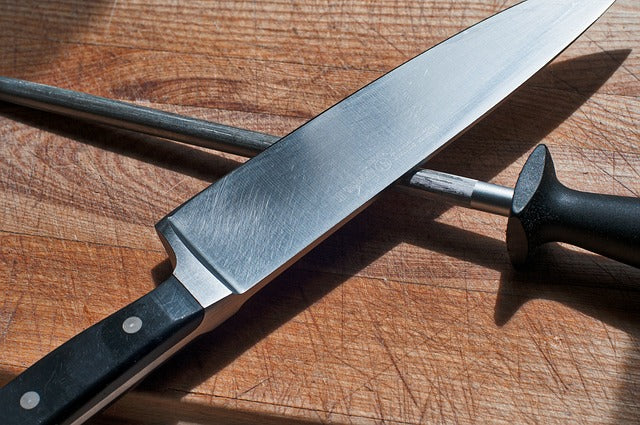
Honing rods come in various materials like steel, ceramic, and diamond-coated. Steel rods are common and good for basic maintenance. Ceramic rods offer a finer finish and remove small burrs. Diamond-coated rods are tougher and sharpen dull blades faster. Choose based on the blade’s condition and your honing frequency.
Selecting A Sharpening Stone
Sharpening stones vary by grit size. Coarse stones fix damaged edges quickly. Medium stones sharpen blades with normal wear. Fine stones polish and refine the edge after sharpening. Stones come in natural and synthetic types. Synthetic stones are affordable and consistent. Natural stones provide a unique sharpening experience but cost more.
Electric Vs Manual Honing Devices
Electric honing devices offer quick and easy sharpening. They are useful for those with limited time or skill. Manual devices require more control but give precise results. Manual rods and stones let you feel the blade’s edge. Choose electric for speed and manual for detailed work. Both types help maintain sharp knives effectively.

Credit: www.kitchenknifeguru.com
Preparing Your Knife And Workspace
Preparing your knife and workspace is the first step in honing your knife effectively. A clean and organized area helps you focus and work safely. Taking time to prepare ensures better results and protects your tools.
Cleaning The Blade
Start by washing the knife with warm water and mild soap. Remove all food particles and grease. Dry the blade completely with a soft cloth. A clean blade sharpens more evenly and prevents damage.
Setting Up A Stable Surface
Choose a flat, sturdy surface like a kitchen counter or table. Use a non-slip mat or towel under your honing tool. This stops slipping and gives you better control. Stability makes honing easier and safer.
Safety Precautions
Keep your fingers away from the blade’s edge at all times. Use protective gloves if you feel unsure. Work slowly and avoid distractions. Proper safety lowers the risk of accidents while honing.
Techniques For Effective Honing
Honing a knife keeps its edge sharp and ready for use. It smooths out tiny bends on the blade. Proper honing improves cutting safety and efficiency. Understanding the right techniques ensures the best results. This section explains key methods for effective honing.
Correct Angle And Grip
Hold the knife at a steady angle to the honing rod. Most knives need a 15 to 20-degree angle. Keep this angle consistent during each stroke. Grip the handle firmly but not too tight. Support the rod with your other hand for control.
Stroke Patterns
Move the blade from heel to tip along the rod. Use smooth, even strokes on both sides of the blade. Alternate sides to keep the edge balanced. Avoid pressing too hard; light pressure works best. Keep a slow and steady pace for better results.
Frequency And Timing
Hone your knife before or after each use. Regular honing can extend the time between sharpenings. Do not hone if the blade is very dull; sharpening is needed then. Short honing sessions prevent blade wear. Listen to your knife; it tells you when to hone.
Maintaining Your Knife’s Edge
Maintaining your knife’s edge keeps it sharp and safe. A sharp knife cuts better and reduces accidents. Small care steps help keep the blade steady and strong. Regular attention stops dullness and damage over time.
Regular Honing Schedule
Hone your knife often to keep the edge straight. Use a honing rod before or after each use. Honing does not sharpen but realigns the blade’s edge. Set a schedule based on how often you cook. For daily cooks, hone every few days. For occasional users, once a week works well.
Proper Storage Tips
Store knives carefully to protect the blade’s edge. Use a knife block or magnetic strip for safe keeping. Avoid tossing knives in drawers with other utensils. Wrap blades in cloth if no special holder is available. Proper storage stops chips and dulling.
Avoiding Common Mistakes
Do not use knives on hard surfaces like glass or stone. Cut only on wood or plastic boards to protect the edge. Avoid using knives to open cans or pry objects. Do not soak knives in water for long periods. Clean knives by hand and dry immediately to prevent rust.
Troubleshooting Common Issues
Troubleshooting common issues while honing a knife helps keep blades sharp and safe. This section guides you through typical problems and how to fix them. Understanding these tips will improve your honing skills. Your knife will stay in great shape longer.
Dealing With Nicks And Chips
Small nicks and chips can stop your knife from cutting smoothly. Use a coarse sharpening stone to fix them. Hold the blade at the right angle and gently grind the damaged area. Avoid pressing too hard to prevent more damage. After fixing, hone the blade to smooth the edge.
When To Resharpen Instead
Honing does not fix a dull blade. If your knife does not cut well after honing, it needs resharpening. Resharpening removes metal to restore the edge. Use a sharpening stone or a tool designed for this job. Resharpen before honing again for the best results.
Signs Your Knife Needs Professional Help
Deep chips, bent tips, or broken blades require expert care. Professional sharpeners have the right tools to repair serious damage. If your knife feels unsafe or very dull, take it to a professional. This keeps your knife in top condition without risking damage.
Credit: knifeaid.com
:max_bytes(150000):strip_icc()/__opt__aboutcom__coeus__resources__content_migration__serious_eats__seriouseats.com__images__20100423-honing20-2008-e99fb9616cc0464a8721807880ec46bc.jpg)
Credit: www.seriouseats.com
Frequently Asked Questions
What Is The Purpose Of Honing A Knife?
Honing realigns the knife’s edge without removing metal. It maintains sharpness and prolongs the blade’s lifespan. Regular honing improves cutting efficiency and safety in the kitchen.
How Often Should I Hone My Knife?
Hone your knife before or after each use for best results. Frequent honing prevents dullness and reduces the need for sharpening. Consistency keeps your blade sharp and ready.
What Tools Are Best For Honing Knives?
A honing rod, usually ceramic or steel, is ideal. Choose a rod that matches your knife type. Proper tools ensure effective edge realignment and long-lasting sharpness.
Can Honing Sharpen A Dull Knife?
Honing does not sharpen but straightens the blade’s edge. For dull knives, sharpening is necessary to remove metal and create a new edge. Honing maintains sharpness between sharpening sessions.
Conclusion
Keeping your knife sharp makes cooking safer and easier. Regular honing keeps the blade straight and ready to cut. It saves time and helps your knife last longer. Just a few quick strokes before cooking can make a big difference.
Practice a little, and you will feel the difference in every slice. A sharp knife is a good helper in the kitchen. Take care of it, and it will take care of you.