Last Updated on December 17, 2025
Are you confused about the difference between a honing rod and a sharpening rod? You’re not alone.
If you want your knives to stay sharp and ready, knowing when and how to use each tool is key. Using the wrong one can make your blades dull faster or even damage them. You’ll discover exactly what sets these two rods apart and how to choose the right one for your kitchen.
Keep reading, and you’ll unlock the secret to keeping your knives in perfect shape every time you reach for them.

Credit: cooking.stackexchange.com
Honing Rod Basics
Understanding the basics of a honing rod helps keep knives sharp. Many confuse honing rods with sharpening rods. Both tools maintain knives but work differently. This section explains the key points about honing rods.
Purpose And Function
A honing rod straightens the knife’s edge. It does not remove metal but realigns the blade. Over time, knife edges bend or roll during use. The honing rod fixes this by pushing the edge back into shape. This keeps the knife sharp and safe to use.
Materials Used
Honing rods come in different materials. Steel is the most common and affordable option. Ceramic rods offer a finer finish and last longer. Some rods use diamond coatings for faster honing. Each material suits different types of knives and user needs.
When To Use A Honing Rod
Use a honing rod regularly to maintain your knife. It works best before or after each use. If the knife feels dull or slips, honing can help. Do not use a honing rod to fix very dull or damaged blades. That requires sharpening instead.

Credit: www.youtube.com
Sharpening Rod Essentials
Sharpening rods play a key role in keeping your knives sharp and ready. They are essential tools for kitchen and outdoor use. Understanding how these rods work helps maintain blade edges properly. Choosing the right sharpening rod and using it correctly extends the life of your knives.
How Sharpening Rods Work
Sharpening rods realign the edge of a blade. They do not remove much metal. Instead, they fix small bends and folds on the edge. This process restores the knife’s sharpness quickly. Using the rod regularly keeps the blade straight and smooth.
Types Of Sharpening Rods
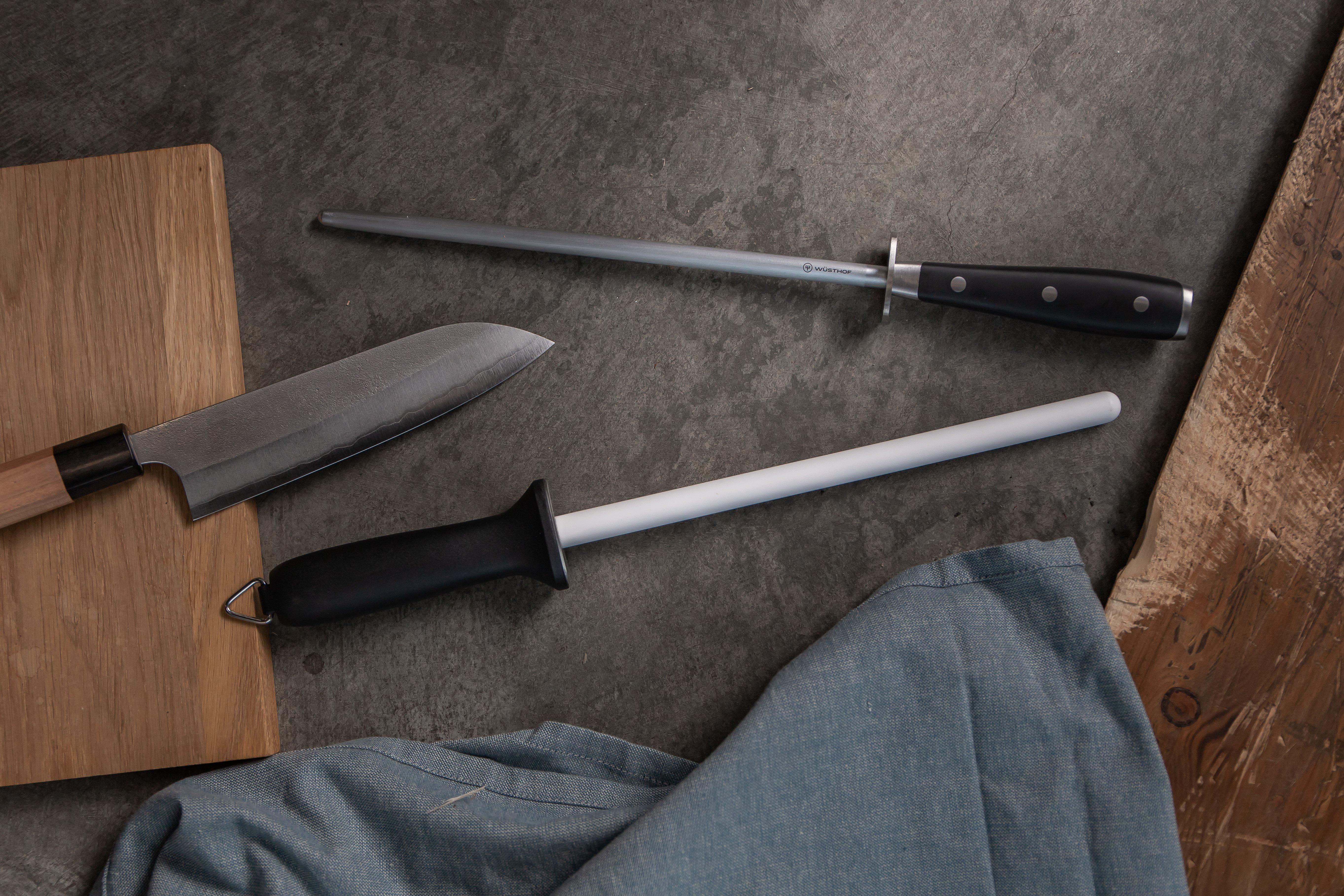
There are several types of sharpening rods available. Steel rods are the most common and suitable for most knives. Ceramic rods are harder and can sharpen dull blades better. Diamond-coated rods are the toughest and remove metal fast. Each type serves a different sharpening need.
Frequency Of Sharpening
Sharpening frequency depends on blade use and type. Regular use may need honing every few uses. Sharpening with a rod should happen before the knife feels dull. Over-sharpening can wear out the blade faster. Check your knife’s edge often to decide when to sharpen.
Comparing Honing And Sharpening
Comparing honing and sharpening helps you understand how to care for your knives. Both improve blade performance but serve different purposes. Knowing the differences can keep your knives sharper longer and safer to use.
Differences In Technique
Honing straightens the blade edge without removing metal. You slide the honing rod along the blade at a certain angle. This realigns the edge for better cutting. Sharpening grinds away metal to form a new edge. It requires more effort and special tools.
Impact On Blade Edge
Honing keeps the blade smooth and sharp by fixing bends. It does not fix chips or dull blades. Sharpening fixes dull or damaged edges by reshaping them. Over-sharpening can shorten the blade’s life. Use sharpening only when necessary.
Tools And Accessories
A honing rod looks like a long, thin steel or ceramic stick. It is easy to use and safe for quick touch-ups. Sharpening rods or stones come in different grit levels. They need more skill and care during use. Some sharpening tools are electric or manual.
Choosing The Right Rod
Choosing the right rod helps keep your knives sharp and safe to use. Not every rod works for every knife. Picking the correct one improves cutting performance and extends knife life. This guide breaks down what to think about when selecting between a honing rod and a sharpening rod.
Factors To Consider
Think about the knife’s condition. A honing rod straightens edges, not sharpen dull blades. Sharpening rods remove metal to create a new edge. Consider how often you use your knives. Frequent use needs regular honing or sharpening. Also, check the rod’s material. Steel rods work well for most knives. Ceramic rods are gentler and fine for light touch-ups.
Matching Rods To Knife Types
Different knives need different care. Thin, delicate blades suit ceramic rods to avoid damage. Thick or very dull knives require sharpening rods. Japanese knives often need ceramic or fine grit rods. Western knives handle steel rods better. Always match the rod to your knife’s shape and hardness for best results.
Budget And Quality
Quality rods last longer and work better. Cheap rods may wear out quickly or harm your knives. Set a budget that fits your needs. Basic steel rods cost less and suit everyday knives. Ceramic rods usually cost more but offer finer sharpening. Invest in rods that balance price and performance for your kitchen.
Step-by-step Rod Use
Using a honing or sharpening rod properly can keep your knives in great shape. Both rods have different purposes and need different handling. This section explains how to use each rod step-by-step. Follow these easy steps to improve your knife’s edge safely and effectively.
Using A Honing Rod Safely
Hold the honing rod vertically with the tip resting on a sturdy surface. Keep your hand away from the blade path to avoid injury. Place the knife’s heel against the rod at a 20-degree angle. Pull the knife down and across the rod in a smooth motion. Repeat this five to ten times on each side. Maintain a steady pace and control throughout the process. Always check your fingers are clear before each stroke.
Sharpening Rod Techniques
Sharpening rods remove metal to create a new edge on dull knives. Hold the rod firmly with the tip on a non-slip surface. Position the knife at a 15 to 20-degree angle to the rod. Draw the blade from heel to tip along the rod’s surface. Use moderate pressure, not too hard or soft. Repeat the action five to eight times on each side. Clean the blade after sharpening to remove metal particles.
Common Mistakes To Avoid
Do not apply too much pressure on the rod; it can damage the blade. Avoid using a honing rod to sharpen very dull knives. Do not hold the knife flat against the rod; this reduces effectiveness. Never rush the process; slow, steady strokes work best. Avoid moving the rod instead of the knife. Keep the angle consistent to maintain a sharp edge. Always store rods safely to prevent accidents.
Maintaining Your Rods
Maintaining your honing and sharpening rods is key for their performance and lifespan. Proper care keeps them effective and safe to use. Simple habits make a big difference over time.
Cleaning Tips
Clean your rods regularly to remove metal particles and debris. Use warm water and mild soap. Gently scrub with a soft brush or cloth. Avoid harsh chemicals that can damage the rods’ surface. Dry them completely before storing to stop rust.
Storage Solutions
Store rods in a dry place to prevent moisture damage. Use a protective sheath or case if available. Keep rods separate from knives and other tools. This avoids scratches and dents. Hanging rods vertically can also help maintain their shape.
When To Replace Rods
Replace rods if they show deep grooves or cracks. If the surface is worn and smooth, they lose effectiveness. Bent or damaged rods should not be used. Regular checks help spot issues early. Safe and sharp knives need good rods.
Additional Knife Care Tips
Caring for your knives goes beyond choosing between a honing rod and a sharpening rod. Proper care extends the life of your blades and keeps them safe to use. Small habits make a big difference in maintaining sharp, reliable knives.
Here are some extra tips to keep your knives in top condition.
Proper Knife Handling
Always hold knives by the handle. Avoid touching the blade edge. Use a cutting board made of wood or plastic. Never cut on hard surfaces like glass or stone. Keep your focus while cutting to avoid accidents. Wash knives carefully by hand. Avoid placing knives in the dishwasher. Dry knives immediately after washing to prevent rust.
Storage And Protection
Store knives in a knife block or on a magnetic strip. Avoid loose storage in drawers to prevent dulling and damage. Use blade guards if you store knives in a drawer. Keep knives away from moisture and humidity. Ensure knives are dry before storing. Proper storage protects both the blade and you.
Regular Maintenance Schedule
Set a routine for knife care. Use a honing rod weekly to realign edges. Sharpen knives with a sharpening rod or stone every few months. Check knives for damage regularly. Replace or repair knives with chips or cracks. Consistent care keeps blades sharp and safe.
Credit: www.knivesandtools.com
Frequently Asked Questions
What Is The Difference Between Honing And Sharpening Rods?
Honing rods realign a blade’s edge without removing metal. Sharpening rods grind and remove metal to create a new edge. Honing is for regular maintenance, while sharpening restores dull knives. Both improve knife performance but serve different purposes in blade care.
Can A Honing Rod Replace A Sharpening Rod?
No, a honing rod cannot replace a sharpening rod. Honing smooths and straightens edges, while sharpening reshapes dull blades. Regular honing maintains sharpness, but sharpening is necessary when blades become blunt or damaged. Both tools complement each other for optimal knife care.
How Often Should I Use A Honing Rod?
Use a honing rod before or after each use for best results. Frequent honing keeps the blade aligned and sharp longer. It prevents the need for frequent sharpening. However, if the blade feels dull, sharpening is required instead of honing.
Which Rod Is Best For Regular Knife Maintenance?
A honing rod is best for regular knife maintenance. It realigns the edge without wearing down the blade. Using a honing rod often preserves sharpness between sharpening sessions. Sharpening rods are used less frequently to restore dull blades.
Conclusion
Choosing between a honing rod and a sharpening rod depends on your knife care needs. A honing rod keeps your blade aligned and smooth. A sharpening rod grinds the edge to make it sharp again. Use both for best results.
Regular maintenance extends your knife’s life. Keep your tools ready for any kitchen task. Simple care makes a big difference. Try them and see what fits your routine.