Last Updated on April 11, 2026
If you use a meat slicer regularly, you might wonder how often it truly needs cleaning. Keeping your slicer spotless isn’t just about appearance—it’s about your health and the quality of the food you serve.
Imagine slicing through fresh meat only to find it contaminated or tasting off because the machine wasn’t cleaned properly. You don’t want that. You’ll discover exactly when and how to clean your meat slicer to keep it safe, sharp, and ready for every meal.
Keep reading to protect your kitchen and enjoy the best flavors every time.
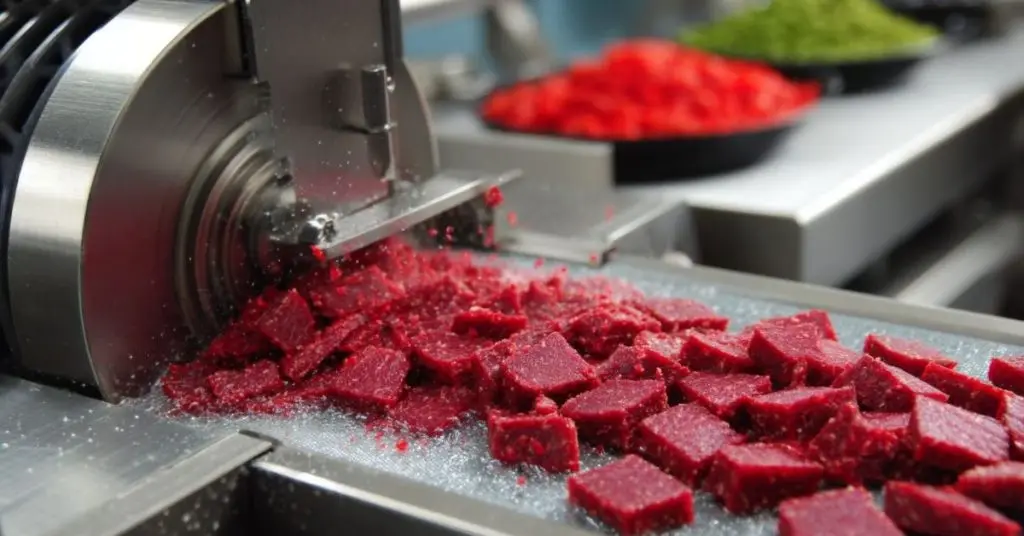
Credit: www.vevor.com
Importance Of Cleaning Meat Slicers
Cleaning meat slicers is essential for safety and quality. These machines cut meat thinly and quickly. Without regular cleaning, they can become a source of contamination. Food particles and juices get trapped in blades and crevices. This creates a perfect place for bacteria to grow. Proper cleaning keeps the slicer safe and the meat fresh. It also helps the machine last longer. Understanding why cleaning is important helps maintain a healthy kitchen environment.
Health Risks Of Dirty Slicers
Dirty meat slicers can spread harmful bacteria. These include Salmonella and Listeria. They cause food poisoning and serious illness. Cross-contamination happens when bacteria move from one meat batch to another. This risk is high without cleaning between uses. People with weak immune systems face greater danger. Regular cleaning removes germs and prevents outbreaks.
Impact On Meat Quality
Meat quality drops if slicers are not clean. Old meat bits stick to the blade. This causes bad smells and flavors. It also changes the color of fresh meat. Customers notice these changes and lose trust. Clean slicers deliver fresh, tasty meat every time. Proper maintenance keeps texture and appearance at their best.
Regulatory Standards
Food safety laws require clean equipment. Health inspectors check meat slicers during visits. Failure to meet standards can lead to fines or closures. Following cleaning rules protects your business. It shows commitment to safe food handling. Meeting these standards avoids legal problems and builds customer confidence.
Credit: beardedbutchers.com
Recommended Cleaning Frequency
Keeping a meat slicer clean is very important for safety and food quality. Regular cleaning stops bacteria from growing. It also helps the slicer work well for a long time. Cleaning should happen often, not just once in a while. There are three main cleaning times to remember.
After Each Use
Clean the slicer right after every use. Wipe off meat bits and crumbs. Use warm water and soap. This stops germs from spreading. Dry all parts well to avoid rust. Quick cleaning keeps the slicer safe for the next use.
Daily Deep Cleaning
Do a deep clean every day. Take apart the slicer carefully. Wash all pieces with strong soap and water. Use a brush to reach small spots. Sanitize the slicer to kill any germs. Let parts dry completely before putting them back.
Weekly Maintenance
Once a week, check the slicer closely. Look for dull blades and loose parts. Sharpen blades if needed. Tighten screws and bolts. Clean hard-to-reach areas well. Weekly care keeps the slicer safe and working smoothly.
Step-by-step Cleaning Process
Cleaning a meat slicer properly keeps it safe and working well. Follow these simple steps to clean every part carefully. This helps stop germs and keeps your slicer sharp.
Disassembling The Slicer
First, unplug the slicer to stay safe. Take off the blade guard and other removable parts. Remove the blade carefully, using gloves to avoid cuts. Place all parts on a clean surface for washing.
Sanitizing Blades And Surfaces
Use warm, soapy water to wash the blade and parts. Scrub with a soft brush to remove meat bits. Wipe down the slicer body with a clean cloth and sanitizer. Make sure to clean all small crevices and handles well.
Drying And Reassembling
Dry each part completely with a clean towel. Never leave moisture on the blade or metal parts. Put the blade and all parts back in place carefully. Plug the slicer back in and check that it works smoothly.
Best Cleaning Products
Choosing the right cleaning products for your meat slicer is key. Proper cleaning keeps the slicer safe and working well. Using the best products also protects food from germs. It helps keep your kitchen clean and healthy. Below are some good options to use.
Safe Detergents
Use mild detergents made for kitchen use. These break down grease and food bits easily. Look for products labeled safe for food contact surfaces. Avoid strong soaps that can leave harmful residues. Warm water with detergent often works best to clean parts.
Disinfectants And Sanitizers
Disinfectants kill bacteria and germs on slicer surfaces. Choose food-safe sanitizers approved by health authorities. Spray or wipe after cleaning with detergent. Let the sanitizer sit for a few minutes. This ensures all germs are killed before using the slicer again.
Avoiding Harmful Chemicals
Stay away from bleach or ammonia-based cleaners. These can damage slicer parts and leave toxic residues. Avoid abrasive powders or steel wool that scratch surfaces. Scratches can trap bacteria and make cleaning harder. Use only gentle, food-safe products to protect health and equipment.
Tips For Maintaining Hygiene
Keeping a meat slicer clean is key to food safety. Proper hygiene stops germs and bacteria from spreading. Follow these tips to keep your slicer safe and clean every day. Simple steps can make a big difference.
Proper Storage Practices
Store the meat slicer in a dry, clean area. Cover it with a clean cloth or plastic cover. Avoid places with dust or moisture. Keep parts separated if possible. This stops dirt build-up and keeps the slicer ready to use.
Regular Inspections
Check the slicer for food scraps and stains every day. Look at blades, handles, and trays closely. Watch for rust or damage. Fix or replace parts right away. Regular checks keep the slicer working well and safe.
Training Staff On Cleaning
Teach all staff how to clean the slicer properly. Show them each step clearly. Use easy-to-understand instructions and demonstrations. Remind them to wash hands before and after use. Well-trained staff help keep the slicer safe for all.
Troubleshooting Common Issues
Knowing how often to clean your meat slicer helps avoid common problems. Troubleshooting these issues saves time and keeps the slicer working well. Regular cleaning prevents many troubles and keeps food safe.
Blade Residue Build-up
Blade residue builds up quickly after slicing meat. This leftover material affects slicing quality. It makes the blade sticky and slows down the machine. Clean the blade after each use to avoid residue. Use a soft cloth and warm soapy water for best results.
Unpleasant Odors
Unpleasant odors come from leftover food particles. These particles start to rot if not cleaned. The smell can transfer to the meat, ruining its taste. Clean all parts that touch food every day. Dry the slicer well to stop odors from forming.
Mechanical Problems From Poor Cleaning
Mechanical issues often happen due to poor cleaning habits. Food scraps can jam moving parts and cause damage. Grease and dirt build-up wear down the motor. Regular cleaning extends the slicer’s lifespan. Check and clean all parts carefully to avoid costly repairs.
Credit: www.americanchefsupply.com
Frequently Asked Questions
How Often Should A Meat Slicer Be Cleaned Daily?
A meat slicer should be cleaned after every use to prevent bacteria buildup. Daily cleaning ensures food safety and maintains the slicer’s performance. Regular cleaning also extends the lifespan of the equipment by removing residue and preventing rust.
What Is The Best Way To Clean A Meat Slicer?
Disassemble the slicer parts, wash with warm soapy water, and sanitize. Use a soft cloth or brush to clean blades carefully. Dry all components thoroughly before reassembling to avoid moisture damage and ensure hygienic operation.
Can Neglecting Slicer Cleaning Cause Health Risks?
Yes, neglecting cleaning can lead to bacterial contamination and foodborne illnesses. Residual meat particles harbor harmful pathogens that multiply rapidly. Proper cleaning reduces the risk of cross-contamination and protects consumer health.
How Long Does It Take To Clean A Meat Slicer Properly?
Cleaning a meat slicer thoroughly takes about 10 to 15 minutes. This includes disassembly, washing, sanitizing, drying, and reassembling. Regular practice improves speed without compromising hygiene standards.
Conclusion
Cleaning a meat slicer often keeps it safe and working well. Dirt and food bits can cause germs to grow. Cleaning after each use stops this. Weekly deep cleaning helps keep the slicer in top shape. A clean slicer cuts better and lasts longer.
Remember, regular care saves time and money later. Keep your slicer clean for fresh and healthy meat every time. Simple steps make a big difference in safety and taste.