Last Updated on December 25, 2025
Is your pantry a cluttered mess that makes finding what you need a daily challenge? Imagine opening your pantry and instantly spotting your favorite snacks, spices, and ingredients without the frustration.
You can transform your pantry into a neat, organized space that saves you time and reduces stress in the kitchen. You’ll discover simple, practical steps to arrange your pantry efficiently. Keep reading to unlock easy ways to create a pantry that works for you every day.
Credit: www.cashandkerry.com
Assessing Your Pantry Space
Assessing your pantry space is the first step in organizing effectively. You need a clear view of what you have and how much space is available. This helps in creating a plan that fits your needs. Start by understanding the size and shape of your pantry.
Measuring Dimensions
Use a tape measure to find the width, height, and depth of your pantry. Write down each number. Check the shelves and the floor space too. Knowing these dimensions helps in choosing the right containers and storage solutions. It also prevents overcrowding.
Identifying Problem Areas
Look for spots that cause trouble. These might be hard-to-reach corners or shelves that are too high or low. Notice any cluttered or empty spaces. Pinpoint areas where items tend to fall or get lost. Fixing these spots improves access and tidiness.
Sorting Existing Items
Take everything out of your pantry. Group similar items together like cans, snacks, and baking supplies. Check for expired or unused products and remove them. Sorting helps you see what you really need to store. It also makes restocking easier and faster.
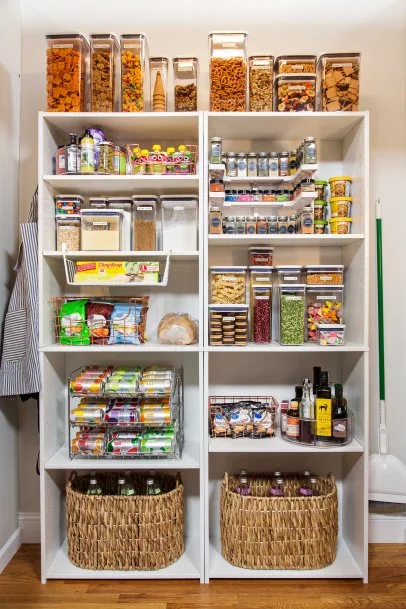
Credit: www.hgtv.com
Choosing Storage Solutions
Choosing the right storage solutions is key to a neat pantry. It helps keep everything visible and easy to reach. Good storage saves space and stops clutter from building up. Pick options that fit your pantry size and your needs. This makes your kitchen more organized and cooking more fun.
Shelves And Racks
Shelves make use of vertical space in your pantry. Adjustable shelves let you change heights for different items. Racks hold cans, spices, or bottles neatly. Wire racks allow air flow, keeping food fresh. Use corner shelves to use odd spaces well.
Containers And Bins
Containers keep dry goods safe from pests and moisture. Clear containers help you see contents quickly. Bins group similar items like snacks or baking supplies. Stackable bins save space and create order. Use airtight containers for grains, flour, and sugar.
Labels And Tags
Labels make finding items faster and easier. Use simple words or pictures for quick reading. Tags help track expiration dates to avoid waste. Label shelves too for specific food groups. This keeps your pantry tidy and items in place.
Organizing By Category
Organizing your pantry by category makes it easier to find items quickly. It also helps keep everything neat and tidy. Grouping similar foods together saves time and reduces stress during meal prep. This method creates a clear structure, making your pantry more functional and pleasant to use.
Grouping Similar Items
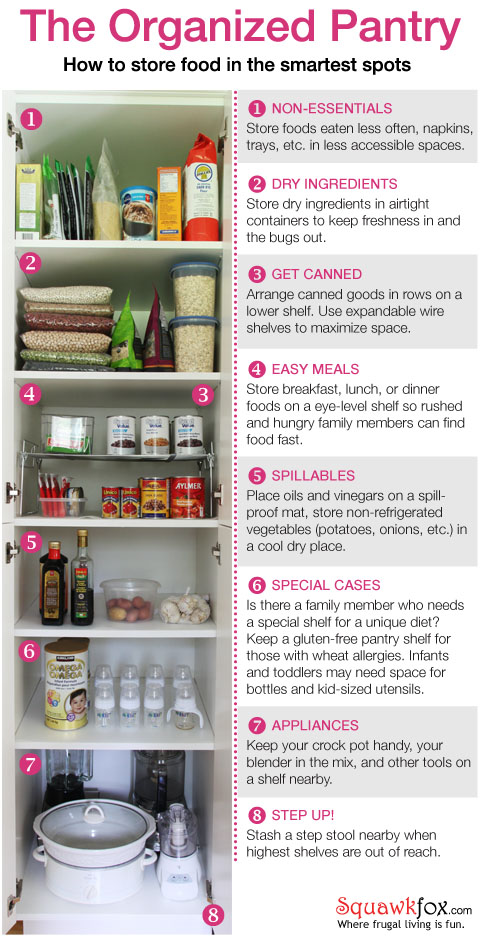
Start by sorting all items into groups. Place cans, jars, snacks, and baking supplies separately. Keep cereals and grains in one area. This way, you know exactly where each item belongs. Grouping similar items helps prevent clutter and confusion.
Creating Zones
Designate specific areas for different categories. Use one shelf for snacks and another for spices. Reserve lower shelves for heavy items like flour and sugar. Zones create a clear layout and make it easier to restock.
Prioritizing Accessibility
Put frequently used items at eye level. Store less used or seasonal goods on higher or lower shelves. Keep everyday essentials within easy reach. This saves time and effort while cooking or baking.
Maximizing Vertical Space
Maximizing vertical space in your pantry helps keep everything neat and easy to find. Using the height of your shelves means you can store more items without clutter. This method saves floor space and makes your pantry look organized. Small changes can create big differences in how much you can store.
Using Stackable Containers
Stackable containers make good use of vertical space. They fit on top of each other safely and keep food fresh. Clear containers help you see what is inside quickly. Use uniform sizes to create stable stacks. Label each container to avoid opening many boxes. This keeps your pantry tidy and easy to manage.
Adding Hooks And Hangers
Hooks and hangers add storage on walls or the inside of doors. Hang items like measuring cups, small baskets, or bags. This frees shelf space for bigger items. Use adhesive hooks to avoid drilling holes. Choose strong hooks that hold weight well. Hanging tools makes them easy to grab and saves space.
Maintaining Freshness And Safety
Keeping your pantry fresh and safe is key to healthy eating. Food loses taste and nutrition if stored too long. Also, old food can cause health problems. Organize your pantry to keep food fresh and avoid waste. Follow easy steps to check food dates, store items well, and stop pests.
Checking Expiration Dates
Look at expiration dates on all items. Use older items first to avoid spoilage. Throw away food that is past its date. Check cans and boxes for damage or bulges. Damaged packaging can mean unsafe food inside.
Proper Food Storage Tips
Store dry goods in airtight containers to keep moisture out. Keep cereals, grains, and flour in sealed jars or plastic bins. Put spices and herbs in cool, dark places away from heat. Group similar items together for easy access and use. Avoid overfilling shelves to allow air circulation.
Pest Prevention
Clean pantry shelves regularly to remove crumbs and spills. Use sealed containers to block ants and bugs. Check for cracks or holes in walls or doors and seal them. Keep pet food in tight containers. A clean pantry helps keep pests away and food safe.
:max_bytes(150000):strip_icc()/organized-pantry-0qGo0EYq4A49ZXoFFxrpR3-0921-1222-1adec4d6086d48ee9e48a8790d4d943f-2aae3d913d8642afabd04b317e9dbb46.jpg)
Credit: www.marthastewart.com
Establishing A Cleaning Routine
Keeping your pantry clean helps you find items quickly and keeps food fresh. Establishing a cleaning routine saves time and effort. It also stops clutter from building up. Small, regular tasks make a big difference. Here are simple steps to maintain a tidy pantry.
Regular Decluttering
Check your pantry every week for expired or unused items. Throw away anything past its date. Remove products you no longer need or use. This keeps shelves clear and prevents overcrowding. Regular decluttering stops pests and bad smells.
Wiping Surfaces
Clean shelves, containers, and corners often with a damp cloth. Use mild soap to remove stains or crumbs. Dry surfaces well to avoid mold or moisture damage. Wiping keeps your pantry neat and hygienic. It also helps you spot spills early.
Reorganizing Periodically
Take time to rearrange your pantry every few months. Group similar items together for easy access. Place frequently used foods at eye level. Adjust storage solutions as needed to fit new products. Reorganizing refreshes your pantry and improves order.
Incorporating Aesthetic Touches
Incorporating aesthetic touches can transform a simple pantry into a pleasing space. A well-arranged pantry looks inviting and feels organized. Small design choices create a calm, enjoyable area for cooking and storage.
Choosing A Color Scheme
Selecting a color scheme helps create harmony in the pantry. Soft, neutral colors make the space look larger and cleaner. Pastel shades add a gentle, warm feel. Use one main color and one or two accent colors. Keep the palette simple to avoid visual clutter. Match container labels and baskets with your chosen colors for a unified look.
Adding Decorative Elements
Decorative elements add personality to your pantry without crowding it. Small plants bring freshness and a natural touch. Use stylish jars or containers for dry goods instead of original packaging. Labels with neat fonts improve both style and function. Hang a small chalkboard or print a favorite quote on the wall. These details make the pantry feel cozy and cared for.
Frequently Asked Questions
How Do I Start Organizing My Pantry?
Begin by emptying your pantry completely. Clean shelves and check expiry dates. Sort items into categories for easy access and storage.
What Are The Best Containers For Pantry Storage?
Use clear, airtight containers to keep food fresh. Choose uniform sizes for stacking. Label containers to identify contents quickly.
How Can I Maximize Small Pantry Space?
Utilize vertical space with shelves or racks. Use door organizers for small items. Group similar items together to save space.
How Often Should I Clean And Reorganize My Pantry?
Clean and reorganize your pantry every 3-6 months. Regular checks prevent clutter and expired food buildup. This keeps your pantry efficient and hygienic.
Conclusion
A tidy pantry makes cooking easier and faster. You save time by knowing where items are. Group similar foods together for quick access. Use clear containers to see what you have. Keep frequently used items at eye level. Regularly check for expired or unused products.
Small steps create big changes in your kitchen. Start organizing today and enjoy a neat pantry tomorrow. Simple habits keep your space clean and efficient. A well-arranged pantry helps reduce food waste too.