Last Updated on August 21, 2026
Have you ever struggled to get fresh ginger ready for your recipes? Grating ginger might seem simple, but doing it the right way can make a huge difference in flavor and texture.
If you want to add that perfect zing to your dishes without the hassle or mess, this guide is for you. Keep reading, and you’ll discover easy tips and tricks that will make grating ginger quick, clean, and even enjoyable.
Your cooking will never be the same!
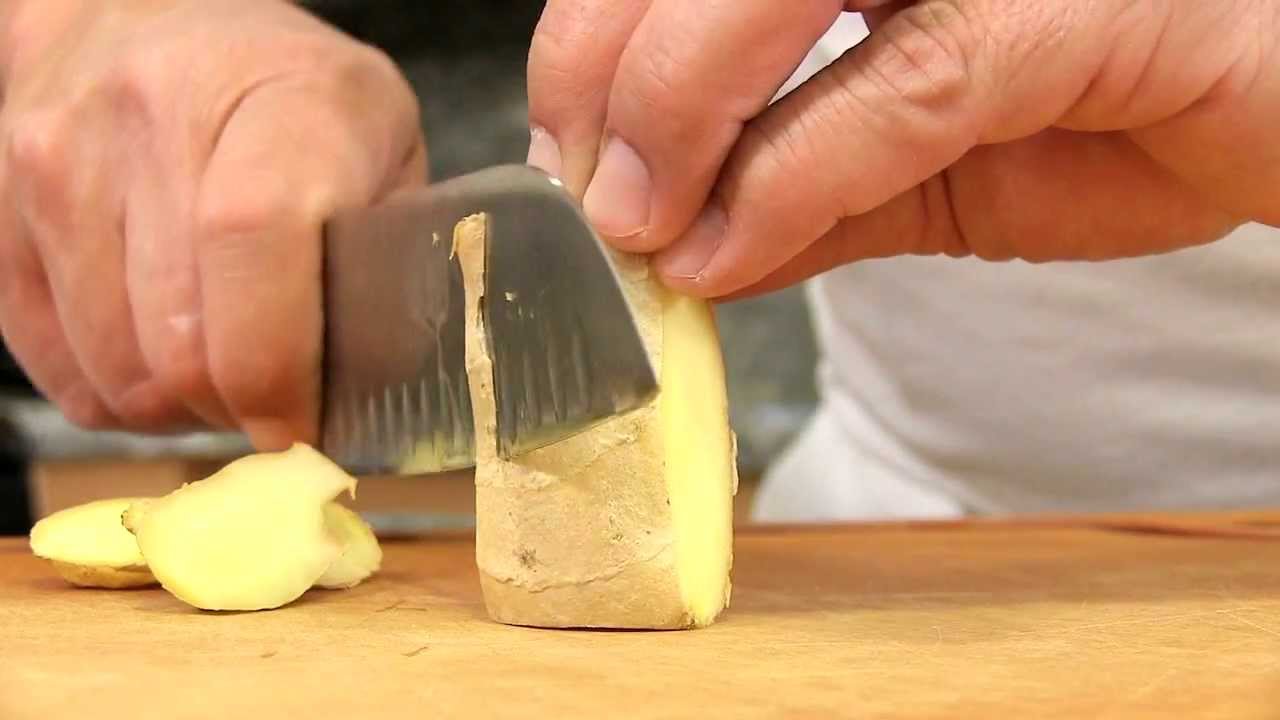
Credit: www.youtube.com
Choosing Fresh Ginger
Choosing fresh ginger is the first step to getting the best flavor. Fresh ginger has a strong, spicy aroma and juicy texture. It makes grating easier and adds more taste to your dishes. Knowing how to pick fresh ginger helps you avoid dry or old roots.
Signs Of Freshness
Pick ginger that feels firm and heavy for its size. The skin should be smooth and thin. Avoid ginger with wrinkles, soft spots, or mold. Fresh ginger smells sharp and spicy. Break a small piece; fresh ginger is moist inside.
Types Of Ginger Roots
There are different types of ginger roots. Young ginger has pink skin and is less spicy. It works well in salads and light dishes. Mature ginger has brown skin and strong flavor. This type is best for cooking and grating. Choose the type that fits your recipe.
Tools For Grating Ginger
Grating ginger is a simple task, but using the right tool makes it easier and cleaner. Different tools offer various benefits for texture, speed, and ease of use. Choosing the right grater depends on how often you use ginger and the texture you want.
Manual Graters
Manual graters are classic kitchen tools. They usually have a flat or slightly curved surface with small sharp holes. You rub the ginger root against the surface to create fine shreds. These graters are affordable and easy to clean. They give you control over the grating process. Perfect for small amounts of ginger.
Microplanes And Zesters
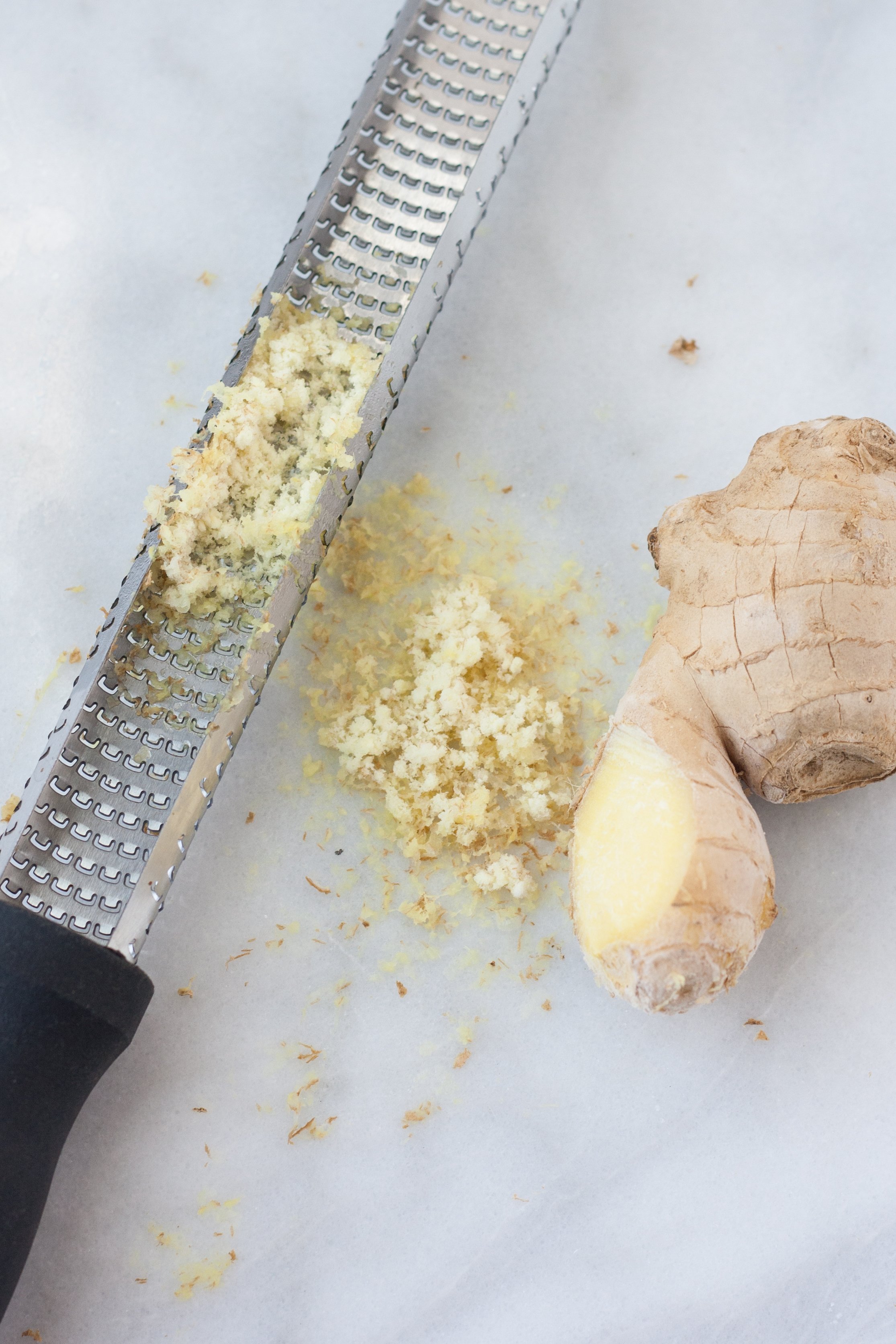
Microplanes and zesters are very sharp and precise. They create very fine ginger pieces, almost like a paste. These tools are long and narrow, making them easy to hold. Ideal for adding ginger to dressings or sauces. They require little effort and work fast. Easy to clean and store as well.
Food Processors
Food processors are powerful and fast. They can grate large amounts of ginger in seconds. Just peel and chop ginger roughly, then pulse in the processor. Great for recipes needing a lot of ginger. Cleaning takes a bit longer, but it saves time. Useful for frequent cooks or big batches.
Preparing Ginger For Grating
Preparing ginger for grating is the first step to adding fresh flavor to your dishes. It helps to handle ginger easily and get the best texture. Proper preparation saves time and effort during cooking. Follow simple steps to prepare ginger before grating.
Start by peeling the skin and then cut the ginger into smaller pieces. This makes grating easier and safer. A well-prepared ginger root gives you more juice and better taste.
Peeling Techniques
Use a spoon to peel ginger gently. The spoon’s edge removes skin without wasting flesh. Avoid using a knife, which can cut too much. Scrape the skin lightly in one direction. This method works well for fresh and tender ginger.
For older ginger, a vegetable peeler can help. Remove all brown skin to expose the bright yellow inside. Clean ginger ensures no bitter taste in your dishes.
Cutting Into Manageable Pieces
Cut ginger into small chunks after peeling. Pieces about one to two inches long work best. Small pieces fit easily on your grater. They also reduce slipping and improve control.
Trim off any hard or woody parts before cutting. These parts are tough and hard to grate. Using only the soft part gives you fine, juicy ginger. Keep your fingers safe by cutting carefully on a stable board.
:max_bytes(150000):strip_icc()/Simply-Recipes-How-to-Peel-and-Chop-Ginger-LEAD-5-1a0beedaf24a4b96905531b17c07d2e6.JPG)
Credit: www.simplyrecipes.com
Grating Methods
Grating ginger helps release its fresh, spicy flavor into your dishes. Different grating methods suit various kitchen tools and recipes. Choose a method that fits your needs and equipment.
Using A Microplane
A microplane is perfect for fine, fluffy ginger zest. Hold the ginger firmly and rub it against the microplane. Use gentle pressure to avoid grating your fingers. The small, sharp blades make grating easy and fast. This tool works well for sauces and dressings.
Handheld Grater Tips
A handheld grater offers a coarser texture. Hold the ginger at one end and grate it downwards. Use a steady hand to keep control. To prevent slipping, grip the ginger tightly. Clean the grater immediately to stop ginger fibers from drying.
Alternative Techniques
Use a knife to finely mince ginger if no grater is available. Peel the ginger first, then chop it into small pieces. Another option is a food processor for larger amounts. These methods work well when you want less fine texture. Choose the method that suits your recipe best.
Maximizing Flavor And Freshness
Fresh ginger offers a bright, spicy flavor that makes dishes special. To keep this flavor strong, it is best to grate ginger right before using it. This way, you get the most taste and aroma in every bite.
Storing grated ginger properly also helps keep its freshness. Knowing how to store it can save time and reduce waste. It keeps ginger ready for your next meal without losing its punch.
Grating Just Before Use
Grate ginger just before cooking for the best flavor. Once grated, ginger starts to lose its sharp taste quickly. The oils that give ginger its aroma evaporate fast. Freshly grated ginger adds zest and freshness to dishes. Avoid grating large amounts too early to keep flavor strong.
Storing Grated Ginger
Store grated ginger in an airtight container to keep it fresh. Place the container in the refrigerator for up to one week. For longer storage, freeze grated ginger in small portions. Use a clean spoon to take what you need each time. Proper storage slows down flavor loss and keeps ginger usable.
Common Mistakes To Avoid
Grating ginger seems easy, but many make common mistakes. These errors affect the texture and flavor of your dish. Avoiding these errors saves time and effort. Below are the most common mistakes to watch out for.
Over-grating
Grating ginger too much makes it mushy and wet. This can change the taste and texture of your food. Stop grating once you have the amount you need. Over-grating also wastes ginger and makes cleaning harder.
Ignoring Ginger Skin
Many skip peeling ginger’s skin before grating. The skin can be tough and bitter. It also clogs the grater, making it harder to use. Always peel the ginger with a spoon or knife first. This gives a cleaner, fresher taste to your dish.
Using Dull Tools
Dull graters do not shred ginger well. They crush the ginger instead of grating it finely. Using sharp tools makes grating faster and easier. Replace or sharpen your grater regularly for best results.
Credit: www.thekitchn.com
Frequently Asked Questions
How Do I Prepare Ginger Before Grating?
Peel ginger using a spoon or knife to remove the skin. Wash it thoroughly. Cut into manageable pieces for easier grating.
What Is The Best Tool To Grate Ginger?
A microplane grater works best for ginger. It produces fine, consistent shreds quickly. Alternatives include box graters or food processors.
Can I Grate Frozen Ginger Directly?
Yes, you can grate frozen ginger without thawing. It’s harder but still possible. Frozen ginger maintains freshness and flavor longer.
How To Avoid Ginger Grating Mess?
Grate ginger over a bowl or cutting board. Use a clean surface and scrape excess regularly. Wash your grater immediately after use.
Conclusion
Grating ginger is simple with the right tools and technique. Peel the skin carefully, then grate using small, gentle strokes. Freshly grated ginger adds great flavor to many dishes. Practice helps you grate faster and easier each time. Keep a small grater handy in your kitchen.
Enjoy cooking with fresh ginger and its natural zing. Try grating ginger in soups, teas, and sauces for a tasty boost.