Last Updated on February 13, 2026
Are you tired of ending up with lumpy mashed potatoes every time you try to make them? You’re not alone.
Smooth, creamy mashed potatoes can transform any meal, but achieving that perfect texture can be tricky. The good news is, with a few simple tips and tricks, you can easily make mashed potatoes without lumps. Keep reading, and you’ll discover how to get that silky, dreamy consistency that everyone loves—no lumps, no hassle.
Your mashed potato game is about to get a serious upgrade!
Choosing The Right Potatoes
Choosing the right potatoes is key to making smooth mashed potatoes. The potato type affects texture and flavor. Some potatoes create lumps. Others mash easily into creamy goodness.
Knowing which potatoes to pick helps avoid lumps. It also ensures soft, fluffy mashed potatoes every time.
Best Potato Varieties
Starchy potatoes work best for mashed potatoes. Russet potatoes are a popular choice. They have a dry, fluffy texture. Yukon Gold potatoes also mash well. They are creamy and smooth. These potatoes absorb butter and milk nicely. They create soft, lump-free mashed potatoes.
Avoiding Waxy Potatoes
Waxy potatoes hold their shape when cooked. Red potatoes and fingerlings are waxy types. They stay firm and do not mash well. Using waxy potatoes can cause lumps. Their texture is dense and sticky. Avoid waxy varieties for perfect mashed potatoes.

Credit: www.homemademastery.com
Preparing Potatoes Properly
Preparing potatoes properly is key to making smooth, lump-free mashed potatoes. The way you peel and cut the potatoes affects how evenly they cook and mash. Taking a little extra time in this step makes a big difference in texture.
Start with fresh potatoes. Wash them well to remove dirt. Then follow simple tips to prepare them for cooking.
Peeling And Cutting Tips
Peel the potatoes completely to avoid tough skin pieces in the mash. Use a sharp peeler for easy and quick peeling. Remove all eyes and green spots to prevent bitterness.
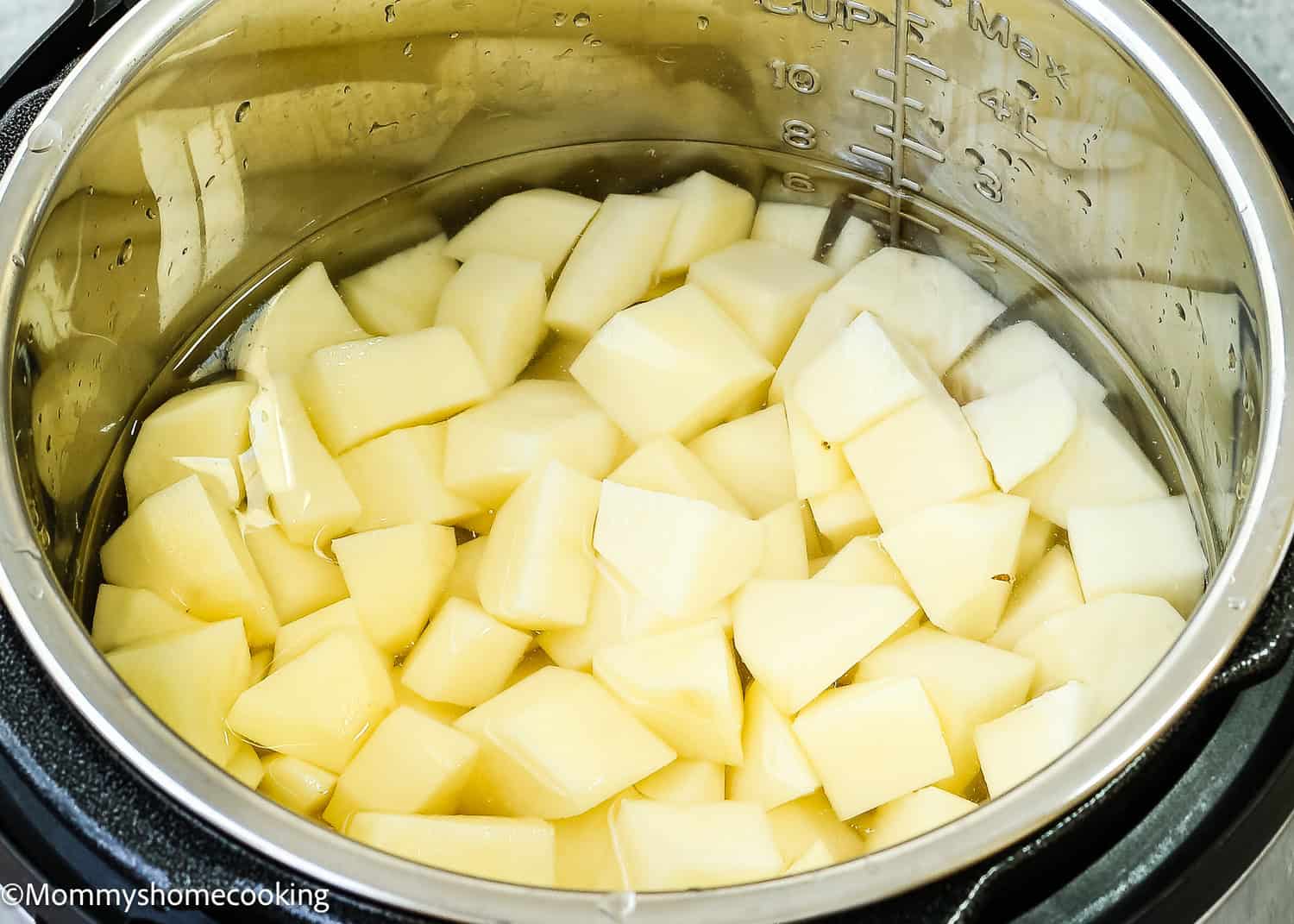
Cut the potatoes into chunks. Avoid tiny pieces that can overcook and turn mushy. Bigger chunks hold shape better during boiling.
Even Sizing For Uniform Cooking
Cut the potato chunks into similar sizes. This helps all pieces cook at the same time. Uneven pieces cause some to be undercooked and others to be mushy.
Check your pieces before boiling. Adjust any chunks that look much bigger or smaller. Even cooking means smooth mashing without lumps.
Cooking Techniques For Soft Potatoes
Soft potatoes are key to smooth, lump-free mashed potatoes. How you cook them affects their texture. The right technique helps potatoes cook evenly. It also makes mashing easier. Use methods that keep potatoes moist and soft.
Below are two common cooking techniques. Both produce tender potatoes perfect for mashing.
Boiling With Salted Water
Start by cutting potatoes into even pieces. This helps them cook at the same speed. Add a pinch of salt to the boiling water. Salt seasons potatoes and helps them cook better. Boil until you can easily poke them with a fork. Soft potatoes mash smoothly without lumps. Drain well to avoid watery mash.
Steaming Method Benefits
Steaming cooks potatoes gently with steam heat. It keeps potatoes moist and prevents water absorption. This helps potatoes stay fluffy and soft. Steamed potatoes hold their shape better for mashing. Use a steamer basket over boiling water. Steam until potatoes are tender and soft. This method reduces the chance of soggy potatoes.
Credit: damndelicious.net
Mashing Tools And Methods
Mashing potatoes without lumps depends a lot on the tools and methods used. Choosing the right tool helps achieve smooth, creamy mashed potatoes. Different tools create different textures and require different techniques. Here are some common mashing tools and tips on how to use them well.
Using A Potato Ricer
A potato ricer pushes cooked potatoes through small holes. This process breaks potatoes into fine pieces without crushing them too much. The result is light and fluffy mashed potatoes. Using a ricer reduces lumps and makes the texture smooth. It is easy to use and cleans up quickly.
Benefits Of A Hand Masher
A hand masher is simple and common. It allows more control over the texture. You can mash potatoes gently for a chunkier style or more to make them smoother. It is best for small batches and quick mashing. Hand mashers are easy to find and affordable.
Avoiding Overmixing
Overmixing mashed potatoes makes them gluey and sticky. Stir just enough to combine ingredients. Stop mashing once potatoes are soft and lump-free. Use slow, gentle motions. Overworking potatoes releases starch and changes texture. Patience and light mashing lead to perfect results.
Incorporating Dairy And Fats
Incorporating dairy and fats is key to making smooth mashed potatoes without lumps. These ingredients add creaminess and rich flavor. They also help create a soft texture that melts in your mouth. Knowing how to use them right makes all the difference.
Choosing Between Butter And Cream
Butter adds a rich, savory taste to mashed potatoes. It melts smoothly and blends well with the potatoes. Cream gives a silky, smooth texture and adds moisture. Heavy cream makes the potatoes thicker, while milk makes them lighter. Use butter for flavor and cream for smoothness. Combining both can give the best result.
Warming Ingredients Before Adding
Cold butter or cream can make potatoes lumpy. Warm dairy mixes better with hot potatoes. Heat butter until just melted. Warm cream or milk slightly before adding. This helps the fats blend evenly. Warm ingredients keep the potatoes soft and smooth. It prevents lumps from forming during mixing.
Preventing And Fixing Lumps
Lumps in mashed potatoes spoil their smooth, creamy texture. Avoiding and fixing lumps keeps your dish perfect. Small steps make a big difference in the final result.
Proper preparation and gentle handling help create silky mashed potatoes. Understanding simple tricks prevents lumps and saves time.
Straining Or Sifting Potatoes
After boiling, drain potatoes well. Use a potato ricer or food mill for the best results. This breaks potatoes into fine pieces without overworking them.
Passing potatoes through a sieve or sifter removes any lumps. It creates a light, fluffy texture. Avoid using a blender or mixer too much. They can make potatoes gluey and lumpy.
Reheating And Re-mashing Tips
Cold mashed potatoes often form lumps. Warm them gently on low heat before re-mashing. Add a little milk or butter to loosen the mixture.
Use a wooden spoon or potato masher for smoothness. Stir slowly and carefully. Avoid electric mixers during reheating to keep the texture soft.
Enhancing Flavor And Texture
Mashed potatoes taste best with good flavor and smooth texture. Simple potatoes can be bland and dull. Enhancing them makes every bite more enjoyable. Small touches add richness and depth. These tips help you create creamy mashed potatoes without lumps.
Adding Herbs And Seasonings
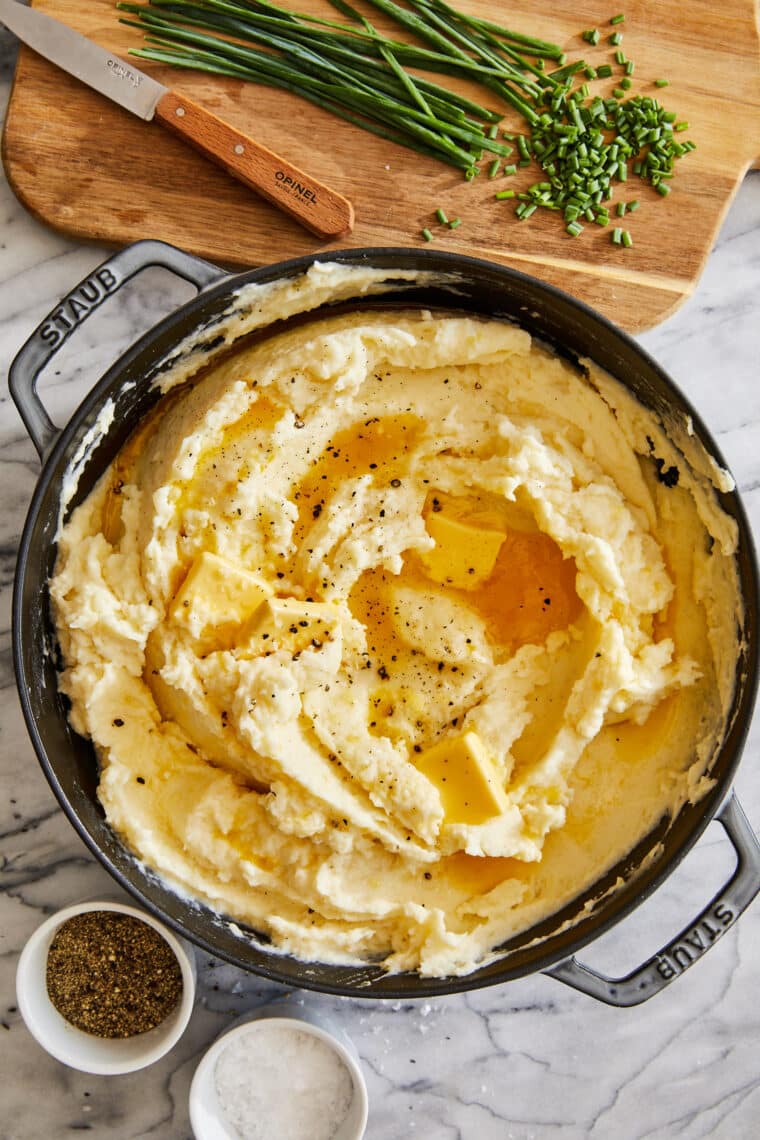
Fresh herbs give mashed potatoes a fresh taste. Parsley, chives, and thyme work well. Chop them finely before mixing in. Sprinkle salt and pepper carefully. They bring out the natural potato flavor. A little paprika or nutmeg adds warmth. Use herbs and spices in small amounts. Taste as you go to avoid overdoing it.
Mixing In Extras Like Garlic Or Cheese
Garlic adds a mild spicy kick. Roast or sauté it first for softness. Mash garlic smoothly into the potatoes. Cheese makes the dish creamy and rich. Cheddar, Parmesan, or cream cheese are great choices. Stir cheese in while potatoes are hot. It melts quickly and blends well. These extras give mashed potatoes a special twist.
Credit: mommyshomecooking.com
Frequently Asked Questions
How Do I Prevent Lumps In Mashed Potatoes?
To avoid lumps, boil potatoes until very soft. Use a potato masher or ricer for smooth texture. Avoid overmixing, which can cause gluey potatoes. Adding warm milk and butter helps create creamy mashed potatoes without lumps.
What Type Of Potatoes Are Best For Lump-free Mashing?
Russet or Yukon Gold potatoes are ideal. They have high starch content, making them fluffy and smooth. Waxy potatoes can create a gummy texture. Choosing the right potato ensures your mashed potatoes are lump-free and creamy.
Should I Peel Potatoes Before Mashing?
Yes, peeling potatoes before mashing is recommended. Potato skins can cause lumps and affect texture. However, if you prefer rustic mashed potatoes, you can leave some skins on. Just ensure potatoes are cooked evenly and mashed well for smooth results.
Can I Use A Blender For Lump-free Mashed Potatoes?
It’s not recommended to use a blender. Blenders can overwork potatoes, making them gluey and sticky. A potato masher, ricer, or food mill works best for lump-free, fluffy mashed potatoes. Gentle mashing preserves the ideal texture.
Conclusion
Smooth mashed potatoes start with the right steps. Use soft, cooked potatoes and mash gently. Avoid overworking to keep the texture creamy. Adding warm milk or butter helps blend lumps easily. Taste and adjust seasoning to your liking. Practice makes perfect, so keep trying.
Enjoy your lump-free mashed potatoes with any meal. Simple tips lead to delicious results every time.