Last Updated on February 13, 2026
Are you tired of your recipes turning out too sweet or too bland because you’re not measuring brown sugar correctly? Getting the right amount can be tricky since brown sugar packs differently than white sugar.
But don’t worry—this guide will show you simple, foolproof ways to measure brown sugar every time. By the end, you’ll feel confident adding just the right touch of sweetness to your favorite dishes. Keep reading to discover easy tips that will make your baking and cooking smoother and tastier!
Choosing The Right Brown Sugar
Choosing the right brown sugar affects the taste and texture of your recipe. Brown sugar comes in different types and forms. Knowing these helps you measure it correctly and get the best results.
Use the right kind of brown sugar for the recipe. This makes your dish taste just right.
Light Vs Dark Brown Sugar
Light brown sugar has a mild flavor and less molasses. It is soft and sweet. Dark brown sugar has more molasses. This gives it a stronger, richer taste. Choose light brown sugar for gentle sweetness. Pick dark brown sugar for deep, intense flavor.
Granulated Or Packed Sugar
Brown sugar is often packed into the measuring cup. Packing removes air and gives an accurate amount. Do not pour loosely like granulated sugar. Loose sugar weighs less and changes the recipe. Press brown sugar firmly but do not crush it. This helps measure the right amount every time.
Tools For Measuring Brown Sugar
Measuring brown sugar correctly is key to great baking. The right tools help ensure accuracy. Using proper tools avoids mistakes and keeps recipes consistent. Two common tools for measuring brown sugar are measuring cups and kitchen scales.
Measuring Cups And Spoons
Measuring cups and spoons are simple and easy to use. Brown sugar often needs to be packed tightly into the cup. This helps avoid air pockets and gives an accurate amount. Use the back of a spoon or your fingers to press the sugar firmly. Level off the top with a flat edge. These tools come in various sizes for different recipe needs. They are inexpensive and found in most kitchens.
Kitchen Scales
Kitchen scales provide the most precise measurement. Place a bowl on the scale and reset to zero. Then add brown sugar until reaching the desired weight. This method works well for sticky or packed brown sugar. Scales reduce guesswork and improve consistency. Digital scales are easy to read and use. This tool is helpful for both small and large amounts of sugar.
Proper Techniques For Measuring
Measuring brown sugar correctly is key for good baking results. Using the right techniques helps keep recipes consistent. It ensures the sugar adds the perfect sweetness and texture.
Brown sugar often packs tightly, so knowing how to handle it matters. A few simple steps can avoid common errors that affect taste and baking structure.
Packing Brown Sugar Correctly
Use a dry, clean measuring cup for brown sugar. Scoop the sugar and press it down firmly. Press until the surface is smooth and level. This method fills the cup completely with no air pockets.
Do not shake or tap the cup to settle the sugar. Pressing helps get the exact amount the recipe calls for. Use the back of a spoon for even packing.
Avoiding Common Mistakes
Never measure brown sugar loosely; it changes the amount. Avoid scooping with a spoon alone—it adds too little sugar. Do not guess the quantity by sight.
Always level off the sugar with a flat edge, like a knife. Use fresh brown sugar; old sugar hardens and packs differently. Keeping these tips in mind prevents baking surprises.

Credit: thelittlehollythatcould.com
Converting Brown Sugar Measurements
Converting brown sugar measurements is important for cooking and baking accuracy. Recipes may list sugar in cups, tablespoons, or grams. Knowing how to change these measurements helps you get the right texture and taste. This is especially true when you need to scale a recipe up or down.
Volume To Weight Conversions
Brown sugar is often packed when measured by volume. One cup of packed brown sugar weighs about 220 grams. For tablespoons, one tablespoon weighs about 13.75 grams. Using a kitchen scale ensures you use the exact amount. Weight measurements are more accurate than volume. They prevent mistakes like too much or too little sugar. This helps your recipe turn out just right every time.
Adjusting For Recipe Variations
Recipes can vary in how they use brown sugar. Some call for light brown sugar, others for dark. Dark brown sugar has more molasses, making it heavier and wetter. You may need to adjust the amount slightly for taste or texture. If a recipe calls for packed sugar, pack it firmly but not too hard. If using loose sugar, reduce the amount a bit. Small changes can affect the final dish, so measure carefully.
Storing Brown Sugar For Accuracy
Storing brown sugar properly keeps it soft and easy to measure. Brown sugar often hardens when exposed to air. This change makes measuring tricky and can affect your recipes. Good storage helps keep the sugar fresh and reliable for baking or cooking.
Preventing Hardening
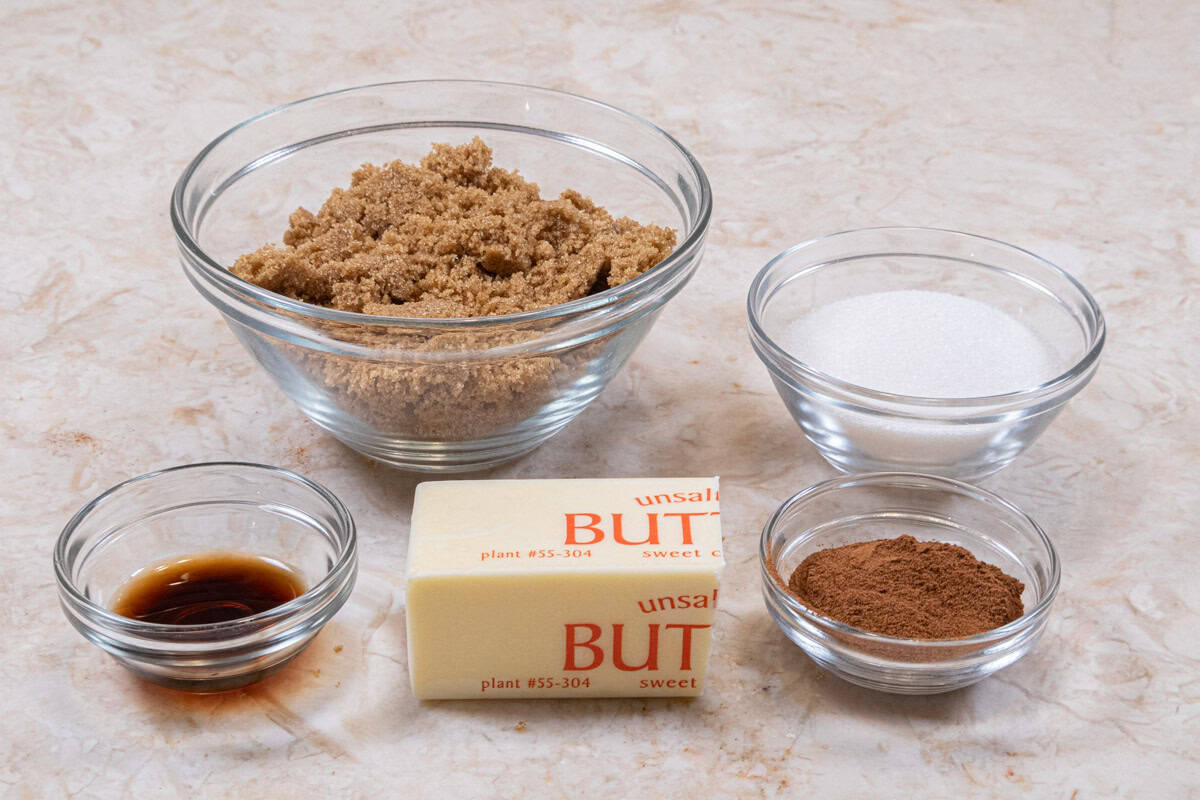
Use an airtight container to store brown sugar. This blocks air from drying out the sugar. Keep the container in a cool, dry place. Avoid places with heat or moisture. A small piece of bread or a damp paper towel inside the container helps keep sugar soft. Replace these items regularly to maintain moisture.
Maintaining Freshness
Store brown sugar away from strong smells. Sugar can absorb odors easily. Use containers with tight lids to protect flavor. Check the sugar often for clumps. Break clumps gently with a fork before use. Fresh sugar measures more accurately and mixes well in recipes.
Credit: pastrieslikeapro.com
Tips For Consistent Baking Results
Consistent baking results depend on precise measurements, especially with brown sugar. Brown sugar can pack differently based on moisture and climate. Small changes in measurement affect the texture and taste of baked goods. Following simple tips helps keep your baking predictable and tasty every time.
Measuring In Different Climates
Humidity changes how brown sugar behaves. In dry climates, brown sugar may become hard and clumpy. In humid areas, it can be soft and sticky. Use a fork to break up clumps before measuring. Always pack the sugar firmly into the cup for accuracy. Store brown sugar in an airtight container to keep moisture steady.
Using Brown Sugar Alternatives
Sometimes, you may need to use alternatives like coconut sugar or white sugar. These have different textures and moisture levels than brown sugar. Measure them by weight for best results. Adjust liquid in the recipe if the sugar alternative is drier. Testing small batches helps find the right balance before baking a full recipe.
Credit: www.oetker.co.uk
Frequently Asked Questions
How Do You Properly Measure Brown Sugar?
To measure brown sugar, pack it firmly into the measuring cup. Press it down until there are no air pockets. Level off the excess with a straight edge for accurate measurement.
Can I Use A Kitchen Scale For Brown Sugar?
Yes, a kitchen scale provides precise brown sugar measurement. Weighing ensures consistent results, especially in baking. Use grams or ounces for best accuracy.
What’s The Difference Between Packed And Loose Brown Sugar?
Packed brown sugar is compressed firmly into the cup. Loose brown sugar is lightly spooned without pressure. Recipes typically require packed sugar for correct sweetness and texture.
How To Fix Hardened Brown Sugar Before Measuring?
To soften hardened brown sugar, microwave it with a damp paper towel for 20 seconds. Alternatively, place a slice of bread or apple in the container overnight to restore moisture.
Conclusion
Measuring brown sugar is simple with the right steps. Always pack the sugar firmly into your measuring cup. Use a spoon to fill the cup, then press down gently. Avoid guessing to keep your recipes consistent. Accurate measuring makes your baked goods taste better.
Practice a few times, and it will feel easy. Now, you can measure brown sugar with confidence every time. Cooking and baking become more fun and less stressful this way.