Last Updated on February 13, 2026
Measuring flour correctly can make or break your baking. If you’ve ever ended up with a cake that’s too dense or cookies that spread too much, the problem might be how you measure your flour.
Getting it right is easier than you think, and it can transform your baking results from good to perfect. You’ll discover simple tips and tricks to measure flour like a pro, ensuring your recipes turn out just the way you want every time.
Keep reading to unlock the secret to flawless baking!
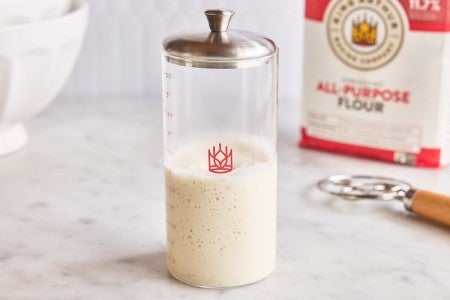
Credit: www.kingarthurbaking.com
Choosing The Right Flour
Choosing the right flour is key to baking success. Each type of flour behaves differently in recipes. Using the correct flour can improve texture and taste. Understanding flour types helps you measure and use them correctly.
Types Of Flour For Baking
All-purpose flour is common and works in many recipes. It has medium protein, suitable for bread and cakes. Cake flour has low protein, making cakes soft and tender. Bread flour has high protein, which helps bread rise well. Whole wheat flour contains bran and germ, adding fiber and flavor. Each flour type changes the final baked product.
Impact On Recipe Results
The flour type affects dough strength and crumb texture. Using bread flour in cakes can make them tough. Cake flour in bread can cause poor rise and dense texture. Whole wheat flour adds nuttiness but can make dough heavier. Measuring flour by weight ensures the recipe works as intended. Correct flour choice improves baking results every time.
Common Measuring Tools
Measuring flour correctly is key for baking success. Using the right tools helps get accurate amounts. Common measuring tools include measuring cups and kitchen scales. Each tool works differently and suits different needs. Understanding these tools makes baking easier and more precise.
Measuring Cups Vs. Kitchen Scales
Measuring cups are common in many kitchens. They hold flour by volume. You scoop or spoon flour into the cup, then level it off. This method is quick and simple. But flour can settle or pack differently, causing variations.
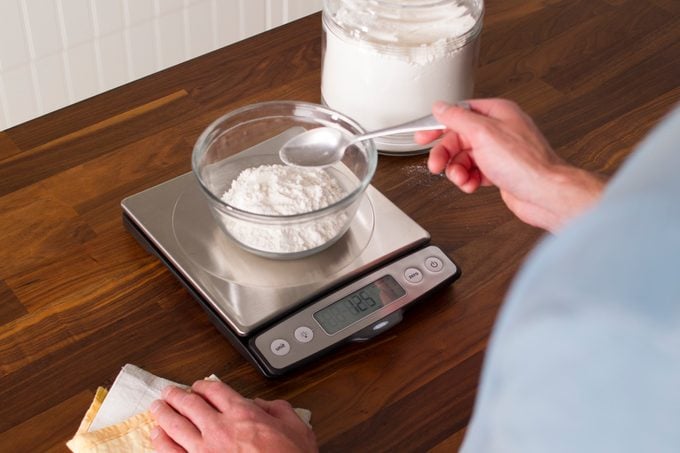
Kitchen scales measure flour by weight. You place a bowl on the scale and add flour until the desired weight appears. This method is more accurate than cups. It avoids errors from packing or settling flour.
Benefits Of Each Tool
Measuring cups are easy to use and do not need batteries. They are affordable and fast for everyday baking. Cups work well for recipes that list volume measurements.
Kitchen scales offer precise measurements. They improve consistency in baking results. Scales are ideal for recipes requiring exact amounts. They reduce guesswork and waste.
Techniques For Accurate Measurement
Measuring flour correctly is key to baking success. Small differences in flour amount can change the texture and taste of your baked goods. Here are simple ways to measure flour accurately at home. Follow these techniques to get the best results every time you bake.
Spoon And Level Method
Use a spoon to scoop flour into your measuring cup. Do not scoop directly from the bag. This prevents the flour from packing tightly. Fill the cup lightly, then use a flat edge to level off the excess. This method gives a light and even flour measurement.
Scooping Directly From The Bag
A common but less accurate method is to scoop flour straight from the bag. This packs the flour, making it heavier than needed. It can cause your baked goods to be dense or dry. Avoid this if you want consistent baking results.
Weighing Flour For Precision
Use a kitchen scale to weigh flour for the best accuracy. Weighing removes guesswork and gives exact amounts. Most recipes list flour weight in grams or ounces. This method ensures your flour amount is perfect every time. Weighing is the best choice for serious bakers.
Credit: www.tasteofhome.com
Avoiding Common Mistakes
Measuring flour correctly is key to baking success. Many mistakes happen without realizing it. These errors change the texture and taste of your baked goods. Avoiding common mistakes helps you get better results every time.
Packing Flour Too Tightly
Pressing flour down in the cup adds too much flour. This makes your recipe dry and dense. Always spoon flour lightly into the measuring cup. Then level it off with a flat edge. This method gives the right amount of flour.
Ignoring Flour Moisture Content
Flour can hold moisture from the air. This changes its weight and volume. Using the same measuring method in dry and humid conditions can cause errors. Store flour in a cool, dry place. Check if your flour feels clumpy or damp before measuring.
Adjusting Measurements For Different Recipes
Adjusting flour measurements is key for different recipes. Each recipe needs a specific texture and structure. Using the exact amount of flour affects the final result. Breads need a different flour amount than cakes. Also, baking at high altitudes changes how flour behaves. Knowing how to adjust flour helps make better baked goods.
Breads Vs. Cakes
Bread recipes need more flour for strong dough. Dough must hold shape and rise well. Use a firm scoop and level off flour. Cakes need less flour for soft, tender crumb. Lightly spoon flour into the measuring cup. Avoid packing flour tightly in cake recipes. More flour makes cakes dry and heavy.
High-altitude Baking Tips
At high altitudes, flour absorbs moisture differently. Air pressure is lower, causing faster rising. Reduce flour by 1 to 2 tablespoons per cup. This prevents dough from becoming too dense. Watch dough texture, not just measurements. Adjust flour until dough feels soft but not sticky. Test small changes for best results.

Credit: www.displacedhousewife.com
Storing Flour To Maintain Quality
Storing flour correctly keeps it fresh and ready for baking. Poor storage can lead to clumps, bad smells, or pests. Proper care extends flour’s shelf life and maintains its quality.
Proper Containers
Use airtight containers to store flour. Plastic or glass containers with tight lids work best. Keep out air and moisture to stop flour from spoiling. Avoid using the original paper bag alone. It does not protect well from bugs or humidity.
Shelf Life And Freshness
Flour stays fresh for about 6 to 8 months at room temperature. Whole wheat flour lasts less because of its oils. Store flour in a cool, dry place away from sunlight. For longer storage, keep flour in the fridge or freezer. Remember to bring it to room temperature before baking.
Frequently Asked Questions
How Do I Measure Flour Without A Scale?
Use the spoon-and-level method. Spoon flour into a measuring cup without packing. Then, level it with a flat edge for accuracy.
Why Is Correct Flour Measurement Important?
Correct flour measurement ensures proper dough consistency. Too much or too little flour affects texture and baking results.
Can I Use Liquid Measuring Cups For Flour?
No, liquid measuring cups are inaccurate for flour. Use dry measuring cups for precise flour measurement.
How Does Flour Type Affect Measurement?
Different flour types have varying densities. Measuring by volume may differ; weighing is more precise for consistent results.
Conclusion
Measuring flour correctly helps you bake better every time. Use the spoon-and-level method for accuracy. Avoid packing flour into the cup to prevent dense results. A kitchen scale gives the best precision if you have one. Small changes in flour can change your recipe’s outcome.
Practice these tips to get consistent and tasty baked goods. Keep it simple and enjoy baking with confidence. Accurate measuring saves time and reduces waste in your kitchen. Try these steps, and your recipes will improve quickly.