Last Updated on February 13, 2026
Measuring powdered sugar might seem simple, but if you get it wrong, your recipe can turn out too sweet or too dry. You want your baked goods to have the perfect texture and taste every time.
So, how do you make sure you’re using the right amount? You’ll discover easy and effective ways to measure powdered sugar accurately. Whether you’re baking a cake or making frosting, these tips will save you time and prevent common mistakes.
Keep reading to master the skill that will take your baking to the next level!

Credit: pastryliving.com
Choosing The Right Tools
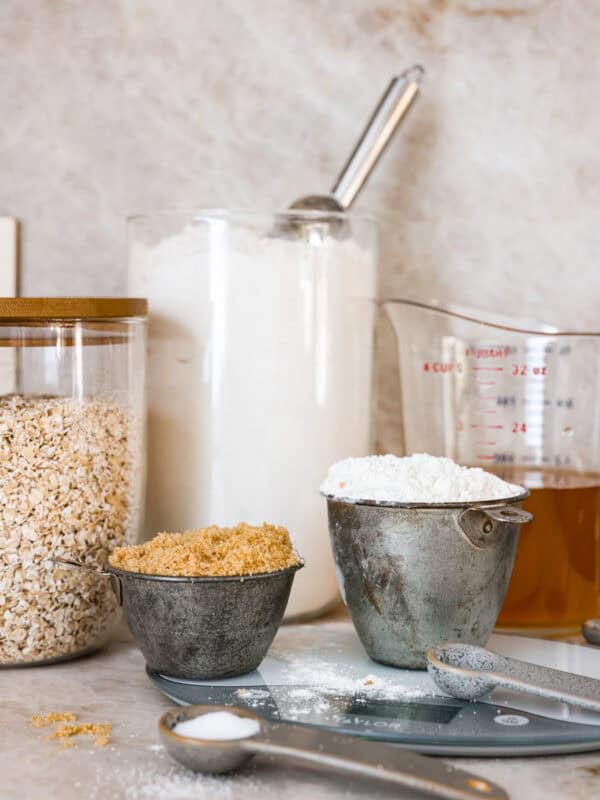
Choosing the right tools for measuring powdered sugar helps ensure your recipe turns out well. Using the proper tools can prevent errors in texture and sweetness. It also makes the process faster and easier. Understanding the differences between tools helps you pick the best one for your needs.
Measuring Cups Vs. Scales
Measuring cups are common and easy to find. They work well for quick recipes. But powdered sugar can settle or pack, causing inaccurate amounts.
Scales provide precise measurements by weight. This method avoids packing issues. A scale gives consistent results every time. It is best for baking where exact amounts matter.
Spoons And Scoops For Accuracy
Spoons and scoops help control how much sugar you use. They allow for gentle scooping without packing the sugar down. This keeps the sugar light and fluffy, as recipes often require.
Use a spoon to fill your measuring cup. Level off the top with a flat edge. Scoops come in different sizes for easy portioning. They help avoid overfilling or underfilling.
Credit: therecipecritic.com
Preparing Powdered Sugar For Measuring
Preparing powdered sugar before measuring is important for accurate results. Powdered sugar often clumps together. These clumps can cause you to use less sugar than the recipe needs. Taking simple steps helps get the right amount every time.
Sifting To Remove Clumps
Sifting breaks up lumps in powdered sugar. Use a fine mesh sieve or sifter. Place the powdered sugar in the sieve. Shake or tap gently over a bowl. The fine sugar falls through, leaving clumps behind. This makes the sugar light and even. Sifting ensures smooth texture and exact measurement.
Fluffing For Consistency
Fluffing powder loosens it before measuring. Stir the powdered sugar with a spoon. Lift and mix it to break any packed areas. Fluffed sugar is less dense than packed sugar. This avoids adding too much sugar to your recipe. Fluffing helps achieve consistent and reliable results.
Measuring Techniques
Measuring powdered sugar correctly makes a big difference in baking. Using the right technique helps you get the right texture and taste. Two common ways to measure powdered sugar are scooping and weighing. Each method has its own benefits. Choose the one that fits your needs and tools.
Scooping And Leveling
Scooping powdered sugar directly with a measuring cup is popular. Use a spoon to fill the cup lightly. Avoid packing the sugar down, as it will add too much. After filling, use a flat edge to level the sugar. This method works well for quick recipes. It is easy and requires no extra tools.
Weighing With A Kitchen Scale
Weighing powdered sugar gives the most accurate result. Use a kitchen scale and place a bowl on it. Tare the scale to zero before adding sugar. Slowly add sugar until you reach the desired weight. This method ensures consistency in baking. It is especially useful for detailed recipes and professional cooking.
Common Mistakes To Avoid
Measuring powdered sugar sounds easy but can cause problems in baking. Small mistakes change the texture and taste of your recipe. Avoid these common errors to get the best results with powdered sugar.
Packing Powdered Sugar Too Tightly
Powdered sugar is light and fluffy. Pressing it down while measuring adds more sugar than needed. This changes the sweetness and texture of your dish. Use a spoon to fill your measuring cup gently. Level it off without pressing to get the right amount.
Ignoring Ingredient Variations
Different brands of powdered sugar may vary in weight and texture. Some have more cornstarch, which affects measurement. Always check the recipe and ingredient labels. Adjust your measuring method if the sugar is denser or lighter than usual. This step helps keep your recipe balanced.
Adjusting Measurements For Recipes
Adjusting measurements for powdered sugar ensures your recipe turns out just right. Different recipes may need slight changes in quantity. Weather and tools affect how much powdered sugar you use. Understanding how to adjust these amounts helps you bake better every time.
Converting Between Volume And Weight
Measuring powdered sugar by volume can be tricky. One cup of powdered sugar may weigh around 120 grams. Using a kitchen scale gives more accurate results. Weight measurement avoids packing or fluffing errors. This method helps keep your recipe consistent and balanced. Always check if the recipe uses cups or grams before measuring.
Adapting For Humidity And Climate
Powdered sugar can clump in humid weather. Moisture makes it heavier and harder to measure. In dry climates, powdered sugar stays light and fluffy. Adjust the amount slightly depending on your environment. Use a sifter to break up clumps before measuring. This step ensures the sugar mixes smoothly into your recipe.

Credit: www.twosisterscrafting.com
Tips For Storing Powdered Sugar
Proper storage of powdered sugar helps keep it fresh and easy to use. Powdered sugar can clump or harden if not stored well. Simple steps can stop moisture and maintain its fine texture. Here are some tips for storing powdered sugar to keep it in the best condition.
Preventing Moisture Build-up
Moisture is the biggest enemy of powdered sugar. It causes clumps and hard lumps. Store powdered sugar in a dry place away from steam or humidity. Use airtight containers to stop moisture from entering. Avoid opening the container with wet hands. A small packet of silica gel can help absorb moisture inside the container.
Keeping Sugar Fresh Longer
Keep powdered sugar in a cool and dark spot. Heat and light can affect its texture and taste. Use containers with tight lids to keep air out. Label the container with the date of purchase. Use the oldest sugar first to avoid waste. Stir the sugar gently before use to break small clumps.
Frequently Asked Questions
How Do You Measure Powdered Sugar Accurately?
To measure powdered sugar accurately, use a dry measuring cup. Spoon the sugar lightly into the cup without packing. Level off the excess with a straight edge for precise measurement.
Can I Use A Kitchen Scale For Powdered Sugar?
Yes, a kitchen scale provides the most accurate powdered sugar measurement. Weighing eliminates packing errors and ensures consistency, especially for baking or frosting recipes.
What Is The Difference Between Sifted And Unsifted Powdered Sugar?
Sifted powdered sugar is aerated and clump-free, making it lighter by volume. Unsifted sugar can be denser, so measuring sifted sugar ensures better recipe accuracy.
How Do I Convert Powdered Sugar Cups To Grams?
One cup of powdered sugar equals about 120 grams. Use this conversion for precise measurements when following recipes with metric units.
Conclusion
Measuring powdered sugar correctly helps your recipes turn out just right. Use the right tools like a dry measuring cup or a kitchen scale. Spoon the sugar gently to avoid packing it too tight. Level it off with a flat edge for accuracy.
Small details matter in baking and cooking. Practice these simple steps to get consistent results every time. Keep your measurements simple and reliable. This way, your dishes will taste great and look perfect.