Last Updated on December 29, 2025
Your granite surfaces are beautiful and durable, but stains can quickly ruin their look. If you’ve ever spilled coffee, wine, or something else on your granite countertop, you know how frustrating it can be to get it clean again.
What if you could remove those stubborn stains without harsh chemicals or expensive treatments? You’ll discover simple and effective ways to bring back your granite’s shine. Keep reading, and you’ll learn easy steps that anyone can follow to make your granite look like new again.
Types Of Granite Stains
Granite stains differ based on their cause and appearance. Identifying the type of stain helps choose the right cleaning method. Stains can be tricky and affect the stone’s beauty. Knowing these types helps protect your granite surfaces.
Oil-based Stains
Oil-based stains come from cooking oils, grease, or cosmetics. They soak into granite and leave dark, greasy marks. These stains often appear as dull, dark spots. Removing them needs special cleaners that break down oil.
Organic Stains
Organic stains come from food, coffee, tea, or leaves. They usually show as brown, yellow, or reddish marks. These stains often fade with sunlight or bleach. Quick cleaning prevents these stains from setting deeply.
Rust Stains
Rust stains form when metal touches granite and rusts. They look like orange or reddish spots. These stains can be tough and need a special rust remover. Avoid using acid cleaners that can damage granite.
Etching And Water Spots
Etching happens when acid reacts with granite’s surface. It causes dull, rough patches. Water spots appear as white rings or marks. Both can dull granite’s shine and need polishing or special treatments to fix.
Essential Cleaning Supplies
Cleaning stains from granite needs the right supplies. Using proper tools helps protect the stone. It also makes stain removal easier and safer. Here are the key supplies you need for cleaning granite.
Gentle Cleaners
Choose cleaners made for natural stone. Avoid harsh chemicals like bleach or ammonia. These can damage granite’s surface. Mild dish soap mixed with warm water works well. You can also find special granite cleaners in stores. Use a soft cloth or sponge to apply them. This prevents scratches and keeps the stone smooth.
Poultice Materials
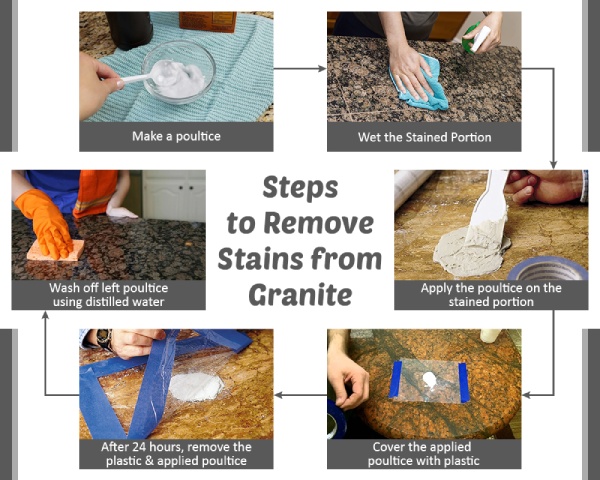
Poultices draw out deep stains from granite. You need a powder like baking soda or talc. Mix it with water or hydrogen peroxide to make a paste. Spread the paste over the stain. Cover with plastic wrap and tape down the edges. Let it sit for 24 to 48 hours. The paste pulls the stain out of the stone. After, gently wipe the poultice away with a damp cloth.
Protective Gear
Wear gloves to protect your hands from cleaners. Some poultice ingredients can irritate skin. Safety goggles keep your eyes safe from splashes. Use old clothes to avoid staining your fabrics. Proper protection helps you clean without harm or discomfort.
Daily Granite Cleaning Tips
Granite is a beautiful and durable stone that needs daily care. Keeping it clean helps keep its shine and stops stains. Simple daily habits protect granite from damage and keep your home looking fresh.
Follow these easy cleaning tips to keep your granite surfaces spotless every day.
Wiping Spills Quickly
Spills can cause stains if left too long. Wipe any liquid or food right away. Use a soft cloth or paper towel. This stops stains from setting deep into the stone.
Using Mild Soap Solutions
Clean granite with gentle soap and warm water. Mix a few drops of dish soap in water. Use a soft cloth to wipe the surface. Rinse with clean water and dry with a towel. This keeps granite clean without damage.
Avoiding Harsh Chemicals
Strong cleaners can harm granite’s surface. Do not use bleach, ammonia, or acidic products. These chemicals dull the shine and cause etching. Stick to mild soaps and water for safe daily cleaning.
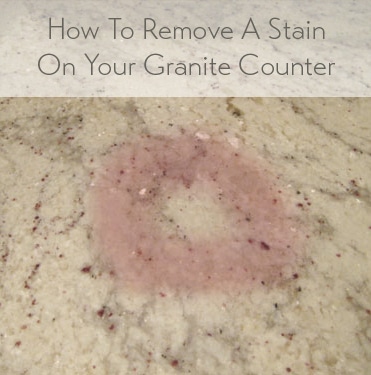
Credit: www.younghouselove.com
Removing Oil-based Stains
Oil-based stains on granite can be tricky to remove. These stains come from cooking oils, butter, and other greasy substances. They soak into the stone and leave dark marks. Acting fast helps stop the stain from setting deep.
Using the right cleaning methods can clear these stains without damaging your granite. Gentle but effective treatments work best. Avoid harsh chemicals that might harm the stone’s surface.
Applying Baking Soda Poultice
Baking soda is a natural cleaner that lifts oil stains well. Make a paste by mixing baking soda with water. The paste should be thick like peanut butter.
Spread the paste over the stained area. Cover it with plastic wrap and tape down the edges. Let it sit for 24 hours. The baking soda will draw out the oil.
After 24 hours, remove the plastic and wipe off the paste. Rinse the area with warm water and dry with a soft cloth. Repeat if the stain is still visible.
Using Dish Soap Treatments
Dish soap breaks down grease and oil easily. Choose a mild, grease-cutting dish soap. Mix a few drops with warm water.
Use a soft cloth or sponge to apply the soapy water to the stain. Gently rub in circular motions. Avoid scrubbing too hard to protect the granite.
Rinse the area with clean water and dry it well. Repeat the process until the stain fades. This method is safe for regular cleaning too.
Treating Organic Stains
Organic stains on granite come from natural sources like coffee, tea, fruit, or food spills. These stains can darken the surface and seem tough to clean. Treating them quickly helps keep your granite looking fresh and shiny. Here are two effective ways to handle organic stains safely.
Hydrogen Peroxide Solutions
Hydrogen peroxide works well to lift organic stains from granite. Use a 3% hydrogen peroxide solution to avoid damaging the stone. Apply a small amount on the stain using a soft cloth or cotton ball. Let it sit for 10 to 15 minutes. Afterward, gently wipe the area with a clean, damp cloth.
This method breaks down the stain without harsh chemicals. Avoid strong bleach or acids, as they can harm the granite. Repeat the process if the stain remains, but do not overuse hydrogen peroxide. Always test on a small, hidden spot first.
Sunlight Exposure Method
Sunlight can naturally fade organic stains on granite. Place the stained granite piece or cover the stained area with clear plastic. Leave it under direct sunlight for a few hours or a full day. The UV rays help lighten the stain over time.
This method suits small, less stubborn stains. Avoid leaving the granite in the sun too long, as it may cause some discoloration. Check the stain’s progress regularly and remove from sunlight once it fades.
Dealing With Rust Stains
Rust stains on granite can be tough to remove. These stains happen when metal objects sit on the surface too long. Rust can leave ugly orange or brown marks. Acting fast helps stop rust from setting deep into the stone. Use the right methods to clean without harming your granite.
Commercial Rust Removers
Choose a rust remover made for natural stone. Many products are safe for granite. Read the label carefully to avoid damage. Apply the remover on the stain using a soft cloth. Let it sit for the time the instructions say. Then, wipe it off with clean water. Repeat if the stain is still visible. Avoid acidic cleaners like vinegar or lemon. They can dull the granite surface.
Preventing Rust Damage
Keep metal items away from granite counters. Use coasters or mats under metal objects. Wipe up spills quickly to stop rust forming. Regularly clean your granite with a mild soap. Seal your granite every year. The sealant helps keep stains from soaking in. Taking these steps protects your granite and keeps it looking new.
Handling Etching And Water Spots
Etching and water spots often appear on granite surfaces. These marks can dull the natural shine. They happen when acidic substances or hard water sit too long. Treating these spots early keeps granite looking fresh. The right care restores the stone’s smooth finish without damage.
Using Granite Polishing Powder
Granite polishing powder helps remove light etching and water spots. Sprinkle a small amount on the affected area. Use a soft cloth with water to rub gently in circles. This action smooths the surface and brings back the shine. Rinse the area well with clean water afterward. Repeat if needed, but avoid harsh scrubbing.
Sealing Granite Surfaces
Sealing granite creates a protective layer against stains and water spots. Apply a granite sealer following the product instructions carefully. Use a clean cloth or brush to cover the entire surface evenly. Let the sealer absorb and dry completely for best results. Sealing reduces etching and keeps granite looking new longer.
Preventing Future Stains
Preventing future stains on granite keeps your surfaces looking fresh and new. Taking simple steps protects your investment and saves time on cleaning. A good routine and smart habits help avoid tough stains and damage.
Regular Sealing Schedule
Granite is porous, so sealing it blocks stains. Apply a sealant once or twice a year. Check your granite by placing a few drops of water on it. If water soaks in quickly, it needs sealing. A sealed surface resists spills and dirt better. Use a high-quality granite sealant for best results.
Using Coasters And Trivets
Place coasters under glasses and cups. This stops liquids like coffee and wine from touching granite. Use trivets for hot pots and pans. Heat can weaken the seal and cause cracks. Small habits protect granite from stains and damage. Always keep these simple tools handy in your kitchen.
When To Call A Professional
Granite is a tough and beautiful stone. Many stains can be cleaned at home with simple methods. Some stains, though, go deeper or last longer. These stains need more care than regular cleaning. Knowing when to call a professional can save your granite from damage. Experts have the right tools and skills to handle tough stains safely.
Deep Or Persistent Stains
Stains that do not come off after several attempts are deep or persistent. Common cleaning may only touch the surface. Deeper stains hide inside the granite pores. Professionals use special products to reach and remove these stains. They avoid harsh chemicals that can harm the stone. Trying strong cleaners without experience can cause permanent damage.
Restoration Services
Granite restoration services bring back the stone’s original shine and color. They fix scratches, dull spots, and stubborn stains. Experts polish and reseal the surface to protect it from future stains. Restoration extends the life of your granite countertops. Calling a professional ensures your granite looks great and stays strong for years.
Credit: gharpedia.com

Credit: stonecare.com
Frequently Asked Questions
How Do I Remove Oil Stains From Granite?
Use a poultice made of baking soda and water. Apply it on the stain, cover with plastic wrap, and let sit for 24 hours. Gently wipe away and repeat if needed. Avoid harsh chemicals to protect the granite surface.
What Household Items Clean Granite Stains Effectively?
Baking soda, hydrogen peroxide, and mild dish soap work well. Baking soda removes oil stains, hydrogen peroxide targets organic stains, and dish soap cleans general dirt. Always test on a small area first to avoid damage.
Can I Use Bleach To Remove Granite Stains?
No, bleach is too harsh and can damage granite. It may cause discoloration and dull the surface finish. Stick to gentle cleaners like baking soda or specialized granite cleaners for safe stain removal.
How To Prevent Stains On Granite Countertops?
Seal granite regularly, usually once a year. Wipe spills immediately to avoid absorption. Use coasters and cutting boards to protect the surface. Proper maintenance keeps granite stain-resistant and looking new.
Conclusion
Granite stains can be tricky but not impossible to remove. Use gentle cleaners and avoid harsh chemicals. Act quickly to prevent stains from setting. Regular cleaning keeps your granite looking fresh and shiny. Treat stains with care and patience. Clean spills right away for best results.
With simple steps, your granite stays beautiful longer. Keep your surfaces clean and enjoy their natural shine. Small efforts make a big difference in stain removal. Granite care is easy with the right approach.