Last Updated on April 5, 2026
Are you torn between choosing a juicer or an extractor for your kitchen? Both promise fresh, healthy drinks, but which one truly fits your lifestyle and needs?
Making the right choice can save you time, money, and frustration. You’ll discover the key differences that matter most to you—how each works, the benefits they offer, and which suits your daily routine. Keep reading to find out which option will help you enjoy your favorite fruits and veggies in the easiest and tastiest way possible.
Juicer Types
Juicers come in different types. Each type works in its own way. Choosing the right juicer depends on what you want from it. Some juicers work fast, while others keep more nutrients.
Understanding the main juicer types helps you pick the best one for your needs. Here are the three common types of juicers.
Centrifugal Juicers
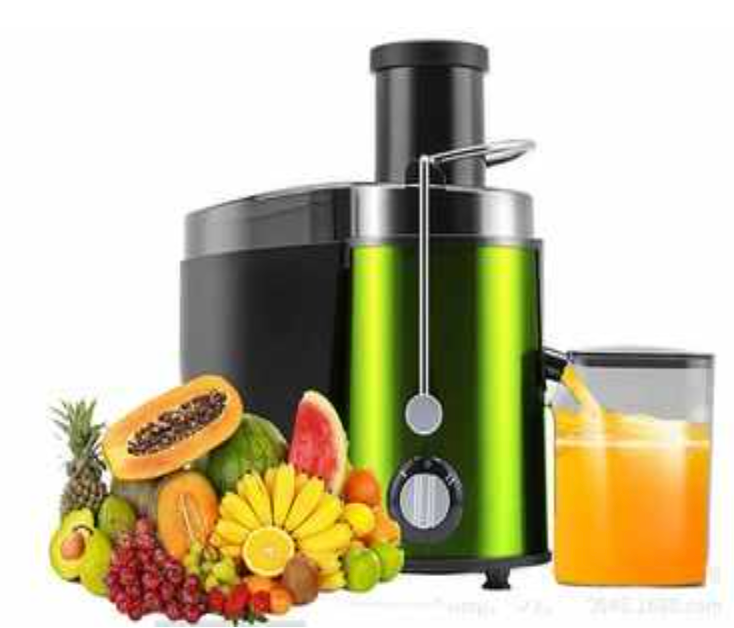
Centrifugal juicers use a fast spinning blade. This blade cuts fruits and vegetables quickly. Juice comes out fast, making these juicers good for busy people. They work well with hard fruits like apples and carrots. Centrifugal juicers are usually less expensive. They tend to make some foam and may lose some nutrients.
Masticating Juicers
Masticating juicers crush and press fruits slowly. This method keeps more vitamins and enzymes. They handle leafy greens and soft fruits well. These juicers make less foam and juice lasts longer. They take more time but give higher quality juice. Masticating juicers are quiet and easy to clean.
Triturating Juicers
Triturating juicers use twin gears to crush produce. This process extracts the maximum juice and nutrients. They work great with all types of fruits and vegetables. These juicers also make nut butters and sorbets. Triturating juicers are usually more expensive and take longer. The juice is very fresh and rich in flavor.
Extractor Varieties
Extractors come in different types, each with unique ways to get juice from fruits and vegetables. Choosing the right extractor depends on what you want from your juice. Some extractors work gently to keep nutrients intact. Others use strong pressure for high juice yield. Understanding these varieties helps you pick the best option for your needs.
Two common types stand out: cold press extractors and hydraulic press extractors. Both offer fresh juice but in different styles. Let’s explore how each one works.
Cold Press Extractors
Cold press extractors crush fruits and vegetables slowly. This method avoids heat, which can destroy vitamins. The slow process helps keep juice fresh and full of nutrients. These machines work quietly and produce less foam. They suit leafy greens and soft fruits well. Cold press extractors give smooth, rich juice with pulp control.
Hydraulic Press Extractors
Hydraulic press extractors use strong pressure to squeeze juice. They often involve two steps: crushing then pressing. This method extracts more juice than many other types. The juice is clear and has fewer solids. Hydraulic presses work best for hard fruits and vegetables. They are perfect for making large juice batches with high quality.
Juice Quality
Juice quality is important for taste and health benefits. Different machines affect juice in different ways. Juicers and extractors offer distinct results. Understanding these differences helps you choose the best option.
Nutrient Retention
Extractors work slowly, which reduces heat and air exposure. This helps keep more vitamins and enzymes in the juice. Juicers spin fast, creating heat that may lower nutrient levels. Extractors generally preserve nutrients better.
Juice Yield
Extractors squeeze more juice from fruits and vegetables. They leave drier pulp behind, meaning less waste. Juicers often produce less juice and wetter pulp. Extractors give you more juice for your ingredients.
Pulp Content
Juicers usually leave more pulp in the juice. This makes the juice thicker and more fibrous. Extractors remove most pulp, resulting in smoother juice. Your choice depends on how much pulp you like.

Credit: www.youtube.com
Speed And Efficiency
Speed and efficiency matter a lot when choosing between a juicer and an extractor. Both tools help make fresh juice, but they work in different ways. This affects how fast they juice and how much time you spend cleaning them. Understanding these differences helps you pick the best device for your needs.
Juicing Speed
Juicers work fast. They use high speed to shred fruits and vegetables quickly. This means you get juice in less time. Extractors operate slower. They crush and press produce gently. This process takes longer but keeps more nutrients. If you want juice fast, juicers are better. For richer juice, extractors are worth the wait.
Cleaning Time
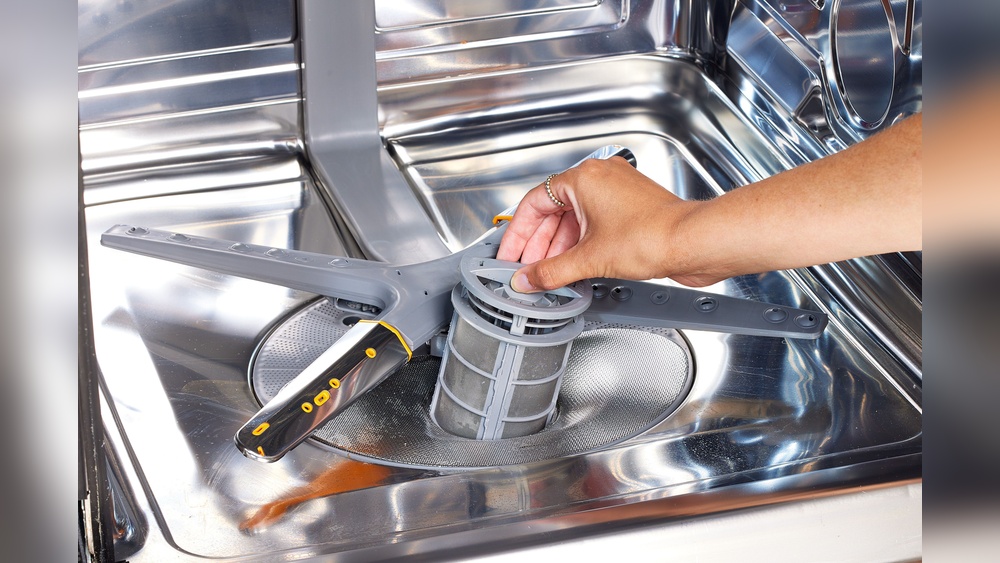
Cleaning juicers can take less time. Parts are usually fewer and easier to wash. Extractors have more pieces and small parts. This makes cleaning slower and more detailed. Some extractors come with special brushes to help. Choosing a device with simple cleaning steps saves time daily.
Noise Levels
Noise levels matter a lot when choosing between a juicer and an extractor. Loud machines can be annoying, especially in small kitchens or early mornings. Understanding which device makes less noise helps you pick the best option for your home.
Juicer Noise Levels
Juicers often run fast and use sharp blades to cut fruits and vegetables. This process creates a high-pitched sound that can be quite loud. The noise varies by model, but most juicers are noisy enough to disturb others nearby.
Extractor Noise Levels
Extractors work by slowly crushing and pressing ingredients. This gentle action produces much less noise. Extractors are usually quieter, making them ideal for calm environments or early use without waking others.
Comparing Noise Impact
Juicers tend to be louder because of their speed and blade action. Extractors run slower and create less noise. For quieter kitchen experiences, extractors are often the better choice.
Credit: fit-juice.com
Durability And Maintenance
Durability and maintenance are key factors when choosing between a juicer and an extractor. These aspects affect how long the appliance lasts and how easy it is to keep clean. A durable machine saves money and effort over time. Proper maintenance ensures consistent performance and hygiene.
Build Quality
Juicers often have sturdy parts made from metal and strong plastic. Extractors may use more delicate components due to slow processing. Solid construction means fewer breakdowns and longer use. Check if the motor and blades feel robust. Machines with simple designs usually last longer.
Ease Of Cleaning
Cleaning a juicer is usually faster. It has fewer parts and larger openings. Extractors have more parts and narrow areas. This makes cleaning more detailed and time-consuming. Some models come with dishwasher-safe parts. Regular cleaning prevents mold and keeps juice fresh. Choose a machine that fits your cleaning habits.
Cost Comparison
Choosing between a juicer and an extractor often depends on cost. Understanding the cost differences helps make a smart purchase. This section breaks down the costs into two parts: initial investment and long-term expenses.
Initial Investment
Juicers usually cost less upfront than extractors. Basic juicer models start at a lower price point. Extractors tend to be pricier because of their advanced technology. The price reflects the quality and features of the machine. Budget-friendly juicers suit casual users well. Extractors are an option for those wanting higher juice yield and nutrient retention.
Long-term Expenses
Maintenance costs vary between juicers and extractors. Juicers often have simpler parts and fewer replacements. Extractors may need more cleaning and occasional part changes. Electricity use can be higher for extractors due to longer operation times. Replacement parts for extractors sometimes cost more. Both machines require regular cleaning supplies, but costs remain low. Consider these factors for a complete cost picture.
Best Uses
Choosing between a juicer and an extractor depends on what you want to juice. Each machine works best with different types of ingredients. Knowing the best uses helps you pick the right tool for your needs. This way, you get the most juice and nutrients from your fruits, vegetables, leafy greens, nuts, and seeds.
Fruits
Juicers handle soft and hard fruits well. They quickly extract juice from apples, oranges, and berries. Extractors work slowly but give more juice from fruits like pomegranates and grapes. For sweet, fresh fruit juice, both machines do a good job. Juicers are faster, while extractors keep more flavor.
Vegetables
Vegetables like carrots and cucumbers juice well in both machines. Juicers remove juice quickly but may lose some nutrients. Extractors crush vegetables slowly, preserving vitamins and enzymes. If you want fresh vegetable juice with more nutrients, an extractor is better. Juicers suit those who want speed over nutrient preservation.
Leafy Greens
Leafy greens like spinach and kale are tough to juice. Extractors excel at squeezing juice from these greens. They break down the leaves well and produce more juice. Juicers often struggle and leave wet pulp behind. For green juice lovers, extractors provide a richer, smoother drink.
Nuts And Seeds
Extractors can handle nuts and seeds to make nut milk. They grind and press slowly to get creamy results. Juicers are not designed for nuts and often clog. For almond or cashew milk, extractors are the better choice. They make smooth, fresh nut milk at home easily.
Health Benefits
Choosing between a juicer and an extractor affects the health benefits of your drinks. Both tools create fresh juices, but their processes impact nutrients differently. Understanding these differences helps you pick the best option for your health goals.
Fresh juices provide vitamins, minerals, and antioxidants. These nutrients support your immune system, improve skin, and boost energy. The way juice is made can change how much nutrition you get.
Retention Of Nutrients
Juicers typically use high speed to separate juice from pulp quickly. This process can expose juice to heat and air, reducing some nutrients. Extractors work slower, pressing fruits and vegetables gently. This method keeps more vitamins and enzymes intact.
Fiber Content
Juicers usually remove most pulp and fiber from juice. Fiber helps digestion and controls blood sugar. Extractors keep more pulp, so the juice contains more fiber. This makes extractor juice closer to whole fruit benefits.
Oxidation And Shelf Life
Juicer juice may oxidize faster due to high-speed spinning. Oxidation lowers nutrient quality and changes flavor. Extractor juice oxidizes slower because of gentle pressing. It stays fresh longer with better taste and nutrients.
Energy And Enzyme Preservation
Low-speed extractors preserve natural enzymes that aid digestion. These enzymes can break down in fast juicing processes. Using an extractor can give your body more energy and help absorb nutrients better.

Credit: www.ciarraappliances.com
Choosing Tips
Choosing the right juicer or extractor can make your daily routine easier and healthier. Think about your needs before buying. This helps avoid regrets and waste of money.
Lifestyle Fit
Consider how often you will use the machine. Juicers work fast and are great for people in a hurry. Extractors take longer but get more juice from fruits and vegetables. If you like fresh juice every day, a juicer might suit you better. For those who want richer juice and have more time, an extractor is a good choice.
Budget Considerations
Juicers usually cost less than extractors. They have fewer parts and simpler designs. Extractors can be expensive but last longer with proper care. Think about how much you want to spend now and later. A cheap machine might break quickly. A pricier one can save money by working well for years.
Space And Storage
Check your kitchen space before buying. Juicers tend to be smaller and easier to store. Extractors are bulkier and need more room. If you have limited space, a juicer fits better on the counter. For bigger kitchens, an extractor can stay out without crowding the area.
Frequently Asked Questions
What Is The Difference Between A Juicer And An Extractor?
A juicer quickly separates juice from fruits or vegetables. An extractor slowly crushes produce to extract juice, preserving nutrients. Extractors usually yield more juice with less foam. Juicers work faster but may lose some nutrients due to heat. Both serve different juicing needs effectively.
Which Is Healthier: Juicer Or Extractor Juice?
Extractor juice retains more vitamins and enzymes due to slow pressing. Juicer juice may oxidize faster, reducing some nutrients. Extractors produce less foam and pulp, leading to smoother, nutrient-rich juice. For maximum health benefits, extractors are generally preferred over traditional juicers.
Are Juicers Or Extractors Easier To Clean?
Juicers usually have fewer parts and are quicker to clean. Extractors have multiple components, making cleaning more time-consuming. However, some modern extractors offer dishwasher-safe parts. Consider cleaning time when choosing between convenience and juice quality.
Can Both Juicers And Extractors Handle Leafy Greens?
Extractors handle leafy greens better by slowly pressing them to release juice. Juicers may struggle with leafy greens and produce less juice. For green smoothies or leafy vegetable juices, extractors are more efficient and yield better results.
Conclusion
Choosing between a juicer and an extractor depends on your needs. Juicers work fast and keep pulp out of juice. Extractors take longer but keep more nutrients inside. Both help you enjoy fresh fruit and vegetable drinks. Think about what matters most: speed or nutrition.
Either way, you get a healthy, tasty drink at home. Try both if possible, and see which fits your lifestyle best. Simple, fresh juice can boost your daily health. Enjoy the process and the benefits it brings!