Last Updated on December 31, 2025
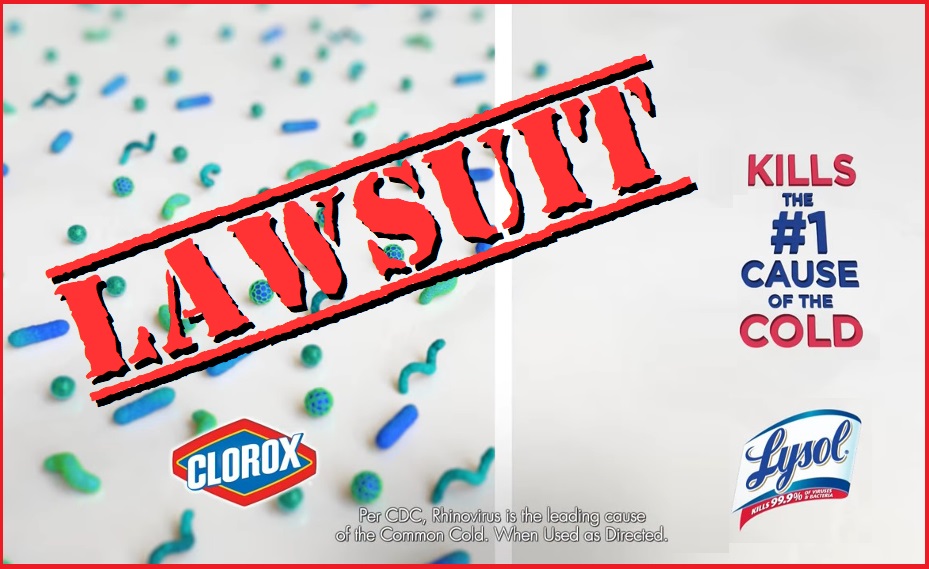
When it comes to keeping your home clean and germ-free, you might find yourself stuck choosing between Lysol and Clorox. Both brands promise powerful disinfecting, but which one really works best for your needs?
You want to protect your family, save time, and get the most value for your money. This guide will help you cut through the confusion and make a smart choice. Keep reading to discover the key differences, benefits, and which product fits your lifestyle perfectly.
Your clean home starts here.
Credit: couponsinthenews.com
Product Lineup
Both Lysol and Clorox offer a wide range of cleaning products. Each brand has unique items for disinfection and everyday cleaning. Their product lineups include sprays, wipes, and more. Understanding their key products helps in choosing the right cleaner for your needs.
Lysol Key Products
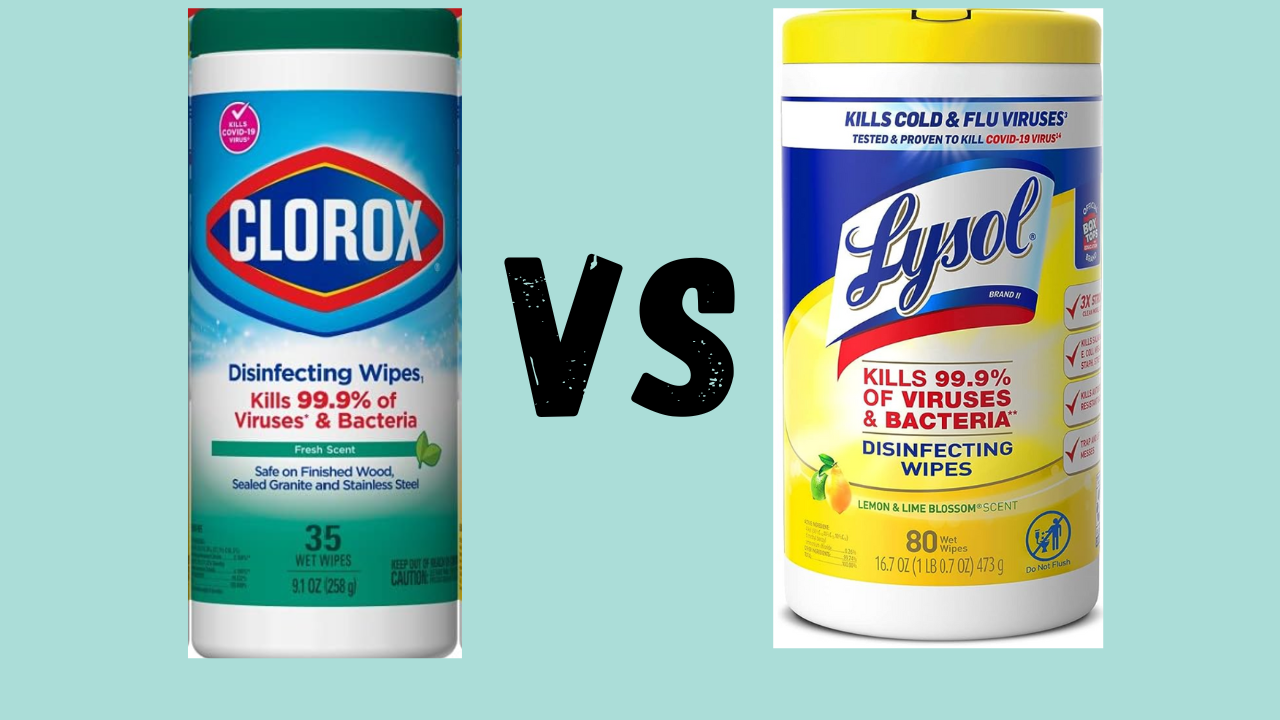
Lysol is known for its disinfectant sprays. These sprays kill 99.9% of germs on hard surfaces. Lysol also offers disinfecting wipes. These wipes are convenient for quick cleaning tasks. The brand has multi-purpose cleaners for floors and bathrooms. Lysol’s toilet bowl cleaners remove stains and odors. Air sanitizers are available to freshen indoor spaces. Their product line often focuses on germ protection and freshness.
Clorox Key Products
Clorox is famous for its bleach products. Clorox bleach whitens and disinfects laundry and surfaces. The brand’s disinfecting wipes remove dirt and germs fast. Clorox also has sprays for hard surface cleaning. Their toilet bowl cleaners fight tough stains and bacteria. Clorox offers specialty products like mold and mildew removers. The product lineup emphasizes strong cleaning power and germ killing.
Active Ingredients
Active ingredients define how well a disinfectant kills germs. They are the main chemicals that fight bacteria, viruses, and fungi. Understanding these ingredients helps you choose the best product for cleaning and safety. Below, we explore the active ingredients in Lysol and Clorox.
Lysol’s Chemical Composition
Lysol mainly uses benzalkonium chloride as its active ingredient. This chemical is a type of disinfectant called a quaternary ammonium compound. It kills germs by breaking down their cell walls. Some Lysol products also contain ethanol or hydrogen peroxide. These ingredients help kill a wide range of bacteria and viruses.
Clorox’s Chemical Composition
Clorox primarily uses sodium hypochlorite in its bleach products. Sodium hypochlorite is a strong oxidizer that destroys germs quickly. It is very effective against bacteria, viruses, and mold. Some Clorox cleaners also contain hydrogen peroxide or other agents. These help boost cleaning power and remove tough stains.
Cleaning Effectiveness
Cleaning effectiveness is crucial when choosing between Lysol and Clorox. Both brands offer strong products to keep homes and workplaces safe and clean. Understanding how they perform in different cleaning tasks helps pick the right option.
Surface Disinfection
Lysol kills 99.9% of bacteria and viruses on many surfaces. It works fast and leaves surfaces hygienic. Clorox also kills germs quickly and is trusted in hospitals. Both products cover a wide range of germs, including flu and cold viruses.
Stain Removal
Clorox often performs better on tough stains like wine, coffee, and grease. Its bleach formulas remove deep stains effectively. Lysol removes light stains but is not as strong for heavy stains. For stubborn marks, Clorox is the preferred choice.
Odor Elimination
Lysol has special scents that mask bad odors well. It leaves a fresh, clean smell after use. Clorox also fights odors but can leave a bleach scent. Both reduce unpleasant smells, but Lysol’s fragrance is milder and more pleasant.
Credit: www.amazon.com
Safety And Usage
Safety and proper use are very important when choosing between Lysol and Clorox. Both products kill germs and keep your home clean. Using them correctly protects your health and your family’s health. Understanding their safety levels and how to apply them helps avoid accidents. It also reduces harm to the environment.
Toxicity Levels
Lysol and Clorox contain chemicals that can be harmful if misused. Lysol uses ingredients like ethanol and benzalkonium chloride. Clorox mainly contains sodium hypochlorite, a strong bleach. Both can irritate skin and eyes. Inhaling fumes may cause breathing problems. Keep both products out of reach of children and pets. Always read the label for warnings and first aid instructions.
Proper Application Tips
Use Lysol and Clorox in well-ventilated areas. Spray from a distance to avoid direct contact. Do not mix these cleaners with other chemicals. Mixing can create toxic gases. Wear gloves to protect your skin. Follow the recommended wait time before wiping surfaces. This ensures proper germ killing. Store products in a cool, dry place. Close the container tightly after use to keep chemicals fresh.
Environmental Impact
Both Lysol and Clorox affect the environment if not used carefully. Chemicals can enter water systems and harm aquatic life. Avoid using too much product to reduce waste. Dispose of empty containers according to local rules. Some Lysol products have biodegradable formulas that are less harmful. Clorox offers eco-friendly options with fewer harsh chemicals. Choosing these helps protect nature while keeping your home clean.
Pricing And Availability
Pricing and availability are key factors when choosing between Lysol and Clorox. Both brands offer effective cleaning products. Understanding their cost and where to buy helps you decide.
Cost Comparison
Lysol products usually cost slightly less than Clorox. For example, a standard Lysol disinfectant spray might be cheaper by a dollar or two. Clorox products often have a higher price due to their strong brand reputation. Both brands offer value packs that reduce cost per use. Prices vary based on product type and store promotions.
Retail Presence
Lysol and Clorox are widely available in most stores. You can find them in supermarkets, drugstores, and online shops. Both brands stock many product types like sprays, wipes, and cleaners. Some local stores may carry only one brand, depending on demand. Online shopping sites often have better stock and occasional discounts.
User Experience
User experience plays a big role in choosing between Lysol and Clorox. It includes how easy the products are to use, their smell, and how they leave surfaces. People want a product that cleans well without causing discomfort or leaving unwanted marks.
Customer Reviews
Many users say Lysol kills germs effectively and dries quickly. Some find it less harsh on the skin than other cleaners. Clorox users often mention strong cleaning power on tough stains. A few note it can be a bit rough on hands or surfaces. Both brands have loyal fans who trust their cleaning abilities.
Scent And Residue
Lysol usually has a fresh, clean scent that many find pleasant. It rarely leaves sticky or oily residue on surfaces. Clorox has a sharper smell, which some users find strong or chemical-like. It may leave a slight residue if not wiped properly. Both products need good ventilation during use to avoid discomfort.
Best Use Cases
Choosing between Lysol and Clorox depends on where and how you want to clean. Both products serve different cleaning needs. Understanding their best use cases helps you pick the right one for your task.
Home Cleaning
Lysol works well for daily home cleaning. It kills germs on kitchen counters, bathroom sinks, and doorknobs. Its spray form makes it easy to apply quickly. Lysol also leaves a fresh scent behind. It is gentle enough for regular use around children and pets. Use it to keep your living spaces safe and clean.
Commercial Use
Clorox is strong and suited for commercial spaces. It disinfects large areas like offices, schools, and hospitals effectively. Clorox bleach can remove tough stains and sanitize surfaces deeply. It is ideal for environments requiring strict hygiene. Use Clorox to maintain clean, germ-free public or work areas.

Credit: prudentreviews.com
Frequently Asked Questions
Which Disinfectant Kills Germs Faster, Lysol Or Clorox?
Both Lysol and Clorox kill germs effectively, but Clorox often acts faster. Clorox disinfecting wipes can kill many bacteria in 30 seconds. Lysol sprays typically need up to 10 minutes to fully disinfect. Speed depends on the product and surface type.
Is Lysol Or Clorox Better For Household Cleaning?
Both are excellent for household cleaning, but Clorox is stronger on tough stains. Lysol offers more options for fabric and air disinfection. Choose based on your cleaning needs—Clorox for deep disinfecting, Lysol for versatile everyday use.
Are Lysol And Clorox Safe For Children And Pets?
Both brands offer products safe for homes with children and pets when used as directed. Avoid direct contact with skin and eyes. Always ventilate the area after use and store products out of reach for safety.
Can Lysol And Clorox Remove Mold Effectively?
Clorox bleach-based products are highly effective at killing mold and mildew. Lysol kills some mold spores but is less powerful on heavy mold. For extensive mold removal, Clorox is usually the preferred choice.
Conclusion
Both Lysol and Clorox clean and kill germs well. Each has strong points for home use. Lysol works great on many surfaces. Clorox is known for its bleach power. Choose based on your cleaning needs and preferences. Always follow safety instructions on the label.
Clean spaces help keep you and family healthy. Simple steps can make a big difference. Stay safe and keep your home fresh.