Last Updated on February 26, 2026
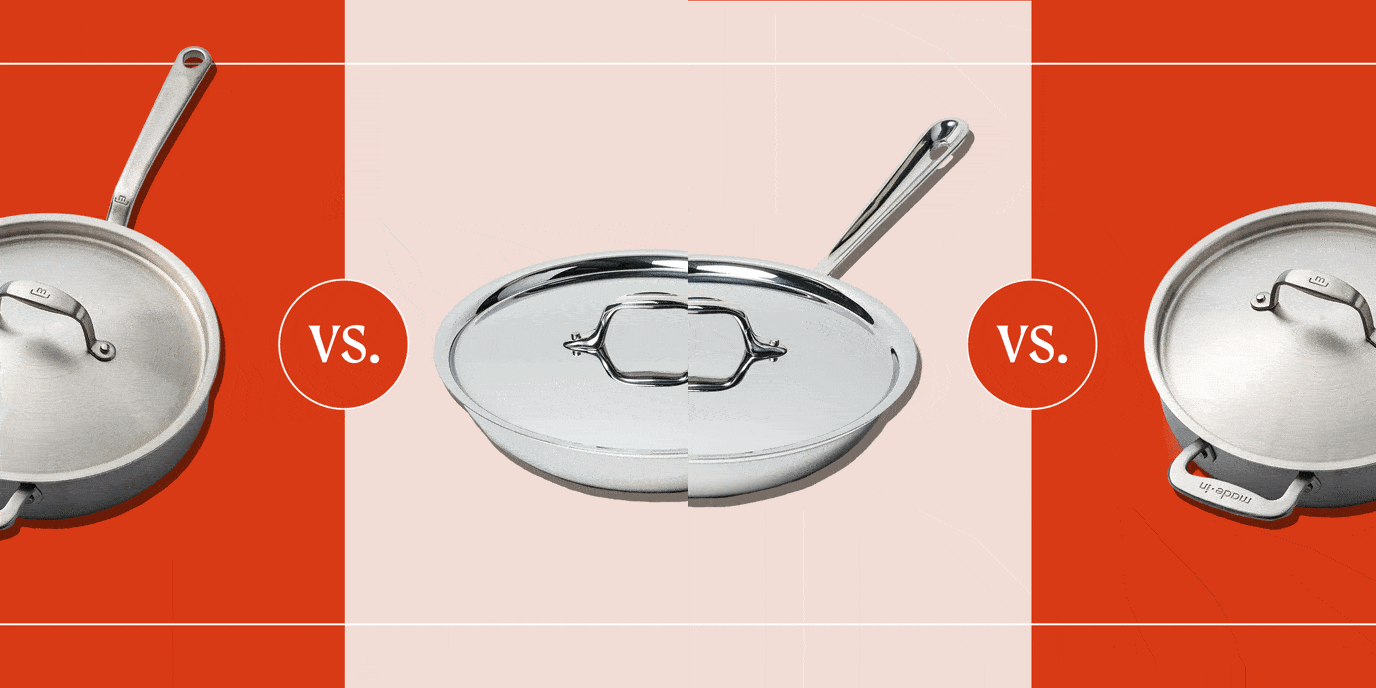
A sauté pan has straight sides, while a frying pan has sloped sides. This distinction affects cooking techniques and uses.
Choosing between a sauté pan and a frying pan can impact your cooking results. Both pans serve different purposes in the kitchen. A sauté pan, with its straight sides, is ideal for cooking with liquids and larger quantities of food.
It allows for easy stirring and flipping. On the other hand, a frying pan’s sloped sides make it perfect for quick, high-heat cooking and easy flipping of foods like pancakes or omelets. Understanding these differences helps you select the right pan for your culinary needs, enhancing your cooking efficiency and results.
Credit: www.americastestkitchen.com
Design Differences
Understanding the design differences between a sauté pan and a frying pan can help you choose the right tool for your cooking needs. Let’s delve into the key design aspects that set them apart.
Shape And Structure
A sauté pan has straight, tall sides. This design helps keep ingredients from spilling. The high sides also allow for more liquid, making it perfect for simmering. A sauté pan often comes with a lid.
In contrast, a frying pan features sloped, shallow sides. This design is ideal for flipping and tossing food. The wider opening allows for faster evaporation, making it great for browning and searing.
| Feature | Sauté Pan | Frying Pan |
|---|---|---|
| Sides | Straight and tall | Sloped and shallow |
| Best For | Simmering, braising | Searing, browning |
| Lid | Often included | Rarely included |
Handle Design
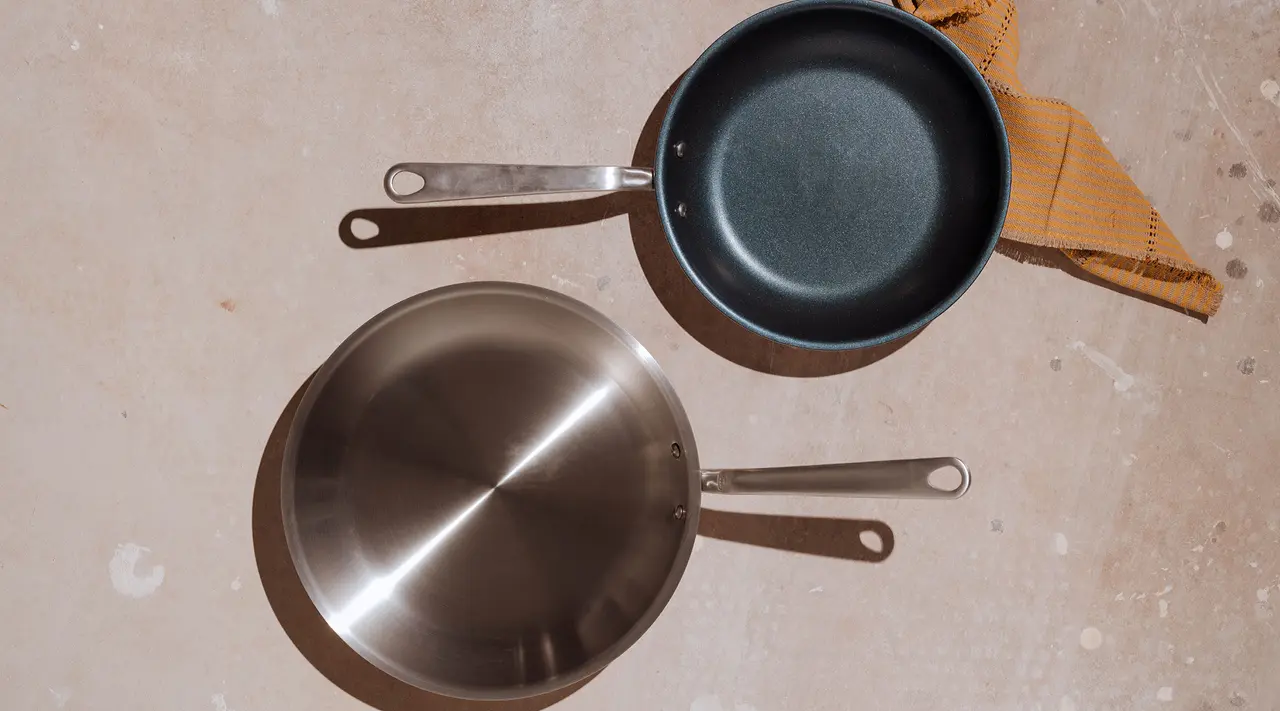
The handle of a sauté pan is often longer and sturdier. It sometimes has a helper handle on the opposite side. This makes it easier to lift, especially when the pan is full.
A frying pan usually has a single, long handle. This design provides better control for flipping and tossing. The handle is often lighter, making the pan easier to maneuver.
- Sauté Pan Handle: Long, sturdy, often with helper handle
- Frying Pan Handle: Single, long, lighter
Credit: madeincookware.com
Material Choices
Choosing the right pan material is crucial for effective cooking. The material affects heat distribution, cooking speed, and food quality. Understanding material choices can elevate your kitchen experience.
Common Materials
Both sauté pans and frying pans come in various materials. Here are the common ones:
| Material | Characteristics |
|---|---|
| Stainless Steel | Durable, non-reactive, and easy to clean |
| Cast Iron | Excellent heat retention, heavy, and requires seasoning |
| Non-Stick | Easy food release, easy to clean, but less durable |
| Copper | Great heat conduction, reactive, and needs maintenance |
Impact On Cooking
The material of the pan has a direct impact on your cooking results. Here’s how:
- Stainless Steel: Ideal for browning and deglazing.
- Cast Iron: Best for slow cooking and high heat searing.
- Non-Stick: Perfect for delicate foods and easy cleanup.
- Copper: Provides precise temperature control, ideal for sauces.
Each material offers unique benefits. Choose based on your cooking needs. Whether you are sautéing vegetables or frying eggs, the right pan material can make a big difference. Make an informed choice and enjoy better cooking results.
Cooking Techniques
Cooking techniques can vary widely depending on the type of pan you use. Both sauté pans and frying pans have their unique features and best uses. Knowing how to use each pan can elevate your cooking skills.
Best Uses For Saute Pans
A sauté pan has straight sides and a larger surface area. This makes it great for cooking foods that need more room.
- Searing – Sauté pans are perfect for searing meats.
- Deglazing – The high sides allow for easy deglazing.
- Simmering – Great for simmering sauces and stews.
- Tossing – Toss vegetables or pasta with ease.
The straight sides also help keep liquids contained, making it ideal for recipes with sauces.
Best Uses For Frying Pans
A frying pan has sloped sides and a shallower base. This design is best for quick, high-heat cooking.
- Frying – Ideal for frying eggs and pancakes.
- Sautéing – Perfect for sautéing vegetables quickly.
- Browning – Great for browning meats and vegetables.
- Flipping – The sloped sides make flipping food easy.
The shallow base allows for fast evaporation, making it perfect for crispy textures.
Heat Distribution
Understanding heat distribution is crucial when choosing between a sauté pan and a frying pan. Both pans serve different cooking needs, and their heat distribution can impact your cooking results. Let’s examine how each pan performs in this regard.
Saute Pan Performance
A saute pan features high, straight sides and a flat bottom. These design elements ensure even heat distribution across the cooking surface. The high sides help retain heat, making it perfect for cooking dishes that require simmering or braising.
Saute pans usually have a thicker base, which distributes heat more evenly. This helps prevent hot spots and ensures your food cooks uniformly. The wide, flat surface allows more food to come into contact with the heat source, enhancing cooking efficiency.
Most saute pans are made from materials like stainless steel or aluminum. These materials are excellent for even heat distribution. Some also feature non-stick coatings, which can affect heat distribution slightly but improve ease of use.
Frying Pan Performance
A frying pan, also known as a skillet, has sloped sides and a flat bottom. This design helps with quick and even heat distribution. The sloped sides allow for easier tossing and flipping of food.
Frying pans are generally thinner than saute pans. This thinner design heats up quickly but may lead to hot spots if not well-made. High-quality frying pans often feature a thick base to improve heat distribution.
Materials like cast iron, stainless steel, and aluminum are common in frying pans. Cast iron is known for its excellent heat retention and distribution. Stainless steel and aluminum also provide good heat distribution but may not retain heat as well as cast iron.
Many frying pans come with non-stick coatings. These coatings can affect heat distribution but offer the advantage of easy food release and cleaning.
| Feature | Saute Pan | Frying Pan |
|---|---|---|
| Design | High, straight sides | Sloped sides |
| Heat Distribution | Even, with fewer hot spots | Quick, may have hot spots |
| Materials | Stainless steel, aluminum | Cast iron, stainless steel, aluminum |
| Uses | Simmering, braising, sautéing | Frying, searing, tossing |
Versatility
Understanding the versatility of kitchen tools can transform your cooking. This section compares the versatility of a sauté pan and a frying pan. Knowing their multi-purpose uses and specialized cooking benefits helps make an informed choice.
Multi-purpose Use
Both the sauté pan and frying pan serve many purposes. They handle different cooking tasks well, but have their own strengths.
- Sauté Pan:
- Ideal for sautéing vegetables
- Great for making sauces
- Perfect for browning meat
- Suitable for simmering and braising
- Frying Pan:
- Perfect for frying eggs
- Great for searing steaks
- Ideal for making pancakes
- Suitable for shallow frying
Specialized Cooking
Each pan excels in certain cooking methods. Understanding these helps you choose the best tool.
| Cooking Method | Sauté Pan | Frying Pan |
|---|---|---|
| Sautéing | High walls keep food contained | Less ideal due to shallow sides |
| Frying | Good for small batches | Best for even frying |
| Braising | Excellent with high sides and lid | Not suitable |
| Searing | Effective but small surface area | Great with wide surface |

Credit: sitramusa.com
Ease Of Maintenance
When choosing between a sauté pan and a frying pan, ease of maintenance is crucial. Both pans have unique features that impact their cleaning and longevity. Let’s explore their differences.
Cleaning Tips
Maintaining a clean sauté pan is easy. The tall sides help prevent spills, making it less messy. Use warm soapy water and a soft sponge. Avoid abrasive cleaners to keep the surface smooth.
For a frying pan, cleaning can be a bit trickier. The low sides can cause more splatter, leading to more mess. Use warm soapy water and a non-scratch scrubber. A bit of vinegar can help with stubborn stains.
| Pan Type | Cleaning Method |
|---|---|
| Sauté Pan | Warm soapy water, soft sponge |
| Frying Pan | Warm soapy water, non-scratch scrubber |
Longevity
The longevity of a sauté pan depends on its material. Stainless steel and cast iron last long. Regular seasoning extends the life of cast iron. Avoid metal utensils to prevent scratches.
A frying pan also varies by material. Non-stick pans require careful handling. Use wooden or silicone utensils to avoid damage. Stainless steel frying pans are more durable but need proper care.
Both pans can last years with proper care. Here are some tips for extending their life:
- Avoid sudden temperature changes.
- Don’t use metal utensils.
- Regularly season cast iron pans.
- Store pans properly to prevent scratches.
Choosing The Right Pan
Selecting the correct pan can greatly impact your cooking. The right pan ensures your dishes cook evenly. It also makes your cooking experience more enjoyable. Understanding the differences between a sauté pan and a frying pan is crucial.
Cooking Needs
Consider your cooking needs first. A sauté pan has tall, straight sides. It is perfect for recipes requiring liquids. You can cook sauces or stir-fry vegetables in it. A frying pan, or skillet, has sloped sides. It is ideal for searing meat or frying eggs.
Think about the types of meals you cook. If you make a lot of stews or sauces, a sauté pan is best. If you often fry, a frying pan is better. Both pans can handle different tasks but excel in specific areas.
Budget Considerations
Your budget matters when choosing a pan. High-quality pans can be expensive. But they last longer and cook better. Compare costs between sauté pans and frying pans. Sauté pans might cost more due to their size and shape. Frying pans are generally cheaper but still effective.
Look for sales and discounts. Many stores offer deals on cookware. Investing in a good pan can save money in the long run. Cheap pans wear out quickly and need replacements.
| Feature | Sauté Pan | Frying Pan |
|---|---|---|
| Side Shape | Straight | Sloped |
| Best For | Liquids, Sauces | Frying, Searing |
| Price Range | Higher | Lower |
Assess your cooking needs and budget. This helps you make the best choice. Whether you choose a sauté pan or a frying pan, make sure it fits your cooking style.
Frequently Asked Questions
What Is The Difference Between A Saute Pan And A Frying Pan?
A saute pan has straight sides, while a frying pan has sloped sides. The straight sides of a saute pan allow for more liquid to be held, making it ideal for simmering and braising. Frying pans are better for quick cooking methods like frying and searing.
Can I Use A Frying Pan Instead Of A Saute Pan?
Yes, you can, but they serve different purposes. A frying pan is better for high-heat cooking like frying and searing. A saute pan is better for tasks that require more liquid, like simmering and braising.
Which Is Better For Cooking Vegetables?
A saute pan is generally better for cooking vegetables. Its straight sides make it easier to toss vegetables and cook them evenly. The design also allows for adding liquids like broth or sauce without spilling.
What Size Saute Pan Should I Buy?
The ideal size for a saute pan is between 3 to 5 quarts. This size is versatile for most cooking tasks, from sautéing vegetables to braising meats. It provides enough space for even cooking without overcrowding.
Conclusion
Choosing between a sauté pan and a frying pan depends on your cooking needs. Sauté pans offer depth for liquids. Frying pans excel at quick, high-heat cooking. Both are kitchen essentials. Understanding their differences helps you make informed decisions. Equip your kitchen with both for versatile cooking.