Last Updated on December 10, 2025
Are you tired of freezer burn ruining your meals? Imagine keeping your food fresh and tasty for months without wasting a single bite.
Vacuum sealing food for freezing is the secret that can save your time, money, and effort. By removing air and locking in flavor, you can enjoy your favorite dishes as if they were just cooked. You’ll discover simple tips and tricks to master vacuum sealing, so your food stays fresher, longer.
Ready to transform the way you freeze your food? Keep reading to find out how easy it can be.

Credit: www.amazon.com
Benefits Of Vacuum Sealing
Vacuum sealing food before freezing offers many benefits. It helps keep food fresh longer and reduces waste. This method removes air, which causes food to spoil faster. Vacuum sealing also locks in natural flavors and nutrients. It is a simple way to improve food storage at home.
Extending Food Shelf Life
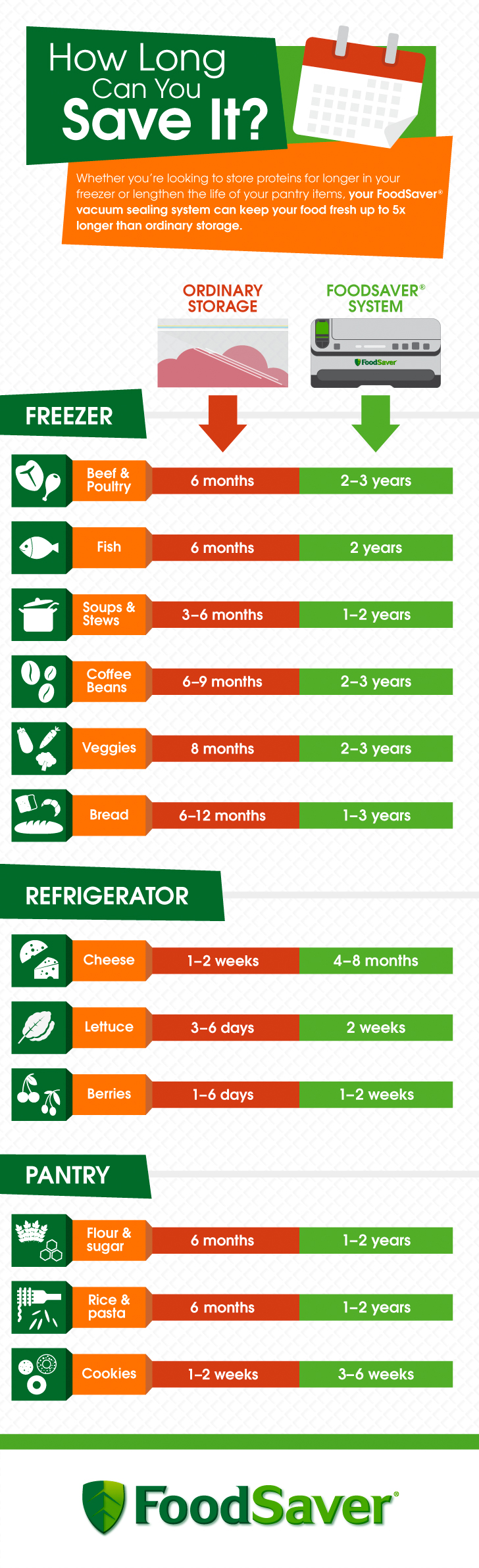
Vacuum sealing removes air from packaging. Without air, bacteria and mold cannot grow quickly. This slows down spoilage and keeps food safe longer. Frozen vacuum-sealed food can last two to three times longer than food stored normally. It helps save money by reducing food waste.
Preventing Freezer Burn
Freezer burn happens when food is exposed to air. It causes dry spots and tough texture. Vacuum sealing creates an airtight barrier around food. This stops ice crystals from forming on the surface. Food stays moist and fresh, not dry or tough.
Maintaining Food Flavor And Texture
Vacuum sealing locks in the food’s natural juices and aroma. This keeps the original flavor intact. It also prevents freezer odors from mixing with food. The texture stays firm and fresh, not mushy or freezer-burned. Meals taste better after thawing and cooking.
Choosing The Right Vacuum Sealer
Choosing the right vacuum sealer is important for freezing food effectively. It helps keep food fresh longer and prevents freezer burn. Picking a good model saves money and reduces food waste. Consider your needs before buying. Think about the types, features, and your budget. This guide will help you make a smart choice.
Types Of Vacuum Sealers
There are mainly two types of vacuum sealers. The first is the external vacuum sealer. It works by removing air from special bags placed outside the machine. This type is easy to use and suits most home kitchens.
The second type is the chamber vacuum sealer. It removes air from inside the machine and seals the bag. This type works best for liquids and large quantities of food. It is often used in professional kitchens.
Key Features To Consider
Look for a vacuum sealer with strong suction power. Good suction removes air completely. Check if the machine can seal different bag sizes. A reliable seal prevents air leaks and keeps food fresh.
Easy operation is important. Simple buttons and clear instructions help avoid mistakes. Some models offer automatic sealing. Others let you control sealing time for delicate foods.
Consider a machine with a built-in cutter. It saves time by cutting bags to the right size. Also, check if the sealer has a bag storage compartment. It keeps bags organized and ready to use.
Budget-friendly Options
Affordable vacuum sealers can still offer good performance. Basic models focus on essential features and are easy to use. They work well for occasional use and small households.
Look for sales or discounts online. Some brands offer budget kits that include bags and accessories. This helps save money and get started quickly.
Remember, a mid-range sealer may last longer and work better. Weigh cost against features and durability. Choose a model that fits your needs and budget without overspending.
Best Foods For Vacuum Sealing
Vacuum sealing food for freezing keeps it fresh longer. It stops air and moisture from spoiling your food. Some foods work better than others with vacuum sealing. Choosing the right foods helps keep taste and texture intact. Here are the best foods for vacuum sealing.
Meats And Seafood
Vacuum sealing is perfect for meats and seafood. It prevents freezer burn and locks in flavor. Beef, chicken, pork, and fish stay fresh for months. Seal raw or cooked meat to save time later. Portion meat before sealing for easy use.
Fruits And Vegetables
Many fruits and vegetables freeze well with vacuum sealing. Berries, cherries, and sliced apples keep their taste. Blanch vegetables like green beans and carrots first. This stops enzymes from breaking down texture. Seal in small bags for quick thawing.
Cheese And Dairy Products
Cheese lasts longer when vacuum sealed for freezing. Hard cheeses like cheddar and parmesan freeze best. Soft cheeses may change texture but still freeze well. Vacuum sealing keeps mold and odors away. Freeze butter and cream too for longer storage.
Preparation Before Sealing
Proper preparation before vacuum sealing food for freezing helps keep food fresh longer. It also prevents freezer burn and preserves flavor. Taking a few simple steps makes a big difference in food quality.
Proper Portioning
Divide food into meal-sized portions before sealing. Smaller portions freeze faster and thaw evenly. Use containers or bags that fit your portions well. Avoid overfilling to allow a good seal.
Blanching Vegetables
Blanch vegetables by boiling them briefly, then cooling in ice water. This stops enzyme actions that cause loss of color and texture. It also kills bacteria, helping vegetables last longer in the freezer.
Drying And Cooling Foods
Dry food completely before sealing to avoid ice crystals. Excess moisture can cause freezer burn and spoil taste. Let cooked foods cool to room temperature to keep vacuum bags strong and sealed tight.
Vacuum Sealing Techniques
Vacuum sealing food properly helps keep it fresh and tasty in the freezer. Using the right techniques prevents freezer burn and extends shelf life. Small steps in sealing can make a big difference in food quality.
Using Bags Vs. Containers
Bags are flexible and fit many shapes. They save space and seal tightly. Containers are good for fragile or liquid foods. They protect food from being crushed. Choose bags for meats and veggies. Use containers for soups and sauces.
Sealing Liquids And Sauces
Freeze liquids before sealing to stop spills. Use a container or freeze sauce in ice cube trays first. Then, vacuum seal the frozen cubes in bags. This method keeps the seal dry and strong. It also makes portioning easy.
Double Sealing For Extra Protection
Double sealing adds an extra air barrier. Seal the bag once, then seal again about an inch above. This method helps keep air out longer. It is useful for long-term storage. Double sealing reduces the chance of leaks or freezer burn.
Freezing Tips After Sealing
After vacuum sealing food for freezing, proper handling keeps food fresh and tasty. Follow these tips to organize and store your packages effectively. Correct freezing methods help maintain food quality and prevent waste.
Labeling And Dating Packages
Label every vacuum-sealed package clearly. Write the name of the food and the date it was sealed. Use a permanent marker on the bag or attach a sticker. This helps track how long the food stays in the freezer. It prevents confusion and avoids eating spoiled food.
Optimal Freezer Organization
Arrange sealed packages neatly in the freezer. Place frequently used items near the front for easy access. Group similar foods together to save time. Keep packages flat to save space and freeze faster. Proper organization reduces freezer burn and keeps food fresh.
Thawing Vacuum-sealed Foods
Thaw vacuum-sealed food safely for best results. Move packages to the fridge and let them thaw slowly. This keeps food at a safe temperature. For faster thawing, submerge sealed packages in cold water. Avoid using hot water or leaving food out at room temperature.
Common Mistakes To Avoid
Vacuum sealing food for freezing is a great way to keep food fresh longer. Many people make simple mistakes that reduce the benefits of vacuum sealing. Avoiding these errors helps protect your food and saves money.
Sealing Warm Or Moist Foods
Sealing food that is warm or wet can cause problems. Moisture can block the vacuum seal. Warm food creates steam inside the bag. This stops a tight seal and may cause freezer burn.
Always cool food before sealing. Pat dry any wet surfaces. This ensures a strong vacuum seal and keeps food fresh.
Overfilling Bags
Putting too much food in one bag is a common mistake. Overfilled bags do not seal well. The vacuum may not remove all the air. This leads to freezer burn and spoilage.
Leave space at the top of the bag. This allows the vacuum machine to work properly. Smaller portions freeze faster and thaw evenly.
Ignoring Package Damage
Small holes or tears in bags cause air leaks. Air leaks ruin the vacuum seal. This lets moisture and freezer burn inside the bag.
Check bags before sealing. Use thick, strong vacuum bags. Replace any damaged bags to keep food safe and fresh.
:max_bytes(150000):strip_icc()/Best-Vacuum-Sealers-FW-Social-dab1189b900f424dbd8dcbe2f62e05a7.jpg)
Credit: www.foodandwine.com
Cleaning And Maintenance
Keeping your vacuum sealer clean and well-maintained helps it work better and last longer. Dirt and food residue can cause problems with sealing and suction. Regular care stops these issues before they start. This section explains easy steps for cleaning and maintaining your vacuum sealer. Follow these tips to keep your device in top shape.
Cleaning Vacuum Sealer Components
Unplug the vacuum sealer before cleaning. Use a damp cloth to wipe the outside surface. Remove the drip tray and wash it with warm, soapy water. Dry it completely before putting it back. Clean the sealing area gently to avoid damage. Avoid using harsh chemicals or soaking the machine. Make sure no moisture stays inside the machine.
Replacing Sealing Strips
Check sealing strips regularly for cracks or wear. Worn strips cause poor seals and air leaks. Remove old strips carefully according to the manual. Purchase replacement strips made for your sealer model. Install new strips firmly to ensure a tight seal. Test the sealer after replacing strips to confirm it works well.
Storage Tips For Longevity
Store your vacuum sealer in a dry, cool place. Avoid areas with high humidity or direct sunlight. Keep the power cord loosely coiled to prevent damage. Store the device with the lid slightly open to protect sealing strips. Regularly inspect your sealer before use to catch issues early. Proper storage helps your vacuum sealer last for years.
Credit: www.foodsaver.com
Frequently Asked Questions
What Are The Benefits Of Vacuum Sealing Food For Freezing?
Vacuum sealing removes air, preventing freezer burn and preserving food quality. It extends shelf life and maintains flavor and nutrients longer.
How Long Can Vacuum-sealed Food Stay Frozen?
Vacuum-sealed food can last 2 to 3 times longer than non-sealed frozen food. Typically, it stays fresh for 1 to 3 years depending on the food type.
Can Vacuum Sealing Prevent Freezer Burn Completely?
Vacuum sealing greatly reduces freezer burn by eliminating air exposure. However, if the seal is broken or bags punctured, freezer burn can still occur.
What Foods Are Best For Vacuum Sealing Before Freezing?
Meats, vegetables, fruits, and leftovers freeze best with vacuum sealing. Avoid soft cheeses and raw mushrooms, as their texture may degrade during freezing.
Conclusion
Vacuum sealing food helps keep it fresh longer in the freezer. It prevents freezer burn and saves space. You can freeze fruits, vegetables, meat, and leftovers easily. This method also reduces food waste and saves money. Using simple vacuum sealing steps protects your food quality.
Try it for your next meal prep or shopping trip. You will notice the difference in taste and texture. Healthy eating becomes easier with well-preserved frozen food. Give vacuum sealing a chance to improve your kitchen routine.