
Last Updated on November 15, 2026
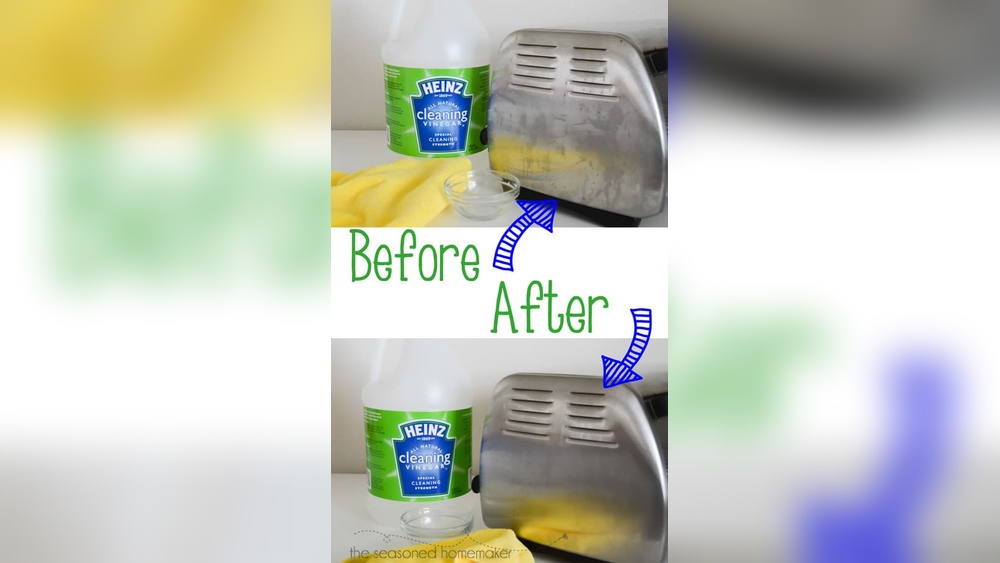
The 30-Second Answer: yes, using white vinegar on stainless steel is safe on most surfaces when you use it briefly. Mix it 1:1 with water, spray, wipe with the grain using a microfiber cloth, then rinse and dry. It’s great for water spots, hard-water film and fingerprints. Don’t leave it sitting for long, don’t use it on black stainless or pitted steel, and never mix it with bleach.
- Good for: water spots, hard-water film, fingerprints, dull sinks.
- Mix: 1 part white vinegar to 1 part water.
- Always: wipe with the grain, rinse, then dry.
- Skip it on: black stainless, coated finishes and pitted or damaged steel.
- Never: mix vinegar with bleach.
A few drops of mineral or olive oil on a dry cloth afterward gives a streak-free shine and slows down new fingerprints.
A note on this guide: Reviewing a product properly is not easy, and real testing takes time. For now, this guide is research-based, built on manufacturer specs, product details and verified owner feedback. Our team is testing these products in The Kitchenware Journal lab, and we will update this guide with our hands-on results and photos very soon.
Using vinegar on stainless steel is one of the cheapest cleaning tricks around, and it works because vinegar’s mild acid dissolves the mineral deposits that make steel look cloudy. The catch is that the same acid can mark finishes if you let it sit or use it on the wrong surface.
Our angle is the two-minute rule: vinegar should touch stainless steel for no more than a couple of minutes before you rinse and dry. Follow that, and vinegar is a safe, low-cost cleaner. Ignore it, and you can end up with dull patches.
In this guide
Why Vinegar Works on Stainless Steel
White vinegar is about 5% acetic acid. That’s strong enough to break down calcium and magnesium left behind by hard water, which is what causes white spots and a hazy film. It also cuts light grease and fingerprint oils. What it isn’t is a disinfectant: vinegar cleans, but it isn’t registered to sanitize surfaces. For that, follow University of Illinois Extension’s cleaning and sanitizing tips.
Where You Can and Can’t Use Vinegar
| Surface | Vinegar OK? | Notes |
|---|---|---|
| Fridge and dishwasher doors (standard stainless) | Yes | Rinse and dry; finish with a drop of oil |
| Stainless sinks | Yes | Great on water spots |
| Stainless pots and pans | Yes | Removes rainbow heat tint and white film |
| Kettles (inside) | Yes | Descales mineral buildup; rinse well |
| Black stainless steel | No | Coating can be damaged; use mild soap and water |
| Fingerprint-resistant coated finishes | Check the manual | Many makers say mild soap only |
| Pitted, scratched or rusty steel | No | Acid can worsen damage |
| Natural stone around the sink | No | Vinegar etches marble and granite sealant |
For black stainless, see our guide on how to clean black stainless steel. For stubborn marks vinegar can’t shift, try the methods in how to get stains off stainless steel.
How to Clean Stainless Steel With Vinegar
- Wipe off crumbs and loose dirt with a damp cloth.
- Fill a spray bottle with equal parts white vinegar and water.
- Spray a small section, not the whole appliance at once.
- Wipe in the direction of the grain with a microfiber cloth within a minute or two.
- Rinse with a clean damp cloth to remove the acid.
- Dry completely with a fresh cloth.
- Optional: buff with a few drops of mineral or olive oil on a dry cloth.
Common Mistakes to Avoid
- Letting vinegar sit: long contact can leave dull marks.
- Scrubbing against the grain: causes fine scratches you’ll see in the light.
- Using steel wool or abrasive pads: they scratch and can leave iron particles that rust.
- Mixing with bleach: creates toxic chlorine gas. Never combine them.
- Skipping the dry step: air-drying leaves new water spots.
What You’ll Need
Vinegar does most of the work, but the cloth matters just as much. Paper towels leave lint and streaks; microfiber doesn’t.
1. Heinz Distilled White Vinegar, 5% Acidity (The Vinegar)

Plain distilled white vinegar at standard 5% acidity.
Why We Like It
It’s the strength most cleaning mixes are based on, and it leaves no color or residue.
Flaws to Know
- Smell lingers for a few minutes
Buy it if: you want a cheap, natural cleaner. Skip it if: you can’t stand the smell.
Key Specs
- Acidity: 5%
- Size: 16 fl oz
2. HOMEXCEL Microfiber Cleaning Cloths, 12-Pack (Best Cloths)
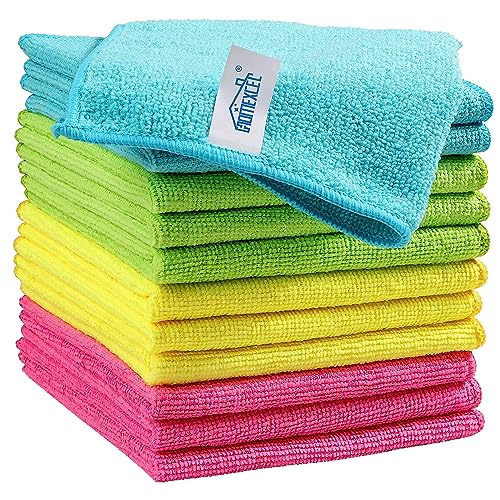
Reusable microfiber cloths.
Why We Like It
Microfiber grabs oils and dries steel without lint, which is the secret to a streak-free finish.
Flaws to Know
- Don’t use fabric softener; it reduces absorbency
Buy it if: you want streak-free results. Skip it if: you already have a microfiber stash.
Key Specs
- Count: 12
3. Bontip 16 oz Glass Spray Bottles, 2-Pack (Best Spray Bottle)
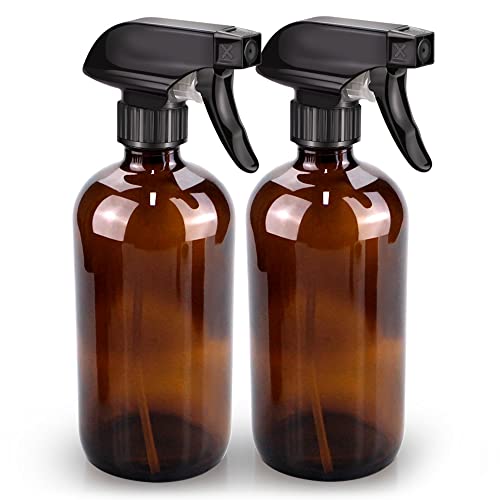
Amber glass spray bottles with labels and a funnel.
Why We Like It
Glass won’t react with vinegar, and labels help you keep your 1:1 mix separate from other cleaners.
Flaws to Know
- Glass can break if dropped
Buy it if: you mix your own cleaners. Skip it if: you have kids grabbing bottles.
Key Specs
- Size: 16 oz x 2
- Material: glass
4. Weiman Stainless Steel Cleaner and Polish Spray (Best Ready-Made Cleaner)
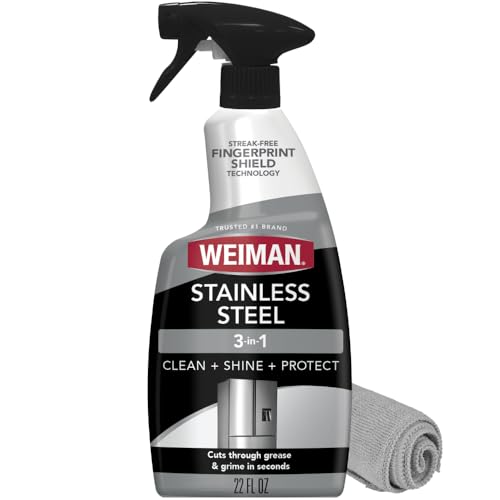
A stainless spray with a cloth, marketed as anti-fingerprint.
Why We Like It
If you’d rather skip the DIY mix, it cleans and polishes in one step and leaves a protective film.
Flaws to Know
- Scented
Buy it if: you want one-step polish. Skip it if: you prefer fragrance-free.
Key Specs
- Type: spray
5. Sprayway Stainless Steel Cleaner, Oil-Based Aerosol (6-Pack) (Best for Fingerprints)
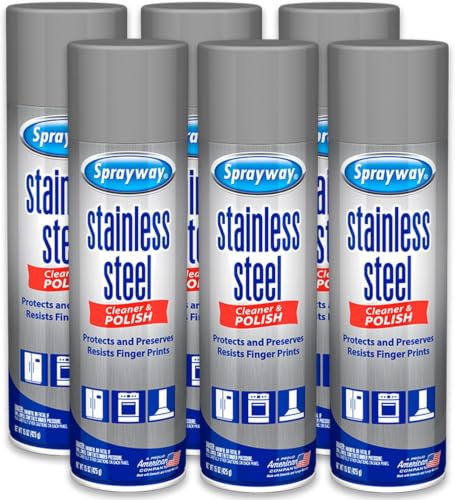
An oil-based aerosol stainless cleaner.
Why We Like It
The oil-based formula is good at hiding fingerprints on busy fridge doors.
Flaws to Know
- Aerosol; use with ventilation
Buy it if: you fight fingerprints daily. Skip it if: you avoid aerosols.
Key Specs
- Size: 15 oz x 6
Want to compare more options? Our guide to the best stainless steel cleaner covers sprays, creams and wipes. And if you’re doing a full sweep of the kitchen, the kitchen cleaning checklist shows how often to clean each appliance.
Vinegar Cleaning Notes for the UK, Canada and the EU
UK: “distilled malt vinegar” is common in shops but has color and a strong smell. For cleaning, look for clear “white vinegar” or “spirit vinegar.”
Canada: white vinegar is sold at the same 5% strength, often in large jugs, and works exactly the same way.
EU: look for “Essigessenz” (Germany), which is much stronger (around 25%), so dilute it well, or “vinaigre blanc” (France) at standard strength.
Frequently Asked Questions
Is it safe to use vinegar on stainless steel?
Yes, briefly. Use a 1:1 mix with water, wipe with the grain, then rinse and dry. Don’t let it sit.
Can vinegar damage stainless steel?
Long contact can dull the finish, and it can worsen existing pitting. Quick use followed by rinsing is safe.
Can I use vinegar on black stainless steel?
No. Black stainless has a coating that acids can damage. Use mild soap and water.
What is the best way to get streak-free stainless steel?
Clean with vinegar and water, dry with microfiber, then buff with a few drops of mineral oil.
Can I mix vinegar and baking soda for stainless steel?
You can use a baking soda paste for stuck-on spots, but mixing them together mostly cancels both out. Use them one after the other instead.

Reviewed by Dominik Hunt, Assistant Editor & Cookware/Appliance Specialist. Dominik has cooked for more than ten years, has reviewed kitchenware for The Kitchenware Journal since 2022, and covers pots and pans, cookware materials, bakeware, roasting pans, kitchen organization and griddles. Our lab tests organizers in real kitchen cabinets, drawers and pantries for fit, capacity and durability. How we test.
Related guides: Cleaning a Dishwasher With Vinegar · What Are Magic Erasers Made Of? · Dish Soap vs Hand Soap · How to Clean a Microwave