Last Updated on August 18, 2026
Are you trying to convert 500 ml to cups but feeling stuck? You’re not alone.
Whether you’re cooking a new recipe or measuring ingredients for your favorite drink, getting the right conversion is key. Imagine pouring the perfect amount every time without second-guessing. You’ll discover a simple way to convert 500 ml to cups quickly and accurately.
Keep reading, and you’ll never worry about measurements again!
Metric To Imperial Basics
Understanding how metric and imperial measurements relate helps in cooking and daily tasks. Metric units like milliliters are common worldwide. Imperial units such as cups are used mainly in the United States. Knowing the basics makes measuring easier and more accurate.
Milliliters Vs Cups
Milliliters measure liquid volume in the metric system. One milliliter equals one-thousandth of a liter. Cups measure volume in the imperial system. One cup equals 8 fluid ounces in the US. Milliliters provide precise measurement. Cups are more common in recipes from the US. Converting between them helps follow recipes correctly.
Common Measurement Units
Besides milliliters and cups, liters and fluid ounces are key units. Liters are larger metric units. Fluid ounces measure smaller volumes in the imperial system. Grams and pounds measure weight, not volume. Knowing which unit to use avoids confusion. Small kitchen tools often show both systems. This helps users from different countries cook with ease.

Credit: www.walmart.com
Converting 500 Ml To Cups
Converting 500 ml to cups is a common task in cooking and baking. Recipes often use different units, so knowing the conversion helps. Measuring liquids accurately improves the final dish. This guide explains how to convert 500 ml to cups clearly.
Exact Conversion Value
One cup equals 240 ml in the US standard system. To find cups from 500 ml, divide 500 by 240. The exact value is about 2.083 cups. This means 500 ml is just over two cups. Using this number helps in precise cooking and baking.
Rounding Tips
For simple use, round 2.083 cups to 2 cups. This is easier to remember and measure. Rounding to two cups works well for most recipes. For more accuracy, use 2 cups plus 1 tablespoon. This small addition matches 500 ml closely. Rounding keeps cooking simple and saves time.
Measurement Tools You Need
Measuring ingredients accurately is key in cooking and baking. Using the right tools makes it simple to convert 500 ml to cups. It avoids guesswork and ensures the best results. Having reliable measurement tools in your kitchen saves time and prevents mistakes.
Liquid Measuring Cups
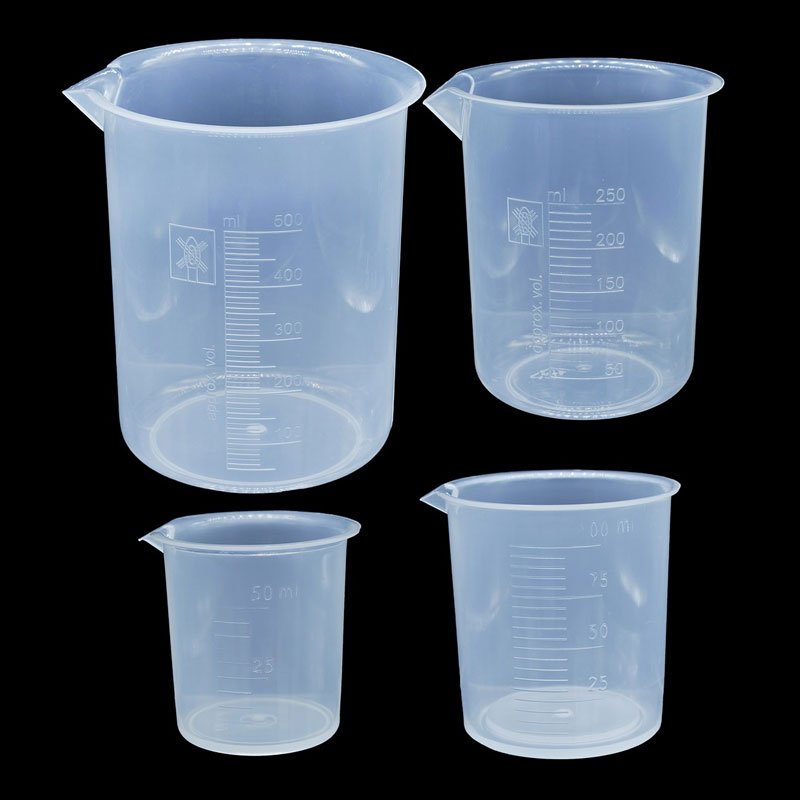
Liquid measuring cups are designed for fluids like water, milk, or oil. They have clear markings for milliliters and cups. Most cups have a spout for easy pouring. Use a flat surface to check the amount at eye level. This helps get an exact measurement every time. Choose cups made of glass or plastic for durability. They are easy to clean and store.
Digital Scales
Digital scales measure ingredients by weight, not volume. They are very precise and help with accurate conversions. Scales can switch between grams, ounces, and pounds. Place a bowl on the scale and press tare to reset. Then add ingredients to get the exact weight. Digital scales are useful when measuring sticky or thick liquids. They make converting 500 ml to cups simple and exact.
Cooking Tips For Accurate Measures
Accurate measurements are key to great cooking results. Using the right amount of ingredients affects taste and texture. Small errors can change the dish a lot. Follow these tips to measure well and cook with confidence.
Leveling Off Ingredients
Always level off dry ingredients. Use a flat edge, like a knife, to smooth the top. This stops extra flour or sugar from sneaking in. Too much can make baked goods dense or too sweet. For liquids, check the measurement at eye level. This ensures you pour the exact amount. Avoid guessing or pouring from high above.
Temperature Effects
Temperature changes ingredient volume. Warm liquids expand and may give wrong readings. Measure cold or room temperature liquids for best results. Butter and oils also change with heat. Softened butter is easier to level than melted butter. Keep ingredients at proper temperature for precise measuring. This helps keep recipes consistent every time.
Conversion Charts And Apps
Conversion charts and apps help you change measurements quickly. They are great for cooking and baking. Understanding how much 500 ml is in cups is easier with these tools.
Conversion charts show measurements side by side. Apps let you enter numbers and get instant results. Both save time and avoid mistakes.
Printable Charts
Printable charts are simple and handy. You can keep them in your kitchen or workspace. They list common conversions like 500 ml to cups. No need for internet or batteries.
These charts use clear fonts and layouts. You find conversions fast without confusion. They are perfect for quick reference while cooking.
Best Conversion Apps
Conversion apps work on phones and tablets. They offer accurate results for many units. You type in 500 ml and see how many cups that equals.
Apps often include extra features like timers and recipe calculators. They are useful for everyday cooking and baking tasks. Many apps work offline, so no signal needed.
Credit: helloaugust.in
Common Conversion Mistakes
Converting 500 ml to cups seems simple but common mistakes can cause errors. These mistakes affect recipes and drink measurements. Avoiding them saves time and frustration. Understanding these errors helps in accurate cooking and baking.
Using Dry Cups For Liquids
Dry cups and liquid cups are different tools. Dry cups measure solid ingredients like flour or sugar. Liquid cups have a spout and extra space at the top. Using dry cups for liquids can cause spills or wrong amounts. Always use a liquid measuring cup for 500 ml conversions. This ensures the right volume is measured every time.
Ignoring Measurement Differences
Not all cups are the same size worldwide. A US cup is 240 ml, but a UK cup is about 284 ml. Ignoring these differences leads to wrong conversions. Using the correct cup size matters for precise results. Check which cup measurement your recipe uses before converting 500 ml. Small errors add up and change the final dish’s taste or texture.
Adapting Recipes With 500 Ml
Adapting recipes using 500 ml can be simple and practical. Many recipes list ingredients in cups, but 500 ml is a common liquid measure in many kitchens. Knowing how to work with 500 ml helps in cooking and baking without confusion. It also helps adjust recipes for different serving sizes.
Scaling Up Or Down
Scaling a recipe means changing the amount of ingredients to make more or less food. If a recipe calls for 2 cups, you can use 500 ml as a guide. Since 500 ml equals about 2 cups, doubling or halving the recipe becomes easier. This helps when cooking for a small group or a large family. Use simple math to keep the taste and texture right.
Substituting Ingredients
Sometimes, a recipe needs a substitute for liquids measured in cups. You can use 500 ml as a standard amount to replace liquids like milk, water, or broth. This keeps the recipe balanced. For example, if a recipe needs 2 cups of water, use 500 ml instead. Substituting with similar liquids keeps flavors close to the original. Always measure carefully for the best results.

Credit: www.amazon.com
Frequently Asked Questions
How Many Cups Are In 500 Ml?
500 ml equals approximately 2. 11 US cups. This conversion helps in cooking and baking for accurate measurements.
Is 500 Ml More Than 2 Cups?
Yes, 500 ml is slightly more than 2 cups since 1 cup equals 236. 6 ml.
Can I Use 2 Cups Instead Of 500 Ml?
Using 2 cups instead of 500 ml is close but slightly less by 36. 6 ml.
What Is 500 Ml In Metric Cups?
In metric cups, 500 ml equals exactly 2 metric cups, as 1 metric cup is 250 ml.
Conclusion
Converting 500 ml to cups is simple and useful. One cup equals about 240 ml, so 500 ml is just over two cups. This helps in cooking and baking to measure ingredients correctly. Knowing these conversions saves time and avoids mistakes.
Keep this guide handy for easy reference. It makes following recipes easier and more accurate. Small details like this improve your cooking experience. Try measuring next time you cook or bake. You’ll see how helpful it can be.