Last Updated on August 22, 2026
Are you looking to add a fun and healthy twist to your meals? Using a vegetable spiralizer can transform ordinary veggies into exciting, curly noodles that make your dishes look and taste amazing.
Whether you want to cut carbs, eat more greens, or simply try something new, this simple tool can change the way you cook. In this guide, you’ll learn exactly how to use a vegetable spiralizer step-by-step, so you can create colorful, delicious meals in minutes.
Keep reading—you’re about to discover a kitchen hack that will make healthy eating effortless and enjoyable.

Credit: www.amazon.com
Choosing The Right Spiralizer
Choosing the right spiralizer makes a big difference in your cooking. It affects how easy and fun it is to prepare vegetables. Picking the best one helps you get the perfect shapes and textures for your dishes. Consider what fits your kitchen and cooking style.
Types Of Spiralizers
There are three main types of spiralizers. Handheld spiralizers are small and easy to use. They work well for softer vegetables. Countertop spiralizers are larger and stable. They handle hard vegetables better and create uniform spirals. Electric spiralizers do the work for you. They are fast and perfect for frequent use.
Features To Consider
Look for sharp blades for clean cuts. Multiple blade options let you make different shapes. A sturdy base stops slipping during use. Easy-to-clean designs save time after cooking. Compact size helps if kitchen space is small. Consider how much effort you want to spend on spiralizing.
Best Vegetables For Spiralizing
Zucchini is popular for making noodles. Carrots add bright color and crunch. Cucumbers spiral well for salads. Sweet potatoes create tasty, thicker spirals. Beets offer rich color and flavor. Choose firm vegetables for better spirals and less mess.
Preparing Vegetables For Spiralizing
Preparing vegetables for spiralizing makes the process smooth and safe. Proper preparation helps the spiralizer work better. It also ensures the spirals look neat and cook evenly. Follow simple steps to get your vegetables ready.
Washing And Peeling
Start by washing your vegetables under cold water. This removes dirt and pesticides. Use a brush for tougher skins like carrots or cucumbers. Peel the vegetables if their skin is tough or bitter. Peeling improves the texture of the spirals. Soft-skinned vegetables like zucchini can be spiralized without peeling.
Trimming Ends
Cut off both ends of the vegetable. This creates flat surfaces that fit the spiralizer. Trim enough to make the vegetable stable in the machine. Removing the ends also gets rid of any tough or dry parts. It helps the blades cut smoothly without slipping.
Selecting Vegetable Size
Choose vegetables that fit your spiralizer’s size limits. Most spiralizers work best with medium-sized vegetables. Very thick or thin vegetables may not spiralize well. Cut large vegetables into smaller pieces if needed. This ensures even spirals and avoids jamming the spiralizer.
Step-by-step Spiralizing Guide
Using a vegetable spiralizer can make meal prep fun and healthy. This guide helps you use your spiralizer step by step. Follow these simple instructions for best results. Get ready to create beautiful veggie noodles in no time.
Setting Up The Spiralizer
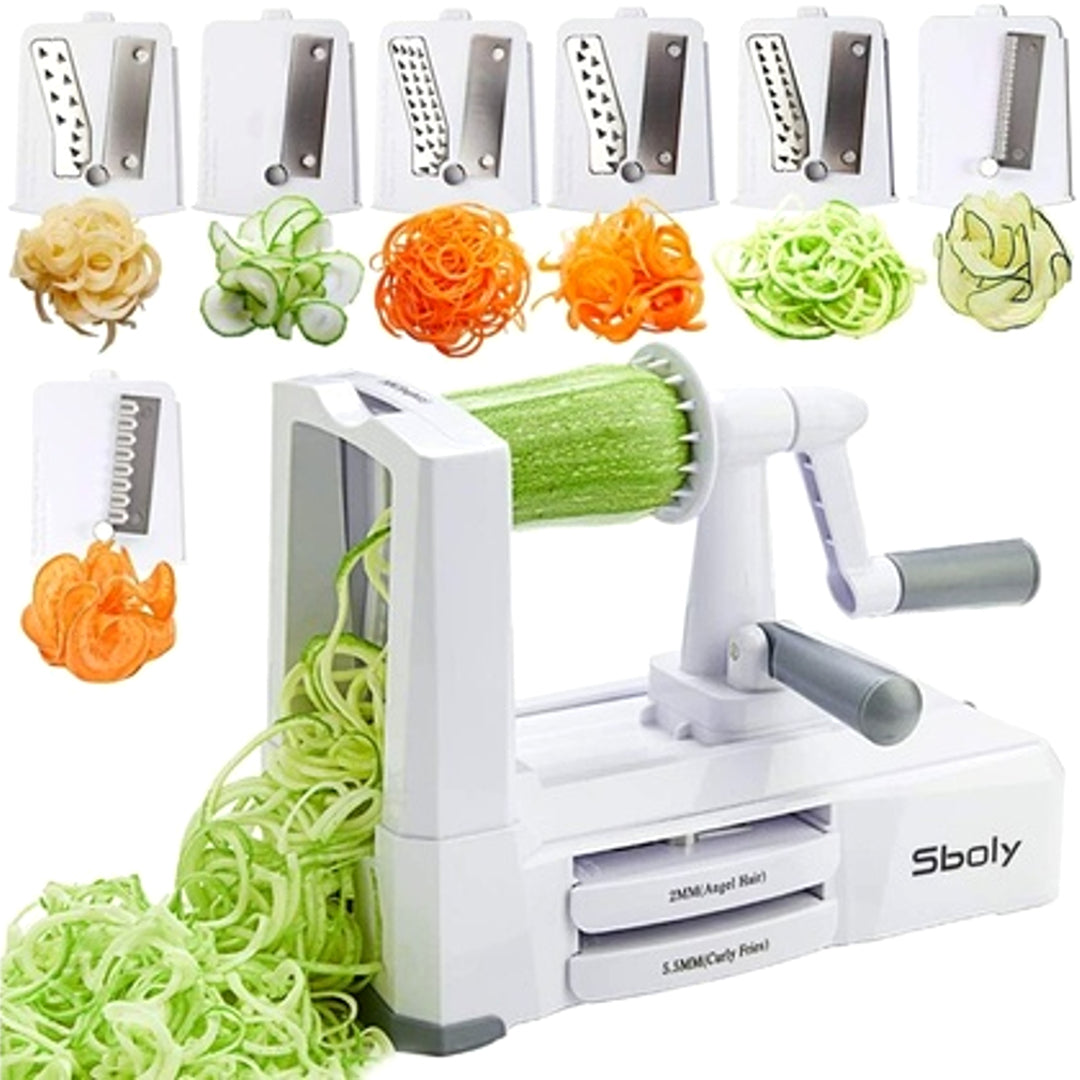
Place your spiralizer on a clean, flat surface. Ensure it is stable and will not move. Attach the parts if your model needs assembly. Choose the blade you want for the shape of your noodles.
Inserting The Vegetable
Pick a vegetable that fits the spiralizer’s size. Wash and peel it if needed. Cut the vegetable ends so they are flat. Secure the vegetable firmly on the spiralizer’s prongs or holder.
Spiralizing Techniques
Hold the spiralizer with one hand. Turn the handle slowly with the other. Keep steady pressure to create even noodles. Stop when the vegetable is fully spiralized or too small.
Safety Tips
Keep fingers away from sharp blades. Use a food holder or gloves if needed. Clean the spiralizer carefully after use to avoid cuts. Store it safely out of reach of children.
Credit: lexihome.com
Creating Perfect Veggie Noodles
Creating perfect veggie noodles is simple with a spiralizer. The key is to prepare the vegetable and use the right technique. Fresh, firm vegetables work best for noodles that hold their shape. Soft or old vegetables may break or squash.
Practice helps you get smooth, even spirals. The right noodle shape and steady pressure make a big difference. Small details can change how your veggie noodles look and taste.
Choosing Noodle Shapes
Spiralizers offer different blade options. Thin noodles look like spaghetti. Thick noodles resemble fettuccine. Ribbon shapes work well for salads. Choose a shape that fits your recipe. Some vegetables suit certain shapes better. For example, zucchini makes great thin noodles. Carrots hold up well as thick noodles.
Avoiding Common Mistakes
Cut vegetables to fit the spiralizer. Too long or uneven pieces can cause jams. Avoid pressing too hard; let the blade do the work. Watch for small seeds or soft spots. They can break the noodle or dull the blade. Clean the spiralizer after each use to keep it sharp and safe.
Tips For Even Spirals
Hold the vegetable firmly and keep it straight. Turn the handle slowly and steadily. Use your other hand to guide the veggie. Try to keep pressure even along the vegetable. Stop if the spiral breaks or bends. Rotate the vegetable to use all of it. This avoids waste and keeps spirals consistent.
Cooking And Serving Veggie Noodles
Cooking and serving veggie noodles is a fun way to enjoy vegetables differently. These noodles add color, crunch, and nutrition to your meals. You can eat them raw for freshness or cook them for a softer texture. Both ways bring out unique flavors and textures in your veggie noodles.
Raw Vs Cooked Options
Raw veggie noodles keep their crunch and bright color. They work well in salads or cold dishes. Cooking softens the noodles and blends flavors. Sauté or boil them for a few minutes. Avoid overcooking to keep some texture. Choose raw for fresh, crisp bites. Pick cooked for warm, tender meals.
Simple Recipes
Try zucchini noodles with cherry tomatoes and olive oil. Add garlic and herbs for extra taste. Another easy dish is carrot noodles with peanut sauce. Use spiralized cucumber in a light yogurt dressing. Veggie noodles also make great stir-fries or soups. Keep recipes simple to highlight the vegetable flavors.
Storing Leftovers
Store leftover veggie noodles in airtight containers. Keep raw noodles in the fridge for up to two days. Cooked noodles last three to four days. Avoid storing with heavy sauces to keep noodles fresh. Use leftovers quickly for best taste and texture. Reheat gently to prevent sogginess.

Credit: www.amazon.com
Maintaining Your Spiralizer
Maintaining your vegetable spiralizer helps keep it working well for a long time. Regular care stops parts from wearing out fast. It also keeps your spiralizer safe and clean for every use.
Cleaning Tips
Clean the spiralizer right after using it. Rinse off vegetable bits under warm water. Use a small brush to remove stuck pieces. Avoid soaking the whole spiralizer in water. Dry all parts completely before storing.
Blade Care
Handle blades with care to avoid cuts. Check blades often for dullness or damage. Sharpen blades using a small whetstone or replace if needed. Keep blades dry to stop rust. Always store blades safely to protect them.
Storage Suggestions
Store your spiralizer in a dry place. Keep all parts together to avoid losing pieces. Use a box or container for safer storage. Avoid heavy items on top to prevent damage. Store blades separately if possible.
Frequently Asked Questions
What Vegetables Work Best With A Spiralizer?
Zucchini, carrots, cucumbers, sweet potatoes, and beets work best. These vegetables are firm and long, making spiralizing easier and more effective.
How Do I Clean A Vegetable Spiralizer Properly?
Disassemble the spiralizer and rinse parts under warm water. Use a brush to clean blades carefully, then dry thoroughly before storing.
Can A Spiralizer Help With Healthy Meal Preparation?
Yes, a spiralizer encourages vegetable-rich meals. It makes low-carb, gluten-free, and visually appealing dishes quickly and easily.
Is A Vegetable Spiralizer Easy To Use For Beginners?
Absolutely. Most spiralizers have simple parts and require minimal effort. Beginners can quickly master spiralizing with a bit of practice.
Conclusion
Using a vegetable spiralizer adds fun to your cooking. It helps you eat more vegetables every day. Spiralized veggies look nice on any plate. They cook quickly and keep their fresh taste. Try different vegetables to find your favorites. Cleaning your spiralizer is simple and fast.
Start with small pieces to avoid jams. Enjoy healthy meals made easy and tasty. Cooking with a spiralizer saves time and effort. Give it a try, and enjoy new meals!