Last Updated on September 13, 2026
Are you tired of your coffee tasting too weak or way too strong? Getting the right amount of coffee to use in your coffee maker can make all the difference between a perfect cup and a disappointing one.
But how much coffee should you actually use? If you’ve ever wondered whether you’re adding too much or too little, you’re not alone. You’ll discover simple, practical tips to measure the ideal coffee amount every time. Keep reading, and soon you’ll be brewing coffee that hits just the right spot—every single morning.
Choosing Coffee Amount
Choosing the right amount of coffee for your coffee maker is key to a good cup. Too little coffee makes weak brew. Too much coffee can taste bitter. Finding the right balance helps you enjoy the full flavor. It also prevents waste and saves money.
Start by knowing how much water you use. Then match your coffee amount to that. Small changes in coffee amount can change the taste a lot. Experiment a bit to find what you like best.
Standard Coffee To Water Ratio
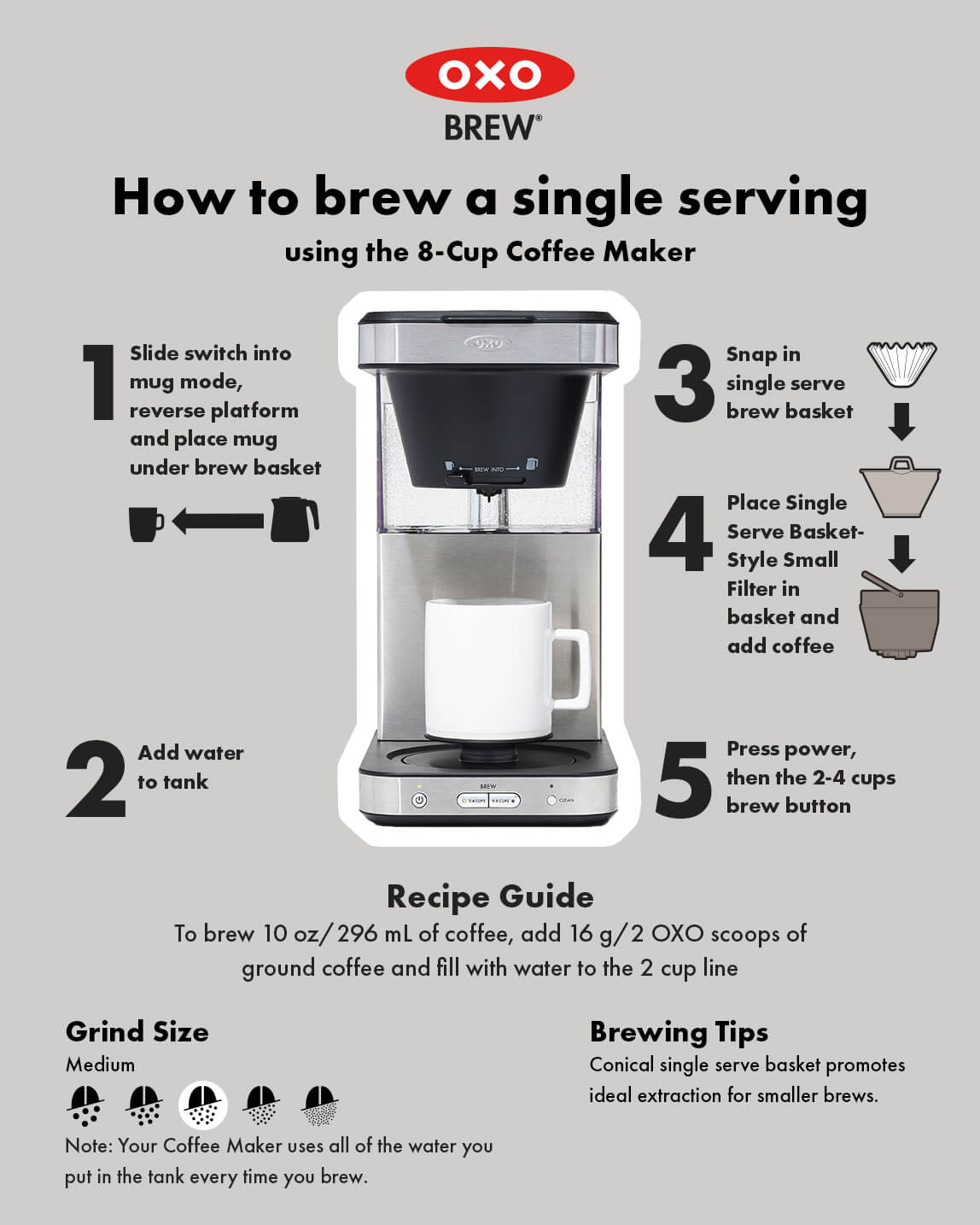
The usual ratio is 1 to 2 tablespoons of coffee per 6 ounces of water. This makes a balanced cup. Use one tablespoon for a lighter brew. Use two for a stronger taste. This ratio works well for most drip coffee makers.
Adjusting For Strength
Change the coffee amount to make your brew stronger or lighter. Add more coffee for a bolder taste. Use less coffee for a milder cup. Remember, strength depends on personal taste. Try small changes to find your perfect cup.
Measuring Coffee Grounds
Use a measuring spoon for accuracy. Scoops vary in size and can cause errors. Level off each scoop to avoid too much coffee. A kitchen scale works best for precise measurement. Weighing coffee helps keep your brew consistent every time.
Coffee Maker Types
Coffee makers come in many types. Each type needs a different amount of coffee. Knowing the type helps you use the right coffee amount. This makes your coffee taste just right. Understanding each type is key to good coffee brewing.
Drip Coffee Makers
Drip coffee makers use a filter and water drips through coffee grounds. Use about 1 to 2 tablespoons of coffee per 6 ounces of water. This ratio makes a balanced cup. Too much coffee makes it bitter. Too little makes it weak.
French Press
The French press brews coffee by steeping grounds in hot water. Use 1 ounce (about 2 tablespoons) of coffee per 4 ounces of water. Coarse grounds work best here. Press slowly for the best taste. This method gives a rich and full flavor.
Espresso Machines
Espresso machines use high pressure to brew coffee fast. Use 7 grams (about 1 tablespoon) of finely ground coffee for a single shot. Double shots need 14 grams. The coffee should be packed tightly for strong flavor. This makes a thick, bold espresso.
Single Serve Machines
Single serve machines use pods or capsules. Each pod has a pre-measured amount of coffee. Usually, one pod makes one cup. No need to measure coffee. Just insert the pod and start brewing. This is quick and easy for one cup at a time.
Water Quality And Temperature
Water quality and temperature play a big role in making good coffee. The right temperature helps extract flavors perfectly. Clean water makes coffee taste fresh and pure. Both factors affect how much coffee you should use. Understanding water quality and temperature helps you brew better coffee every time.
Ideal Water Temperature
The best water temperature for brewing coffee is between 195°F and 205°F (90°C to 96°C). Water too hot can burn the coffee grounds. Water too cold will not extract enough flavor. Keeping water in this range helps bring out the coffee’s natural taste. Use a thermometer or a coffee maker with temperature control. This simple step improves every cup.
Importance Of Water Quality
Water makes up most of your coffee. Its quality affects the final taste. Use fresh, clean water free from chlorine and strong minerals. Tap water with chemicals can cause a bad flavor. Filtered or bottled water often works best. Avoid distilled water; it can make coffee taste flat. Good water means better coffee, no matter the amount of grounds.

Credit: www.oxo.com
Grinding Coffee Beans
Grinding coffee beans is a key step in brewing a great cup. The grind size changes how water flows through the coffee. This affects the flavor and strength of your brew. Freshly ground beans give the best taste and aroma.
Grind Size For Different Makers
Each coffee maker works best with a certain grind size. For drip coffee makers, use a medium grind. This looks like sand. A coarse grind fits French presses. It looks like sea salt. Espresso machines need a fine grind. It is powdery and smooth. Using the right grind stops over or under-extraction.
Freshness Impact
Freshly ground coffee tastes better than pre-ground coffee. Grinding releases oils and aromas. These start to fade fast after grinding. Grind coffee just before brewing. Store beans in an airtight container. Keep them away from light and heat. Freshness brings a richer and fuller flavor to your cup.
Common Mistakes To Avoid
Getting the right amount of coffee for your coffee maker is important. Many people make simple mistakes that change how the coffee tastes. Avoiding these errors helps make a better cup every time. Below are common mistakes that affect your coffee’s flavor and strength.
Using Too Much Coffee
Adding too much coffee makes the drink bitter and strong. It can also clog your coffee maker. Too much coffee wastes beans and water. Use the right amount to keep the taste smooth and balanced.
Using Too Little Coffee
Too little coffee results in weak, watery flavor. The drink will lack richness and aroma. This mistake can make you add sugar or cream to fix taste. Measure carefully to keep your coffee full and fresh.
Incorrect Measuring Tools
Using spoons or cups that are not made for coffee leads to errors. Different tools hold different amounts. A proper coffee scoop or digital scale gives accurate results. This helps keep your coffee consistent every time.

Credit: www.oxo.com
Tips For Perfect Brew
Making the perfect cup of coffee needs more than just good beans. Small details matter. Using the right amount of coffee and keeping your coffee maker clean can change your brew. These tips help you get the best taste every time.
Consistent Measuring
Measure your coffee grounds each time. Using a scoop or a kitchen scale works well. Too much coffee makes the brew bitter. Too little makes it weak. Keep the coffee amount steady for a balanced taste.
Experimenting With Ratios
Try different coffee-to-water ratios. Start with one to two tablespoons of coffee per six ounces of water. Adjust to find your favorite strength. Small changes make a big difference. Note your results to remember what you like best.
Cleaning Your Coffee Maker
Clean your coffee maker regularly. Old coffee oils and residue spoil flavor. Use warm water and mild soap or vinegar to clean. A clean machine brews fresh, tasty coffee. It also lasts longer and works better.
Credit: perfectbrewmaker.com
Frequently Asked Questions
How Much Coffee Per Cup Should I Use?
Use 1 to 2 tablespoons of coffee grounds per 6-ounce cup. Adjust based on strength preference and coffee type for best flavor.
What Is The Ideal Coffee-to-water Ratio?
The ideal ratio is 1:15 to 1:18 coffee to water by weight. This ensures balanced extraction and optimal taste in your brew.
Can I Use More Coffee For Stronger Brew?
Yes, increasing coffee grounds enhances strength but avoid overusing. Too much coffee can cause bitterness and unpleasant flavors in your cup.
How Does Grind Size Affect Coffee Amount?
Finer grinds require less coffee for strong flavor. Coarser grinds may need more grounds to extract full taste during brewing.
Conclusion
Finding the right amount of coffee makes a big difference. Use about one to two tablespoons of coffee per six ounces of water. Adjust the amount to match your taste. Too little coffee makes weak drinks. Too much coffee can taste bitter.
Clean your coffee maker regularly for the best flavor. Enjoy your perfect cup every morning. Simple steps lead to great coffee at home. Keep experimenting until you find your ideal brew. Happy brewing!