Last Updated on August 26, 2026
Imagine having access to clean, fresh water no matter where you are—even if you live near salty oceans or in dry areas. Reverse osmosis desalination can make that possible for you.
This technology turns salty seawater into pure drinking water, solving one of the biggest challenges we face today. If you want to understand how this process works and how it could change your life or community, keep reading. You’ll discover how reverse osmosis desalination can provide safe, reliable water and why it’s becoming a game-changer worldwide.
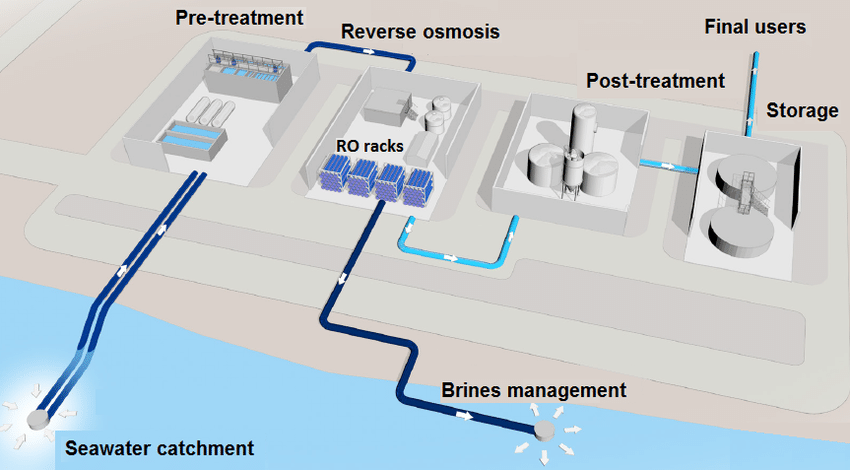
Credit: genesiswatertech.com
Principles Of Reverse Osmosis
Reverse osmosis is a key technology in water desalination. It removes salt and impurities from seawater or brackish water. This process uses pressure to push water through a special membrane. The membrane blocks salt and other particles, letting clean water pass.
Understanding the principles of reverse osmosis helps explain why it is effective for producing fresh water. The system relies on physical forces and selective membranes to separate clean water from contaminants.
How Reverse Osmosis Works
Water with salt enters the system under high pressure. The pressure forces water molecules through the membrane pores. Salt and impurities are too large to pass. They stay behind and are flushed away as waste. This leaves fresh water on the other side.
The process reverses natural osmosis, which moves water from low to high salt concentration. Here, pressure pushes water the opposite way, against the concentration gradient. This is why it is called “reverse” osmosis.
Key Components Of Ro Systems
RO systems consist of several main parts. A high-pressure pump pushes water through the system. The membrane module contains the selective membrane. Pre-filters remove large particles and protect the membrane. Post-filters improve taste and remove any remaining impurities. A control system manages the process and monitors performance.
Types Of Membranes Used
Membranes vary based on material and design. Thin-film composite (TFC) membranes are common. They offer high salt rejection and durability. Cellulose acetate membranes are older but resist biological growth well. Membrane choice depends on water quality and system needs. Each type balances cost, efficiency, and lifespan.
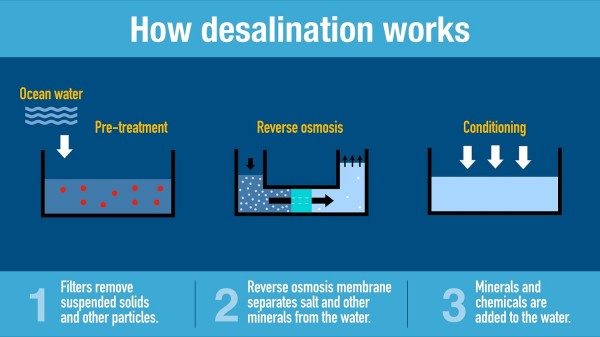
Credit: www.brotherfiltration.com
Benefits Of Ro Desalination
Reverse osmosis (RO) desalination offers many clear benefits for water treatment. It removes salt and impurities, making seawater safe to drink. This technology helps meet growing water demands in dry regions. It also supports industries and agriculture with clean water. The benefits of RO desalination include producing pure water, saving energy, and protecting the environment.
High Purity Water Output
RO desalination produces very clean and safe water. It removes up to 99% of salts and harmful particles. This high purity water is good for drinking and cooking. It also suits medical and industrial uses. The process ensures water tastes better and is healthier for users.
Energy Efficiency Improvements
Modern RO systems use less energy than older methods. Advances in technology reduce power needs during desalination. Lower energy use means cheaper water production. It also helps reduce greenhouse gas emissions. Energy-efficient RO plants support sustainable water supply efforts.
Environmental Advantages
RO desalination has less impact on the environment than some other methods. It avoids chemicals that harm ecosystems. The process uses less land and water space. Waste brine can be managed to limit pollution. Clean water from RO helps protect natural freshwater sources.
Challenges In Ro Desalination
Reverse osmosis (RO) desalination offers a solution to water scarcity. It turns seawater into clean drinking water. Despite its benefits, the process faces several challenges. These challenges affect efficiency and cost. Understanding these issues is key to improving RO technology.
Membrane Fouling Issues
Membrane fouling occurs when particles block the RO membranes. This reduces water flow and quality. Fouling needs frequent cleaning or membrane replacement. It raises maintenance costs and downtime. Scaling, biofouling, and sediment buildup are common fouling types.
High Energy Consumption
RO desalination uses high pressure to push water through membranes. This requires a lot of energy. Energy costs make the process expensive. Energy use also limits the system’s sustainability. Finding ways to reduce energy demand is crucial.
Disposal Of Brine Waste
Desalination produces a salty waste called brine. Brine is highly concentrated with salts and chemicals. Disposal of brine can harm marine life and ecosystems. Safe and effective brine management is a major concern. Many plants struggle to find eco-friendly disposal methods.

Credit: www.sciencedirect.com
Innovations Enhancing Ro Technology
Reverse Osmosis (RO) desalination has become vital for producing clean water. New innovations improve the efficiency and reduce costs. These advances help meet growing water demands worldwide. Technology upgrades make RO systems more reliable and easier to manage.
Advanced Membrane Materials
Membranes are the heart of RO systems. New materials increase water flow and block more salt. These membranes last longer and resist fouling better. This means less frequent replacements and lower maintenance costs. Researchers also develop membranes that work well with less energy.
Energy Recovery Systems
RO desalination needs a lot of energy to push water through membranes. Energy recovery systems capture and reuse this power. This lowers the total energy needed and cuts operational costs. Improved devices recover energy more efficiently and smoothly. This makes desalination more affordable and eco-friendly.
Smart Monitoring And Automation
Modern RO plants use sensors and software to watch system health. They detect problems early and adjust operations automatically. Automation reduces human errors and downtime. Remote monitoring allows quick responses and better data tracking. This technology helps plants run safely and efficiently every day.
Applications Of Ro Desalination
Reverse osmosis (RO) desalination is a key technology to make seawater drinkable. It removes salt and other impurities through a special membrane. This method is widely used in different sectors to provide clean water. The applications of RO desalination help address water scarcity in many parts of the world.
RO desalination supports cities, farms, and industries by supplying safe water. Each application has unique needs but benefits from the same core process. Understanding these uses shows how important RO is for sustainable water management.
Urban Water Supply
Cities use RO desalination to provide fresh water to residents. It helps areas with little natural freshwater. RO plants produce drinking water that meets health standards. This process reduces reliance on limited rivers and lakes. Urban water systems stay reliable, even in dry seasons.
Agricultural Irrigation
Farmers use RO desalination to get clean water for crops. Salt-free water improves soil health and plant growth. This method supports farming in dry or salty regions. It helps increase food production with less water waste. Clean irrigation water protects crops from salt damage.
Industrial Water Use
Industries require pure water for many processes. RO desalination supplies water free of salts and chemicals. It supports manufacturing, cooling, and cleaning needs. Using RO water helps industries meet quality standards. This process also reduces environmental impact by recycling water.
Future Trends In Water Purification
The future of water purification is moving fast. Technologies are evolving to meet growing water needs and environmental challenges. Reverse osmosis (RO) desalination is at the forefront of these changes. It is becoming more efficient and accessible worldwide.
New trends focus on cleaner energy, local solutions, and wider reach. These advances will help provide safe drinking water to more people. They also reduce the environmental impact of water treatment.
Integration With Renewable Energy
RO desalination systems now use solar and wind power. This cuts down on fossil fuel use. Renewable energy makes water purification cheaper and greener. It also allows plants to run in remote areas without power grids. Combining RO with renewables supports sustainable water supplies.
Decentralized Ro Systems
Small, local RO units are becoming popular. They treat water near the point of use. This reduces the need for large pipelines and storage. Decentralized systems are easier to manage and maintain. They provide fresh water to rural and off-grid communities quickly.
Global Impact And Accessibility
RO desalination is spreading to more countries. Cost drops and technology improvements help this growth. More people gain access to clean water. This improves health and supports economic growth. The future shows a world with fewer water shortages and safer drinking water for all.
Frequently Asked Questions
What Is Reverse Osmosis Desalination?
Reverse osmosis desalination is a water purification process that removes salt and impurities from seawater. It uses a semi-permeable membrane to separate clean water from salt and contaminants. This method provides fresh drinking water in areas with limited freshwater resources.
How Does Reverse Osmosis Remove Salt From Water?
Reverse osmosis forces seawater through a membrane that blocks salt and impurities. Water molecules pass through, leaving salt behind. This process efficiently produces fresh water suitable for drinking and irrigation, making it vital for desalination plants worldwide.
What Are The Benefits Of Reverse Osmosis Desalination?
Reverse osmosis desalination provides clean, safe drinking water from seawater. It is energy-efficient compared to other methods and reduces dependence on freshwater sources. This technology supports water scarcity solutions, especially in arid regions and coastal communities.
Is Reverse Osmosis Desalination Environmentally Friendly?
Reverse osmosis desalination is more eco-friendly than thermal methods but produces brine waste. Proper brine management and energy-efficient systems minimize environmental impact. Ongoing improvements aim to reduce energy consumption and protect marine ecosystems.
Conclusion
Reverse osmosis desalination helps turn seawater into clean drinking water. It removes salt and harmful substances effectively. This process uses special filters that work like a barrier. Many places with little fresh water rely on it. While it needs energy, new methods aim to reduce costs.
Clean water is vital for health and life. Using reverse osmosis can support communities and farms. It offers a practical way to solve water scarcity. Simple, efficient, and reliable—key to fresh water access.