Last Updated on September 15, 2026
There’s something special about making tea on the stove. The gentle warmth, the soft bubbling sound, and the rich aroma filling your kitchen—it’s a simple ritual that turns an ordinary moment into something cozy and calming.
If you’ve ever wondered how to make the perfect cup of tea this way, you’re in the right place. In this guide, you’ll discover easy steps that anyone can follow to brew tea just the way you like it. Ready to turn your kitchen into a little tea haven?
Let’s get started.

Credit: luzianne.com
Choosing The Right Tea
Choosing the right tea is the first step to making a perfect cup on the stove. The taste and aroma depend heavily on the tea you pick. Knowing the differences helps you enjoy tea just the way you like it.
Types Of Tea Leaves
Tea comes from the Camellia sinensis plant. The main types are black, green, white, oolong, and herbal teas. Black tea has a strong flavor and dark color. Green tea is lighter and fresh. White tea is delicate and sweet. Oolong tea sits between green and black tea in taste. Herbal teas are made from flowers, herbs, or fruits and do not contain caffeine.
Loose Leaf Vs Tea Bags
Loose leaf tea offers more flavor and aroma than tea bags. The leaves are bigger and fresher. Tea bags are quick and easy to use. They are good for convenience but may lack depth in taste. Loose leaf tea needs a strainer or infuser but delivers a richer experience.
Quality And Freshness
Fresh tea leaves make a big difference in taste. Check the packaging date and avoid old tea. Store tea in a cool, dry place away from light. High-quality tea has a strong smell and vibrant color. Avoid tea that looks dull or smells musty.
Preparing Your Equipment
Preparing your equipment is the first step to making tea on the stove. Having the right tools helps you make a better cup of tea. It also makes the process faster and easier. This section covers the basic items you need for stove-top tea.
Selecting A Suitable Pot
Choose a pot that fits the amount of tea you want to make. A small pot works well for one or two cups. Larger pots are better for families or groups. Use a pot made from materials like stainless steel or enamel. These materials heat evenly and are easy to clean. Avoid pots with plastic parts that touch the water.
Using A Kettle For Boiling Water
A kettle speeds up boiling water on the stove. It is designed to heat water quickly and safely. Use a stove-top kettle with a whistle for easy timing. Pour the hot water from the kettle into your pot or teapot. This method helps control the water temperature for perfect tea.
Essential Tools And Accessories
Keep these tools handy: a tea strainer, a spoon, and a timer. A tea strainer catches loose leaves when pouring. A spoon helps measure tea leaves accurately. A timer ensures you steep the tea for the right time. These small items improve your tea-making experience.
Boiling Water On The Stove
Boiling water on the stove is the first step to making a great cup of tea. It might seem simple, but getting it right affects the taste a lot. Different teas need different water temperatures to bring out their best flavors. Using the right heat also helps save time and energy.
Optimal Water Temperature For Different Teas
Green tea tastes best with water at about 160°F to 180°F. Black tea needs hotter water, around 200°F to 212°F. White tea is gentle, so use water near 160°F to 185°F. Oolong tea works well at 190°F to 200°F. Boiling water is perfect for black and herbal teas.
Tips For Even Heating
Use a clean pot or kettle for better taste. Heat water slowly on medium heat for even warmth. Stir the water gently to spread heat. Avoid using very high heat right away. This stops hot spots and helps water boil evenly.
Avoiding Overboiling
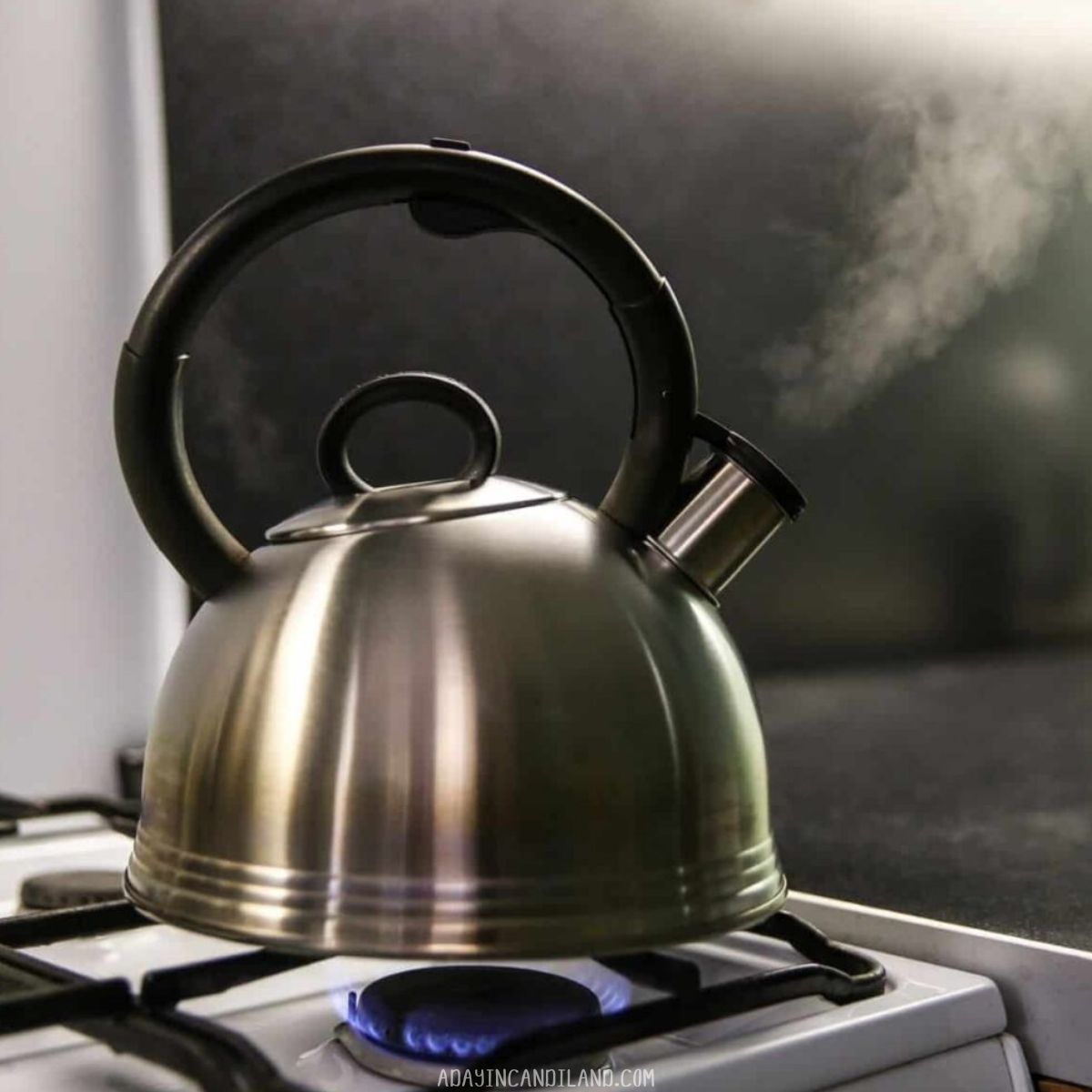
Watch the water closely as it heats. Turn off the stove just when bubbles start to rise. Overboiling wastes energy and changes water taste. It can also make tea taste bitter. Pour water over tea leaves soon after boiling for best flavor.
Credit: www.nusfolio.com
Steeping The Tea
Steeping tea is the heart of making a perfect cup on the stove. It is the process where hot water draws flavors from tea leaves. This step affects taste, aroma, and strength. Paying attention to steeping helps avoid bitterness or weak tea. Let’s explore how to steep tea properly for the best result.
Measuring The Right Amount Of Tea
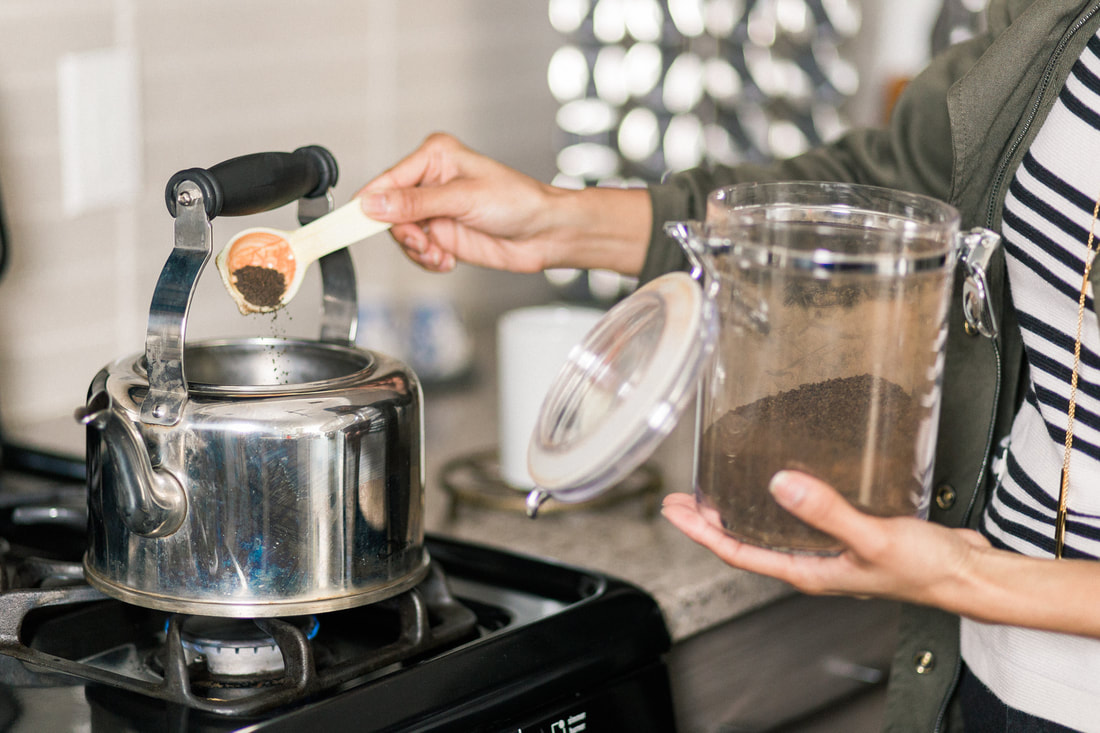
Use the right amount of tea leaves for good flavor. Usually, one teaspoon of tea leaves fits one cup of water. Too many leaves make the tea bitter. Too few leaves make it weak and bland. Measuring tea with a spoon keeps the taste balanced and consistent.
Timing For Perfect Flavor
Timing is key to getting perfect flavor from tea. Steep the leaves for about 3 to 5 minutes. Shorter steeping gives lighter tea, longer steeping makes it stronger. Watch the clock but check the taste too. Stop steeping once the tea reaches the flavor you like.
Adjusting Steeping Time By Tea Type
Different teas need different steeping times. Green tea should steep for 2 to 3 minutes. Black tea requires 3 to 5 minutes. Herbal teas often need longer, about 5 to 7 minutes. Adjust the time to avoid bitterness or weak flavor. Follow these guides for better tea on the stove.
Enhancing Your Tea
Enhancing your tea can turn a simple cup into a delightful experience. Small additions change the flavor and aroma. These tweaks make tea more enjoyable and personal. Explore easy ways to improve your tea on the stove.
Adding Sweeteners And Milk
Sugar is a common sweetener for tea. Honey adds a natural sweetness and a slight floral note. Try brown sugar for a richer taste. Milk softens strong tea flavors. Use regular, almond, or oat milk as you prefer. Add milk after brewing to avoid curdling.
Infusing With Herbs And Spices
Fresh herbs bring fresh flavors. Mint leaves add coolness and freshness. Basil or lemongrass gives an exotic twist. Spices like cinnamon or cardamom add warmth. Add these during boiling for best results. Adjust amount to keep flavors balanced.
Serving Suggestions
Serve tea in your favorite cup for comfort. Pair with light snacks like biscuits or fruit. Use a saucer to catch drips and add charm. Garnish with a lemon slice or fresh herbs. Warm cups keep tea hot longer. Enjoy your enhanced tea slowly.
Credit: adayincandiland.com
Troubleshooting Common Issues
Making tea on the stove is simple, but sometimes issues happen. Tea can taste bitter or weak, or it might be over-steeped. Clean equipment also plays a big role in the taste. Fixing these common problems helps you enjoy perfect tea every time.
Fixing Bitter Or Weak Tea
Bitter tea often means the leaves cooked too long or the water was too hot. Use water just below boiling for green or white tea. For black tea, boiling water is best, but do not boil leaves too long. Weak tea means not enough leaves or short steeping time. Add more leaves or steep longer for stronger flavor.
Preventing Over-steeping
Over-steeping makes tea bitter and unpleasant. Set a timer to keep track of steeping time. Usually, 3 to 5 minutes is enough for black tea. Green and white teas need less time, about 2 to 3 minutes. Remove the tea leaves or bag as soon as time is up.
Maintaining Clean Equipment
Old tea stains and dirt affect tea flavor. Clean your teapot and kettle after each use. Use warm water and mild soap to wash them. Rinse well to remove any soap residue. Regular cleaning keeps your tea tasting fresh and pure.
Frequently Asked Questions
How Long Should I Boil Water For Stove Tea?
Boil water for 3 to 5 minutes on the stove. This ensures it reaches the perfect temperature for brewing. Avoid overboiling to keep the water fresh and oxygenated, which enhances tea flavor.
What Type Of Tea Is Best For Stove Brewing?
Loose leaf tea or tea bags both work well on the stove. Choose high-quality tea for the best taste. Black, green, or herbal teas all brew nicely with stove-top methods.
How Much Tea Should I Use Per Cup?
Use one teaspoon of loose leaf tea or one tea bag per 8-ounce cup. Adjust the amount based on your preferred tea strength. This ratio helps achieve balanced flavor and aroma.
Can I Reuse Tea Leaves When Making Stove Tea?
Reusing tea leaves is possible but may result in weaker flavor. Some teas, like green or oolong, benefit from multiple infusions. Steep reused leaves for a shorter time to avoid bitterness.
Conclusion
Making tea on the stove is simple and satisfying. Just follow the steps carefully. Use fresh water and good tea leaves for best taste. Watch the boiling water closely to avoid burning. Let the tea steep for a few minutes.
Pour it into your favorite cup and enjoy. This method brings out rich flavors in every sip. Try it often for a warm, relaxing drink anytime. Brewing tea on the stove connects you to a timeless tradition. A peaceful moment in a busy day.
Easy, natural, and always comforting.