Last Updated on September 28, 2026
Are you tired of spending too much time mashing potatoes by hand? What if you could make creamy, fluffy mashed potatoes effortlessly, without the usual mess?
Using a stand mixer to make mashed potatoes can change the way you cook forever. It saves you time, energy, and gives you perfect results every time. Keep reading to discover how you can turn your stand mixer into your new secret kitchen helper and impress everyone at your next meal.

Credit: www.cuisinart.com
Benefits Of Using A Stand Mixer
Using a stand mixer to make mashed potatoes brings many benefits. It makes the process easier and more efficient. The results are smooth and creamy every time. This kitchen tool helps save effort and time, making cooking more enjoyable.
Consistent Texture
A stand mixer mixes potatoes evenly. It avoids lumps and uneven pieces. The machine keeps the texture smooth and soft. This consistency is hard to get by hand. Your mashed potatoes will always have the perfect feel.
Hands-free Mixing
The stand mixer works on its own. You do not need to stir or mash by hand. This frees your hands for other tasks. You can prepare other ingredients or clean up. It makes cooking less stressful and more fun.
Time-saving Process
The stand mixer mixes potatoes quickly. It cuts the time needed to mash by half. Fast mixing means you serve food sooner. This is helpful for busy days or big meals. You get fluffy mashed potatoes without waiting long.
Credit: www.lexasrecipes.com
Choosing The Right Potatoes
Choosing the right potatoes is key to making creamy mashed potatoes with a stand mixer. Different potatoes bring different textures and flavors. Picking the right type can change how smooth or fluffy your mash turns out.
Potatoes vary in starch content and moisture. These qualities affect how they cook and mash. Understanding these differences helps you choose the perfect potato for your recipe.
Best Potato Varieties
Russet potatoes are popular for mashing. They have high starch and low moisture. This makes them light and fluffy after mashing. Yukon Gold potatoes have medium starch and a buttery flavor. They create a creamy and smooth texture. Red potatoes hold their shape well. They are waxy with low starch. They give a denser and chunkier mash.
How Potato Type Affects Texture
High-starch potatoes like Russets break down easily. The result is a soft, airy mash. Medium-starch potatoes like Yukon Golds balance creaminess and firmness. This gives a rich texture without being too thick. Low-starch potatoes keep their shape more. They produce a mash with more bite and texture. Choose the potato type based on how smooth or chunky you want your mashed potatoes.
Preparing Potatoes For Mashing
Preparing potatoes for mashing is a key step for soft, creamy mashed potatoes. The right preparation affects texture and taste. Start with choosing good potatoes. Starchy types like Russets work best. They break down easily and absorb butter and cream well.
Cleaning, peeling, and cutting the potatoes properly helps them cook evenly. Uniform pieces cook at the same speed. This makes the mashing process smoother and quicker. Soft potatoes mash better in a stand mixer. Overcooked or undercooked pieces can create lumps or gluey texture.
Peeling And Cutting Tips
Peel potatoes using a sharp peeler or knife. Removing the skin creates a smooth mash. Cut the potatoes into even chunks, about 1 to 2 inches. Smaller pieces cook faster and evenly. Avoid very small pieces. They may absorb too much water and turn mushy.
Cooking Methods For Soft Potatoes
Boiling is the most common way to soften potatoes. Place potato chunks in cold water and bring to a boil. Cook until tender when pierced with a fork. Drain well to avoid watery mash. Steaming is another method. It keeps potatoes dry and full of flavor. Steamed potatoes take a bit longer but are less likely to absorb excess water.
Step-by-step Mashing Process
Mashing potatoes with a stand mixer is quick and easy. This process helps you get smooth, creamy mashed potatoes without much effort. Follow these steps to use your stand mixer like a pro.
Setting Up The Stand Mixer
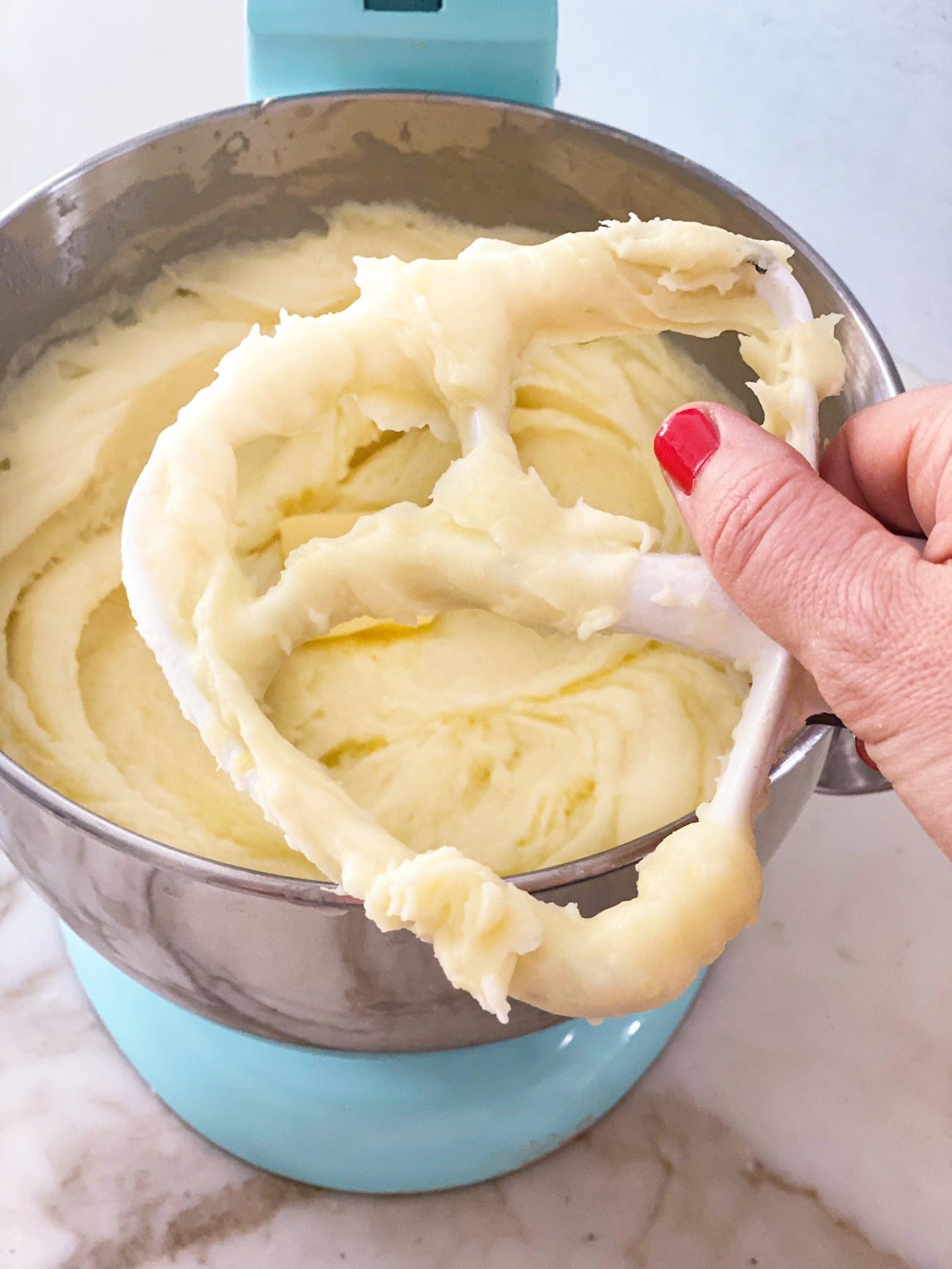
Start by placing the cooked potatoes in the mixer’s bowl. Attach the paddle attachment to the mixer. Make sure the bowl locks securely in place. This setup keeps everything stable during mixing.
Mixing Speeds And Timing
Turn the mixer on low speed first. Mix for about 30 seconds to break the potatoes gently. Then increase speed to medium for another 30 seconds. Avoid overmixing to keep the potatoes fluffy.
Adding Butter And Cream
Slowly add softened butter to the potatoes. Pour in warm cream or milk little by little. Mix on low speed to combine. Stop once the potatoes are creamy and smooth.
Tips For Fluffy Mashed Potatoes
Fluffy mashed potatoes delight every palate and pair well with many dishes. Using a stand mixer can simplify the process and save time. Yet, it is easy to make the potatoes gluey or dense. Knowing the right techniques helps keep them light and soft.
Avoiding Overmixing
Overmixing mashed potatoes causes them to become sticky and heavy. The stand mixer can break down starch too much. Mix just until potatoes are smooth and creamy. Stop mixing as soon as lumps disappear. This keeps the texture tender and fluffy.
Incorporating Air For Lightness
Air adds softness and volume to mashed potatoes. Use the stand mixer on low speed at first. Slowly increase speed for a few seconds only. This whips air into the potatoes without overworking them. The result is a lighter, fluffier dish that melts in the mouth.
Flavor Variations And Add-ins
Mashed potatoes made in a stand mixer are smooth and creamy by default. You can change their flavor easily with simple add-ins. These variations make your dish taste fresh and exciting every time. Try herbs, cheese, or different dairy options to suit your mood and meal.
Herbs And Spices
Fresh herbs add bright, natural flavors to mashed potatoes. Chopped parsley, chives, or dill work well. Sprinkle a little rosemary or thyme for a warm taste. Ground black pepper and a pinch of paprika give a subtle kick. These small changes bring new life to a classic side dish.
Cheese And Garlic
Cheese adds richness and depth to mashed potatoes. Stir in shredded cheddar, Parmesan, or cream cheese. Garlic pairs perfectly with cheese for bold flavor. Roast or mince garlic before mixing it in for best taste. This combo makes the potatoes creamy and full of flavor.
Alternative Dairy Options
Use different dairy products for varied texture and taste. Sour cream or Greek yogurt creates a tangy twist. Coconut milk or almond milk are good for dairy-free versions. Butter can be replaced with olive oil for a lighter touch. These options keep mashed potatoes tasty and fit various diets.
Common Mistakes To Avoid
Making mashed potatoes with a stand mixer is easy and quick. Yet, some common mistakes can spoil the texture and taste. Avoid these errors to get smooth and fluffy mashed potatoes every time.
Using The Wrong Potatoes
Not all potatoes are good for mashing. Waxy potatoes like red or new potatoes stay firm and create a gluey mash. Choose starchy potatoes like Russets or Yukon Golds. They break down easily and give a creamy texture.
Overworking The Mash
Mixing potatoes too long causes them to become sticky and gluey. Use the stand mixer on low speed and stop as soon as the potatoes are smooth. Overmixing releases too much starch and ruins the fluffiness.
Adding Too Much Liquid
Adding too much milk or cream makes mashed potatoes runny. Pour liquids slowly and check the texture often. It is easier to add more than to fix a watery mash. Aim for soft but firm potatoes that hold shape well.
Serving And Storing Tips
Serving and storing mashed potatoes made in a stand mixer is simple. Doing it right keeps the potatoes smooth and tasty. Proper care helps avoid dryness or lumpiness. These tips make your mashed potatoes fresh and delicious.
Keeping Mashed Potatoes Warm
Use a slow cooker or warming tray to keep mashed potatoes warm. Cover the potatoes with a lid or foil to keep moisture. Stir the potatoes occasionally to keep them creamy. Avoid overheating, which can dry out the potatoes. Keep heat low for best texture and taste.
Reheating Without Losing Texture
Reheat mashed potatoes gently on the stove or microwave. Add a splash of milk or cream to keep them moist. Stir well during reheating to keep the texture smooth. Heat in short intervals to avoid overcooking. Avoid reheating multiple times to maintain flavor and creaminess.
Credit: thefamilyfoodkitchen.com
Frequently Asked Questions
How Do You Make Mashed Potatoes In A Stand Mixer?
To make mashed potatoes in a stand mixer, boil peeled potatoes until tender. Drain and add them to the mixer bowl. Use the paddle attachment and mix on low speed. Gradually add butter, milk, salt, and pepper for creamy, smooth mashed potatoes.
Can A Stand Mixer Overmix Mashed Potatoes?
Yes, a stand mixer can overmix mashed potatoes. Overmixing causes potatoes to become gluey and dense. To avoid this, mix on low speed and stop as soon as potatoes reach a smooth texture. Use the paddle attachment for the best consistency.
What Stand Mixer Attachment Is Best For Mashed Potatoes?
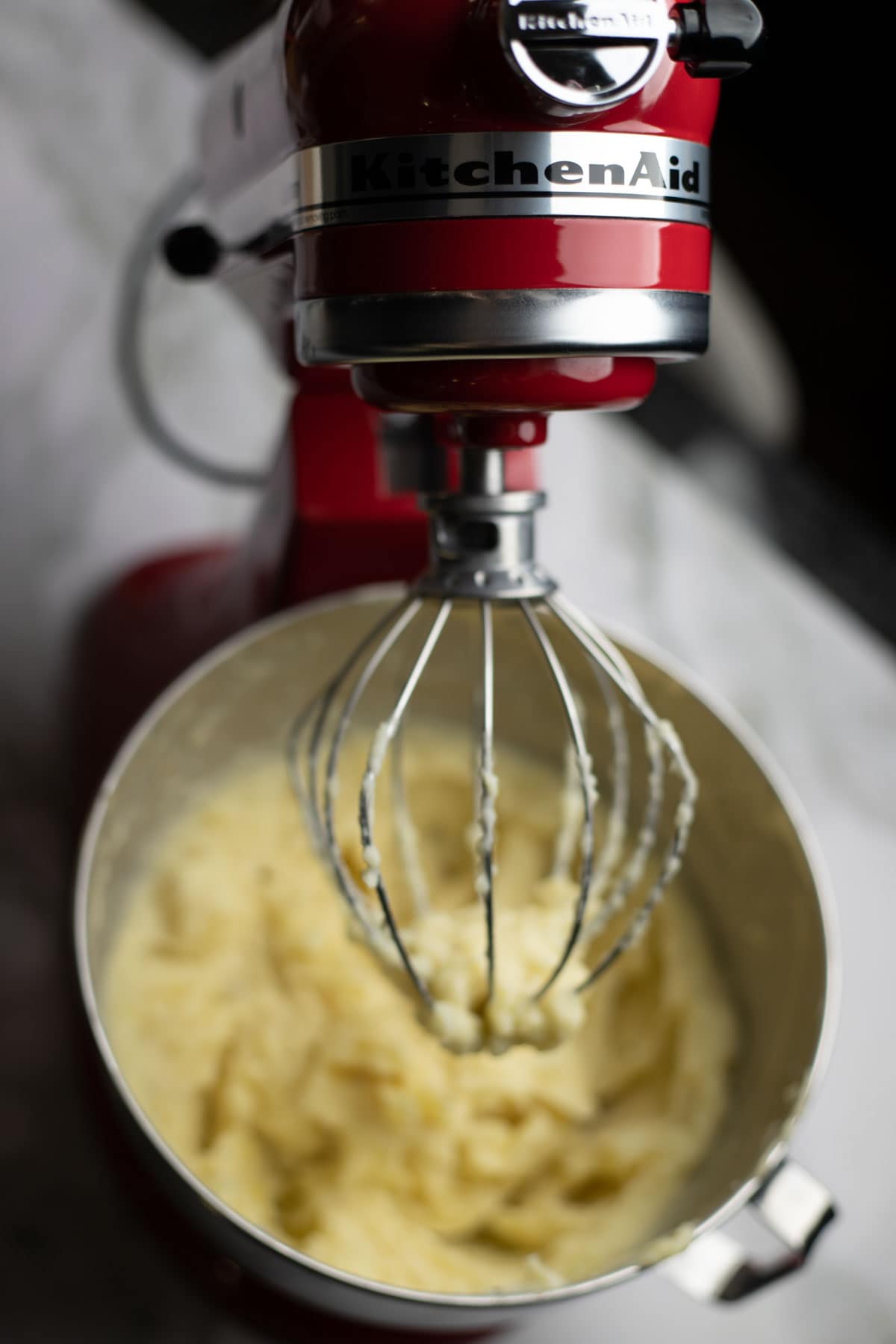
The paddle attachment is best for mashed potatoes. It mashes potatoes evenly without overworking the starch. Avoid the whisk or dough hook, which can make potatoes gummy or unevenly mashed. The paddle attachment ensures creamy, fluffy mashed potatoes every time.
How Long Does It Take To Mash Potatoes In A Stand Mixer?
It takes about 2 to 3 minutes to mash potatoes in a stand mixer. Start on low speed to break potatoes, then increase to medium for smoothness. Stop mixing once potatoes reach the desired creamy texture.
Conclusion
Mashed potatoes made in a stand mixer come out smooth and creamy. This method saves time and effort in the kitchen. You can easily add butter, milk, or spices while mixing. It works well for small or large batches. Everyone can enjoy soft, fluffy potatoes with little hassle.
Try this simple way to make your mashed potatoes better. Cooking becomes easier and more fun with the right tools. Give it a try and enjoy a tasty side dish.