Last Updated on October 11, 2026
When it comes to choosing the right cutting board, you might feel overwhelmed by the options. Have you ever wondered why some cutting boards last longer and keep your knives sharper?
The secret often lies in the type of wood grain—end grain or edge grain. Understanding the difference can save you money, protect your knives, and make your cooking experience smoother. You’ll discover which cutting board suits your kitchen needs best and why it matters more than you think.
Keep reading to make an informed choice that benefits your cooking every day.
Types Of Cutting Boards
Cutting boards come in various types, each with unique features. Choosing the right board affects cooking ease and knife care. Understanding different types helps pick the best one for your kitchen.
End Grain Boards
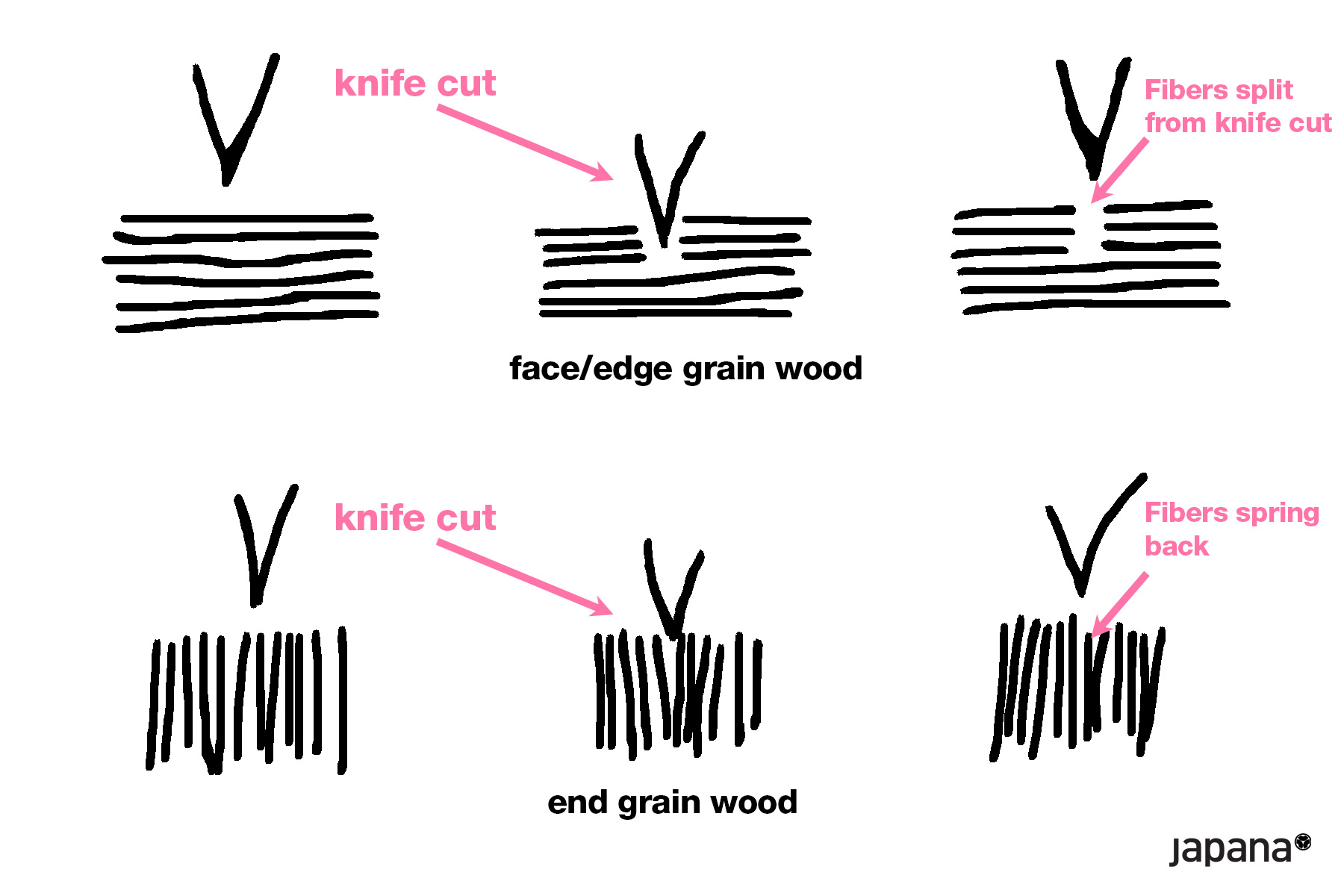
End grain boards show the wood fibers standing upright. This means the knife cuts between fibers, not across them. These boards protect knives and last longer.
They often look like a checkerboard because of wood pieces joined together. End grain boards are thicker and heavier. They absorb less damage from cutting.
Edge Grain Boards
Edge grain boards show the side of the wood fibers. The knife cuts across the fibers on these boards. This can dull knives faster than end grain boards.
Edge grain boards are usually thinner and lighter. They are easier to clean and less expensive. Many kitchens use these boards for everyday tasks.
Durability Factors
Durability plays a big role in choosing between end grain and edge grain cutting boards. Understanding what makes each type strong helps you pick the right one. Several factors affect how long a cutting board lasts and how well it holds up to daily use.
Wood Hardness
Wood hardness affects a board’s strength and its ability to resist dents. End grain boards use wood blocks with fibers standing up. This structure absorbs pressure better. Edge grain boards show wood fibers running lengthwise. They feel firmer but can dent easier. Harder woods like maple and walnut add to durability in both types.
Resistance To Knife Marks
End grain boards hide knife marks well. The wood fibers separate as the knife cuts and then close back. This keeps the surface smooth for longer. Edge grain boards show cuts more clearly because the blade slices across fibers. Knife marks appear faster and can cause rough spots.
Longevity
End grain boards last longer under heavy use. Their design handles chopping and slicing better without damage. Edge grain boards wear down faster. They need more care to avoid cracks and warping. Regular oiling helps keep both types strong, but end grain boards often stay in good shape longer.
Care And Maintenance
Proper care and maintenance keep your cutting board safe and long-lasting. Both end grain and edge grain boards need regular cleaning and oiling. Simple steps prevent cracks and stains. They also keep the wood healthy and fresh.
Cleaning Techniques
Clean your board after every use. Use warm water and mild soap. Avoid soaking the board in water. Wipe it dry with a clean towel. For tough stains, sprinkle salt and rub with lemon. This helps remove odors and bacteria. Never put wooden boards in the dishwasher.
Oiling And Conditioning
Apply food-safe mineral oil to your board once a month. Use a clean cloth to rub oil evenly. Let it soak overnight for best results. This keeps the wood from drying out. For extra care, use beeswax-based conditioner. It adds a protective layer and shine. Oiling prevents cracks and warping over time.
Avoiding Damage
Do not cut on the same spot every time. Rotate your board to spread wear. Avoid using very sharp or serrated knives. Keep board away from heat and direct sunlight. Never soak it or leave it wet for long. Small cracks can grow if ignored. Proper use protects the wood and your knives.
Credit: oishya.com
Performance And Usability
Choosing the right cutting board affects how well it works in your kitchen. Performance and usability help decide which board suits your daily tasks. End grain and edge grain cutting boards each offer different benefits. Understanding these helps pick the best one for your needs.
Knife Friendliness
End grain boards are gentle on knives. The wood fibers absorb the blade’s impact. This keeps knives sharper for longer. Edge grain boards are harder on knives. The blade hits the wood fibers directly. This can dull knives faster. For people who use knives daily, end grain is kinder.
Stability During Use
Edge grain boards tend to stay steady on counters. Their flat surface and weight help prevent slipping. End grain boards can be less stable if lightweight. Some end grain boards have rubber feet to improve grip. Stability matters to avoid accidents while cutting.
Weight And Portability
Edge grain boards are usually lighter and easier to move. They suit kitchens where space is tight. End grain boards are often heavier and thicker. They may feel bulky to carry around. Consider your kitchen space and how often you move the board.
Cost Comparison
Choosing between an end grain and an edge cutting board involves thinking about cost. Both types serve different needs and come with distinct price points. Understanding these costs helps you decide which board fits your kitchen and budget best.
Initial Investment
End grain cutting boards usually cost more upfront. The wood pieces are arranged in small blocks, which takes more work. This process makes the board thicker and stronger. Edge grain boards are simpler to make. They use long strips of wood glued side by side. This method costs less and takes less time.
Prices for end grain boards can be two to three times higher. Edge grain boards are often budget-friendly. For casual cooks, an edge grain board offers good value. Serious chefs might see the higher price of end grain as worth it.
Long-term Value
End grain boards last longer and resist knife marks better. They can handle heavy use without wearing out fast. This durability means fewer replacements over time. Edge grain boards may show scratches and cuts sooner. They might need replacing after some years.
Maintaining both boards adds to their cost. Oil and cleaning keep wood strong and safe. In the long run, end grain boards can save money due to their toughness. Edge grain boards cost less now but may add up with replacements.

Credit: www.sigsbeestreet.co
Choosing The Right Board
Choosing the right cutting board is key for every kitchen. The type of board affects how you cut, clean, and care for it. End grain and edge grain boards each have strengths. Understanding these helps pick the best fit for your needs.
Think about how you cook, your kitchen size, and what feels right in your hands. These points guide your choice and improve your cooking experience.
Based On Cooking Habits
If you chop vegetables often, an edge grain board works well. It is firm and easy to clean. For heavy chopping of meat or herbs, end grain boards protect knives better. They absorb cuts and stay smooth longer. Choose a board that matches how much and what you cook.
Kitchen Space Considerations
End grain boards are usually thicker and heavier. They need more storage space and are harder to move. Edge grain boards are lighter and thinner. They fit small kitchens and are easier to store. Think about your kitchen size and where you keep your board.
Personal Preferences
Feel matters when choosing a cutting board. End grain boards feel softer under the knife. Edge grain boards offer a firmer surface. Some prefer the look of one over the other. Consider your comfort and style when making a choice.

Credit: www.johnboos.com
Frequently Asked Questions
What Is The Difference Between End Grain And Edge Cutting Boards?
End grain boards show wood fibers vertically, making them self-healing and knife-friendly. Edge grain boards display horizontal wood fibers, are more affordable, and less resistant to cuts but easier to maintain.
Which Cutting Board Is Better For Knife Sharpness?
End grain cutting boards are better for maintaining knife sharpness. Their vertical wood fibers absorb cuts, reducing blade dulling. Edge grain boards wear knives down faster due to harder, less forgiving surfaces.
Are End Grain Cutting Boards More Durable Than Edge Grain?
Yes, end grain boards are generally more durable. They resist deep cuts and self-heal over time. Edge grain boards wear down faster and show knife marks more prominently.
How Do Maintenance Needs Differ Between End Grain And Edge Grain Boards?
End grain boards require regular oiling to prevent cracking and warping. Edge grain boards need less frequent oiling but should be cleaned and dried properly to avoid damage.
Conclusion
Choosing between end grain and edge cutting boards depends on your needs. End grain boards are gentle on knives and last longer. Edge grain boards are lighter and usually cost less. Both types offer unique benefits for your kitchen. Think about how often you cook and your budget.
A good cutting board makes cooking easier and safer. Pick the one that fits your style and use. Keep it clean and well cared for. Your kitchen will thank you.