
Last Updated on November 15, 2026
The 30-Second Answer: What is a whetstone? It’s a flat abrasive stone used to sharpen knives by grinding a fresh edge. The essentials:
- “Whet” means sharpen, not wet; though many whetstones are used with water.
- Types: water stones, oil stones, diamond plates and ceramic stones.
- Grit numbers: 200 to 600 repairs chips, 800 to 1500 sharpens dull knives, 3000 to 8000 polishes.
- Best starter: a 1000/6000 combination water stone.
- How to use: hold a steady angle (15 to 20 degrees), sweep the blade across until a burr forms, then repeat on the other side and finish on the fine grit.
A whetstone gives a sharper, longer-lasting edge than most pull-through sharpeners and removes less metal.
Research note: Types and grit ranges follow standard references on the sharpening stone and common manufacturer grit charts. Japanese and Western grit scales differ slightly.
Whetstones look old-fashioned next to electric sharpeners, but they’re still the tool chefs and knife makers rely on. They give you control over the angle and the finish, and they’re gentle on your knives.
This beginner’s guide explains what a whetstone is, the main types, what grit numbers mean, and how to use and care for one.
In this guide
Types of Whetstones
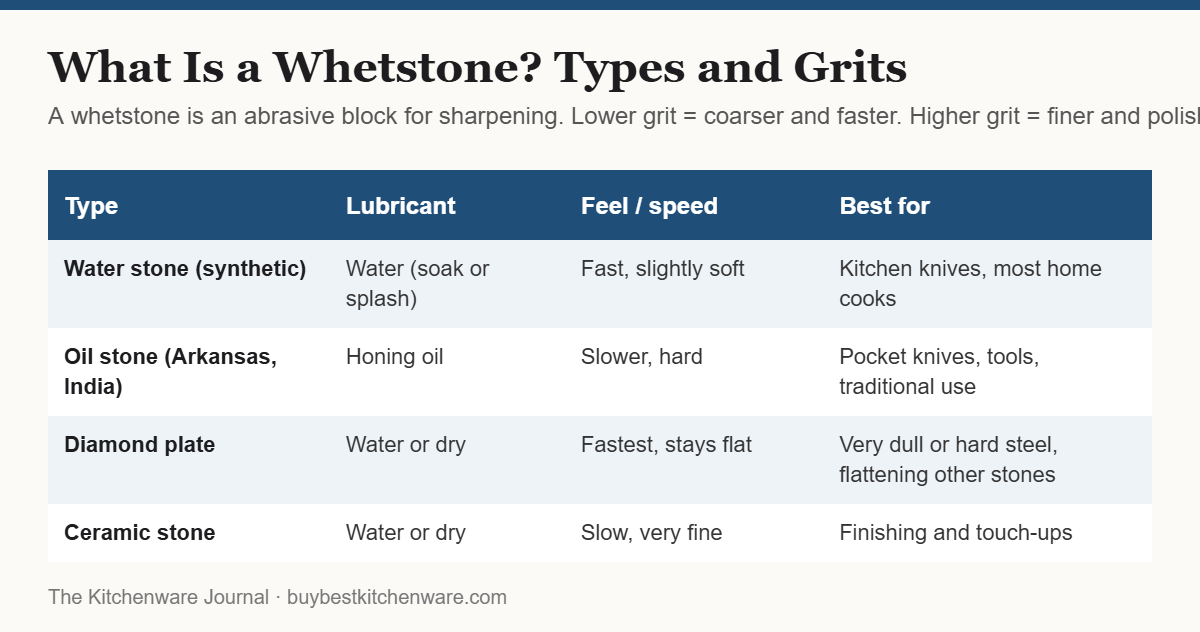
Water stones
The most popular type for kitchen knives. They cut quickly and create a slurry that helps polish the edge. Some need soaking for 10 to 15 minutes; “splash-and-go” stones just need water on the surface. They wear faster and need flattening now and then.
Oil stones
Natural Arkansas or synthetic India stones used with honing oil. They’re hard, slow and long-lasting, favored for pocket knives and tools. Once you use oil on a stone, keep using oil.
Diamond plates
Metal plates coated with industrial diamonds. They cut fastest, never dish out of flat, and handle very hard steels. They’re also used to flatten water stones. Our diamond plate vs stones guide compares them in depth.
Ceramic stones
Very hard and fine, used mostly for finishing and touch-ups. Slow on dull knives but great for refining an edge.
What Do Whetstone Grit Numbers Mean?
| Grit | Use |
|---|---|
| 120 to 400 | Repairing chips, reshaping a damaged edge |
| 600 to 1000 | Sharpening a dull knife (the workhorse range) |
| 1500 to 3000 | Refining the edge after sharpening |
| 4000 to 8000 | Polishing to a razor finish |
| 10000+ | Mirror polish, mostly for enthusiasts |
How to Use a Whetstone
- Soak or wet the stone as directed and place it on a non-slip base, coarse side up.
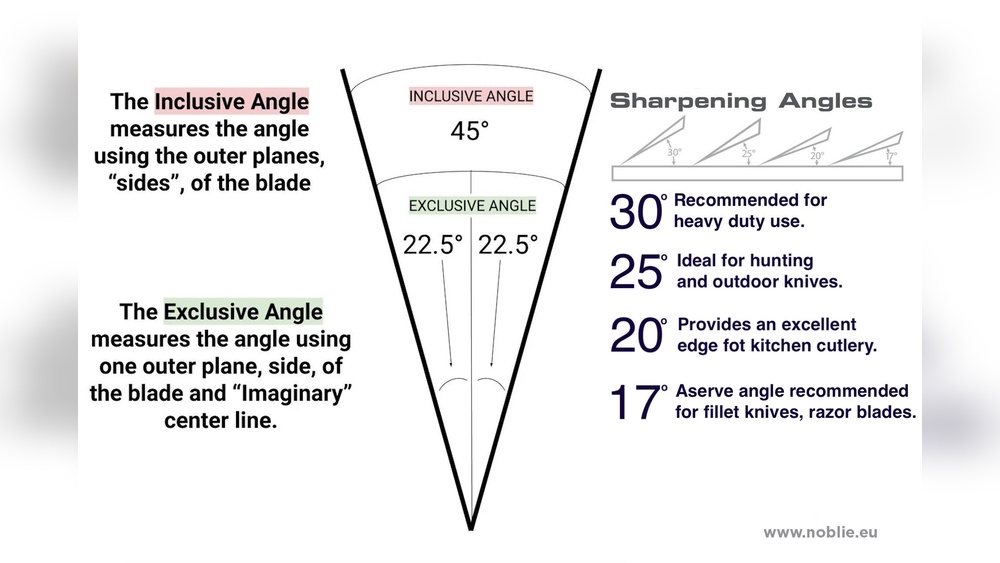
- Hold the knife at the right angle: about 15 to 16 degrees for Japanese knives, 18 to 20 for German.
- Push the edge across the stone in sweeping strokes from heel to tip, light-to-moderate pressure.
- Keep going until you feel a slight burr along the whole opposite side.
- Repeat on the other side.
- Switch to the fine grit and repeat with lighter pressure.
- Rinse and dry the knife; rinse the stone and let it air-dry.
For angles by knife type, see our knife sharpening angle guide, and for a specific brand, how to sharpen Shun knives.
Caring for a Whetstone
- Flatten water stones every few sessions with a flattening stone or diamond plate.
- Let stones dry completely before storing; never freeze a wet stone.
- Keep oil stones and water stones separate.
- Store in a box or on its base so it doesn’t chip.
Whetstones Worth Buying
A combination water stone covers most kitchens. The others fill specific needs.
1. Ryerum 1000/6000 Whetstone With Non-Slip Bases (best starter water stone)
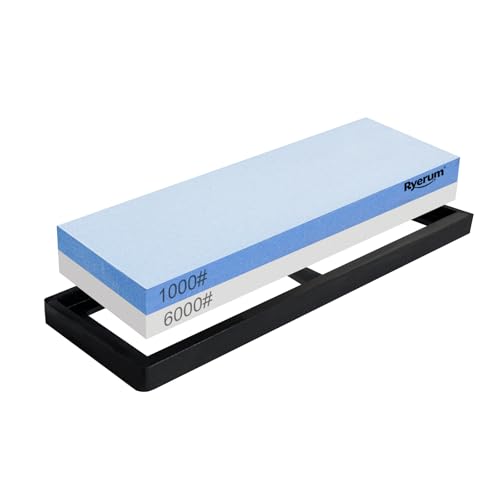
A dual-grit water stone with two non-slip bases.
Why We Like It
The classic beginner combo: 1000 to sharpen, 6000 to polish, with a stable base so the stone doesn’t slide.
Flaws to Know
- Needs flattening eventually
- Soak time before use
Buy it if: you’re buying your first whetstone. Skip it if: your knives are chipped; start coarser.
2. BABOSTOW 1000/6000 Stone With Angle Guide (beginner-friendly)
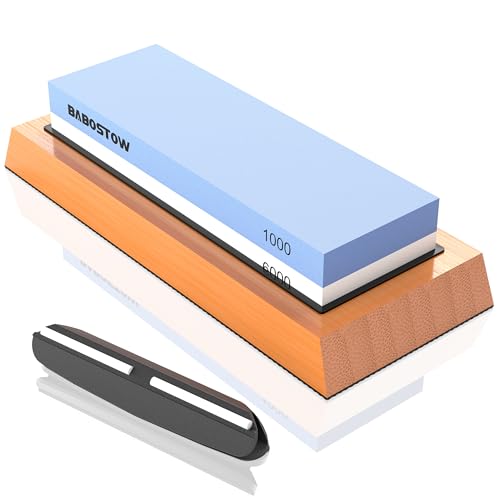
A 1000/6000 water stone with a base and angle guide.
Why We Like It
The angle guide helps you hold a consistent angle while you build muscle memory.
Flaws to Know
- Guide can scratch the blade face if misused
- Basic base
Buy it if: you want help holding the angle. Skip it if: you’re already confident freehand.
3. KEENBEST 400/1000 Whetstone (for very dull knives)

A coarse 400/1000 combination stone.
Why We Like It
400 grit reshapes dull or slightly chipped edges much faster than 1000 alone, then 1000 sharpens.
Flaws to Know
- No polishing grit
- Wears faster
Buy it if: your knives are badly neglected. Skip it if: your knives just need a refresh.
4. Gatco Arkansas Tri-Hone System (traditional oil stones)
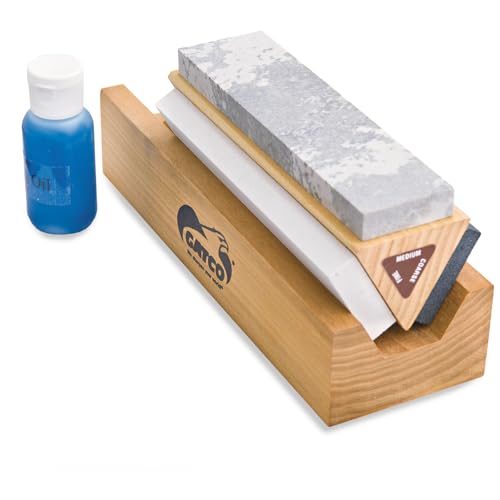
Three oil stones (coarse, medium, fine) on a rotating wood base.
Why We Like It
A traditional oil-stone setup that’s easy to rotate between grits, great for pocket knives and tools as well as kitchen blades.
Flaws to Know
- Slower than water stones
- Uses honing oil
Buy it if: you prefer oil stones. Skip it if: you only sharpen kitchen knives.
5. DMT Dia-Sharp Fine Diamond Bench Stone (stays flat forever)

A fine-grit diamond bench stone that’s used wet or dry.
Why We Like It
Diamond never dishes, cuts very hard steel, and doubles as a flattener for water stones.
Flaws to Know
- Pricier
- Can feel aggressive at first
Buy it if: you sharpen often or own hard steel. Skip it if: you sharpen once or twice a year.
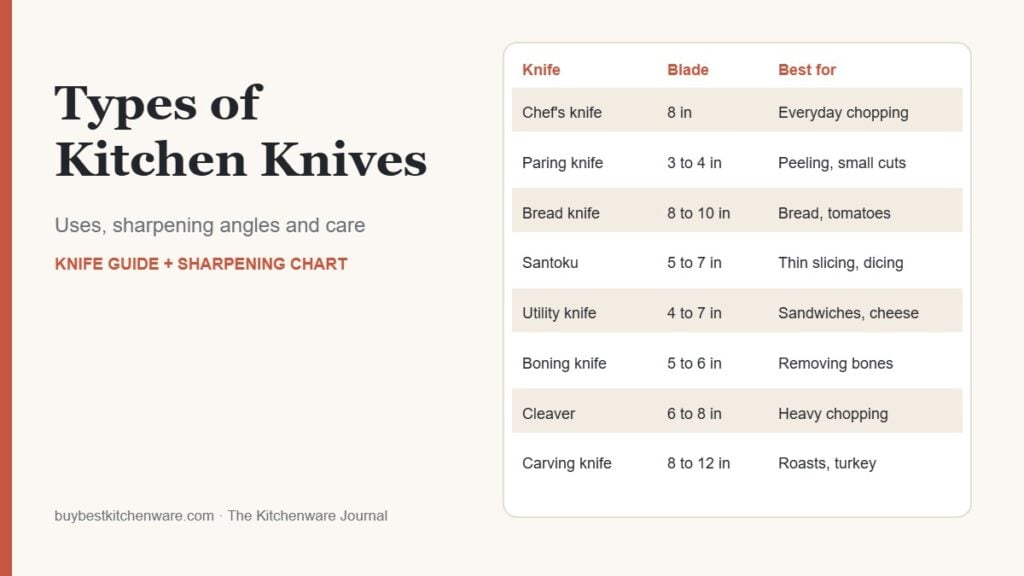
Not sure if you need a stone or a steel? See sharpening steel vs whetstone. And for more on knife types, read our guide to the types of kitchen knives.
Notes for the UK, Canada and EU
Whetstones are widely sold in the UK, EU and Canada. Japanese water stones use the JIS grit scale, while European and American stones may use FEPA or other scales, so a “1000” isn’t identical everywhere, but it’s close enough for home use. In the UK they’re often called sharpening stones or water stones.
Frequently Asked Questions
What is a whetstone used for?
Sharpening knives and tools by grinding a new edge.
Do you have to soak a whetstone?
Some water stones need 10 to 15 minutes of soaking; splash-and-go stones just need water on top. Diamond and ceramic stones need little or none.
What grit whetstone should I buy first?
A 1000/6000 combination stone.
Is a whetstone better than a pull-through sharpener?
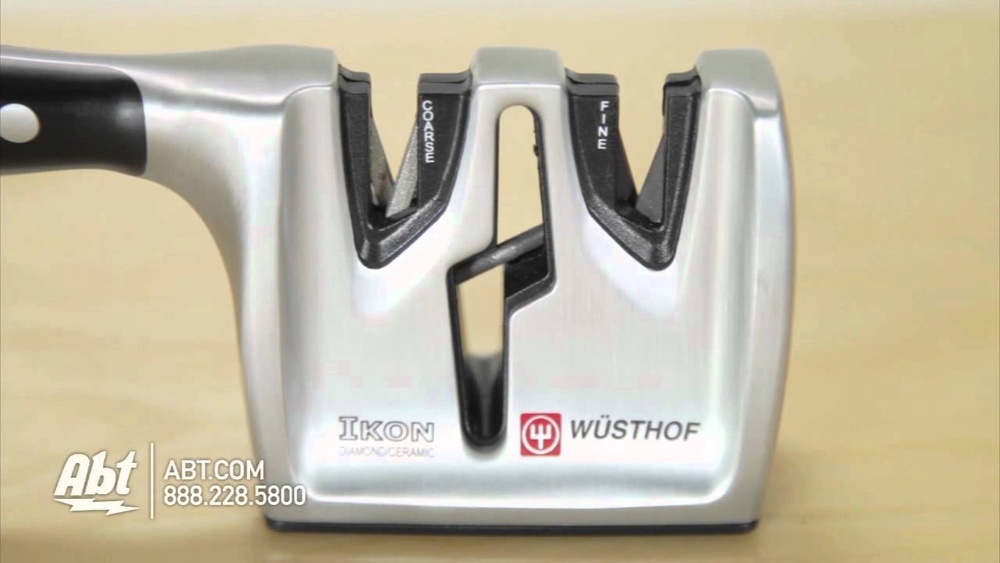
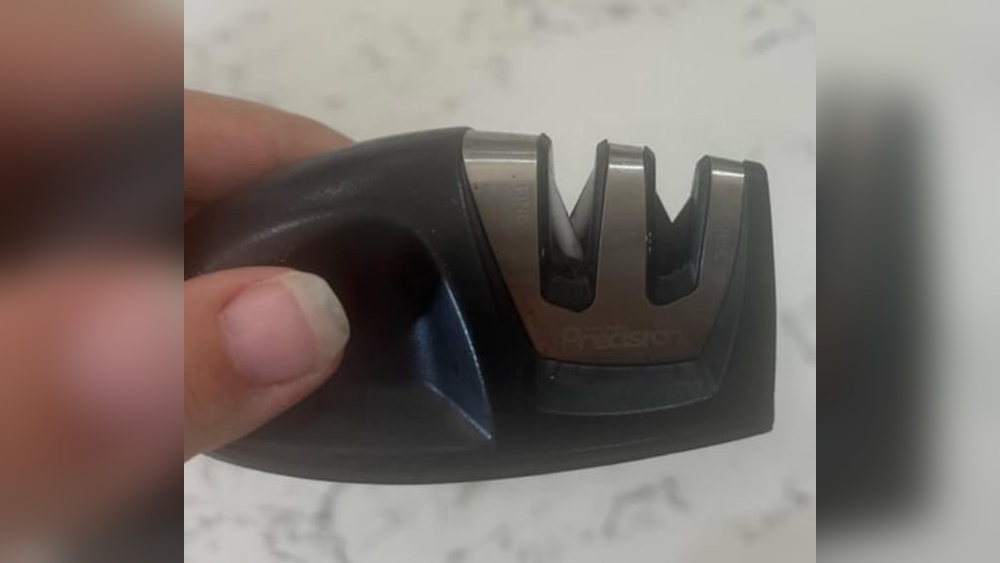
For edge quality and knife life, yes. Pull-throughs are faster but remove more metal.
How long does a whetstone last?
Years for home cooks, especially if you flatten it regularly.

Reviewed by Samantha Hickel, Kitchenware Reviewer & Cookware Expert. Samantha has cooked for more than ten years, has reviewed kitchenware for The Kitchenware Journal since 2022, and covers stock pots, saucepans, canning, cake and bread pans, cutting boards and everyday kitchen tools. Our lab tests kitchenware, cutting boards and serving pieces for capacity, durability, stain resistance and ease of care. How we test.
Related guides: Large sharpening stones · How to sharpen a blunt knife · Coarse vs fine sharpener · How to sharpen a Miyabi knife