Last Updated on July 26, 2026
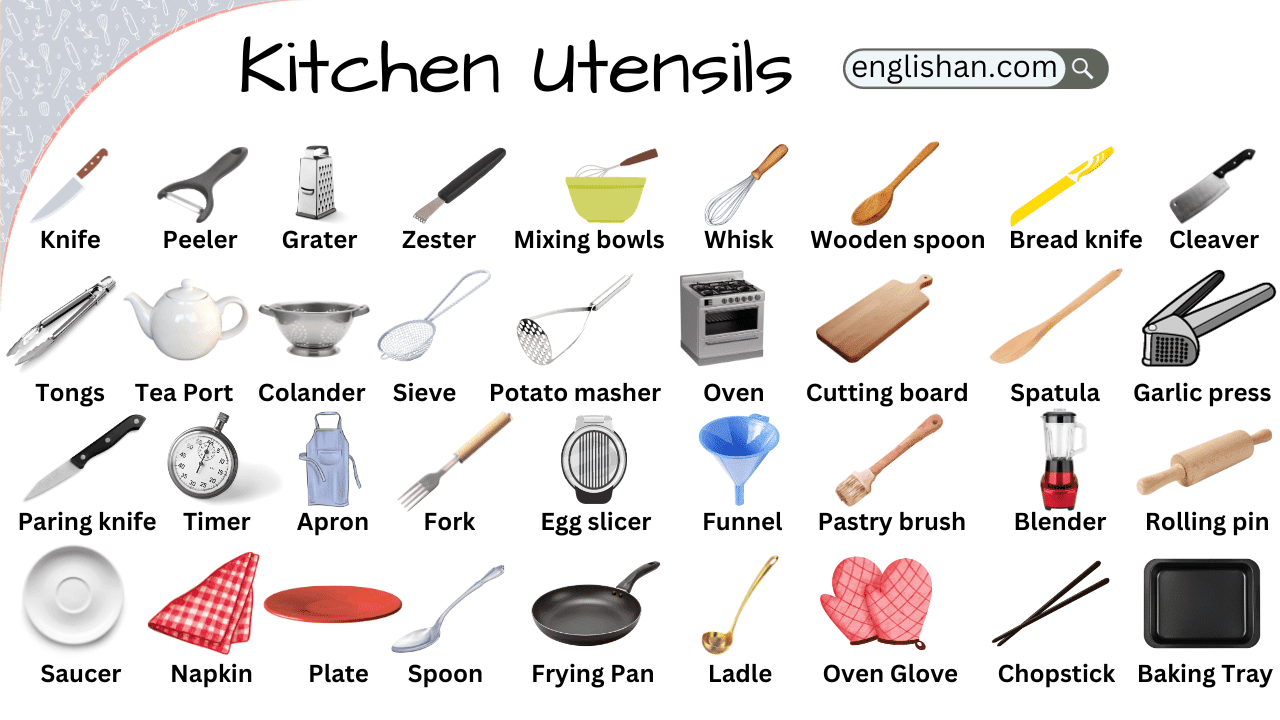
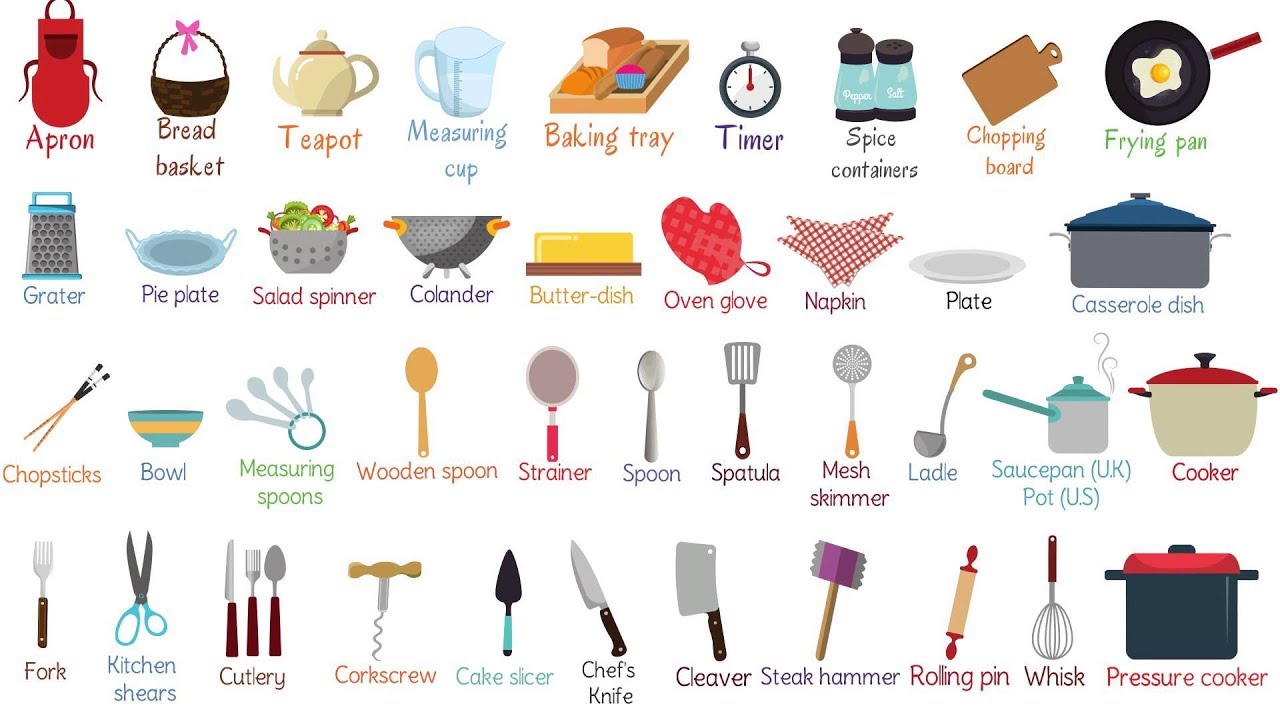
Have you ever found yourself standing in the kitchen, unsure which tool to grab for the perfect meal? Knowing the right cooking utensils names can make your time cooking easier and more enjoyable.
Whether you’re a beginner or just want to sharpen your skills, understanding these tools helps you work faster and get better results. You’ll discover the essential utensils every kitchen needs and how each one can transform your cooking experience. Ready to become more confident and efficient in the kitchen?
Let’s dive in!
Credit: englishan.com
Basic Utensils
Basic utensils are the foundation of any kitchen. These tools help you prepare food safely and efficiently. Knowing their names and uses makes cooking easier and more fun.
Start with simple utensils you use every day. They save time and make tasks smooth. Here are some essential basic utensils you need.
Knives And Their Uses
Knives come in many types. Each knife has a special job. A chef’s knife cuts vegetables and meat. A paring knife peels fruits and small items. A serrated knife slices bread without crushing it. Using the right knife makes cutting safer and faster.
Cutting Boards
Cutting boards protect your counters and knives. They come in wood, plastic, or bamboo. Use different boards for meat and vegetables. This stops germs from mixing. Clean boards well after each use. A stable cutting board helps prevent accidents.
Measuring Cups And Spoons
Measuring cups and spoons give exact amounts. They make recipes turn out right. Cups measure liquids and dry ingredients. Spoons measure small amounts like spices. Use the right size to avoid mistakes. Accurate measuring improves cooking results.
Mixing And Preparing Tools
Mixing and preparing tools are essential in every kitchen. They help combine ingredients and prepare food quickly. These tools make cooking easier and more enjoyable. Each tool has a special use, helping you create delicious dishes.
Mixing Bowls
Mixing bowls come in many sizes and materials. Common types include glass, stainless steel, and plastic. They hold ingredients for mixing, beating, or tossing. Large bowls are great for salads or dough. Smaller ones work well for sauces and dressings. Choose bowls that are sturdy and easy to clean.
Whisks And Spatulas
Whisks help blend liquids and beat eggs smoothly. They add air to mixtures, making them light and fluffy. Spatulas are flexible tools used for stirring and scraping. Silicone spatulas resist heat and won’t scratch pans. Use whisks and spatulas for mixing batters or folding ingredients.
Peelers And Graters
Peelers remove skin from fruits and vegetables quickly. They help prepare ingredients without wasting food. Graters shred foods like cheese, vegetables, and zest. Different grater sizes create fine or coarse shreds. Both tools save time and make food preparation neat.
Cooking And Heating Equipment
Cooking and heating equipment are essential tools in every kitchen. They help prepare food by applying heat safely and evenly. These tools come in many shapes and sizes, each designed for specific cooking tasks. Understanding their names and uses makes cooking easier and more fun.
Pots And Pans
Pots and pans are basic cooking utensils for heating food. Pots are deep and used for boiling or making soups. Pans are shallow and perfect for frying or sautéing. Both come in different materials like stainless steel and non-stick. Choosing the right pot or pan depends on the dish you want to cook.
Saucepans And Skillets
Saucepans have tall sides and a lid. They are great for sauces, boiling, and simmering. Skillets are flat with low sides. They are ideal for frying, searing, and browning foods. Both types often have long handles for easy use over the stove.
Pressure Cookers And Steamers
Pressure cookers cook food quickly under high pressure. They save time and keep nutrients in food. Steamers use steam to cook vegetables and fish gently. They help keep food moist and healthy. Both tools are handy for fast and nutritious meals.
Baking Essentials
Baking requires specific tools to create tasty treats. These tools help measure, shape, and bake ingredients perfectly. Knowing the names and uses of basic baking utensils makes baking easier and more fun.
Baking Trays And Sheets
Baking trays and sheets hold dough and batter while baking. They come in different sizes and materials. Non-stick trays prevent food from sticking. Use baking sheets for cookies, biscuits, and roasting vegetables. Baking trays work well for cakes and bread. Both are essential for even cooking and easy cleanup.
Rolling Pins
Rolling pins help flatten dough evenly. They come in wood, silicone, or metal. A smooth surface is best for pastries and cookies. Rolling pins control thickness and shape. They make dough easier to handle and cut. Every baker needs a sturdy rolling pin.
Measuring Scales
Measuring scales give precise ingredient amounts. Accuracy is key in baking recipes. Scales measure grams or ounces. They reduce errors from using cups or spoons. Digital scales are easy to read and use. A good scale ensures consistent results every time.
Serving And Presentation Tools
Serving and presentation tools make food look and taste better. They help move food from pot to plate with style and ease. These tools also keep servings neat and clean. Using the right tools makes meals more enjoyable and inviting.
Tongs And Ladles
Tongs grip and lift food without breaking it. They are perfect for salads, grilled items, and bread. Ladles pour soups, stews, and sauces smoothly. They come in different sizes for small or large servings. Both tools help serve hot food safely.
Serving Spoons And Forks
Serving spoons scoop and share dishes like rice, vegetables, and casseroles. Serving forks pick up meats and larger foods with ease. These tools often match the dining set for a neat look. They make self-serving simple and clean at the table.
Plating Accessories
Plating accessories include squeeze bottles, brushes, and tweezers. They add decoration and detail to dishes. Chefs use them to place sauces or small garnishes. These tools improve the meal’s visual appeal and dining experience.
Specialty Utensils
Specialty utensils help with specific cooking tasks. These tools make food preparation easier and faster. They bring precision and efficiency to the kitchen. Each utensil has a unique role. Knowing their names helps you cook better.
Mandolins And Slicers
Mandolins cut vegetables into thin, even slices. They save time and effort. You can adjust the thickness for different dishes. Slicers work similarly but focus on slicing bread or meats. Both tools give consistent results. Safe use is important to avoid cuts.
Thermometers
Thermometers check the temperature of food. They ensure meat is cooked safely. Some types measure oven heat or candy stages too. Using a thermometer prevents undercooked or overcooked meals. It helps maintain food quality and safety.
Food Processors And Blenders
Food processors chop, slice, and mix ingredients quickly. They handle tough tasks like kneading dough or shredding cheese. Blenders turn fruits and vegetables into smooth liquids. Both appliances save time and effort. They suit many cooking styles and recipes.
Care And Maintenance Tips
Proper care and maintenance keep your cooking utensils in top shape. Clean utensils perform better and last longer. Simple steps prevent damage and improve safety. Follow these tips to protect your tools and save money.
Cleaning Techniques
Wash utensils soon after use to avoid stains. Use warm water and mild soap for most items. Avoid harsh chemicals that can damage surfaces. For tough food, soak utensils before scrubbing gently. Wooden utensils need hand washing and quick drying. Dishwashers can harm some materials, so check labels.
Storage Solutions
Store utensils in a dry place to stop rust and mold. Use containers or holders to keep them organized. Avoid piling heavy items on delicate ones. Hanging utensils saves space and prevents bending. Separate sharp tools from others to avoid accidents. Clean and dry utensils fully before storing.
Sharpening And Repair
Keep knives sharp for safer and easier cutting. Use a sharpening stone or professional service regularly. Check handles and joints for cracks or looseness. Repair or replace damaged utensils to avoid injury. Tighten screws or glue loose parts carefully. Proper maintenance extends utensil life and improves cooking.
Credit: www.youtube.com

Credit: 7esl.com
Frequently Asked Questions
What Are The Essential Cooking Utensils Names?
Essential cooking utensils include spatula, whisk, ladle, tongs, peeler, and measuring cups. These tools aid in food preparation and cooking efficiency.
How To Choose The Right Cooking Utensils?
Choose utensils based on material, durability, and cooking type. Opt for heat-resistant, non-stick safe, and easy-to-clean tools for best results.
Which Utensils Are Best For Non-stick Cookware?
Silicone, wooden, or plastic utensils are best for non-stick cookware. They prevent scratching and extend the life of your pans.
Why Are Measuring Utensils Important In Cooking?
Measuring utensils ensure accurate ingredient quantities. This accuracy helps maintain recipe consistency and improves cooking outcomes every time.
Conclusion
Knowing the names of cooking utensils helps in every kitchen task. It makes cooking easier and more fun. You can follow recipes better and use the right tools. This knowledge saves time and avoids mistakes. Keep exploring and learning about utensils.
It improves your cooking skills step by step. A simple tool can make a big difference. Keep practicing and enjoy your time in the kitchen.