Last Updated on August 3, 2026
Have you ever stopped to think about how often you switch your kitchen sponge? If not, you’re not alone.
Your kitchen sponge works hard every day, cleaning up messes and scrubbing away germs. But if you keep using the same sponge for too long, it can become a breeding ground for bacteria—putting your health at risk without you even realizing it.
You’ll discover the simple truth about how often you should replace your kitchen sponge to keep your kitchen clean and your family safe. Keep reading—you’ll be surprised at how a small change can make a big difference.
:max_bytes(150000):strip_icc()/how-often-to-clean-sponges-4x3-1930305284-6dc079c934494e2585f507bf30279767.jpg)
Credit: www.allrecipes.com
Kitchen Sponge Lifespan
The lifespan of a kitchen sponge is shorter than many expect. These small tools face constant moisture, food particles, and bacteria. They can become a breeding ground for germs fast. Knowing how long to use a sponge helps keep your kitchen clean and safe.
Sponges do not last forever. Even with care, they wear out and lose effectiveness. Replacing them regularly avoids bad smells and potential health risks. Understanding the signs and factors that affect their durability guides proper sponge use.
Signs It’s Time To Replace
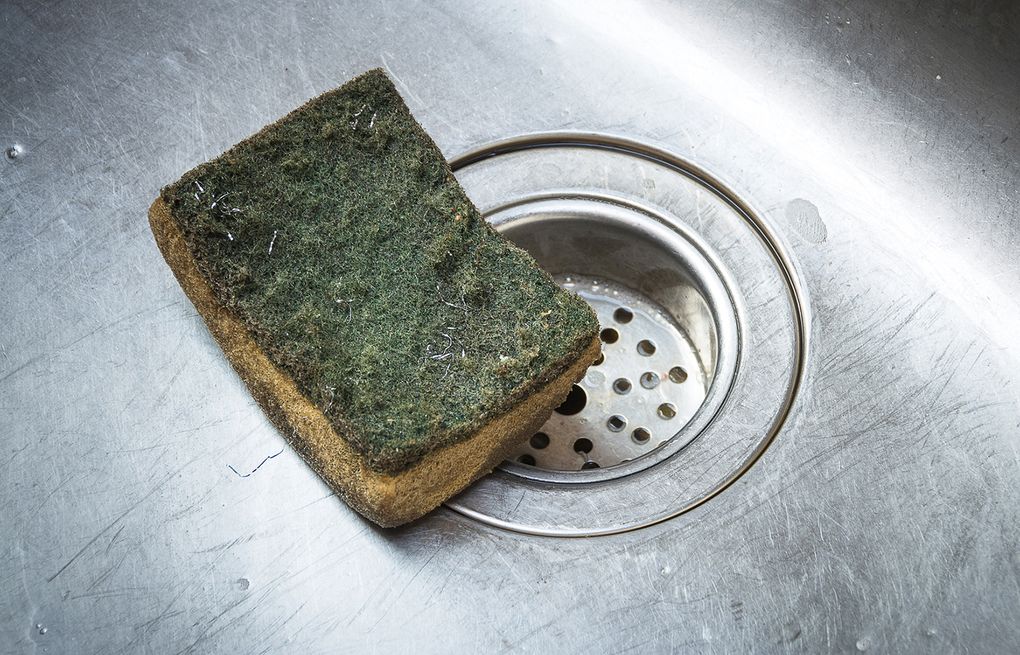
Sponges that smell bad need a change immediately. Visible mold or dark spots are clear warning signs. When the sponge falls apart or tears easily, it is too old. If it no longer cleans well or feels slimy, replace it.
Factors Affecting Durability
Frequency of use impacts how fast a sponge wears out. Constant wetness helps bacteria grow and damages the sponge. Cleaning the sponge after use can extend life but not forever. Different materials last longer; synthetic sponges often outlast natural ones.

Credit: www.reddit.com
Health Risks Of Old Sponges
Old kitchen sponges can cause serious health problems. They often carry germs that spread quickly. Using a dirty sponge increases the risk of illness.
Sponges stay wet and warm, perfect for bacteria to grow fast. This makes your kitchen less safe over time.
Bacteria Growth
Kitchen sponges are full of tiny holes. These holes trap food particles and moisture. Bacteria love this environment and multiply quickly. Some bacteria found in sponges can cause stomach upset and infections. Regularly changing sponges stops harmful bacteria from building up.
Cross-contamination Dangers
Old sponges can spread germs from one surface to another. When you clean raw meat juices, bacteria spread to other dishes. This cross-contamination can cause food poisoning. Using fresh sponges reduces the chance of spreading dangerous germs in your kitchen.
Cleaning And Sanitizing Sponges
Keeping kitchen sponges clean is important for a healthy home. Sponges often hold dirt and germs after use. Cleaning and sanitizing sponges helps reduce bacteria and keep your kitchen safe. Regular care can extend a sponge’s life and keep it fresh. Let’s explore how to clean and sanitize sponges effectively.
Effective Cleaning Methods
Rinse your sponge well after each use. Remove food particles and soap. Squeeze out excess water to stop bacteria growth. Soak the sponge in a mixture of warm water and vinegar. This helps kill many germs. Microwaving a wet sponge for one minute also works. Make sure the sponge is wet to avoid fire risk. Use dishwasher cycles with heat to clean sponges. These methods reduce bacteria but don’t remove all germs.
Limitations Of Sanitizing
Sanitizing lowers bacteria but does not make sponges germ-free. Tiny cracks in sponges hide germs that survive cleaning. Over time, sponges break down and become breeding grounds for bacteria. Some bacteria resist heat and chemicals used in sanitizing. Frequent sanitizing can wear out sponges faster. Replace kitchen sponges every one to two weeks for best safety. Clean sponges help keep your kitchen healthy, but regular replacement is key.
Credit: www.seattletimes.com
Choosing The Right Sponge
Choosing the right kitchen sponge is key for keeping your dishes clean and safe. A good sponge helps remove food and grease without scratching your pots or plates. It also lasts longer and stays fresher, which means fewer germs in your kitchen. Picking the right sponge depends on the material and what you use it for most.
Some sponges work better for scrubbing tough stains. Others are softer and better for delicate surfaces. Understanding your options helps you find the best fit for your kitchen tasks.
Material Options
Kitchen sponges come in different materials. The most common is cellulose, made from wood fibers. It absorbs water well and feels soft on dishes. Another option is synthetic sponges, made from plastic. They are good for scrubbing but can wear out faster.
Some sponges have a scrubbing side with rough material. This helps remove stuck-on food. Natural sponges, made from sea sponge, are gentle but cost more. Choose a material based on how often you cook and clean.
Sponges Vs. Alternatives
Sponges are popular but not the only choice. Dishcloths and scrub brushes can also clean dishes well. Cloths dry faster and can be washed in the laundry. Brushes last longer and avoid holding water.
Some people use silicone scrubbers, which do not trap bacteria. They are easy to rinse and dry. Each alternative has pros and cons. Think about cleaning style and hygiene when choosing.
Best Practices For Sponge Use
Using your kitchen sponge the right way helps keep your kitchen clean and safe. Sponges can hold a lot of germs if not cared for properly. Following best practices can extend the life of your sponge and reduce bacteria growth.
Small habits make a big difference. Proper drying and daily cleaning can keep your sponge fresh longer.
Drying And Storage Tips
Always rinse your sponge well after use to remove food particles. Squeeze out all the water to keep it as dry as possible. Store the sponge in a place with good air circulation. Avoid leaving it in a wet sink or closed container. A dry sponge slows down bacteria growth and smells better.
Daily Maintenance Habits
Rinse your sponge with hot water every day. Wring it out completely before storing. Use a small amount of dish soap to clean it daily. Some people microwave damp sponges for one minute to kill germs. Replace your sponge regularly, even with good care. Daily cleaning helps stop bacteria from building up.
Frequently Asked Questions
How Often Should I Replace My Kitchen Sponge?
Replace your kitchen sponge every 1 to 2 weeks. Frequent changing prevents bacteria buildup and keeps your kitchen hygienic. Sponges can harbor germs that cause illness. Regular replacement ensures effective cleaning and reduces contamination risks.
Can I Sanitize My Kitchen Sponge Instead Of Replacing?
Yes, you can sanitize sponges using microwave or dishwasher methods. However, sanitizing does not kill all bacteria. Regular replacement is still recommended to maintain kitchen hygiene and avoid health risks.
What Are The Signs My Kitchen Sponge Needs Replacement?
Replace your sponge if it smells bad, looks worn, or feels slimy. These signs indicate bacterial growth and reduced cleaning effectiveness. Timely replacement keeps your kitchen safe and your dishes clean.
Does Sponge Material Affect How Often I Should Switch It?
Yes, natural sponges may last longer but still need regular replacement. Synthetic sponges can harbor more bacteria and require frequent changing. Always follow manufacturer guidelines and replace sponges regularly for best hygiene.
Conclusion
Kitchen sponges can hold many germs. Changing them often keeps your kitchen clean. A good rule is to switch every one to two weeks. If the sponge smells bad or looks worn, replace it right away. Regular changing stops bacteria from growing.
Clean sponges help protect your family’s health. Small steps make a big difference in hygiene. Keep your kitchen fresh and safe by swapping sponges regularly. Simple habits like this make cleaning easier and more effective. Don’t wait until it’s too late—change your sponge often.