Last Updated on February 21, 2026
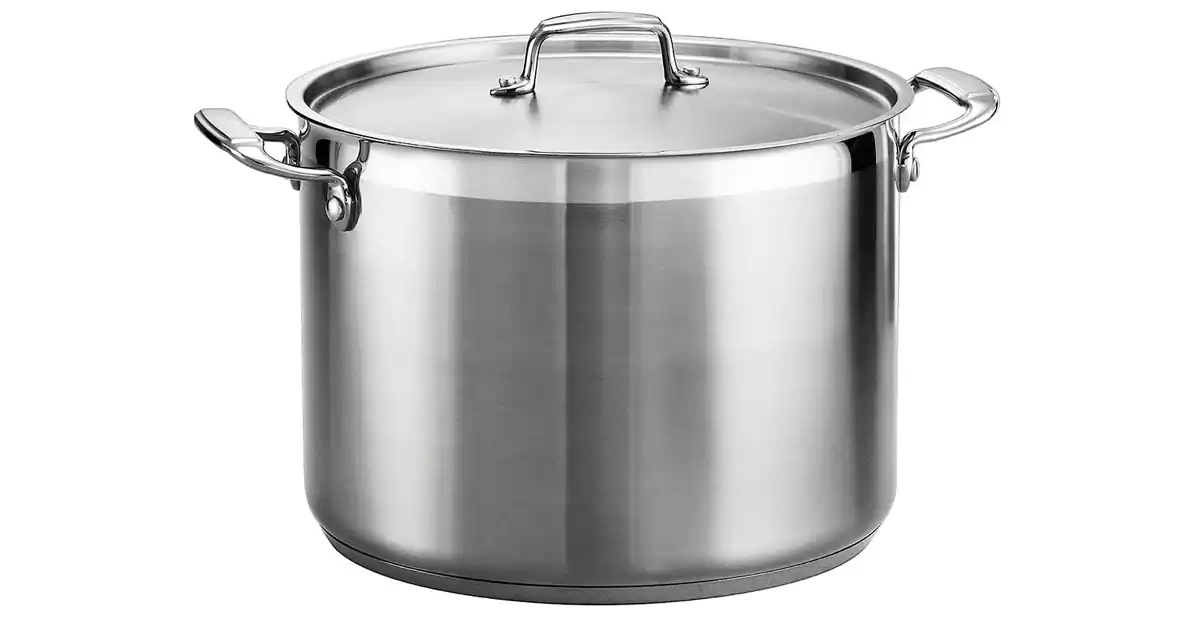
A stockpot is a large, deep pot that makes stocks, soups, and stews. It usually has a tight-fitting lid.
Stockpots are essential for any kitchen, offering versatility and efficiency. Their large capacity makes them perfect for simmering broths, boiling pasta, and cooking large quantities of food. Made from durable materials like stainless steel or aluminum, stock pots ensure even heat distribution.
Stockpots often feature thick bottoms to prevent scorching. Many stockpots have convenient features such as measurement markings and handles for easy maneuvering. Chefs and home cooks alike rely on stockpots to handle various cooking tasks. Investing in a high-quality kitchen tool like this can significantly enhance your culinary experience, making meal preparation more accessible and enjoyable.
Table of Contents
Credit: www.seriouseats.com
Introduction To Stockpot Cooking
Stockpot cooking simplifies meal preparation. It combines ingredients in one pot, saving time and reducing cleanup. A suitable stockpot can be used to cook various dishes, from soups to stews and pasta.
Benefits Of One-pot Meals
One-pot meals offer numerous benefits:
- Less Cleanup: Only one pot to wash.
- Time-Saving: Combine all ingredients in a single step.
- Healthy Eating: Control portions and ingredients quickly.
- Flavorful Dishes: Ingredients blend well together.
These benefits make stockpot cooking appealing. It’s perfect for busy families and individuals.
Essential Stockpot Features
A good stock pot has essential features:
| Feature | Description |
|---|---|
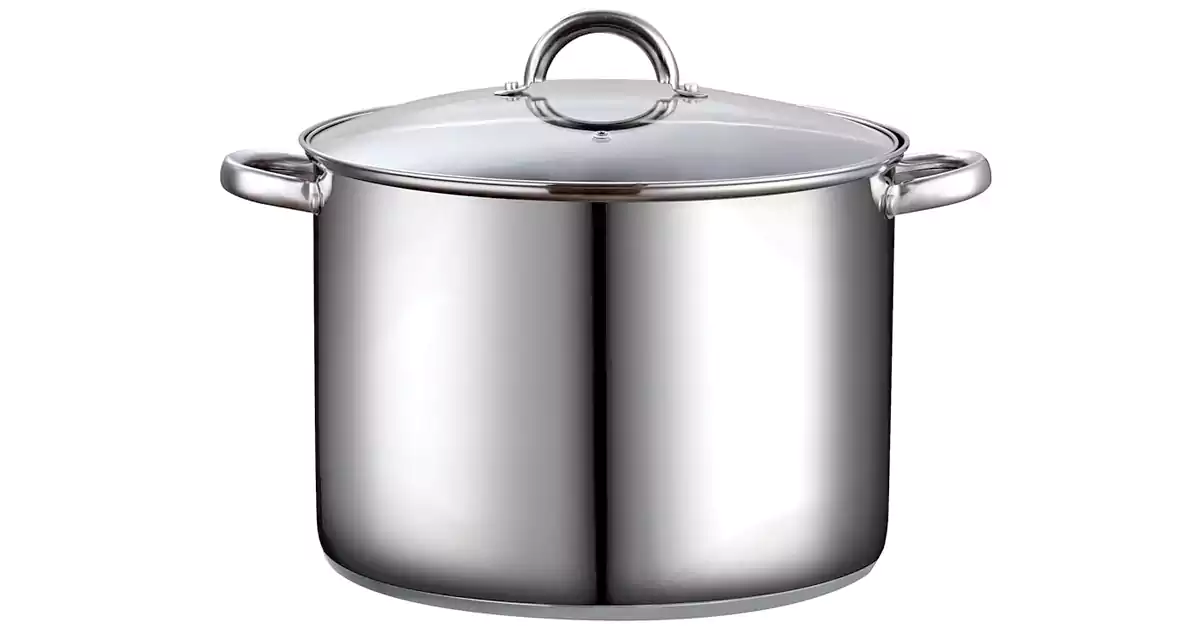
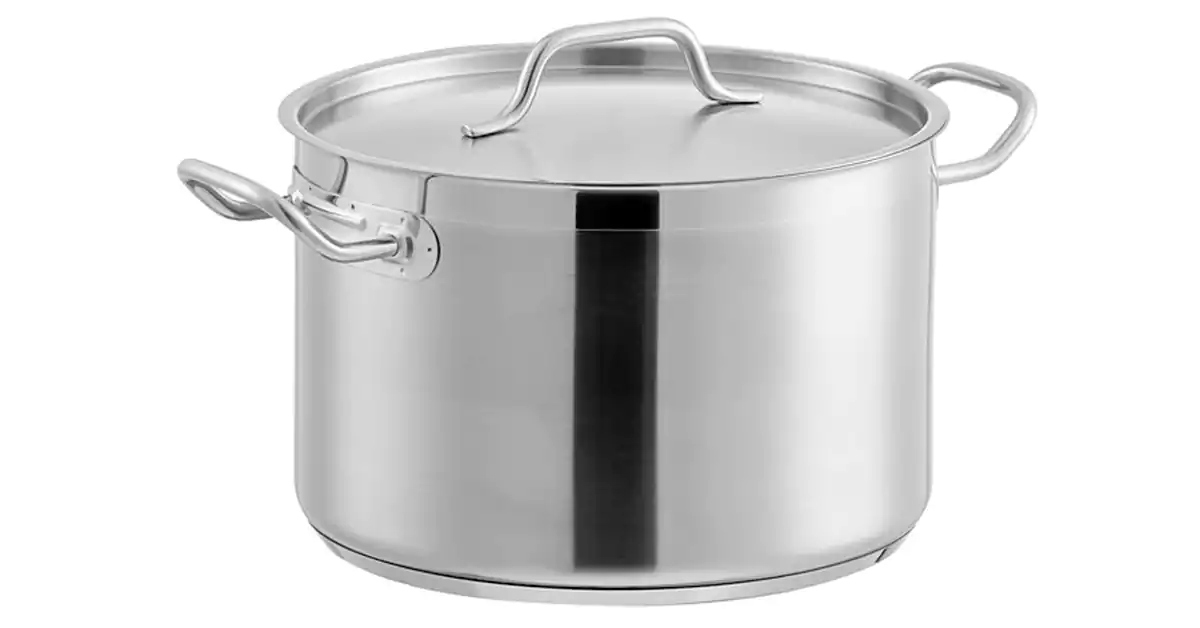
| Material | Stainless steel or aluminum for durability and heat distribution. |
| Size | Choose based on your cooking needs, typically 6 to 12 quarts. |
| Handles | Sturdy and heat-resistant for safe handling. |
| Lid | Fit snugly to trap heat and moisture. |
These features ensure your stockpot performs well. They help you cook delicious meals efficiently.
Choosing The Right Ingredients
Choosing the right ingredients is crucial for making a delicious stockpot. The quality of your ingredients directly impacts your dish’s flavor and nutritional value. Whether making a vegetable broth or a hearty meat stew, selecting the best ingredients will make all the difference.
Fresh Vs. Frozen
Fresh ingredients often pack the best flavor and nutrients. They are usually more vibrant and can enhance the taste of your stockpot. Fresh vegetables, herbs, and meats are ideal for a rich and flavorful broth.
Frozen ingredients can also be a good choice. They are convenient and often more affordable. Frozen vegetables retain many nutrients and can be a great option, especially when fresh produce is unavailable.
| Fresh Ingredients | Frozen Ingredients |
|---|---|
| More vibrant flavors | Convenient and affordable |
| High nutritional value | Retains many nutrients |
| Better texture | Available year-round |
Seasonal Produce
Using seasonal produce can elevate your stockpot to another level. Seasonal vegetables and fruits are at their peak in flavor and nutrition. They are also often more affordable and environmentally friendly.
- Spring: Asparagus, peas, radishes
- Summer: Tomatoes, bell peppers, zucchini
- Fall: Pumpkins, squash, sweet potatoes
- Winter: Kale, Brussels sprouts, root vegetables
Incorporating seasonal produce ensures that your stockpot is both delicious and sustainable. It is also a great way to support local farmers and reduce your carbon footprint.
Focusing on fresh and seasonal ingredients can create a nutritious, flavorful stockpot.
Basic Techniques
The basic techniques of using a stockpot are essential for any cook. These techniques help you create delicious soups, stews, and broths. Let’s explore some of the fundamental methods.
Sauteing And Browning
Sauteing and browning are critical steps in adding flavor. Start by heating some oil in the stockpot. Add ingredients, such as onions, garlic, or meat, and cook until brown and fragrant.
This step brings out deep flavors. Make sure not to burn your ingredients. Stir frequently to avoid sticking. Browning also helps in creating a rich base for your soup or stew.
Simmering And Boiling
Simmering and boiling are crucial for cooking your ingredients thoroughly. After browning, add water or broth to the stockpot. Bring the liquid to a boil, then reduce the heat to a simmer.
Simmering allows the flavors to meld together and tenderizes meat and vegetables. Boiling, on the other hand, cooks ingredients faster but can make them mushy.
| Technique | Description |
|---|---|
| Sauteing | Cooking ingredients in a small amount of oil until browned. |
| Browning | Creating a brown crust on ingredients for added flavor. |
| Simmering | Cooking at a low temperature to meld flavors. |
| Boiling | Cooking at a high temperature for a faster result. |
- Sauteing adds flavor by browning ingredients.
- Simmering helps in melding flavors and tenderizing ingredients.
- Boiling cooks food faster but can make it mushy.
- Heat oil in the stockpot.
- Add and brown ingredients.
- Add liquid and bring to a boil.
- Reduce heat to a simmer.
Mastering these techniques will make your dishes flavorful and rich. Use these methods to elevate your cooking skills.
Credit: www.amazon.com
Classic Stockpot Recipes
The classic stock pot is a kitchen staple. It creates delicious meals, from hearty soups to flavorful stews.
Hearty Soups
Hearty soups warm the soul. These recipes use simple ingredients. They are perfect for any season.
- Chicken Noodle Soup: Combine chicken, noodles, and vegetables. Boil until tender.
- Tomato Basil Soup: Blend tomatoes, basil, and cream. Simmer in the stockpot.
- Beef Barley Soup: Cook beef, barley, and carrots. Let it simmer for hours.
Flavorful Stews
Flavorful stews are rich and satisfying. They often simmer for hours. This brings out deep flavors.
- Beef Stew: Brown beef, then add potatoes, carrots, and broth. Let it cook slowly.
- Vegetable Stew: Mix various vegetables with stock. Simmer until everything is tender.
- Lamb Stew: Sear lamb pieces and add root vegetables. Cook in a stockpot for hours.
Global Inspirations
Stockpots are versatile. They help you cook dishes from around the world. Let’s explore some global inspirations. Your taste buds will thank you.
Asian One-pot Wonders
Asia offers many one-pot recipes. These dishes are flavorful and easy to make, and the stockpot is perfect.
- Ramen: A Japanese noodle soup. It includes broth, noodles, and toppings.
- Hot Pot: A Chinese communal dish. It features broth, meats, and vegetables.
- Tom Yum Soup: A Thai spicy soup. It has shrimp, mushrooms, and aromatic herbs.
Mediterranean Delights
The Mediterranean region offers healthy and tasty dishes. Your stockpot will bring these recipes to life.
- Ratatouille: A French vegetable stew. It includes tomatoes, zucchini, and eggplant.
- Chickpea Stew: A Middle Eastern dish. It has chickpeas, tomatoes, and spices.
- Seafood Paella: A Spanish rice dish. It features seafood, saffron, and vegetables.
Healthy One-pot Meals
Stockpots are perfect for creating healthy one-pot meals. They simplify cooking and make clean-up easy. These meals are nutritious, delicious, and convenient for busy days.
Low-calorie Options
Low-calorie one-pot meals can help maintain a balanced diet. They are filling yet light, perfect for a healthy lifestyle.
- Chicken and Vegetable Soup: Combine chicken breast, carrots, celery, and spinach in a stockpot. Add low-sodium broth for a hearty meal.
- Quinoa Salad: Cook quinoa with bell peppers, onions, and tomatoes. Top with a lemon vinaigrette for a refreshing dish.
- Turkey Chili: This meal uses ground turkey, beans, tomatoes, and spices. It is high in protein and low in fat.
Vegetarian And Vegan
Vegetarian and vegan one-pot meals are wholesome and satisfying. They are rich in nutrients and flavors.
- Lentil Stew: Cook lentils with sweet potatoes, carrots, and tomatoes. Season with cumin and coriander.
- Vegetable Stir-Fry: Sauté tofu, broccoli, bell peppers, and snap peas. Use a soy-ginger sauce for extra taste.
- Chickpea Curry: Combine chickpeas, coconut milk, and spinach. Add curry powder and garam masala for a warming dish.
| Meal | Ingredients | Calories |
|---|---|---|
| Chicken and Vegetable Soup | Chicken, Carrots, Celery, Spinach, Broth | 150 per serving |
| Quinoa Salad | Quinoa, Bell Peppers, Onions, Tomatoes, Lemon Vinaigrette | 200 per serving |
| Turkey Chili | Turkey, Beans, Tomatoes, Chili Spices | 250 per serving |
| Lentil Stew | Lentils, Sweet Potatoes, Carrots, Tomatoes, Cumin, Coriander | 180 per serving |
| Vegetable Stir-Fry | Tofu, Broccoli, Bell Peppers, Snap Peas, Soy-Ginger Sauce | 220 per serving |
| Chickpea Curry | Chickpeas, Coconut Milk, Spinach, Curry Powder, Garam Masala | 240 per serving |
Quick And Easy Recipes
Stockpots are a kitchen essential. They simplify the cooking process, and quick and easy recipes with a stockpot can save you time. Let’s dive into some delicious and efficient meals.
30-minute Meals
Cooking doesn’t have to take hours. Here are some 30-minute meals:
- Chicken Noodle Soup
- Ingredients: Chicken, noodles, carrots, celery, broth.
- Instructions: Boil broth, add chicken and veggies, and cook noodles.
- Vegetable Stir-Fry
- Ingredients: Broccoli, bell peppers, carrots, soy sauce.
- Instructions: Sauté veggies, add sauce, serve over rice.
- Quick Chili
- Ingredients: Ground beef, beans, tomatoes, chili powder.
- Instructions: Brown the meat, add beans and tomatoes and simmer.
Minimal Prep Dishes
Some meals need little preparation. Here are a few minimal prep dishes:
- One-Pot Pasta
- Ingredients: Pasta, tomatoes, garlic, basil.
- Instructions: Add all ingredients to a stock pot, boil, and stir.
- Hearty Stew
- Ingredients: Beef, potatoes, carrots, onions, broth.
- Instructions: Combine all in a stock pot and cook until tender.
- Lentil Soup
- Ingredients: Lentils, tomatoes, spinach, garlic, broth.
- Instructions: Simmer all ingredients in a stock pot, stirring occasionally.
These recipes are perfect for busy days. Enjoy tasty meals without much effort. This tool can make your life easier. Try these recipes today!
Credit: www.seriouseats.com
Tips And Tricks
Stockpots are a kitchen essential for cooking a variety of dishes. They are versatile and helpful in making soups, stews, and broths. Here are some tips and tricks to get the most out of it.
Maximizing Flavor
To maximize flavor, always use fresh ingredients. Fresh vegetables and herbs add a rich taste. Simmer your stock to extract more flavors. Avoid boiling, as it can make the broth cloudy.
- Roast Bones: For meat-based stocks, roast bones first.
- Use Aromatics: Onion, garlic, and celery enhance flavor.
- Season Wisely: Add salt sparingly during cooking.
Storage And Reheating
Proper storage keeps your stock fresh and safe. Cool the stock quickly before storing it, and use airtight containers to keep it fresh.
- Refrigerate: Store in the fridge for up to 5 days.
- Freeze: Freeze in portions for more extended storage.
- Reheat Safely: Reheat only the amount you need.
Here is a table to summarize storage options:
| Storage Method | Duration |
|---|---|
| Refrigerator | Up to 5 days |
| Freezer | Up to 3 months |
Common Mistakes To Avoid
Cooking with a stock pot can be easy and rewarding. But many people make common mistakes that can ruin their dish. Let’s explore how to avoid them.
Overcrowding The Pot
Overcrowding the stock pot is a common mistake. It can lead to uneven cooking. The ingredients need space to cook properly. If you add too much, the heat cannot circulate. This means some parts will be undercooked. Follow these tips to avoid overcrowding:
- Use a larger pot if you have many ingredients.
- Cook in batches if you need more space.
- Ensure each piece has enough room to cook evenly.
Incorrect Cooking Times
Cooking times matter a lot in stockpot recipes. Too short, and the food may be raw. It’s too long, and it can get mushy. Here are some tips to get it right:
- Check the recommended cooking times for each ingredient.
- Use a timer to keep track of your cooking.
- Test the doneness of your food regularly.
Understanding the correct cooking time is crucial. It ensures that your dish is perfect.
Frequently Asked Questions
What Is A Stockpot Used For?
It is used to make stocks, soups, and stews. It’s also ideal for boiling pasta, steaming vegetables, and cooking large quantities of food.
What Size Stockpot Do I Need?
The size depends on your cooking needs. A 6-8 quart size is versatile for general use. For large batches, consider a 12-quart or larger.
Can I Use A Stockpot For Frying?
Yes, you can use it for frying. Its deep sides help contain oil splatters, making it safer.
Is Stainless Steel Or Aluminum Better For Stockpots?
Stainless steel is durable and non-reactive, making it ideal for kitchen tools. Aluminum heats quickly but can react with acidic foods.
Conclusion
A stockpot is an essential kitchen tool for every home cook. Its versatility makes it perfect for soups, stews, and broths. Investing in a high-quality kitchen gadget can elevate your cooking experience. Choose the right size and material to suit your needs.
Happy cooking, and enjoy your delicious meals!