Last Updated on February 13, 2026
Have you ever struggled with grating cheese the right way? Whether you’re making a quick pasta dish or preparing a fancy appetizer, the way you grate your cheese can change everything.
Imagine perfectly shredded cheese that melts evenly, adds the right texture, and makes your meal taste amazing every single time. You’ll discover simple tips and tricks to master cheese grating like a pro. Get ready to upgrade your cooking and impress everyone at the table with your new skills.
Keep reading—you won’t want to miss these game-changing secrets!
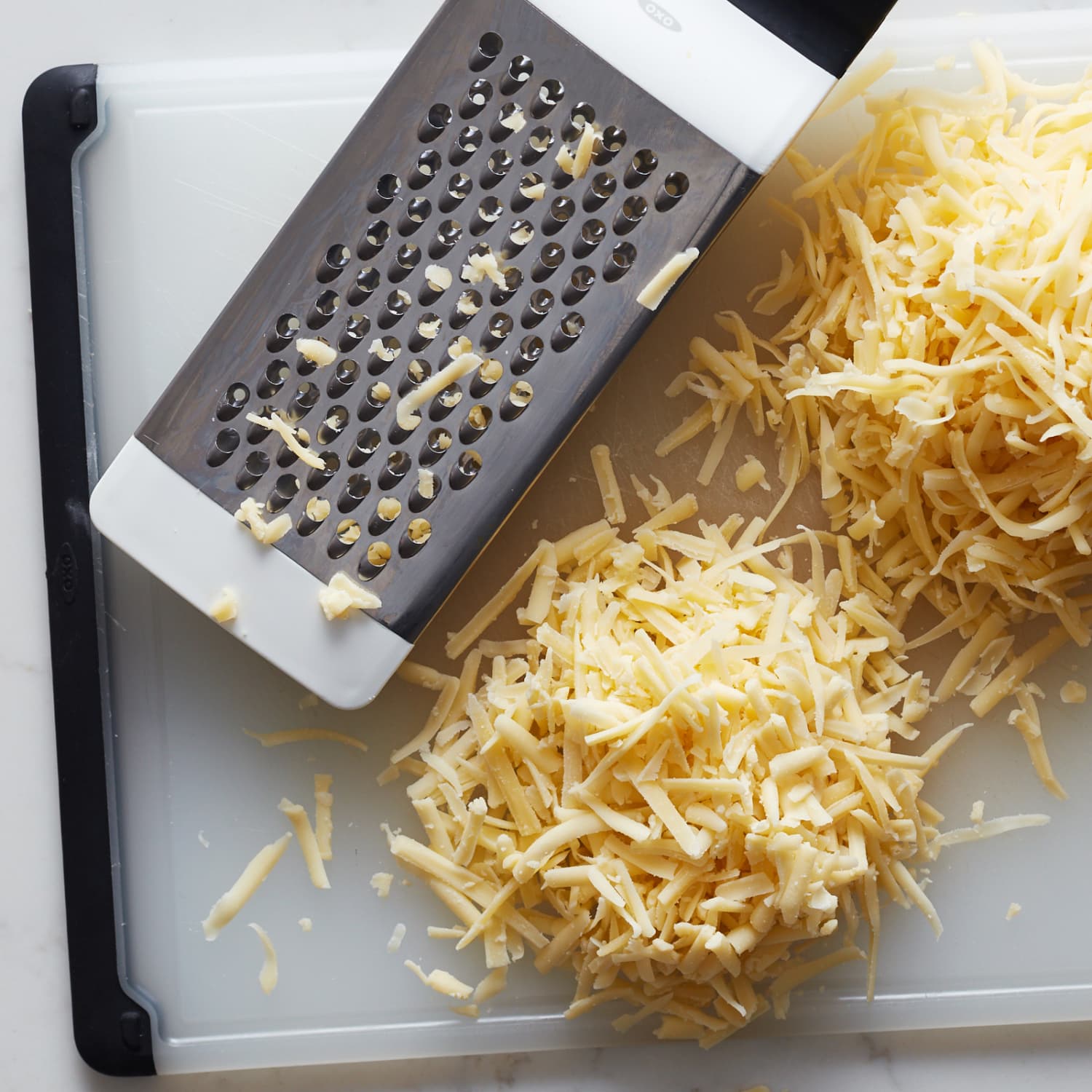
Credit: www.thekitchn.com
Choosing The Right Cheese
Choosing the right cheese for grating affects the taste and texture of your dish. Different cheeses offer unique flavors and melting properties. Picking the best one depends on your recipe and personal preference.
Hard Vs Soft Cheese
Hard cheeses like Parmesan and Pecorino grate easily and create fine shreds. They add a strong, savory flavor to meals. Soft cheeses, such as mozzarella, do not grate well. They tend to clump or become mushy. Use soft cheeses for melting rather than grating.
Freshness Matters
Fresh cheese grates better and tastes richer. Older cheese may be dry and crumbly, making grating difficult. Store cheese properly in the fridge to keep it fresh. Check the smell and texture before grating to ensure quality.
Popular Cheeses For Grating
Parmesan is a classic choice for grating, known for its sharp taste. Pecorino Romano offers a saltier, tangy flavor. Asiago and Grana Padano also work well for grating. For mild flavor, try mild Cheddar or Gouda. Pick cheese based on your dish and desired taste.
Selecting The Best Grater
Selecting the best grater makes cheese preparation easier and faster. A good grater saves time and effort. It also gives the perfect texture for your dishes. Knowing the right type and features helps you pick the best one. Focus on the grater’s style, material, and safety to find a good fit.
Types Of Graters
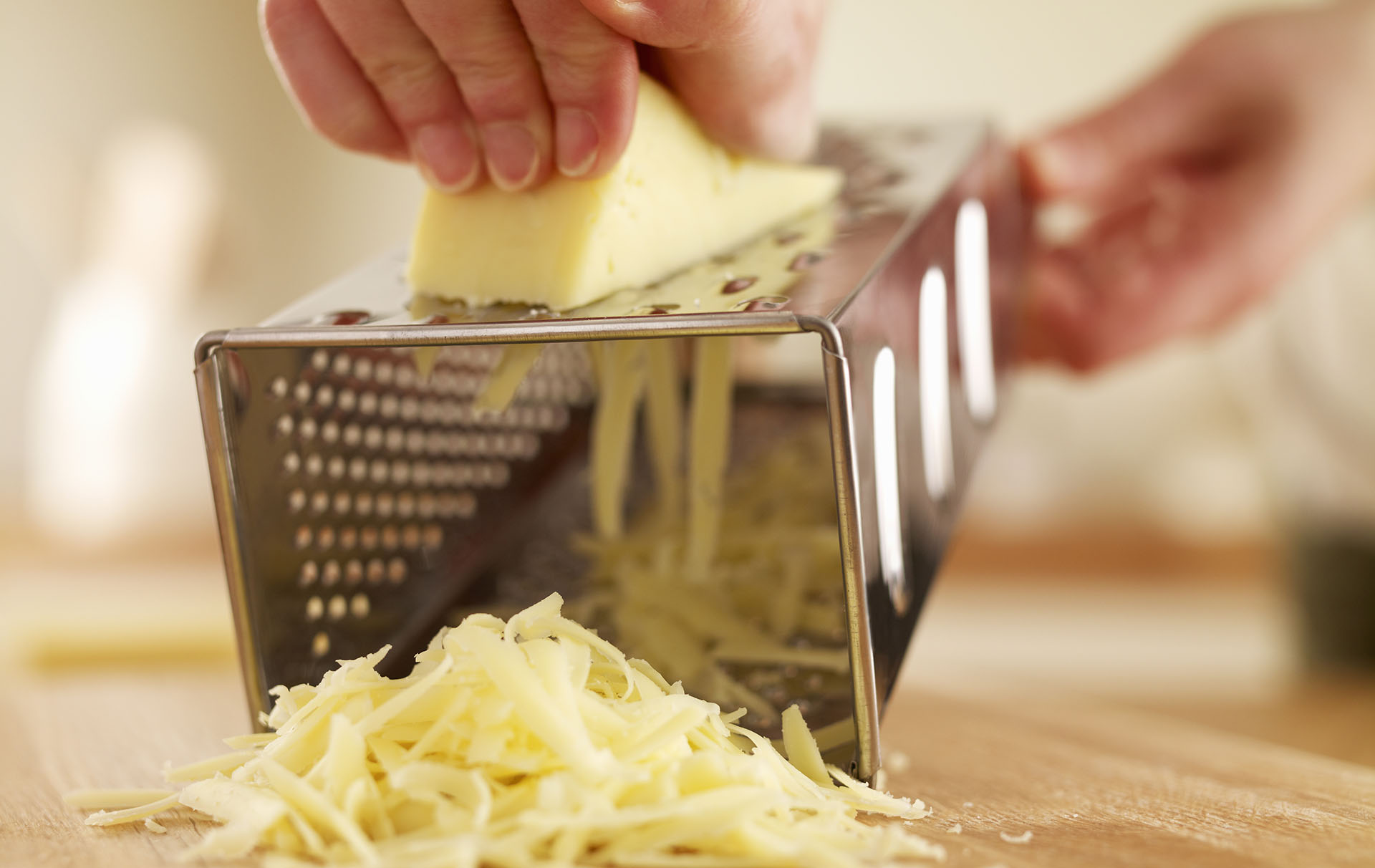
There are many types of cheese graters. Box graters have four sides with different grating sizes. Microplane graters create fine, fluffy cheese. Flat graters are simple and easy to store. Rotary graters have a handle to twist the cheese inside. Choose the type that fits your cooking style.
Material And Durability
Most graters are made from stainless steel. Stainless steel resists rust and stays sharp longer. Some have plastic handles for comfort and grip. A sturdy grater lasts longer and works better. Avoid cheap materials that bend or break easily.
Safety Features
Look for graters with non-slip handles or bases. These prevent accidents while grating. Some have hand guards to protect your fingers. Choose a grater that feels safe and stable in your hand. Safety makes grating cheese a smooth process.
Preparing Cheese For Grating
Grating cheese is easier and neater with the right preparation. Proper steps make grating smooth and fast. This also helps avoid cheese clumping or breaking.
Two key steps help prepare cheese well: chilling the cheese and cutting it into smaller pieces. These steps improve control and reduce mess during grating.
Chilling Techniques
Cold cheese is firmer and easier to grate. Place cheese in the refrigerator for 30 minutes before grating. Avoid freezing cheese, as it changes texture.
If cheese is soft, wrap it in plastic and chill. This prevents it from sticking to the grater. Cold cheese also produces cleaner, more even shreds.
Cutting Into Manageable Pieces
Large blocks are hard to handle and grate unevenly. Cut cheese into smaller, uniform pieces before grating. Pieces about 1 to 2 inches work best.
Smaller pieces fit better in your hand and on the grater. This reduces slipping and keeps your fingers safe. Always use a sharp knife for clean cuts.
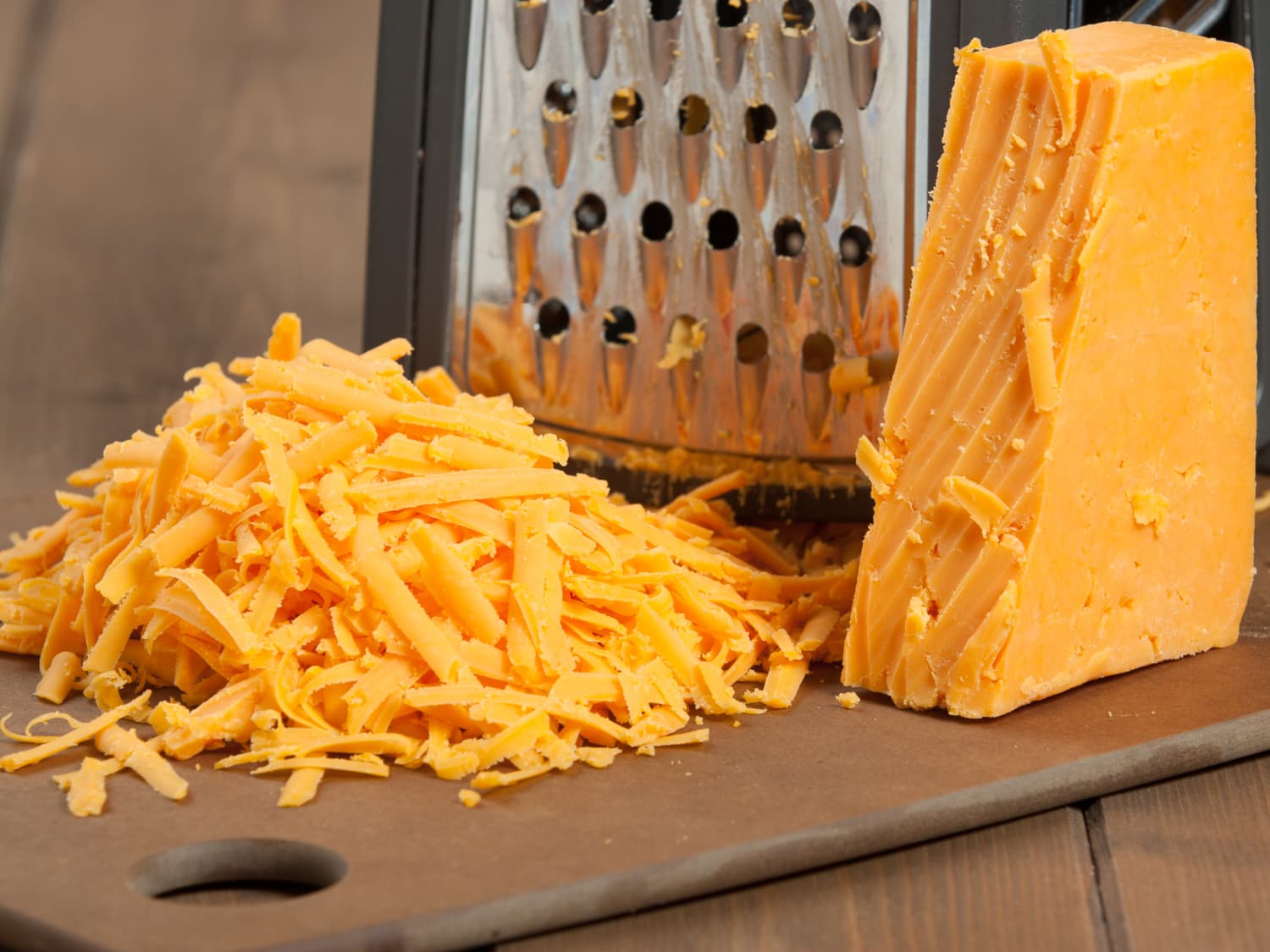
Credit: www.thekitchn.com
Grating Techniques
Grating cheese is simple but needs the right technique. Using proper methods makes the process safer and more efficient. Good grating improves the texture and flavor of your dishes. Below are key tips to help you grate cheese like a pro.
Proper Hand Position
Hold the grater firmly with one hand. Keep your fingers away from the sharp edges. Use your other hand to hold the cheese block. Move the cheese downwards steadily. Keep your wrist straight to avoid strain. This position gives control and prevents slips.
Speed And Pressure Tips
Start with slow, steady strokes. Increase speed only after you feel comfortable. Apply gentle pressure to avoid breaking the cheese. Too much force can cause uneven pieces. Let the grater do the work. Smooth, even pressure gives the best results.
Avoiding Common Mistakes
Don’t press too hard or grate too fast. Avoid holding the cheese at awkward angles. Stop grating before your fingers get too close. Clean the grater after each use to prevent buildup. Use fresh, firm cheese for easier grating. These small tips help you grate safely and neatly.
Cleaning And Maintaining Graters
Keeping your cheese grater clean and well-maintained helps it last longer. Dirt and cheese bits can stick to the blades. This build-up makes grating hard and unsafe. Regular care keeps your grater sharp and hygienic.
Effective Cleaning Methods
Rinse the grater right after use. Warm water loosens stuck cheese quickly. Use a brush or sponge to scrub gently. Avoid harsh scrubbers that can damage the blades. For tough spots, soak the grater in soapy water. Dry the grater completely before storing. This stops water spots and keeps it clean.
Preventing Rust And Damage
Always dry your grater well after washing. Rust forms when moisture stays on metal. Store the grater in a dry place. Avoid stacking heavy items on top of it. This keeps the blades sharp and straight. Using the grater only for cheese also helps. Other foods can dull the blades faster.
Creative Uses For Grated Cheese
Grated cheese is more than a topping. It adds flavor, texture, and color to many dishes. Using grated cheese creatively can transform simple meals into tasty treats. It fits well in snacks, main courses, and even salads.
Cooking Applications
Sprinkle grated cheese over pasta for a rich, creamy taste. Mix it into soups for extra depth and smoothness. Use it in omelets to add a cheesy twist. Top casseroles with grated cheese to create a golden crust. Bake it into bread or muffins for a savory flavor boost. Melt grated cheese on grilled sandwiches for gooey goodness.
Storage Tips For Grated Cheese
Store grated cheese in an airtight container. Keep it in the fridge to stay fresh longer. Avoid moisture to prevent clumping and spoilage. Freeze grated cheese for extended storage. Thaw it slowly before use to keep texture. Label the container with the date to track freshness.
Credit: www.goodto.com
Frequently Asked Questions
What Is The Best Cheese For Grating?
Hard cheeses like Parmesan, Pecorino, and aged Cheddar are best for grating. They grate finely and add strong flavor.
How Do You Grate Cheese Without Clumping?
Chill cheese before grating and use a dry grater. Grate slowly to prevent clumps and ensure even texture.
Can You Grate Frozen Cheese?
Yes, freezing firm cheese makes grating easier and less sticky. Thaw slightly before use for best results.
Which Grater Type Is Best For Cheese?
Box graters are versatile and ideal for most cheeses. Microplane graters work well for fine, powdery cheese textures.
Conclusion
Grating cheese makes cooking easier and meals tastier. Choose the right grater for each cheese type. Always grate cheese with care to avoid injuries. Store grated cheese properly to keep it fresh longer. Small tips can save time and effort in the kitchen.
Enjoy the texture and flavor that grated cheese adds. Simple steps create better dishes every time you cook. Try different cheeses to find your favorite taste and style.