Last Updated on December 17, 2025
Are your kitchen knives feeling dull and frustrating to use? A sharp knife makes cooking faster, safer, and more enjoyable.
If you have a Henckels knife sharpener but aren’t sure how to get the best results, you’re in the right place. This guide will show you simple, step-by-step tips to sharpen your knives quickly and easily. By the end, you’ll handle your Henckels sharpener like a pro and bring your blades back to life.
Keep reading to make every cut smooth and precise!

Credit: www.youtube.com
Choosing The Right Henckels Sharpener
Choosing the right Henckels sharpener is key for keeping your knives sharp. Different sharpeners suit different knives. Picking the best one saves time and protects your blades.
Types Of Henckels Sharpeners
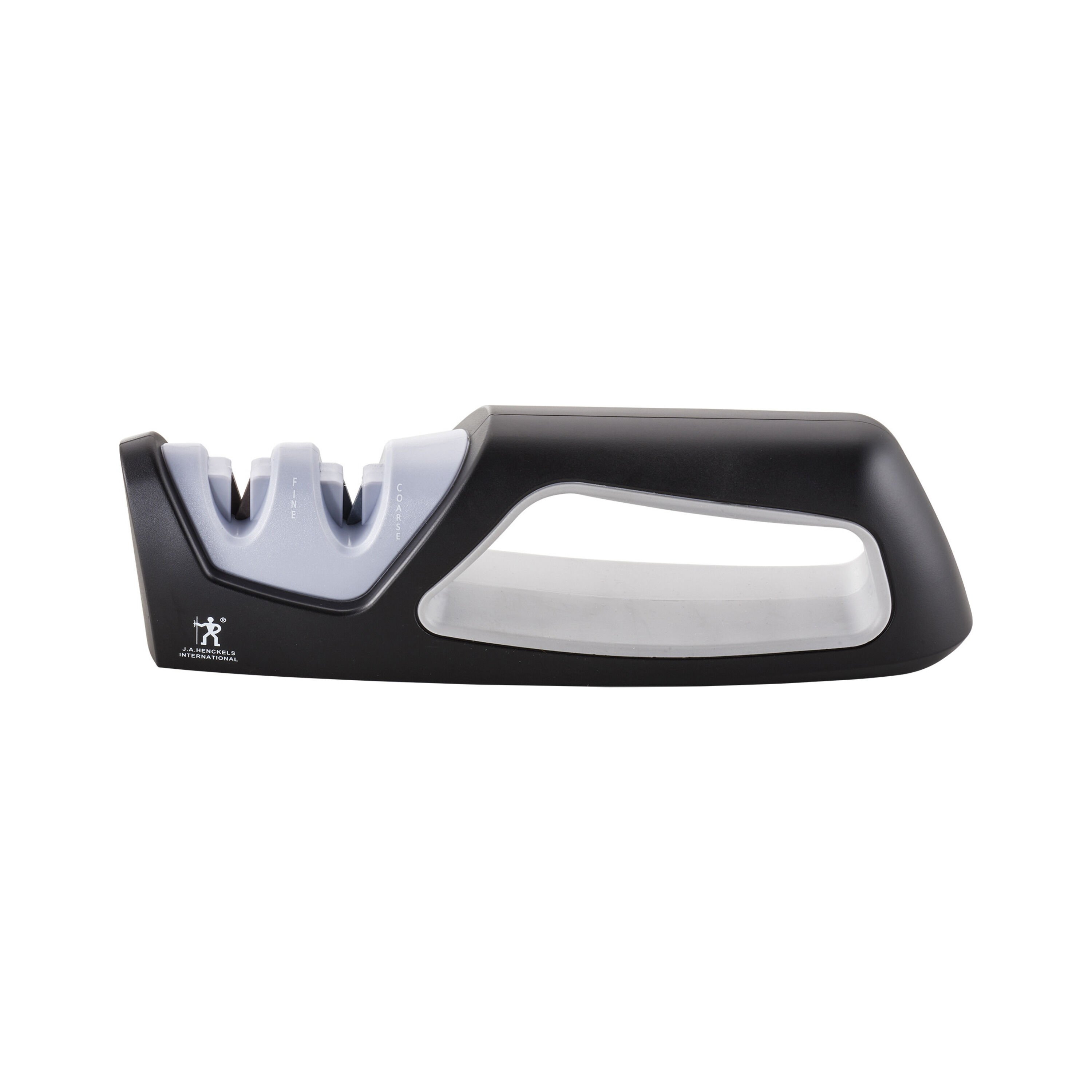
Henckels offers several sharpener types. Manual sharpeners are easy to use and affordable. They usually have slots with ceramic or carbide rods. Electric sharpeners work fast and require less effort. They are good for frequent use. There are also sharpening stones for more control. These need skill but give precise results.
Matching Sharpener To Knife Type
Consider the knife’s blade before choosing a sharpener. Straight-edged knives work well with most Henckels sharpeners. Serrated knives need special sharpeners or professional care. High-end knives with hard steel need gentle sharpening. Use ceramic or fine grit stones for these. Avoid electric sharpeners for delicate blades. Match your sharpener to your knives for best results.
Preparing Your Knife For Sharpening
Preparing your knife before sharpening is a key step for good results. A clean and well-checked blade sharpens better and lasts longer. Taking time to prepare helps protect the knife and the sharpener.
Start by cleaning the knife. Dirt and food can block the sharpener and cause uneven sharpening. Then, check the blade for any damage. Small chips or bends need care before sharpening.
Cleaning The Blade
Wipe the knife blade with a damp cloth. Remove any food bits or grease. Use warm water and mild soap if needed. Dry the blade completely to avoid slipping. A clean blade slides smoothly across the sharpener.
Checking For Damage
Look closely at the knife edge under good light. Tiny chips or cracks can affect sharpening. Bent edges should be straightened carefully. Do not sharpen a broken blade. Fix or replace damaged knives first.
Step-by-step Sharpening Process
The step-by-step sharpening process is easy to follow with the Henckels knife sharpener. This tool helps restore your blade’s edge, making cutting safer and smoother. Understanding each step ensures the best results and extends your knife’s life.
Setting The Correct Angle
Place the knife in the sharpener slot. Hold the blade straight and steady. The Henckels sharpener is designed for the right angle. No need to guess or adjust. Proper angle helps the blade get sharp quickly and evenly.
Using The Coarse Slot
Start with the coarse slot for dull knives. Pull the knife through slowly from heel to tip. Repeat this motion 3 to 5 times. This step removes nicks and reshapes the edge. It prepares the blade for fine sharpening.
Using The Fine Slot
Next, move to the fine slot for polishing. Pull the knife through 5 to 10 times. This step smooths the edge and sharpens it further. The knife becomes sharper and safer for daily use.
Maintaining Consistent Pressure
Apply light but firm pressure. Do not press too hard or too soft. Consistent pressure helps sharpen evenly. It protects the blade from damage and ensures a clean edge. Keep your hand steady throughout the process.

Credit: www.kitchenstuffplus.com
Safety Tips During Sharpening
Sharpening knives is important but can be risky. Safety should be your top priority. Small mistakes can cause cuts or injuries. Follow these safety tips to protect yourself during sharpening. Keep focus and avoid rushing. Use the right tools carefully.
Securing The Sharpener
Place the Henckels knife sharpener on a flat surface. Make sure it does not move while sharpening. Hold the base firmly with one hand. This stops slipping and keeps the sharpener steady. A stable sharpener helps sharpen evenly and safely. Avoid sharpening on slippery or uneven surfaces.
Protecting Your Hands
Hold the knife handle firmly but safely. Keep fingers away from the sharpening slots. Use slow and steady strokes to maintain control. Avoid pressing too hard on the blade. Let the sharpener do the work. Wearing a cut-resistant glove can add extra protection. Always pay close attention to your hand positions.
Testing The Sharpness
Testing the sharpness of your Henckels knife is important after sharpening. It shows how well the sharpener worked. Simple tests help you check the knife’s edge quickly. Use easy methods to see if the blade cuts smoothly and safely.
Paper Test
Take a piece of regular printer paper. Hold it by one end. Try to slice the paper with the knife blade. A sharp knife will cut the paper cleanly without tearing. If the blade catches or tears the paper, it needs more sharpening. Repeat the test on different parts of the blade for best results.
Tomato Slice Test
Use a ripe tomato for this test. Hold the tomato steady on a cutting board. Slice it with the knife using a gentle sawing motion. A sharp blade cuts through the skin easily without squashing the tomato. If the knife struggles or crushes the tomato, sharpen the blade again. This test shows the knife’s ability to cut soft foods well.
Caring For Your Henckels Sharpener
Caring for your Henckels knife sharpener helps it last longer and work better. Proper care keeps the sharpener clean and safe to use. It also protects the sharpening surfaces from damage. Follow simple steps to keep your sharpener in top shape.
Cleaning After Use
Clean the sharpener right after each use. Wipe the outside with a damp cloth. Avoid soaking or putting it in water. Use a soft brush to remove metal shavings inside. Dry it fully before storing. This prevents rust and keeps the sharpener safe.
Storage Recommendations
Store the sharpener in a dry place. Avoid humid or wet areas. Keep it away from sharp objects that can damage it. Use a protective cover if available. Place it where you can reach easily but out of children’s reach. Proper storage keeps the sharpener ready for use.
Troubleshooting Common Issues
Troubleshooting common issues with your Henckels knife sharpener helps keep your knives in top shape. Some problems can affect sharpening results and blade safety. Knowing how to fix these issues saves time and protects your knives.
Uneven Sharpening
Uneven sharpening happens when the blade edge is not smooth or straight. This can occur if you apply too much pressure on one side. Hold the knife at the same angle on both sides. Move the blade evenly through the sharpener slots. Check the sharpener slots for dirt or debris that may block the blade. Clean the sharpener regularly to keep it working properly. Repeat the sharpening strokes the same number of times on each side.
Blade Damage Prevention
Blade damage can happen if the knife is forced or used incorrectly. Do not push the blade too hard through the sharpener. Use gentle, steady strokes instead. Avoid sharpening knives with chips or cracks until repaired. Always follow the manufacturer’s instructions for your Henckels sharpener. Store your knives carefully to prevent dents or bends. Regular sharpening with the right technique keeps blades smooth and strong.
Credit: www.henckels.com
Frequently Asked Questions
How Often Should I Use A Henckels Knife Sharpener?
Use the Henckels knife sharpener every 1-2 months for regular kitchen use. Frequent sharpening keeps blades sharp and safe. Avoid over-sharpening to prevent blade damage.
Can I Sharpen All Henckels Knives With This Sharpener?
Yes, the Henckels knife sharpener works on most Henckels kitchen knives. It is designed for stainless steel and high-carbon blades.
Is The Henckels Knife Sharpener Easy To Use For Beginners?
Absolutely. The sharpener has a simple design with clear instructions. It requires minimal effort and delivers quick, professional sharpening results.
What Safety Tips Should I Follow When Using This Sharpener?
Always hold the sharpener firmly on a stable surface. Keep fingers away from the sharpening slots. Use slow, controlled strokes for safety.
Conclusion
Using the Henckels knife sharpener keeps your knives sharp and safe. Regular sharpening makes cutting easier and faster. Follow the steps carefully for the best results. Clean your sharpener after each use to keep it working well. Sharp knives help you cook with more confidence.
Take time to sharpen your knives often. This small effort improves your kitchen work a lot. Keep your tools ready and enjoy cooking every day.